Movies Like The Matrix Reloaded
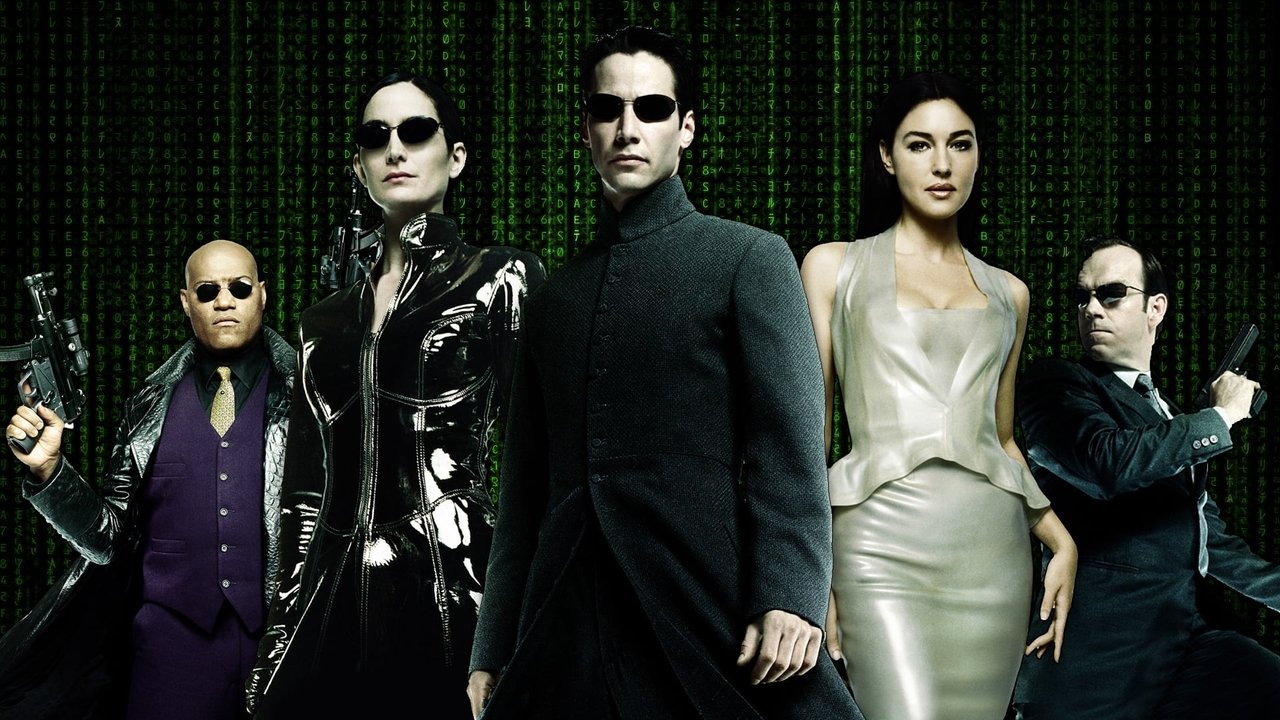
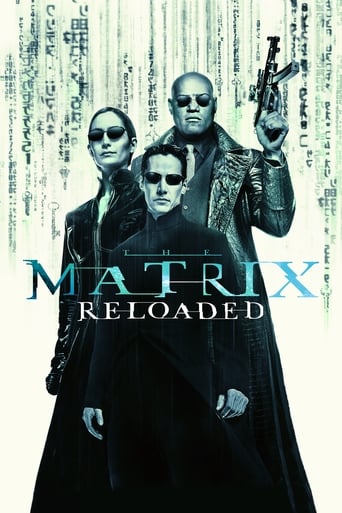
The Resistance builds in numbers as humans are freed from the Matrix and brought to the city of Zion. Neo discovers his superpowers, including the ability to see the code inside the Matrix. With machine sentinels digging to Zion in 72 hours, Neo, Morpheus and Trinity must find the Keymaker to ultimately reach the Source.
Ranked by shared directors, cast, themes, genre, and era — not just generic recommendations.
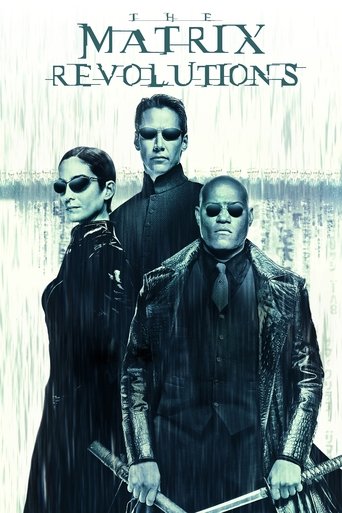
The Matrix Revolutions
Direct trilogy conclusion. Same director (Lana Wachowski), shared cast (Keanu, Fishburne, Moss, Weaving), same world, same themes (man vs machine, prophecy, Zion). The literal next chapter.
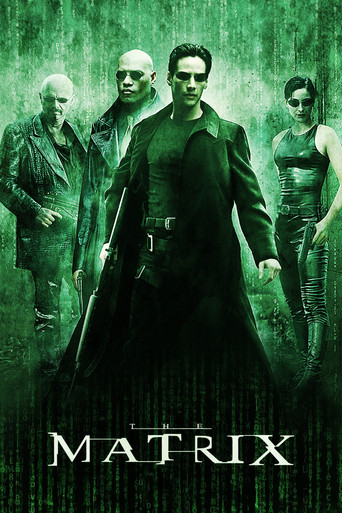
The Matrix
The original. Same Matrix Collection, same director, 5 shared cast, DP Bill Pope, 22 shared themes (kung fu, AI, prophecy, virtual reality, simulation). Essential pairing.
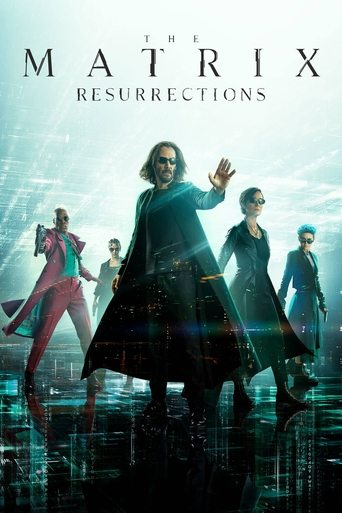
The Matrix Resurrections
Fourth Matrix film. Same director Lana Wachowski, returning cast Keanu and Carrie-Anne Moss, same simulation/AI/dystopia themes.

Blade Runner 2049
Cyberpunk philosophical sci-fi sequel exploring AI, identity, and dystopia. 5 shared themes including cyberpunk, future, dystopian sci-fi. Same headspace for Matrix fans.
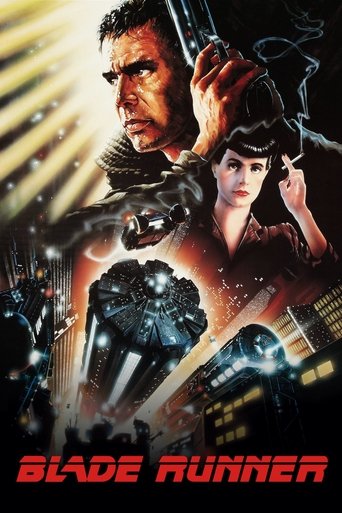
Blade Runner
Foundational cyberpunk noir wrestling with AI, humanity, and reality. 4 shared themes including cyberpunk and artificial intelligence. Direct philosophical ancestor of Matrix.
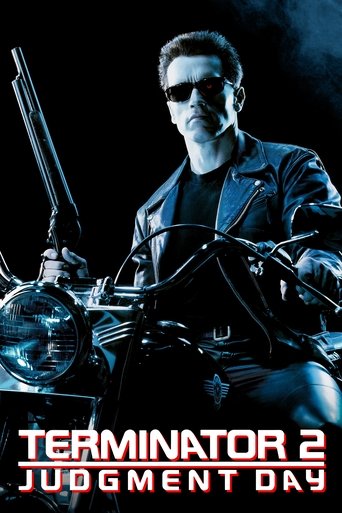
Terminator 2: Judgment Day
Definitive man-vs-machine action sequel. Shared themes: action hero, man vs machine, dystopia, future war. Peak action sci-fi sequel companion.
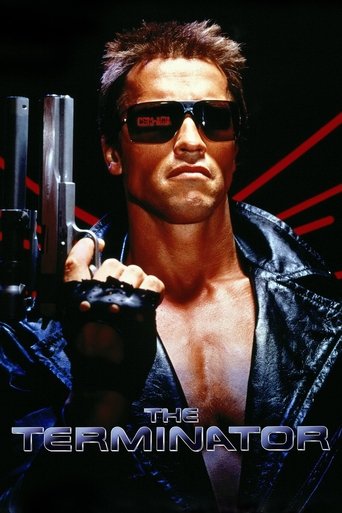
The Terminator
Genre-defining man vs machine sci-fi action. 6 shared themes: man vs machine, AI, savior figure, dystopian future, future war.

Inception
Philosophical action sci-fi about layered realities, dreams, and bending the rules of perception. Reloaded's freeway chase and Inception's dream heists scratch the same itch.
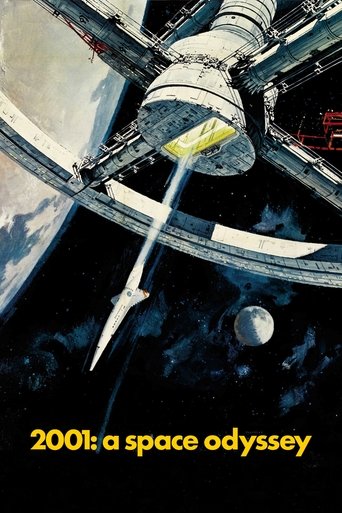
2001: A Space Odyssey
Cerebral sci-fi about man vs machine (HAL) and the nature of evolution and reality. Heavy philosophical companion to Matrix's Plato/simulation themes.

Crouching Tiger, Hidden Dragon
Wire-fu martial arts spectacle from same era. Reloaded's Burly Brawl and freeway kung fu choreography sit comfortably alongside this.

Hero
Stylized wuxia martial arts with grand themes and balletic combat. Same year-era kung fu cinema Reloaded fans gravitate to.

Kill Bill: Vol. 1
2003 stylized martial-arts revenge with virtuoso fight choreography. Same year sibling in maximalist action craft.
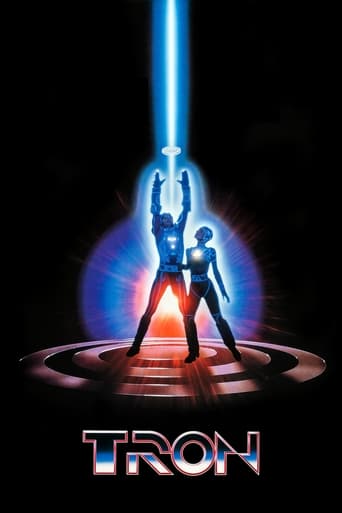
Tron
OG cyberspace film: humans inside a digital world fighting hostile programs. Direct conceptual ancestor to the Matrix.

Mad Max: Fury Road
Dystopian future action with relentless vehicular chase set pieces. Reloaded's freeway sequence has the same DNA as Fury Road's convoy.

Interstellar
Big-idea sci-fi blockbuster mixing AI, dystopia, and reality-bending physics. Appeals to the Matrix viewer who wants ambitious genre filmmaking.
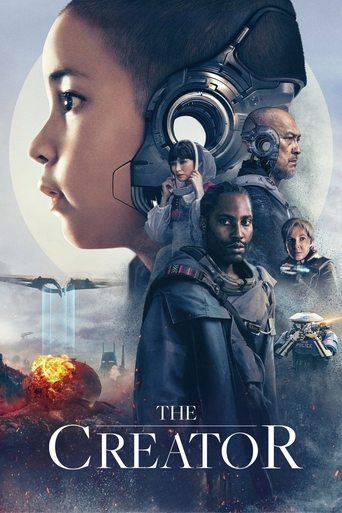
The Creator
War-against-the-machines sci-fi action with cyberpunk and transhumanism. Modern descendant of Matrix's man-vs-AI premise.
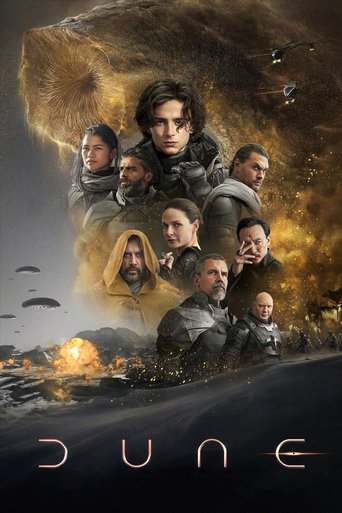
Dune
Prophecy-driven chosen-one sci-fi epic. Reloaded leans hard into the Neo-as-prophet beats; Dune scratches that grand-scale destiny itch.

A Clockwork Orange
Kubrick dystopia about control, conditioning, and reality. Philosophical companion for Matrix viewers who want darker, weirder sci-fi.
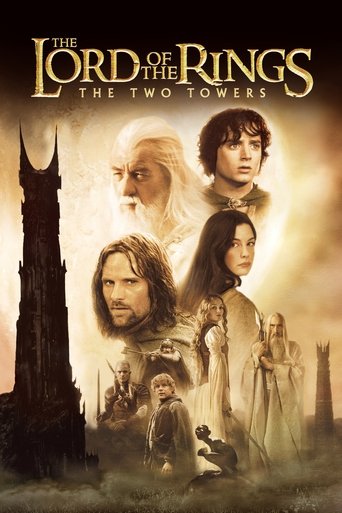
The Lord of the Rings: The Two Towers
The other middle-chapter blockbuster of 2002-2003 era. Both are big-budget trilogy installments with massive battle sequences and chosen-one mythology.
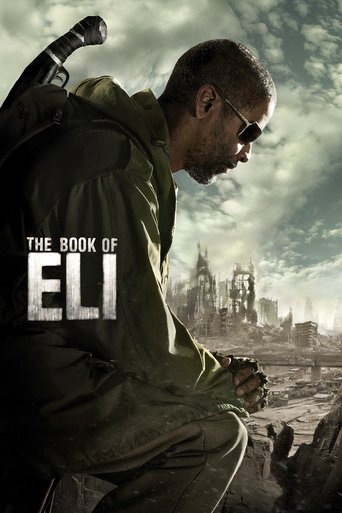
The Book of Eli
Post-apocalyptic action with strong faith/prophecy/savior themes that echo Reloaded's Christian allegory.
How Good Is The Matrix Reloaded?
Ratings across IMDb, Rotten Tomatoes, Metacritic, and TMDB, plus our verdict.
Where to Watch The Matrix Reloaded
Streaming, rental, and purchase options across 40+ countries.
United States
USStream
3 YouTube TV
 VIX
VIX  ViX Premium Amazon Channel
Rent
4 Spectrum On Demand
 Amazon Video
 Apple TV Store
 Fandango At Home
Buy
5 Amazon DVD / Blu-rayAmazon VideoApple TV Store
 Barnes & NobleFandango At Home
Available in 104 countries
Frequently asked about The Matrix Reloaded
Common questions people search for, with answers written by us at MoviesPack.
What does the Architect reveal about the true purpose of Zion?
The Architect reveals that Zion is not a refuge from the Matrix but a controlled safety valve — it has been destroyed and rebuilt six times before. The machines deliberately allow a small group of freed humans to establish Zion, then periodically wipe it out to manage the systemic anomaly created by the One. Neo is merely the sixth iteration of the One, each cycle ending the same way.
What is the 'choice' the Architect gives Neo, and why does Neo reject the expected path?
The Architect offers Neo two doors: the right leads to the Source, where Neo would reload the Matrix and select 23 humans to rebuild Zion, perpetuating the cycle; the left leads back into the Matrix, which would cause a catastrophic system crash killing everyone connected to it. All previous versions of the One chose the right door. Neo chooses the left door because Trinity is dying and he refuses to abandon her, prioritising one human life over the continuation of the cycle.
Who is the Merovingian and what does he represent in the Matrix's power structure?
The Merovingian is a rogue program — an exiled former system of control who refused deletion and now runs an underworld brokering the passage of other exiled programs. He represents programs that have survived beyond their original purpose by exploiting the Matrix's back channels. His existence illustrates that the machines' control over the Matrix is not absolute and that older layers of the system persist beneath the current version.
What is Agent Smith's new nature after the events of the first film, and why can he copy himself?
After Neo destroyed Smith in the first film, Smith was freed from his role as a controlled agent of the machines and became a self-replicating autonomous program no longer bound by machine authority. He can now copy his code onto other programs and humans inside the Matrix against the machines' will, effectively becoming a virus. The Oracle later explains that Smith is Neo's opposite — an unchecked equation of purpose, the accumulation of everything the One is meant to destroy.
Why is Neo able to stop the Sentinels in the real world at the end of the film?
Neo stops the Sentinels outside the Matrix with a pulse of energy, something no human has done before, suggesting his connection to the Source extends beyond the simulation into the physical world. The film deliberately leaves this unexplained, but the Architect's revelation implies the boundary between the Matrix and the machine world may not be what it seems. Some interpretations — reinforced by the third film — suggest the 'real world' may itself be another layer of simulation, or that Neo's hardware-level link to the machine network grants him limited control over machine systems even while unplugged.
Recent Updates
New Trailer: The Matrix Reloaded
The Matrix Reloaded now streaming on Sooner (FR)
The Matrix Reloaded now streaming on ARTE Boutique (FR)
The Matrix Reloaded now streaming on Pathé Home (FR)
The Matrix Reloaded now streaming on Premiere Max (FR)