Movies Like A Clockwork Orange
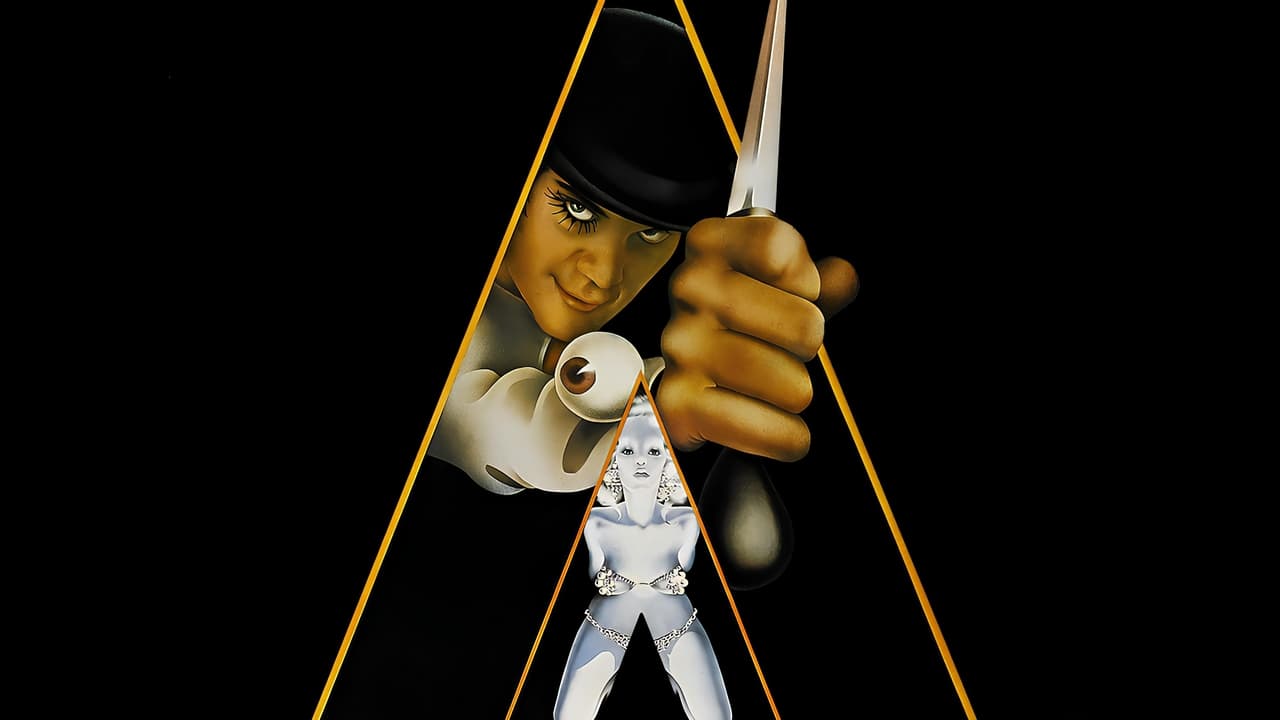
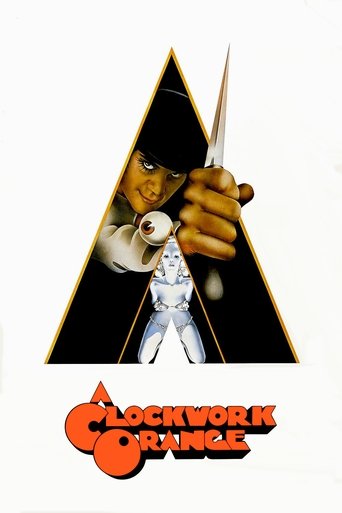
In a near-future Britain, young Alexander DeLarge and his pals get their kicks beating and raping anyone they please. When not destroying the lives of others, Alex swoons to the music of Beethoven. The state, eager to crack down on juvenile crime, gives an incarcerated Alex the option to undergo an invasive procedure that'll rob him of all personal agency. In a time when conscience is a commodity, can Alex change his tune?
Ranked by shared directors, cast, themes, genre, and era — not just generic recommendations.

Barry Lyndon
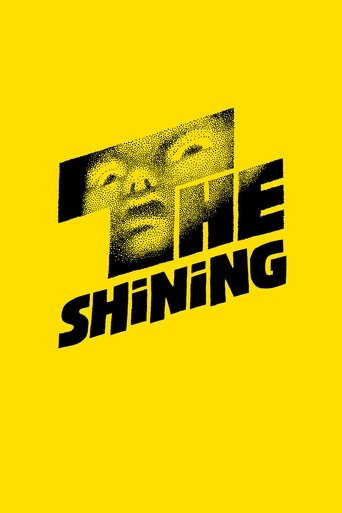
The Shining

Dr. Strangelove or: How I Learned to Stop Worrying and Love the Bomb

Brazil
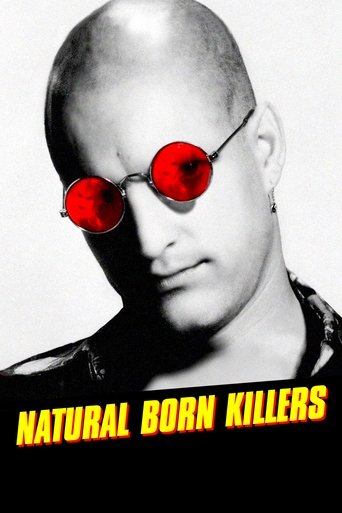
Natural Born Killers

The Gentlemen

The Doom Generation

The Terminator
We Still Kill the Old Way

Blade Runner 2049

Demolition Man

Eastern Promises
Split Second
Villain
Dead Man Running
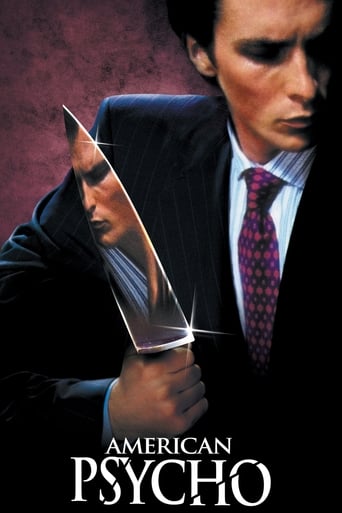
American Psycho
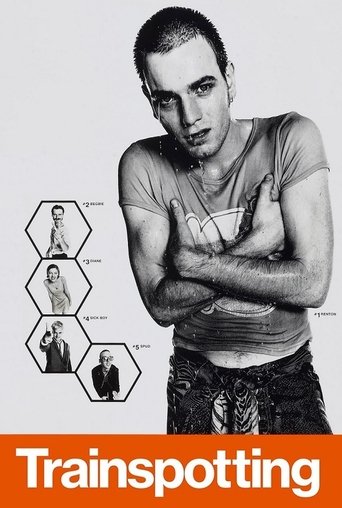
Trainspotting

Britannia Hospital

Parasite

Terminator 2: Judgment Day
How Good Is A Clockwork Orange?
Ratings across IMDb, Rotten Tomatoes, Metacritic, and TMDB, plus our verdict.
Where to Watch A Clockwork Orange
Streaming, rental, and purchase options across 40+ countries.
United States
USStream
4 HBO Max Amazon Channel
 Cinemax Amazon Channel
 HBO Max
 Cinemax Apple TV channel
Rent
4 Spectrum On Demand
 Amazon Video
 Apple TV Store
 Fandango At Home
Buy
5Amazon Video Amazon DVD / Blu-rayApple TV StoreFandango At Home
 Barnes & Noble
Available in 82 countries
Frequently asked about A Clockwork Orange
Common questions people search for, with answers written by us at MoviesPack.
What is the Ludovico Technique and how does it change Alex?
The Ludovico Technique is an aversion therapy program in which Alex is strapped to a chair, his eyelids forcibly held open, and made to watch films of extreme violence while injected with a drug that induces severe nausea. The conditioning pairs violent imagery — and incidentally Beethoven's Ninth Symphony playing on the soundtrack — with overwhelming physical sickness. By the end of the treatment Alex becomes incapable of violence without becoming violently ill himself, but the cure also strips away his free will to choose good or evil.
Why does Alex's aversion therapy also destroy his love of Beethoven?
During the Ludovico screenings the film scorers happened to use Beethoven's Ninth Symphony as background music, so the nausea-inducing drug conditioned Alex against that music alongside the violent imagery. This was an unintended side effect that the prison doctor acknowledges but dismisses as collateral damage. For Alex, who experiences classical music with almost orgasmic joy, losing this love represents the deepest personal violation of the treatment — arguably worse than losing the ability to commit violence.
Who is Mr. Alexander, and what is his motivation for helping and then tormenting Alex?
Mr. Alexander is a progressive writer whose wife was gang-raped and ultimately died as a result of an assault carried out by Alex and his droogs early in the film. When a conditioned and helpless Alex is taken in by Mr. Alexander, he does not initially recognise Alex as his attacker. Once he does realise the truth, Mr. Alexander's motivation shifts from political opportunism — using Alex as evidence against the government's brutal rehabilitation program — to a personal desire for revenge, trapping Alex and playing Beethoven's Ninth to torture him into a suicidal breakdown.
What does Alex's final line — 'I was cured, all right' — mean?
After Alex attempts suicide and is hospitalised, the government reverses his Ludovico conditioning to avoid a political scandal, restoring both his violent impulses and his love of Beethoven. The closing scene shows Alex daydreaming of sex and violence to cheering onlookers, and his voiceover declares 'I was cured, all right.' The line is deeply ironic: the state considers him 'cured' because he is politically useful again, but Alex is simply back to who he was before — the conditioning itself was never a moral cure, only a temporary mechanical suppression.
What is the significance of Alex's droogs turning against him?
Alex's droogs — Dim, Georgie, and Pete — grow resentful of his authoritarian leadership and engineer a scenario where he is caught by police after a burglary gone wrong, leaving him to face punishment alone. Their betrayal illustrates that Alex's control over them was based purely on fear and violence rather than genuine loyalty, and that the same brutality he inflicts on others is ultimately turned back on him. Two of them later reappear as police officers, suggesting the state has simply co-opted their capacity for violence into an official, sanctioned form.
Recent Updates
New Trailer: Carnivàle
New Trailer: A Clockwork Orange
A Clockwork Orange now streaming on Sooner (FR)
A Clockwork Orange now streaming on ARTE Boutique (FR)
A Clockwork Orange now streaming on Pathé Home (FR)