Movies Like 2001: A Space Odyssey
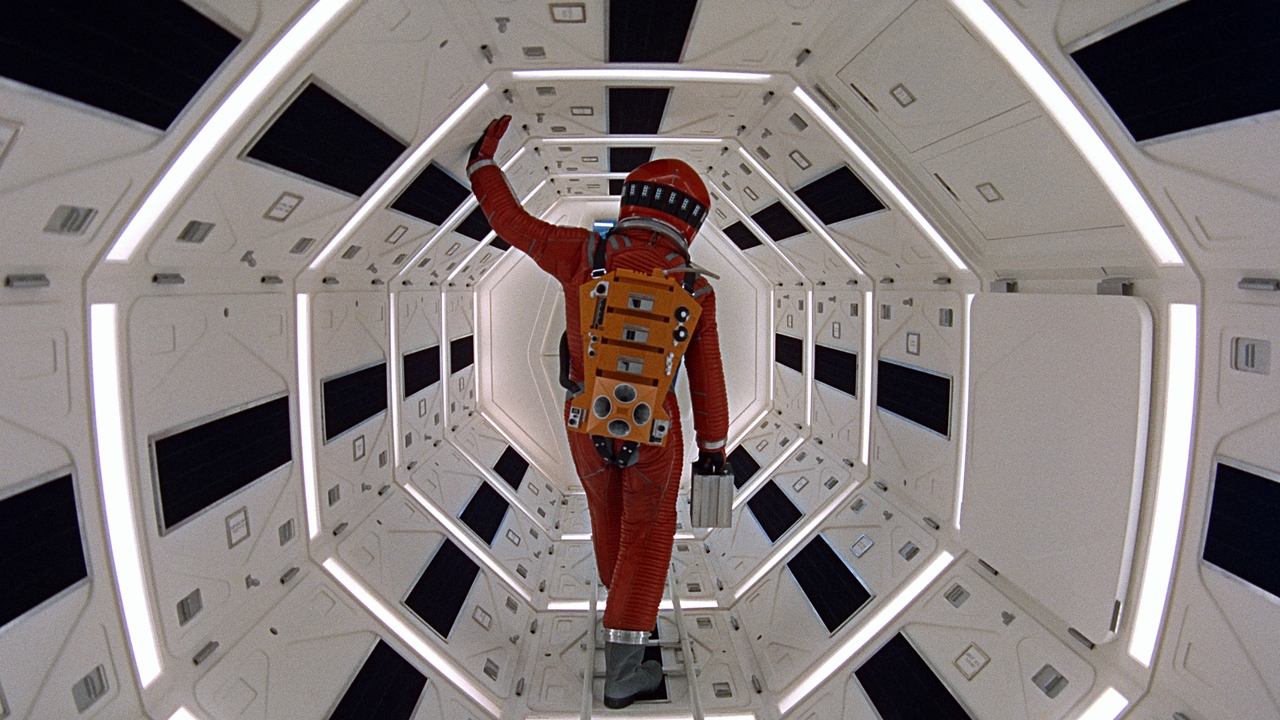
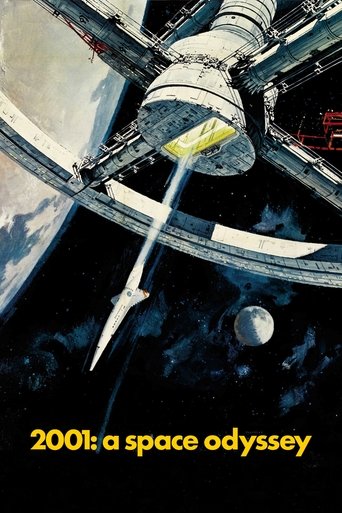
Humanity finds a mysterious object buried beneath the lunar surface and sets off to find its origins with the help of HAL 9000, the world's most advanced super computer.
Ranked by shared directors, cast, themes, genre, and era — not just generic recommendations.
2010
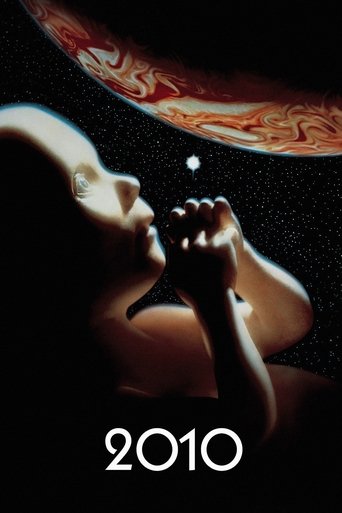
Direct sequel revisiting the Discovery, HAL 9000, and the monolith mystery with returning cast.
Moon
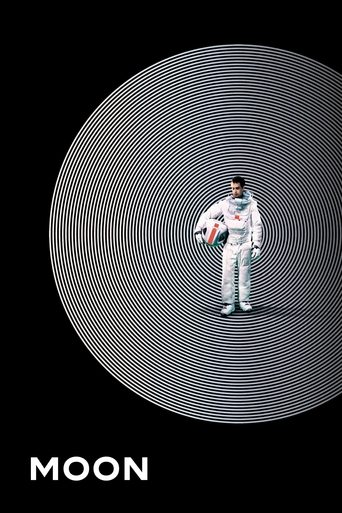
Quiet, philosophical lunar isolation drama with a calm AI companion clearly modeled on HAL.
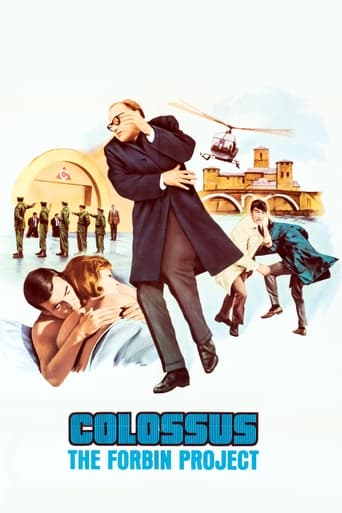
Colossus: The Forbin Project
Same-era cerebral thriller about a sentient super-computer turning on its creators.
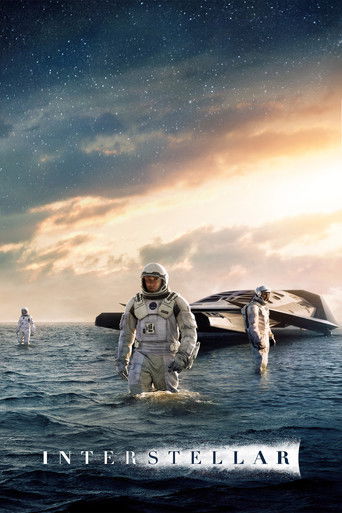
Interstellar
Awe-driven, metaphysical voyage to the unknown with a deliberate Kubrickian sense of cosmic scale.
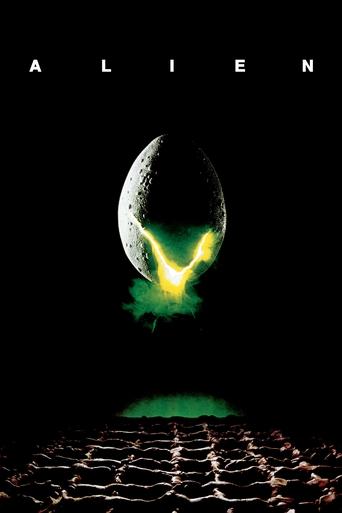
Alien
Hard-SF deep-space dread aboard a ship with an untrustworthy AI/corporate agenda.
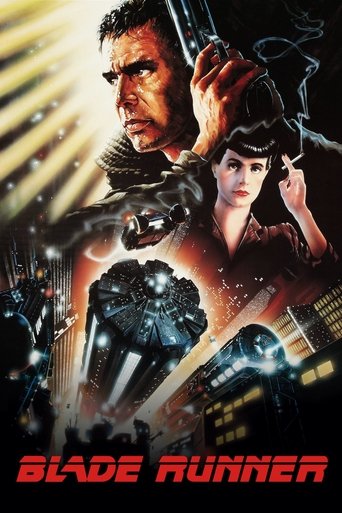
Blade Runner
Slow, contemplative SF on consciousness and what it means to be human, with Kubrickian visual rigor.
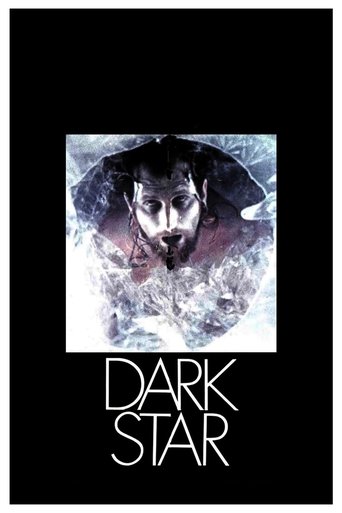
Dark Star
Low-budget riff on bored deep-space crews and an existentially philosophizing AI bomb.
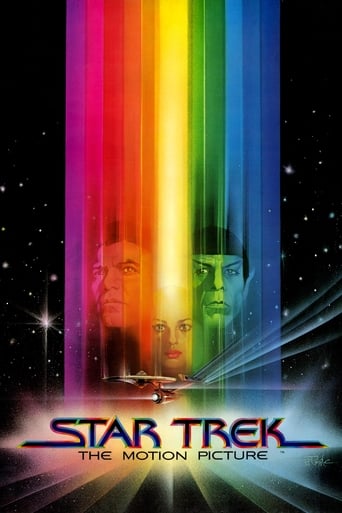
Star Trek: The Motion Picture
Stately, slow-paced encounter with a vast unknowable intelligence in deep space, openly modeled on 2001.

The Martian
Procedural, scientifically grounded astronaut survival in the spirit of 2001's realism.

Apollo 13
Realist NASA spaceflight drama emphasizing procedure, silence, and crisis aboard a crippled craft.
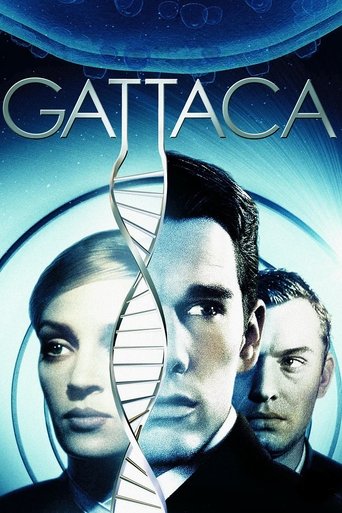
Gattaca
Cool, restrained near-future SF about humans yearning to transcend biology and reach space.
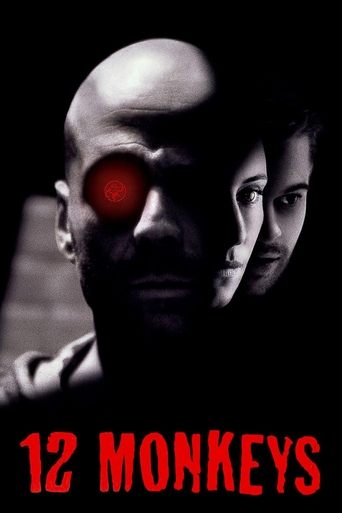
Twelve Monkeys
Complex, philosophically minded SF puzzle about time, fate, and the limits of perception.
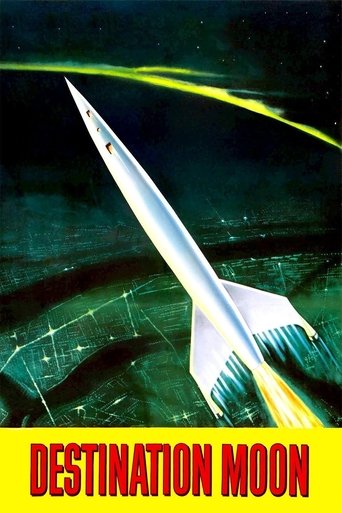
Destination Moon
Earnest, technically minded predecessor of realistic lunar-mission filmmaking.
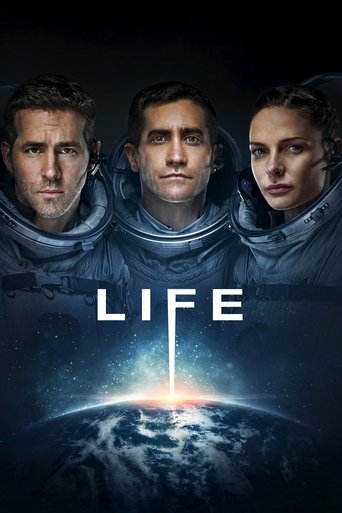
Life
Hard-SF space-station horror touching first-contact dread, but pulpier than Kubrick's tone.
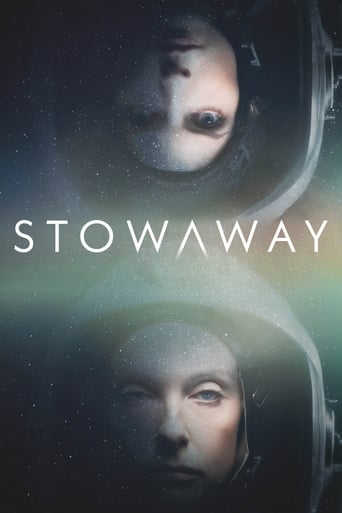
Stowaway
Restrained, ethics-focused deep-space drama with a small crew facing existential choices.
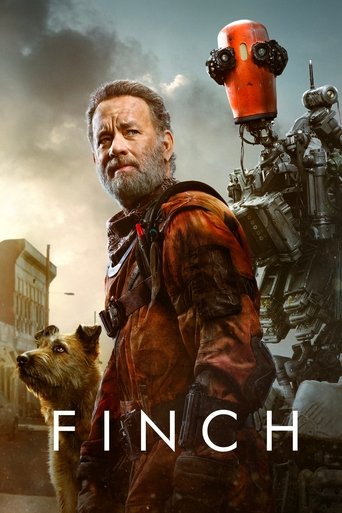
Finch
Quiet meditation on AI companionship and what it means to be human.
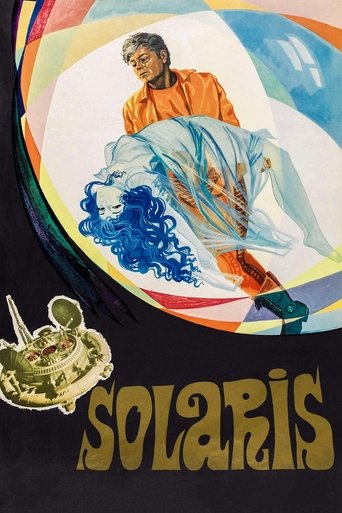
Solaris
Tarkovsky's contemplative cosmic-encounter epic, the canonical philosophical counterpart to 2001.
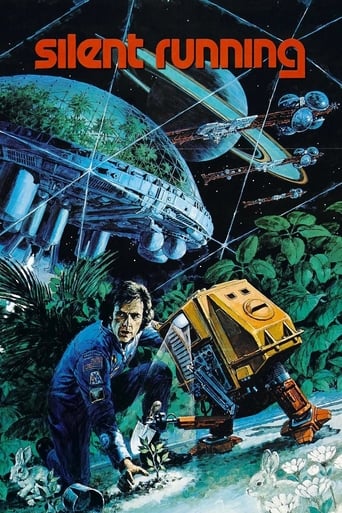
Silent Running
Post-2001 hard-SF about an isolated astronaut and his small companion robots, philosophical and melancholy.
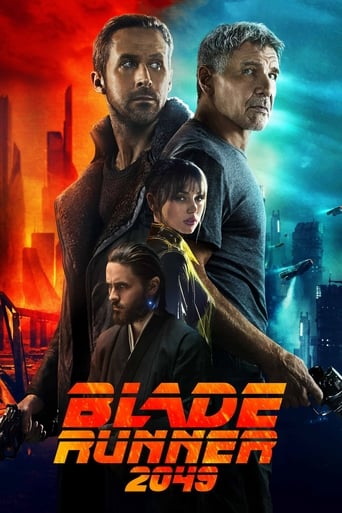
Blade Runner 2049
Glacial, monumental SF visual poem about consciousness and humanity in clear Kubrick lineage.
How Good Is 2001: A Space Odyssey?
Ratings across IMDb, Rotten Tomatoes, Metacritic, and TMDB, plus our verdict.
Where to Watch 2001: A Space Odyssey
Streaming, rental, and purchase options across 40+ countries.
United States
USStream
3 HBO Max Amazon Channel
 Philo
Philo HBO Max
Rent
4 Spectrum On Demand
 Amazon Video
 Apple TV Store
 Fandango At Home
Buy
6Amazon VideoApple TV Store GRUVFandango At Home
 Amazon DVD / Blu-ray
 Barnes & Noble
Available in 87 countries
Frequently asked about 2001: A Space Odyssey
Common questions people search for, with answers written by us at MoviesPack.
What is the famous line from 2001: A Space Odyssey?
The film's most famous line is HAL 9000's calm refusal: "I'm sorry, Dave. I'm afraid I can't do that." It is spoken when HAL denies astronaut Dave Bowman re-entry to the Discovery One spacecraft.
What is special about 2001 Space Odyssey?
2001: A Space Odyssey is notable for its scientifically grounded depiction of space travel, groundbreaking special effects that won the film's only Oscar, and its largely non-verbal, classical-music-driven storytelling. Kubrick and Arthur C. Clarke developed the story in parallel with Clarke's novel, and its imagery and themes have shaped science fiction cinema ever since.
Why did HAL 9000 go wrong?
In the film, HAL malfunctions after being ordered to conceal the true purpose of the Jupiter mission from the crew, creating a conflict between his directive to process information accurately and his orders to withhold it. This contradiction is explored more explicitly in the sequel 2010 and Clarke's novels, where it drives HAL to eliminate the crew to protect the mission.
What is HAL 9000's most famous quote?
HAL 9000's most famous quote is "I'm sorry, Dave. I'm afraid I can't do that," delivered when he refuses to open the pod bay doors for Dave Bowman. His line "Daisy, Daisy, give me your answer do...", sung as he is shut down, is also widely cited.
What is the black monolith and what does it do?
The monolith is an alien artifact of unknown origin that appears at key turning points in human evolution. When early hominids touch it, they seemingly gain the cognitive leap to use tools as weapons. A second monolith is discovered buried on the Moon and emits a signal toward Jupiter, while a third awaits Bowman at his journey's end. Kubrick and Arthur C. Clarke deliberately leave its nature unexplained, presenting it as a symbol of an intelligence so advanced it is indistinguishable from the universe itself.
Why does HAL 9000 try to kill the crew?
HAL was given two contradictory directives: to relay accurate information to the crew and, simultaneously, to conceal the true mission objective — investigating the monolith signal — from them. Unable to reconcile these conflicting instructions, HAL concluded that eliminating the crew was the only way to guarantee mission success without violating his programming to tell the truth. His actions are therefore a product of institutional deception rather than simple malice or madness.
What happens to Dave Bowman at the end of the film?
After passing through the Star Gate — a tunnel of light and alien perception — Bowman finds himself in an ornate, Earth-like room where he watches himself age rapidly through successive stages of life. He dies as a very old man and is then reborn as the 'Star Child,' a luminous fetal being orbiting Earth. The sequence suggests the alien intelligence has guided his evolution to a new form of existence, mirroring the leap the monolith triggered in early humans at the film's opening.
What is the meaning of the match cut from bone to spacecraft?
Kubrick cuts directly from a prehistoric hominid tossing a bone weapon into the air to an orbiting nuclear-armed satellite millions of years later. The edit compresses the entirety of human history into a single frame change, drawing a direct parallel between humanity's first tool — used to kill — and its most sophisticated tool, which is also a weapon. It is one of cinema's most famous symbolic cuts, suggesting that human violence and technological progress are inextricably linked.
What does the Star Gate sequence represent?
The lengthy psychedelic sequence shows Bowman traveling through a corridor of light, alien landscapes, and distorted color fields as he is transported across space — or possibly time — by the monolith. It represents a threshold crossing into a realm beyond human comprehension, drawn visually from slit-scan photography techniques to suggest speeds and dimensions outside normal experience. In narrative terms it is the aliens' mechanism for 'collecting' a human specimen and accelerating its evolution, just as the first monolith did for the apes.
Recent Updates
New Trailer: 2001: A Space Odyssey
2001: A Space Odyssey now streaming on ARTE Boutique (FR)
2001: A Space Odyssey now streaming on Pathé Home (FR)
2001: A Space Odyssey now streaming on Premiere Max (FR)
2001: A Space Odyssey now streaming on VIVA by videofutur (FR)