Movies Like The Terminator
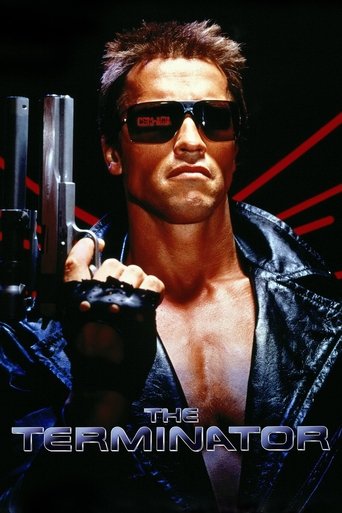
In the post-apocalyptic future, reigning tyrannical supercomputers teleport a cyborg assassin known as the "Terminator" back to 1984 to kill Sarah Connor, whose unborn son is destined to lead insurgents against 21st century mechanical hegemony. Meanwhile, the human-resistance movement dispatches a lone warrior to safeguard Sarah. Can he stop the virtually indestructible killing machine?
Ranked by shared directors, cast, themes, genre, and era — not just generic recommendations.
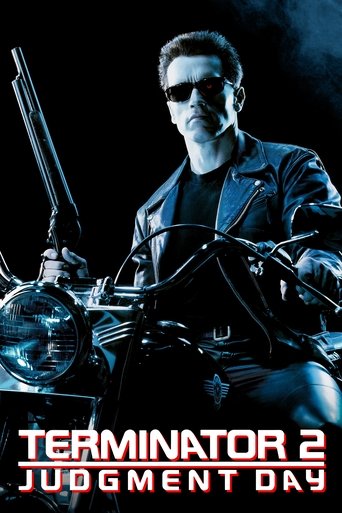
Terminator 2: Judgment Day
Direct sequel, same franchise, same director James Cameron, same leads — the definitive follow-up.
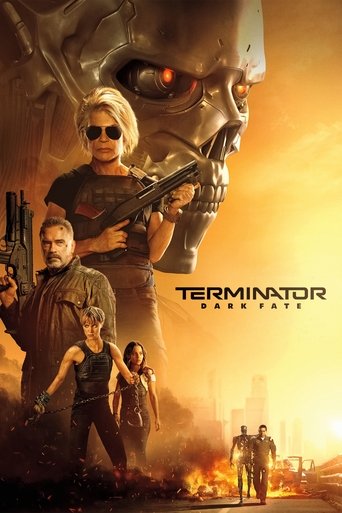
Terminator: Dark Fate
Same franchise, direct legacy sequel with Linda Hamilton and Schwarzenegger returning.
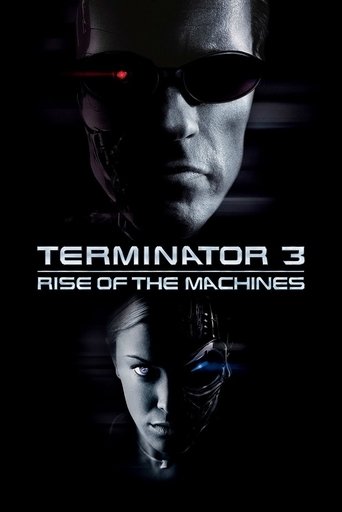
Terminator 3: Rise of the Machines
Same franchise, same Schwarzenegger T-800, continuing the Skynet/John Connor storyline.
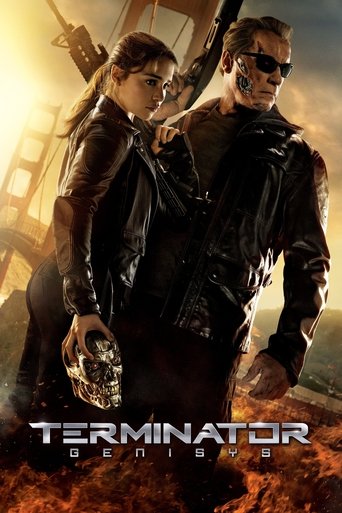
Terminator Genisys
Same franchise, Schwarzenegger returns, directly retcons the 1984 timeline events.
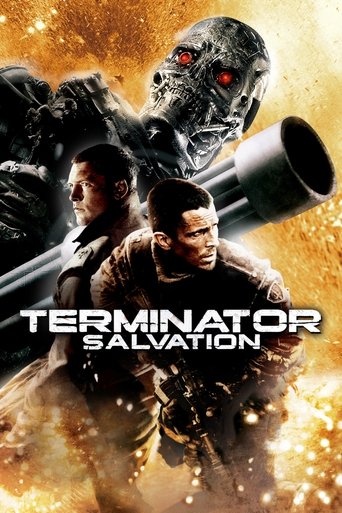
Terminator Salvation
Same franchise, depicts the post-apocalyptic future war against Skynet hinted at in the original.
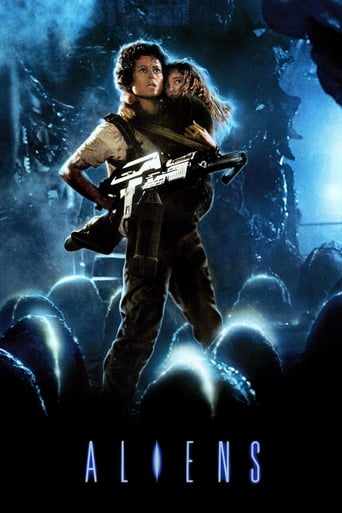
Aliens
James Cameron director, shares Michael Biehn and Lance Henriksen; same relentless action-thriller intensity.
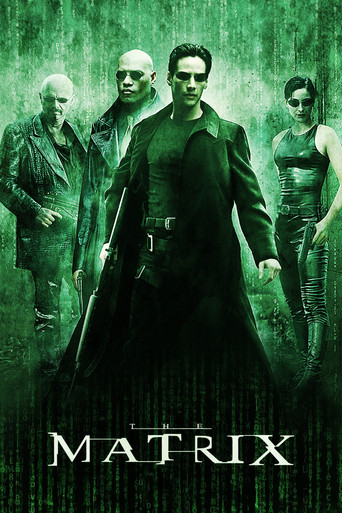
The Matrix
Man vs machine, AI dystopia, unstoppable pursuer; widely cited as the spiritual successor to The Terminator.
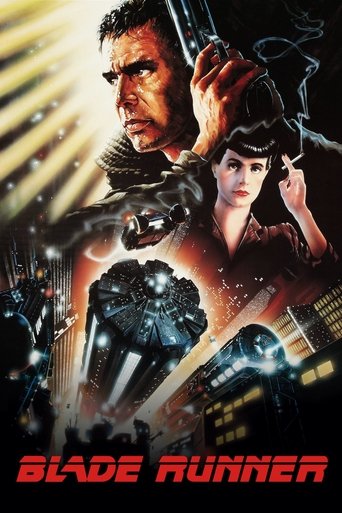
Blade Runner
Tech noir, AI androids, dystopian LA, same era; shares mood and themes of humanity vs synthetic life.
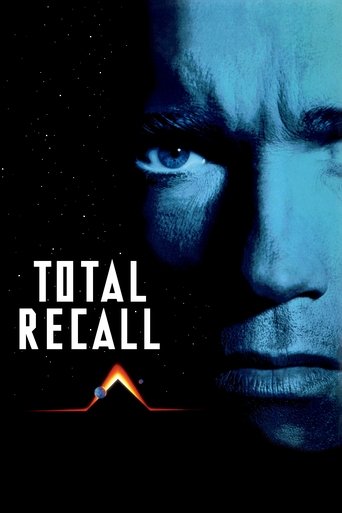
Total Recall
Schwarzenegger sci-fi action at peak; near-future dystopia, implanted memory, same era action blockbuster DNA.
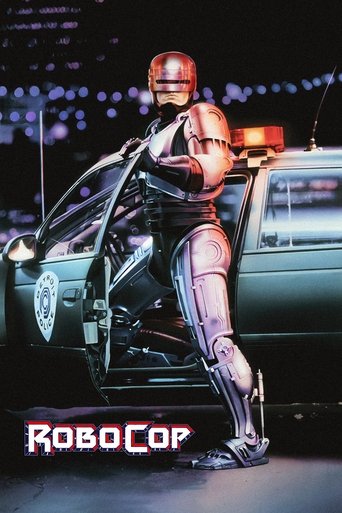
RoboCop
Cyborg protagonist, near-future dystopia, AI/corporate control, same 80s sci-fi action era and tone.
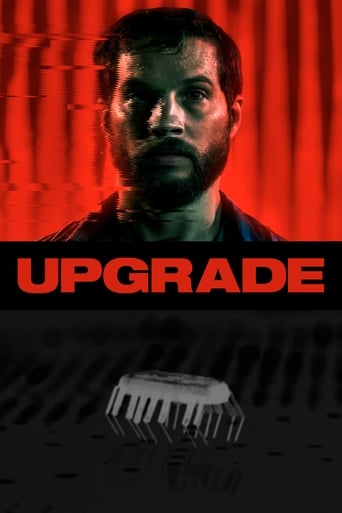
Upgrade
AI implant controlling a human body, cyberpunk dystopia, relentless action; modern spiritual kin.
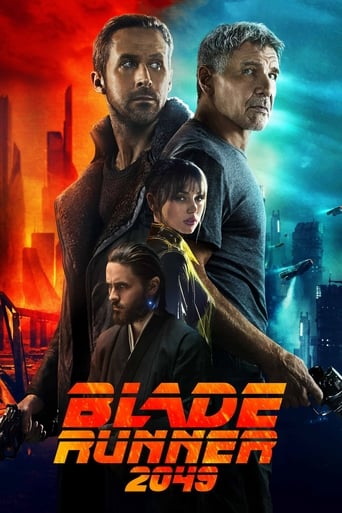
Blade Runner 2049
Tech noir, AI, cyberpunk dystopian LA; thematic and tonal successor to Blade Runner, same peer group.
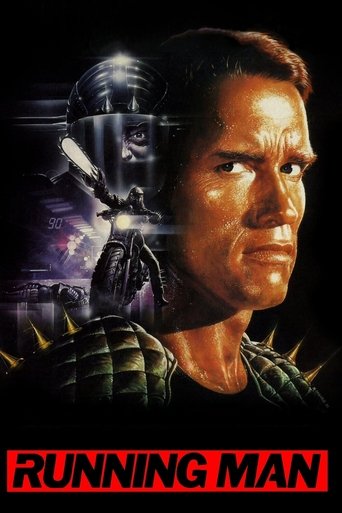
The Running Man
Schwarzenegger, dystopian sci-fi, authoritarian near-future, same era action-sci-fi energy.
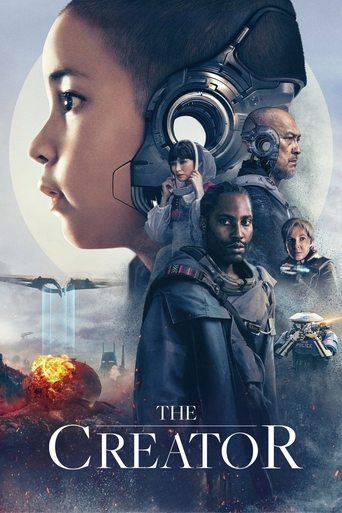
The Creator
War against AI machines, humanoid robots, dystopian near future — direct thematic heir.
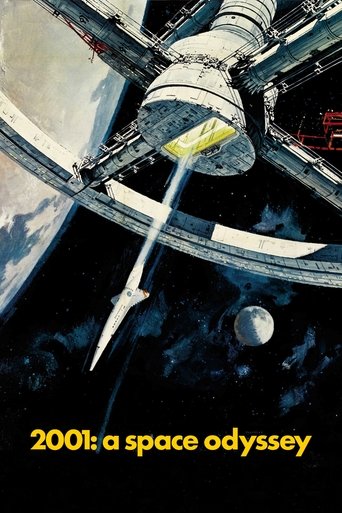
2001: A Space Odyssey
Foundational man vs machine AI narrative; HAL 9000 as precursor archetype to Skynet.
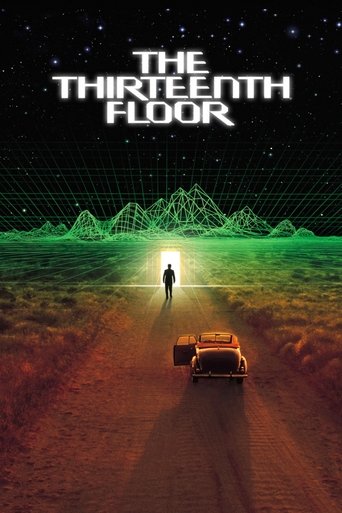
The Thirteenth Floor
LA setting, AI simulation, dystopian near-future; shares cerebral sci-fi thriller DNA.
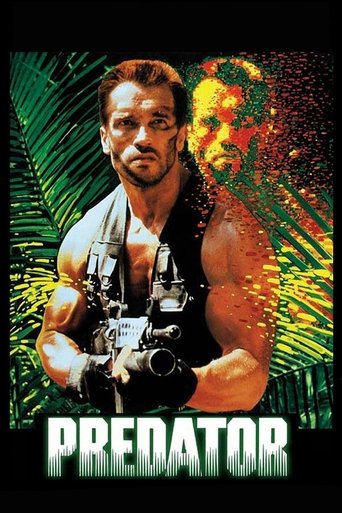
Predator
Schwarzenegger vs near-indestructible unstoppable hunter; same era, same star, same pursued-and-pursuing dynamic.
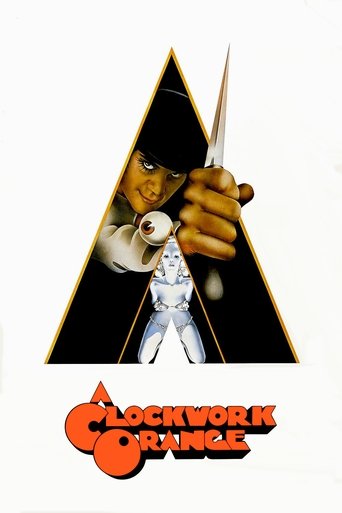
A Clockwork Orange
Near-future dystopian Britain, state control, societal collapse; cousin in bleak sci-fi tradition.
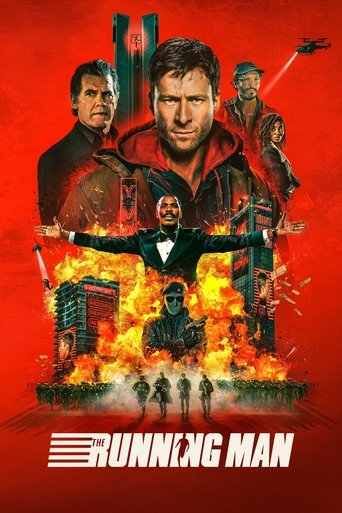
The Running Man
Dystopian sci-fi survival, near-future authoritarian society; thematic cousin to the 1987 version.
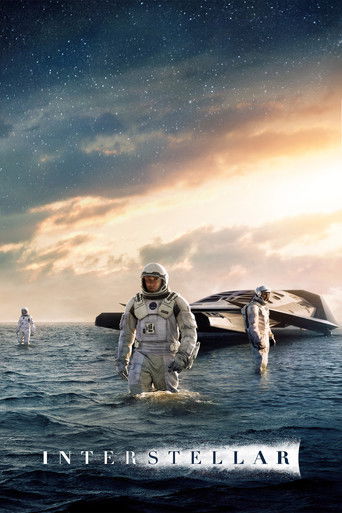
Interstellar
Time paradox, dystopian future, AI companion; looser cousin via shared themes of saving humanity's future.
How Good Is The Terminator?
Ratings across IMDb, Rotten Tomatoes, Metacritic, and TMDB, plus our verdict.
Where to Watch The Terminator
Streaming, rental, and purchase options across 40+ countries.
United States
USStream
5 AMC Plus Apple TV channel
 AMC+ Amazon Channel
 AMC+
AMC+ YouTube TV
 AMC
AMCRent
4 Amazon Video
 Apple TV Store
 Fandango At Home
 Spectrum On Demand
Buy
4Amazon VideoApple TV StoreFandango At Home Barnes & Noble
Available in 89 countries
Frequently asked about The Terminator
Common questions people search for, with answers written by us at MoviesPack.
Why is The Terminator 1984 so good?
The Terminator (1984) blends taut science fiction, relentless action, and horror-style suspense on a modest $6.4 million budget, with James Cameron's lean direction and Brad Fiedel's pulsing synth score giving it a distinctive, unnerving atmosphere. Arnold Schwarzenegger's near-silent, machine-like performance and the time-loop premise centered on Sarah Connor and Kyle Reese turned it into a sleeper hit that grossed over $78 million worldwide and launched a long-running franchise.
Who turned down the role of Terminator?
O. J. Simpson was considered for the role of the Terminator but reportedly passed over because producers felt audiences would not accept him as a believable killer. Lance Henriksen, who instead plays Detective Vukovich in the film, was also an early choice for the part before Arnold Schwarzenegger was cast.
How many Terminator movies are there in order?
There are six theatrical Terminator films in release order: The Terminator (1984), Terminator 2: Judgment Day (1991), Terminator 3: Rise of the Machines (2003), Terminator Salvation (2009), Terminator Genisys (2015), and Terminator: Dark Fate (2019).
What was Sarah Connor diagnosed with?
In Terminator 2: Judgment Day, Sarah Connor is committed to Pescadero State Hospital after being diagnosed with acute schizoaffective disorder, with doctors attributing her warnings about Skynet and Judgment Day to paranoid delusions.
Why does Skynet send the Terminator back to kill Sarah Connor instead of John Connor directly?
By the time Skynet decides to use time travel, John Connor already leads the resistance that is defeating it in the future. Eliminating Sarah Connor in 1984, before John is born, is a simpler strike against a single unprotected target rather than a hardened wartime soldier. Killing the mother erases the son without Skynet needing to locate him during the ongoing war.
How does the time loop work — is it a paradox?
The film presents a closed causal loop: John Connor sends Kyle Reese back in time, Kyle fathers John with Sarah, and John can only exist because Kyle made the trip. Neither man can exist without the other already existing, making the loop self-consistent rather than a true paradox. James Cameron wrote it this way deliberately — there is no original timeline before the loop; the cycle is eternal and each event causes itself.
Why can the Terminator pass through the time displacement field if only living tissue can travel?
Skynet's device requires that anything sent through the field be encased in living organic matter. The T-800's metal endoskeleton is wrapped in lab-grown flesh and skin, satisfying that requirement. Kyle Reese states this rule explicitly in the film, which is also why both time travelers arrive naked and unarmed — no inorganic material can make the journey independently.
What does the ending photograph signify, and how does the loop close around it?
At the end of the film a Mexican boy photographs Sarah at a gas station, producing the exact image Kyle Reese carried in the future — a photo John Connor gave him of his own mother. The photograph is itself part of the closed loop: Kyle fell in love with the image, traveled back, and his presence caused the moment the picture was taken. It reinforces the film's fatalistic logic that every event was always going to unfold exactly as it did.
Is the T-800 capable of feeling anything, or does it only simulate human behavior?
In the original film the T-800 is a purely logical machine; it mimics speech and behavior only as camouflage to locate its target. Once its cover is blown after the police station massacre, it pursues Sarah with total mechanical indifference, showing no hesitation, pain, or mercy. James Cameron conceived it as an 'unstoppable force of nature' with no inner life, deliberately contrasting the more emotionally complex portrayal that would come in later sequels.
Recent Updates
New Teaser: The Terminator
New Trailer: The Terminator
The Terminator now streaming on Pathé Home (FR)
The Terminator now streaming on Amazon Video (FR)
The Terminator now streaming on Rakuten TV (FR)