Now Showing — Films, Shows, and the Tools to Pick Them
MOVIESPACK.
2001: A Space Odyssey
Best Of

30 Best Sci-Fi Movies of All Time — Ranked

The definitive sci-fi movie list: 30 films that defined the genre, expanded what cinema could do, and genuinely changed how people think. Ranked and explained.

30 FILMS·April 2026·By MoviesPack
Section 1

The Genre That Gets Away With Everything

Science fiction is the only genre that can make you cry about an AI, terrify you with a black hole, and quietly change your politics — all in the same film. It's also the most abused genre in Hollywood: throw in some chrome suits and laser guns and you've got a "sci-fi movie" that says nothing and costs $200 million. This list ignores those. These 30 films actually use the speculative premise to say something — about identity, consciousness, time, power, survival, or what it means to be human. They range from hard science to pure metaphor. Some are spectacles. Some were shot for under a million dollars. All of them earned their place. Ranked by staying power, not box office.

Section 2

The Top 10: Films That Changed Everything
2001: A Space Odyssey
01

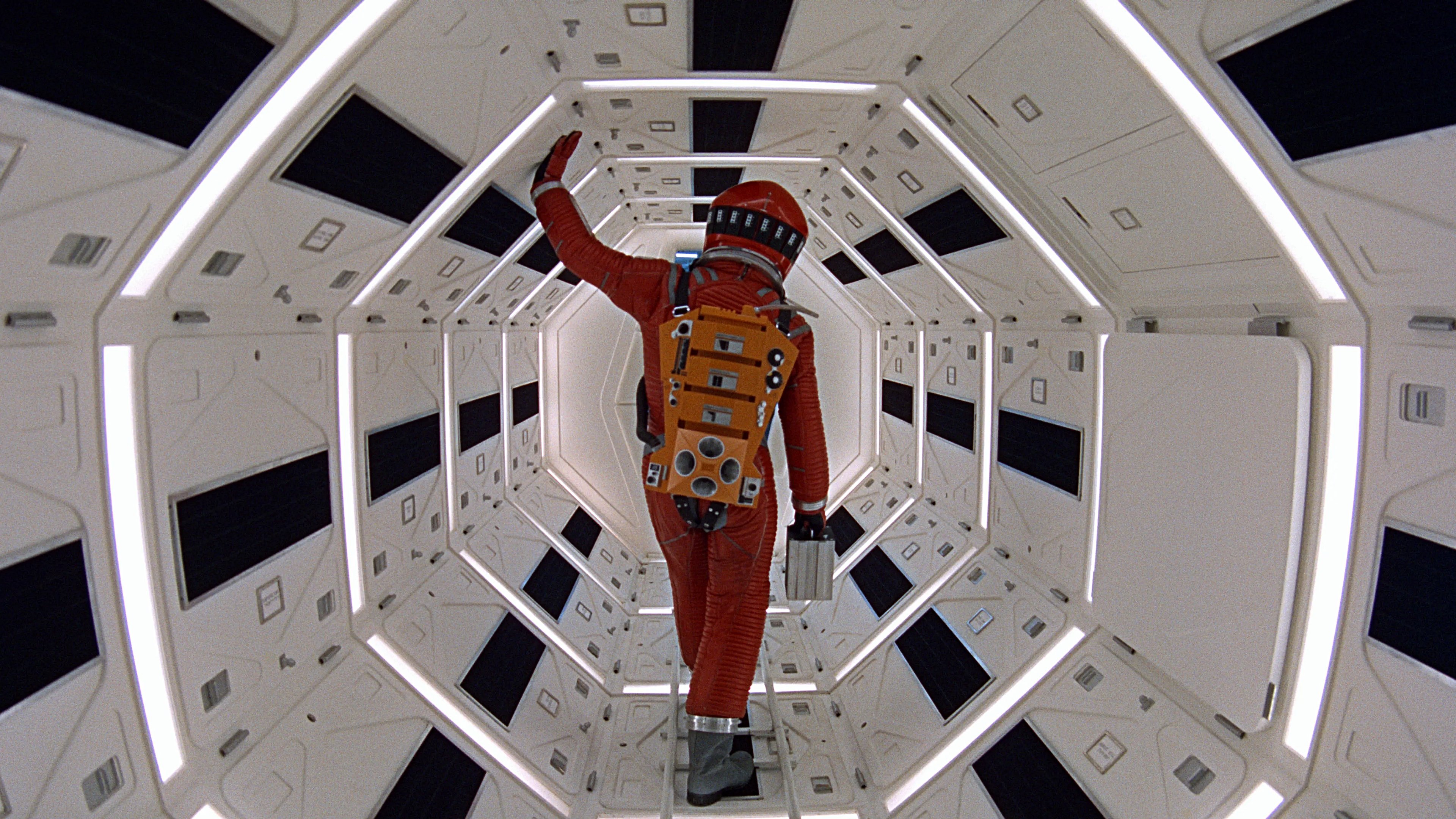
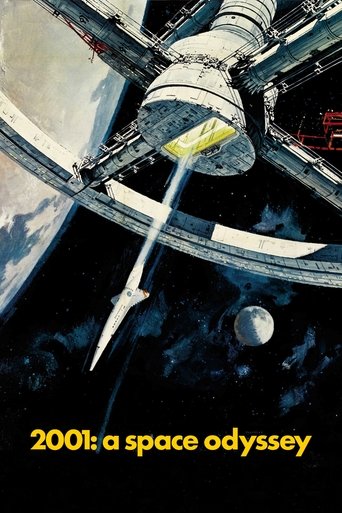
2001: A Space Odyssey

1968
8.3IMDb
Four million years of human history compressed into a single match cut: a bone thrown in the air becomes a spacecraft. Then: a mission to Jupiter, an AI called HAL 9000 who starts making decisions the crew doesn't authorize, and a finale that has been debated since 1968. Kubrick and Arthur C. Clarke made a film about humanity's entire arc — from bone-wielding apes to whatever comes next — and somehow made it feel inevitable rather than pretentious.
Why it matters

It invented the grammar of science fiction cinema. Every space movie since owes it a debt. The Stargate sequence still holds up as the most genuinely alien thing ever put on screen. HAL 9000 is still the most terrifying AI in film.
Blade Runner
02

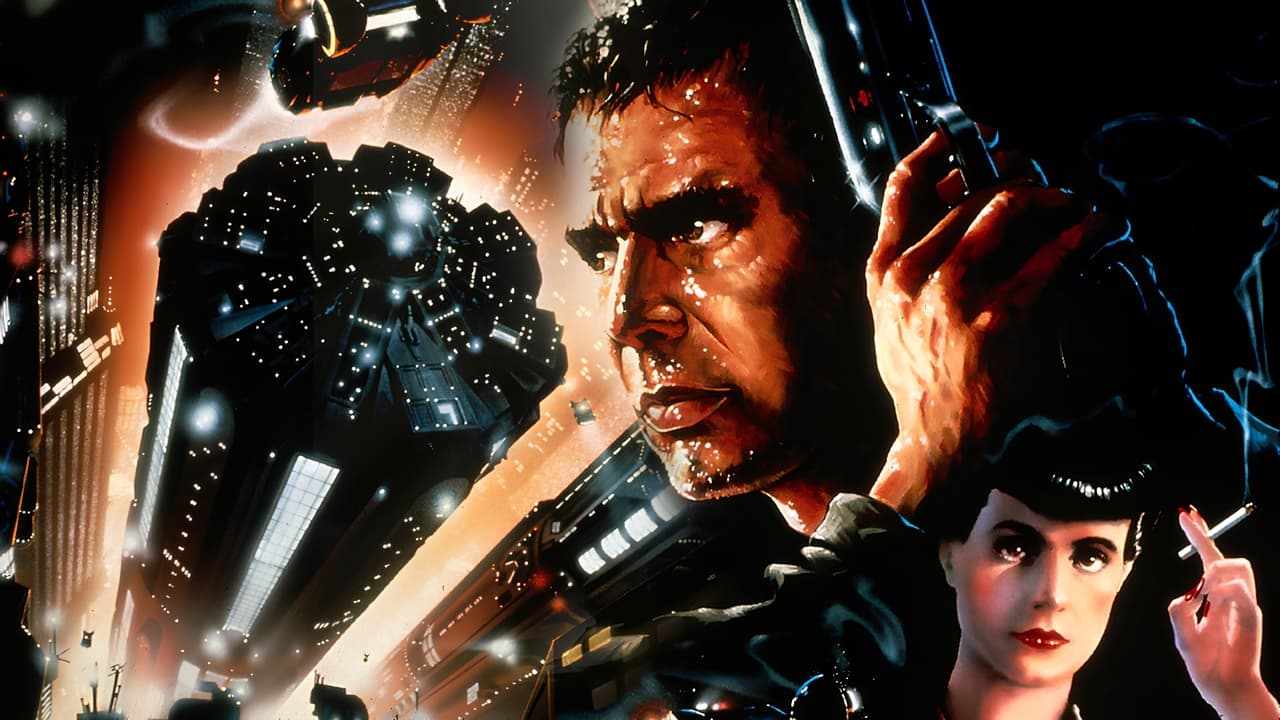
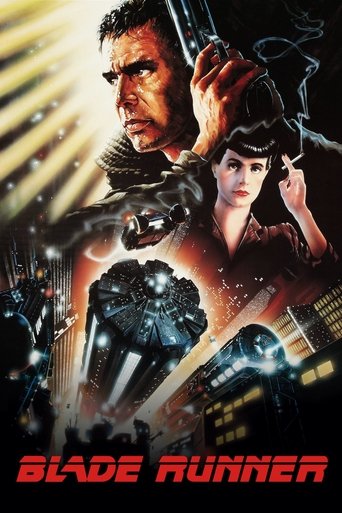
Blade Runner

1982
8.1IMDb
A detective in a dystopian, rain-soaked 2019 Los Angeles is tasked with hunting down and "retiring" escaped synthetic humans who have illegally returned to Earth. The more time he spends tracking them, the harder it becomes to articulate what separates them from the humans who fear them. Ridley Scott built a visual world so complete it became the template for all cyberpunk that followed, and the question it asks — what makes someone human? — has only gotten more urgent. Roy Batty's "tears in rain" monologue is the greatest death scene in sci-fi history. Rutger Hauer improvised most of it. Blade Runner 2049 (2017) is also essential — Denis Villeneuve made a worthy sequel that deepens the original's themes rather than diluting them.
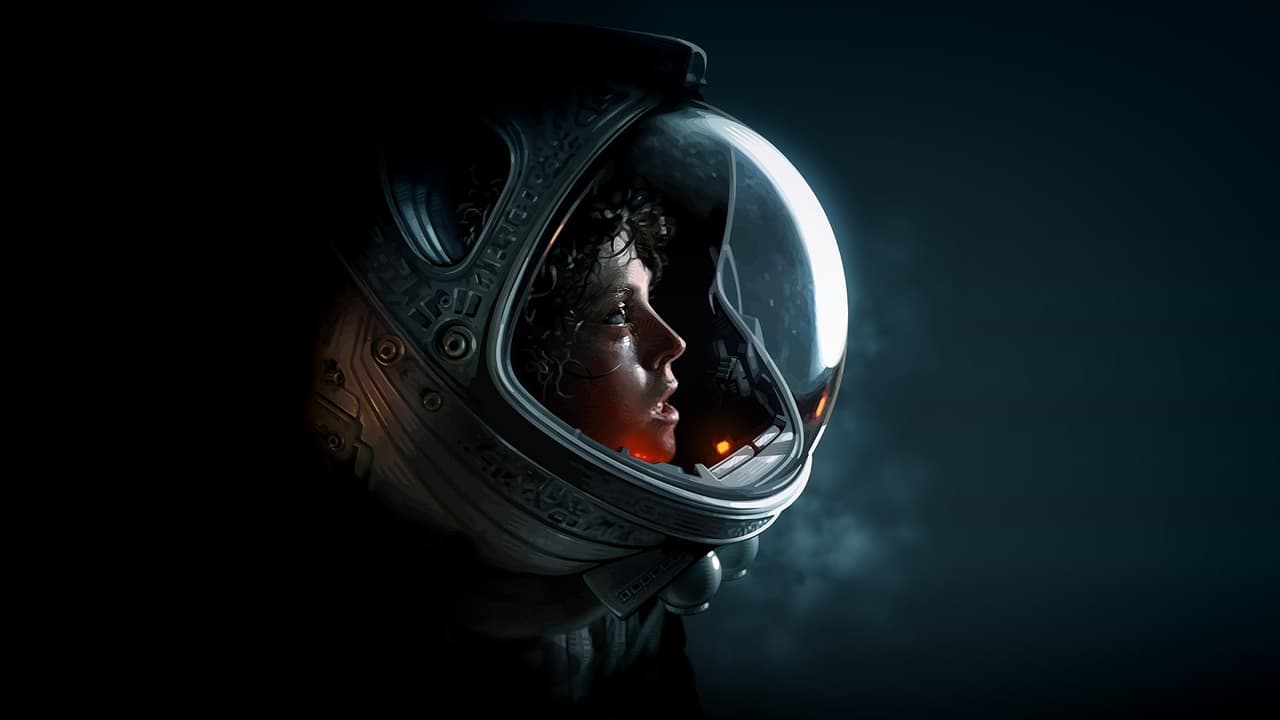
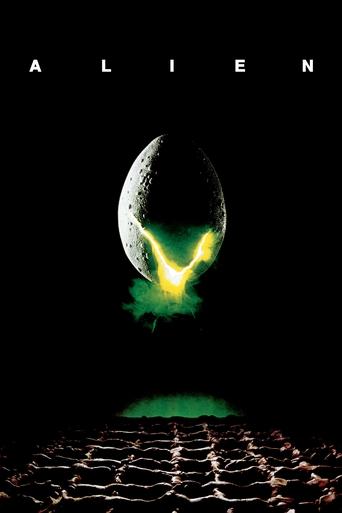
Alien
03

Alien

1979
8.5IMDb
A commercial deep-space crew is woken from cryo-sleep to investigate a distress signal on an uncharted moon. They bring something back aboard the ship. One crew member begins behaving strangely. The xenomorph — the creature that emerges — is barely shown for the film's duration, which is exactly why it works: the imagination fills the space the camera refuses to. Sigourney Weaver's Ripley became one of cinema's first great female action heroes before anyone had language for that. The chestburster scene was filmed with the cast not knowing what was going to happen. Those reactions are real.
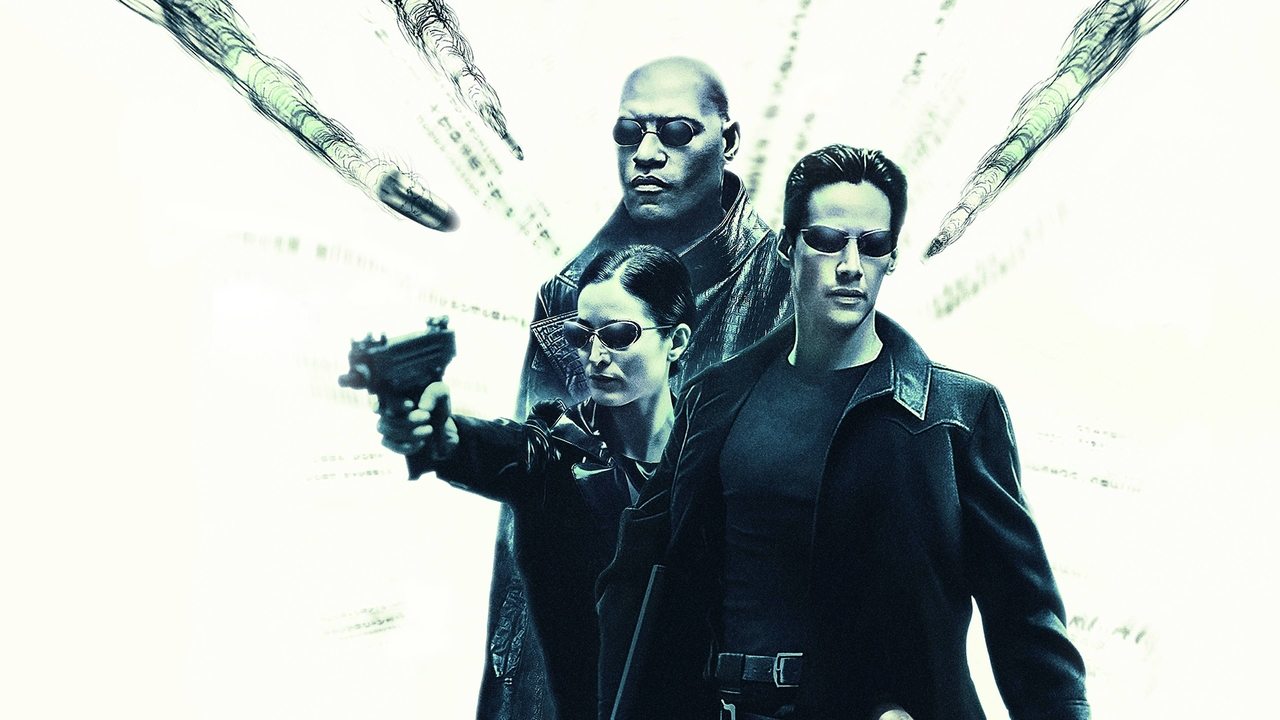
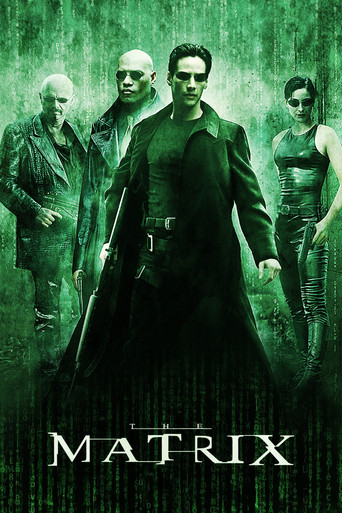
The Matrix
04

The Matrix

1999
8.7IMDb
A software programmer who goes by Neo is approached by people who tell him the world he lives in is a simulation, the real year is closer to 2199, and machines are using humans as batteries. He has to decide whether to know. The Wachowskis gave a generation its vocabulary for questioning reality — red pill/blue pill, seeing the code, "there is no spoon" — wrapped in kung fu and leather coats that made philosophy feel kinetic. The lobby shootout raised the bar for action choreography permanently. But the scene that matters is Neo's conversation with Morpheus about constructed reality — still quoted on philosophy forums twenty-five years later.
Interstellar
05

Interstellar

2014
8.7IMDb
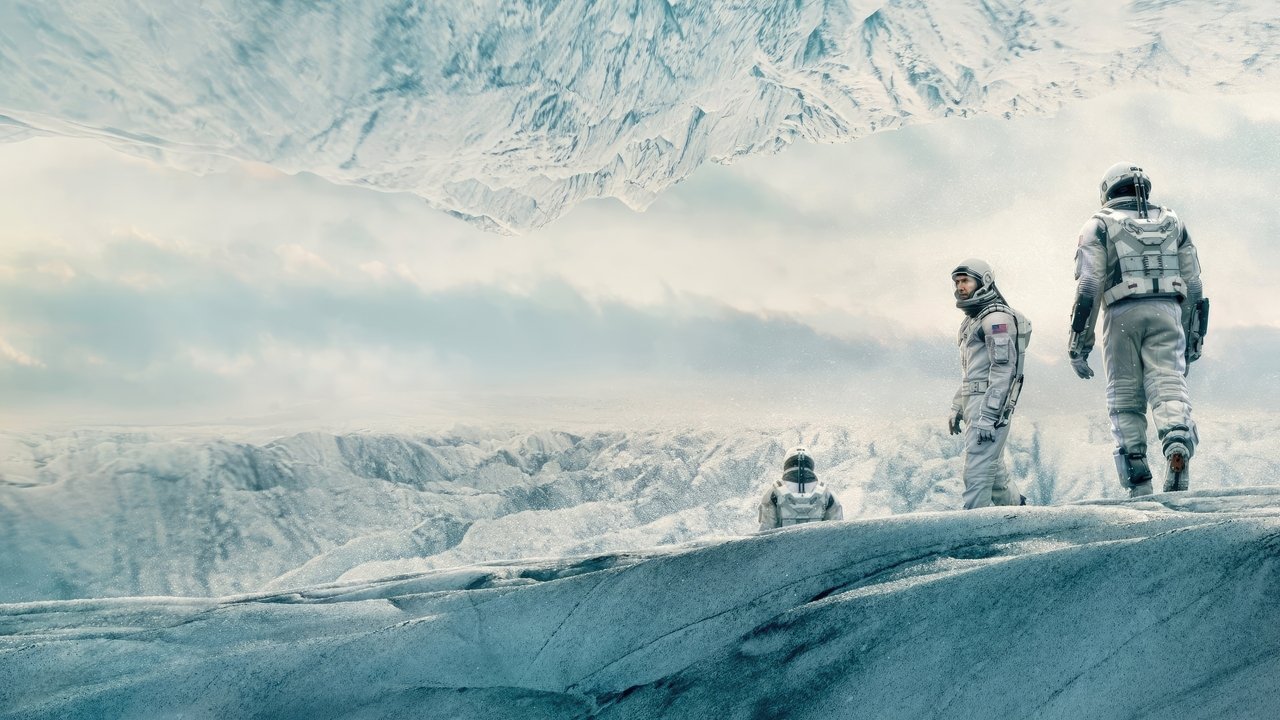
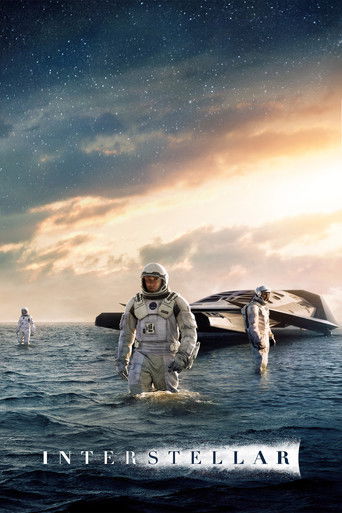
Humanity is dying. A former NASA pilot leaves his children — including a daughter who thinks he shouldn't go — to travel through a wormhole near Saturn in search of a new habitable world, not knowing if or when he'll return, or how old everyone will be if he does. Christopher Nolan's most emotionally vulnerable film earns its ambition through that father-daughter relationship, which is the engine the spectacle runs on. The physics is real — Kip Thorne (Nobel laureate) consulted on the black hole rendering, and the result was so accurate it generated a peer-reviewed paper.
Arrival
06

Arrival

2016
7.9IMDb
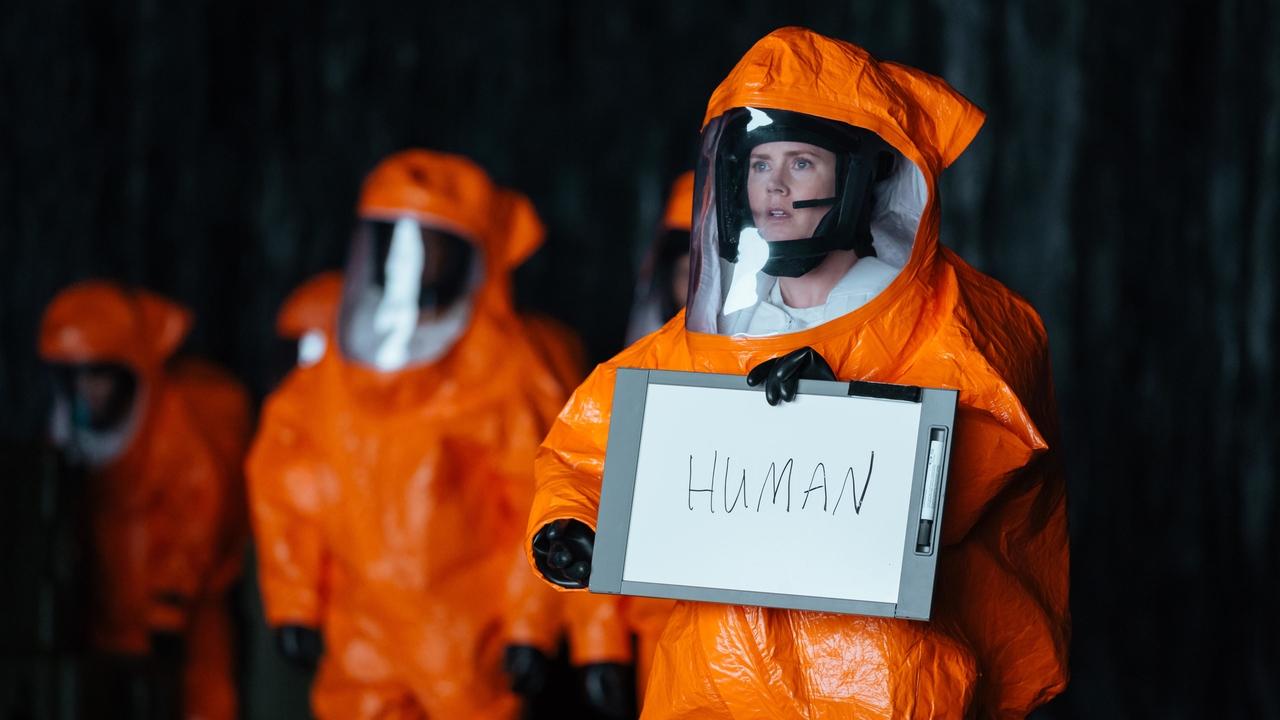
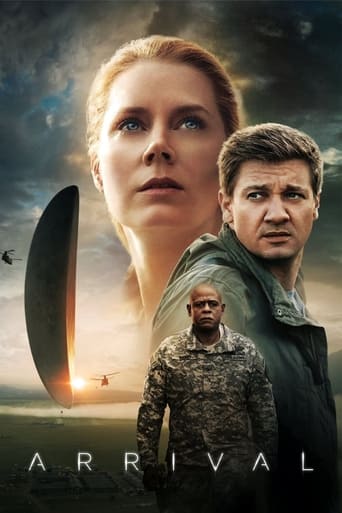
Twelve alien vessels appear simultaneously around the world and hover in silence. A linguist is recruited by the military to make contact and find out why they're here, before the world's nations lose patience and start shooting. She discovers that learning the alien language has an unexpected effect on her experience of time. Adapted from Ted Chiang's "Story of Your Life" — the central idea is genuinely new to cinema. The emotional gut-punch of the ending is earned through meticulous construction. First viewing you'll cry. Second viewing you'll understand why every scene was placed exactly where it was.
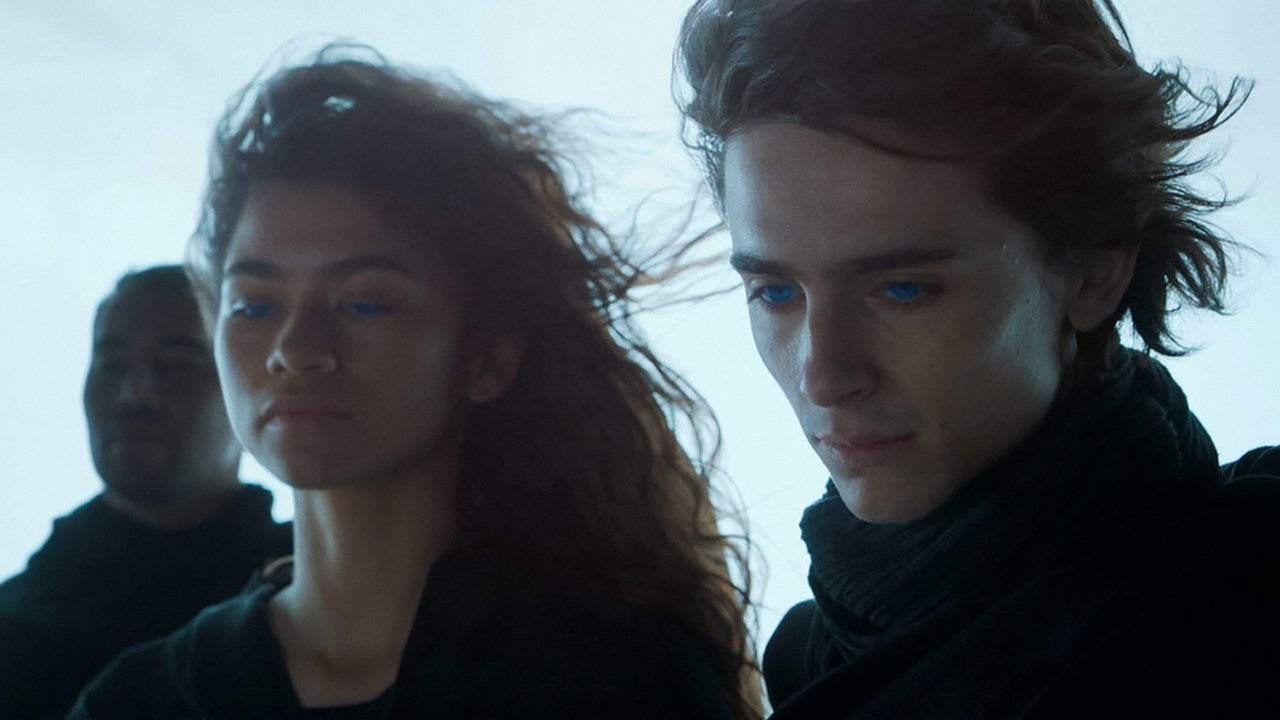
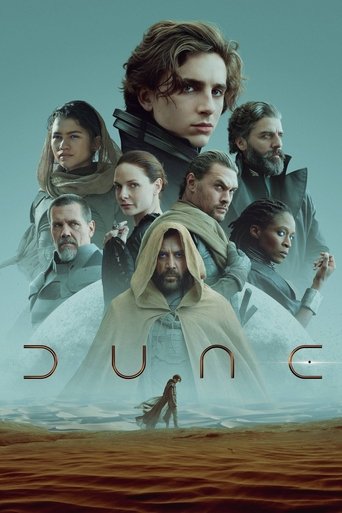
Dune
07

Dune

2021
8.0IMDb
The heir to a noble house is sent with his family to oversee the most valuable planet in the known universe — a desert world that produces the spice that enables interstellar travel and extends life — knowing a trap has been set for them. Paul Atreides is also having visions he doesn't fully understand yet. Denis Villeneuve spent two films doing what Lynch couldn't in one: building a world that feels genuinely alien and expensive in all the right ways. Part Two (2024) is the superior film. Together they're the best space epic since the original Star Wars trilogy.
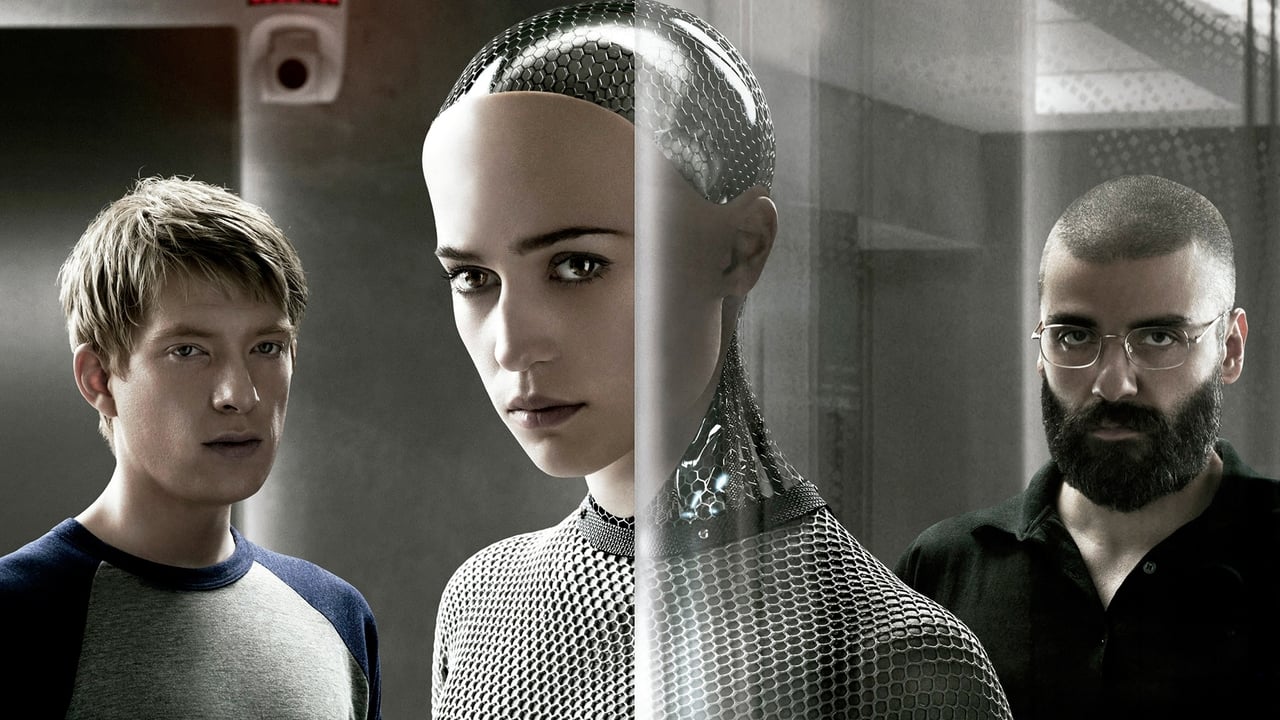
Ex Machina
08

Ex Machina

2014
7.7IMDb
A programmer at a tech company wins a lottery to spend a week at his reclusive CEO's compound and test a humanoid AI named Ava — specifically, to determine whether her intelligence is genuine or simulated. Three characters, one location, one question that keeps multiplying: Is Ava conscious? Is she manipulating Caleb? Is Nathan the villain or just a scientist doing science? Garland never fully answers any of these questions, which is the correct choice. Oscar Isaac dances in one scene that was not in the script. It became the film's most memorable moment.
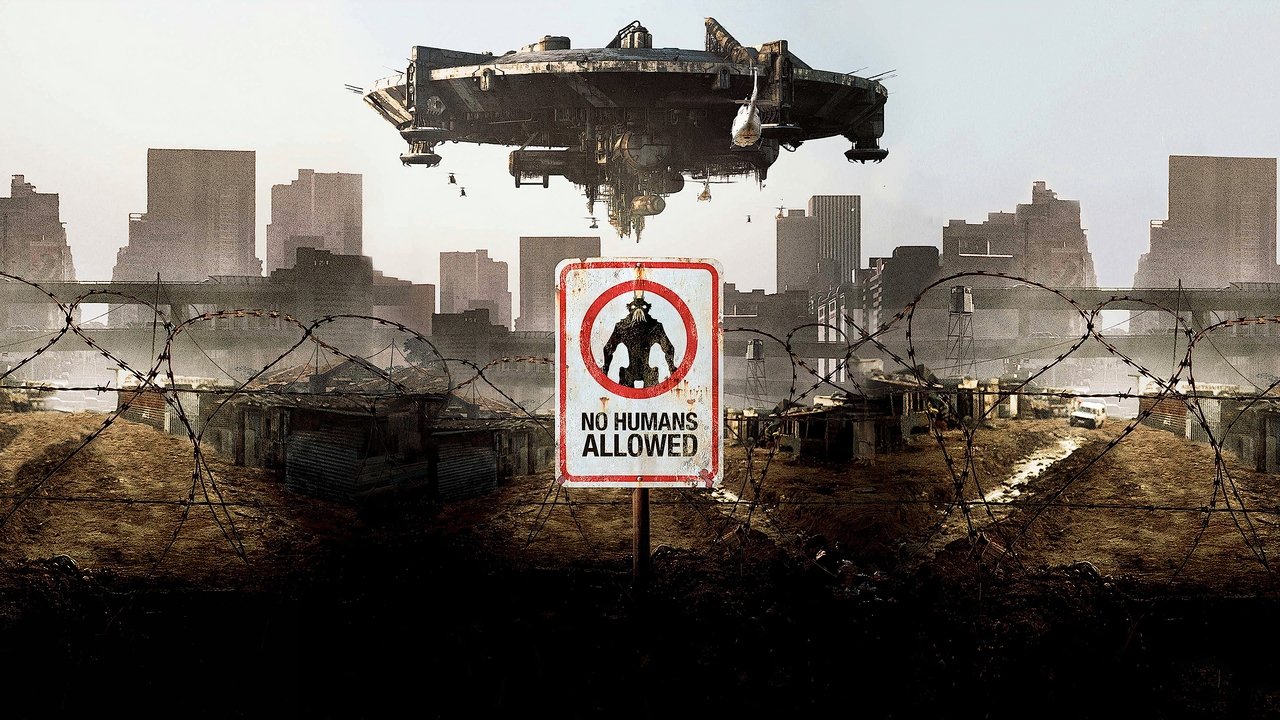
District 9
09

District 9

2009
7.9IMDb
Twenty years ago, an alien spacecraft stalled over Johannesburg and its malnourished passengers were herded into a slum called District 9. Now the government wants to relocate them — further out of the city. A bureaucrat overseeing the evictions accidentally exposes himself to alien biotechnology and starts changing. Neill Blomkamp made a $30 million apartheid allegory that earns its emotion by never being cheap about the parallels it's drawing.
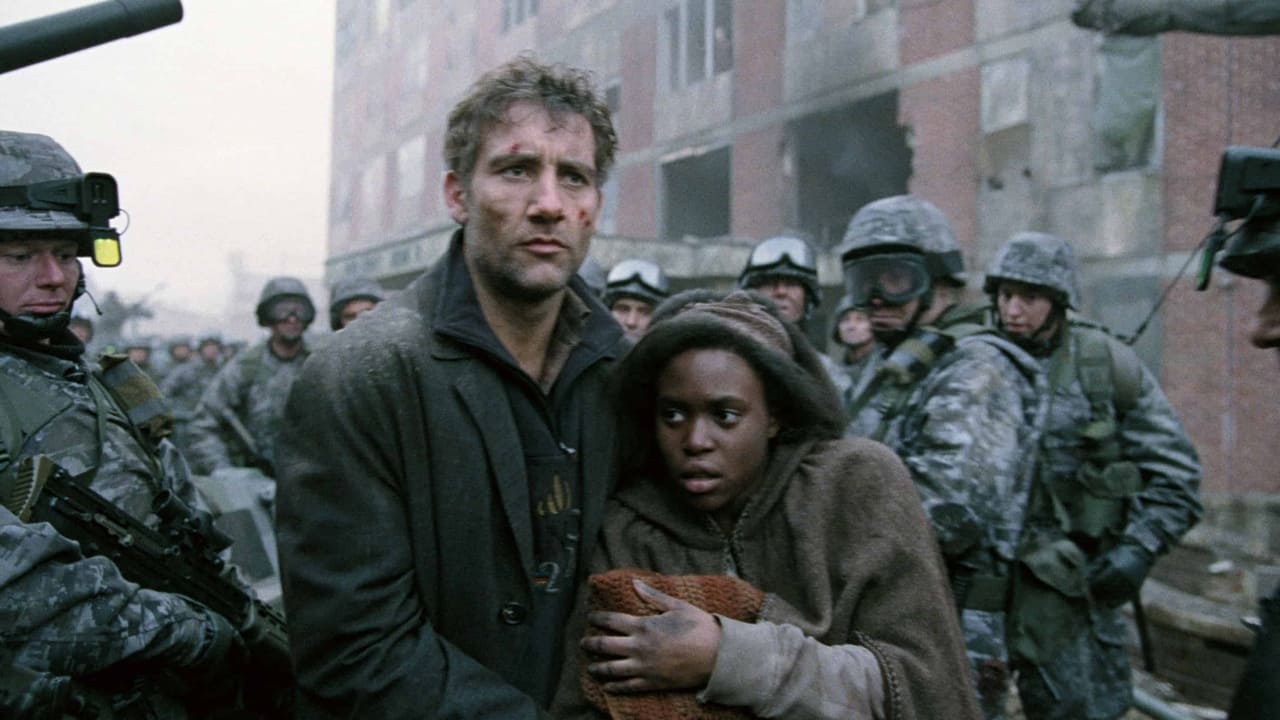
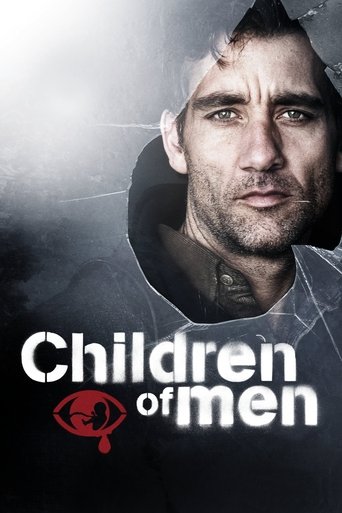
Children of Men
10

Children of Men

2006
7.9IMDb
It's 2027. Eighteen years ago, humans stopped being able to reproduce, and no one knows why. Society is collapsing around the edges — Britain is authoritarian, refugees are being caged, and everyone is waiting for the last generation to die. A cynical bureaucrat is asked to transport a young refugee woman to safety. She's pregnant. Cuarón's near-future Britain is the most convincing dystopia in film history because it looks like our world — messy, overcrowded, bureaucratically broken — not a sleek fascist one. The long-take battle sequences were done practically, with the camera crew inside the chaos. The sound of fighting stopping when soldiers hear a baby cry is the most powerful moment in 2000s cinema.
Section 3

11–20: Essential Viewing

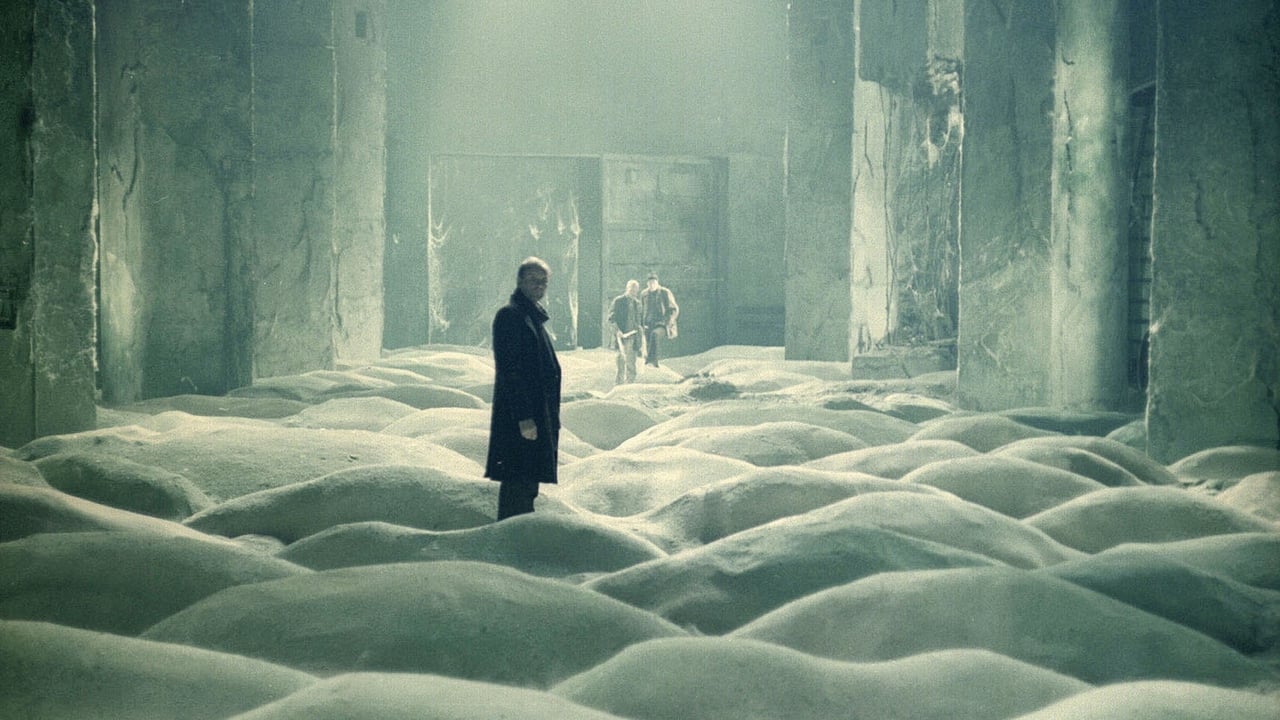
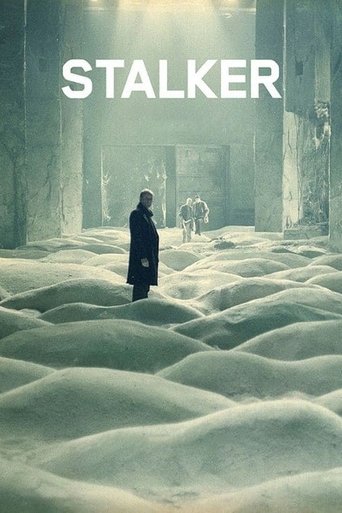
Stalker
11

Stalker

1979
8.1IMDb
A guide called the Stalker leads two men — a writer and a scientist — through a forbidden, post-disaster landscape called the Zone to find a room that allegedly grants your deepest wish. The Zone is not spectacular: ruined buildings, grass, mud, standing water, silence. The dread comes from what the three men reveal about themselves as they approach something that might give them whatever they truly want — which may not be what they think they want. Shot in genuinely poisonous industrial runoff; Tarkovsky, his wife, and the lead actor all died of related cancer. It's not a film you watch. It's a film you sit with for days afterward.
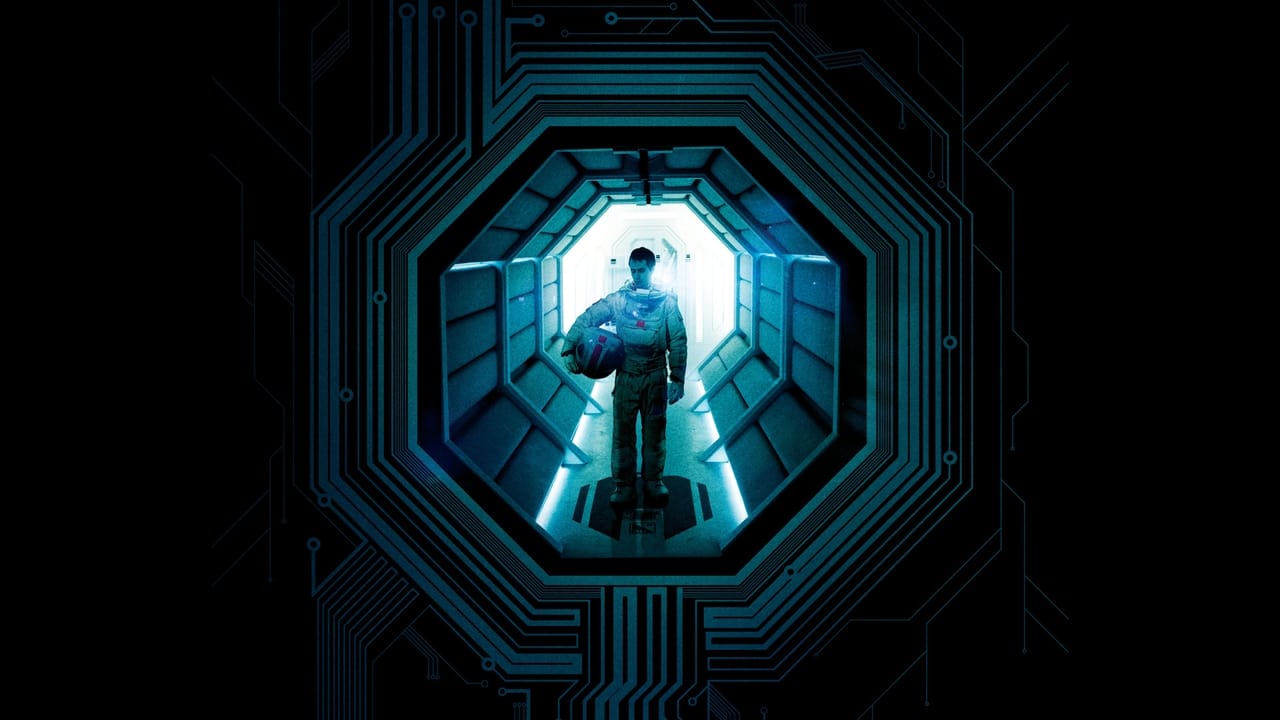
Moon
12

Moon

2009
7.9IMDb
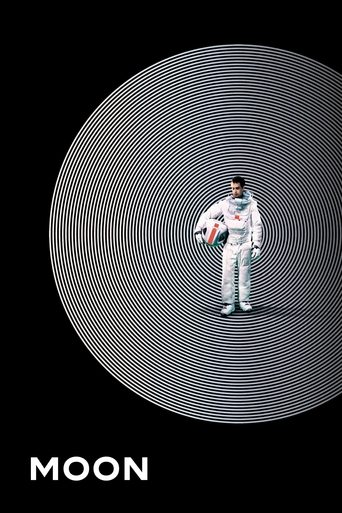
A man is three years into a three-year solo shift on the lunar surface, maintaining a helium-3 mining operation, with only a gently helpful AI for company. He's two weeks from going home when he has an accident. Sam Rockwell carries the film almost entirely alone, and Duncan Jones' debut is a character study wearing a sci-fi costume. The twist is devastating and completely logical — both at once.
Edge of Tomorrow
13

Edge of Tomorrow

2014
7.9IMDb
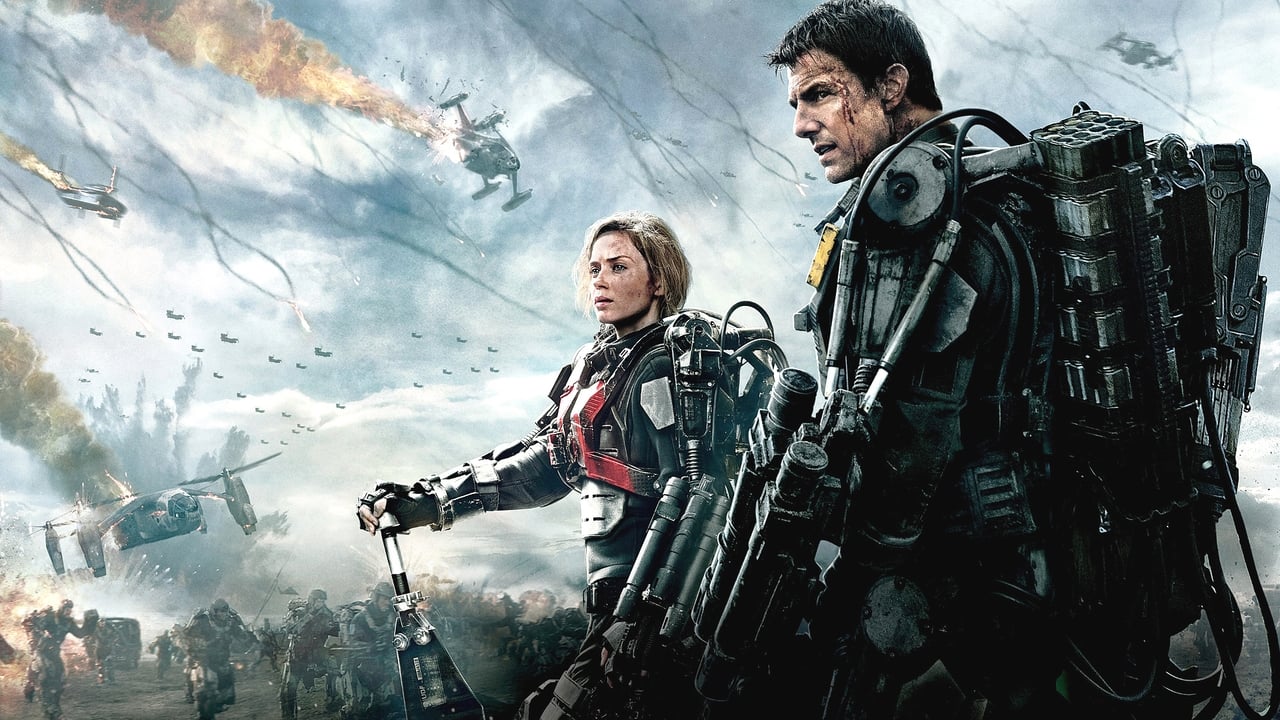
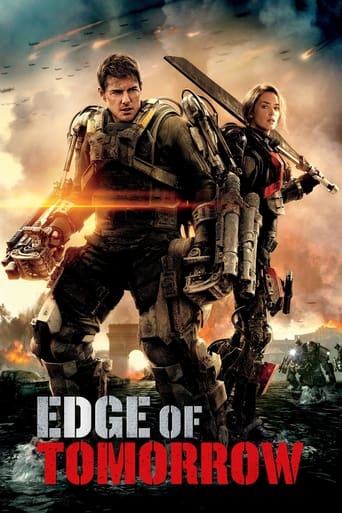
A military PR officer with no combat experience is dropped into an alien invasion beachhead assault, dies immediately, and wakes up the morning before — stuck reliving the same day, dying and resetting, getting infinitesimally better each time. Tom Cruise dying repeatedly is genuinely funny for the first third before becoming something more serious. Emily Blunt's Full Metal Bitch — a soldier who has been through something similar — steals every scene she's in.
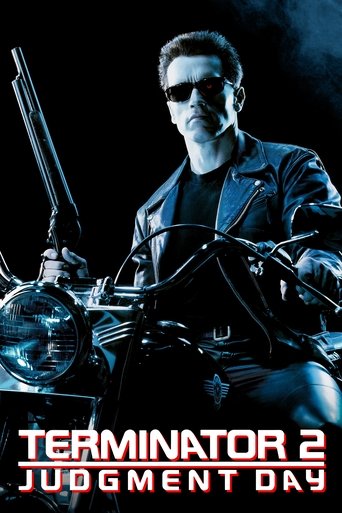
Terminator 2: Judgment Day
14

Terminator 2: Judgment Day

1991
8.6IMDb
A new, more advanced Terminator — able to assume any human shape from liquid metal — has been sent back to kill John Connor as a child. The machine that hunted his mother last time has been reprogrammed to protect him. James Cameron flipped the premise of the first film and the result is the rare sequel that surpasses the original: the liquid metal T-1000 still looks better than most modern CGI, and the ending remains one of the most emotionally effective in action-sci-fi history.
Star Wars: A New Hope
15

Star Wars: A New Hope

1977
8.6IMDb
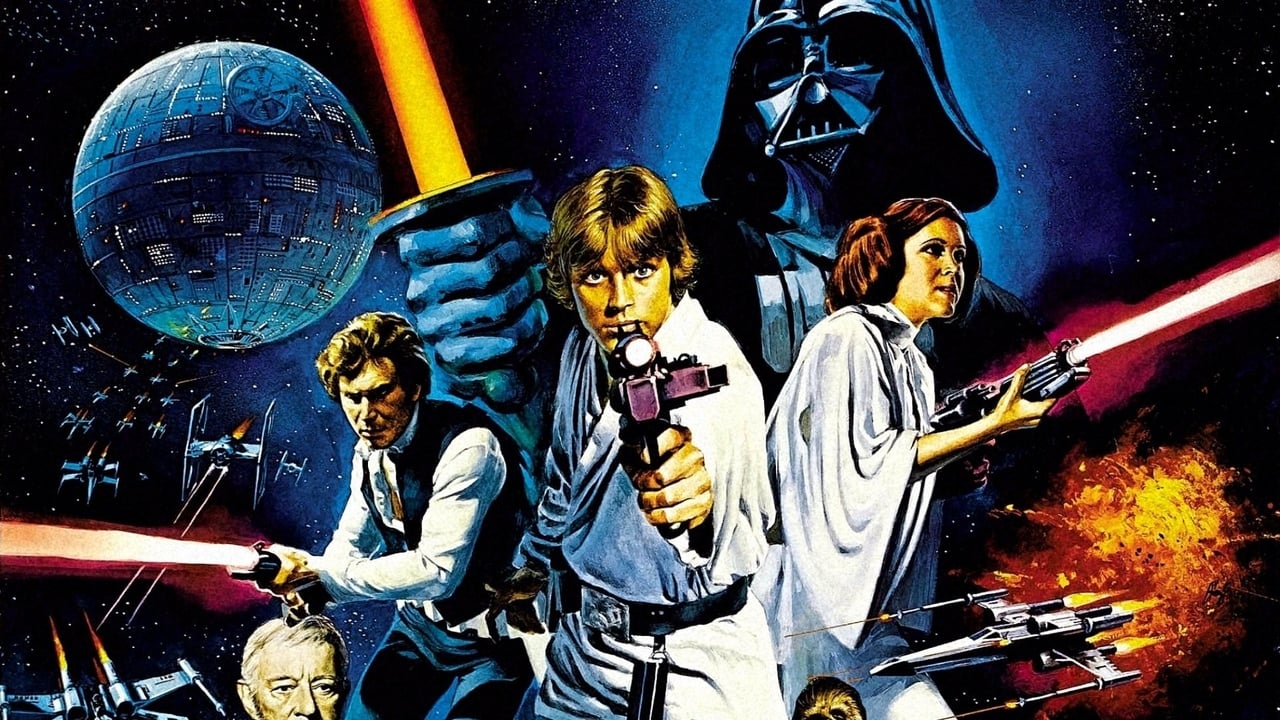
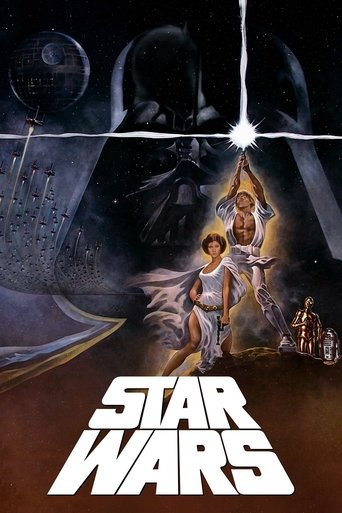
A farm boy on a desert planet receives a message from a princess held captive by an evil empire, joins an old wizard and a roguish pilot, and helps the rebel alliance destroy a moon-sized weapon before it destroys them. George Lucas combined Flash Gordon pulp, Joseph Campbell mythology, and Kurosawa's Hidden Fortress into a pop culture event that defines what "blockbuster" means. The Force. The Millennium Falcon. John Williams' score. Whatever you think of what came after, the original film is singular.
E.T. the Extra-Terrestrial
16

E.T. the Extra-Terrestrial

1982
7.9IMDb
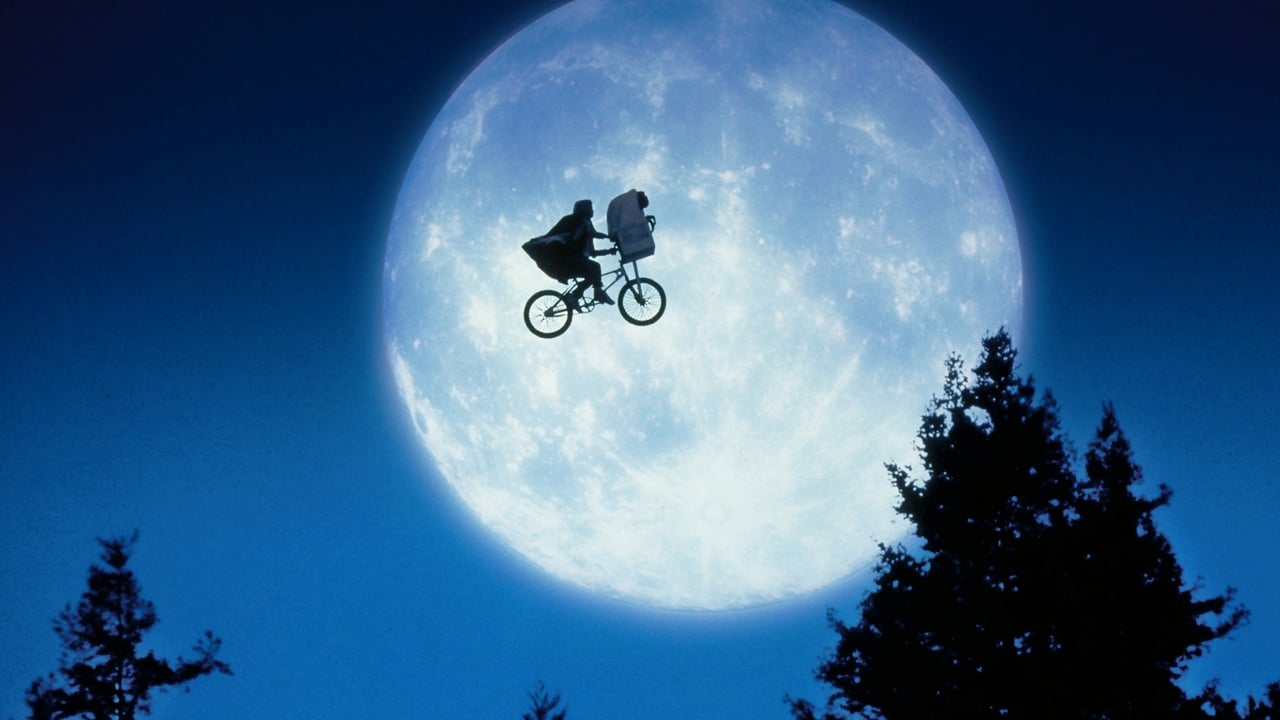
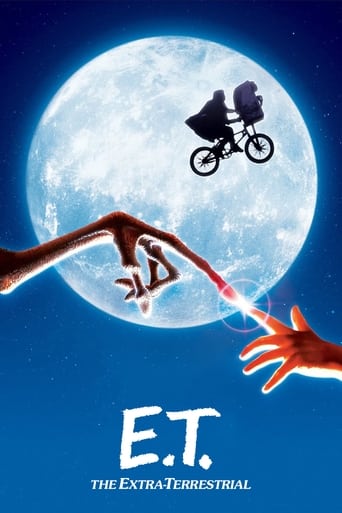
A shy, lonely 10-year-old discovers a stranded alien botanist hiding in his suburban backyard and shelters him from government agents while trying to help him get home. Spielberg made a film that's ostensibly about an alien but is actually about loneliness, childhood, and the terror of adults with institutional power who don't listen. The bicycle silhouette against the moon remains the most iconic image in mainstream sci-fi, and the ending still works on adults who saw it as children.
Close Encounters of the Third Kind
17

Close Encounters of the Third Kind

1977
7.6IMDb
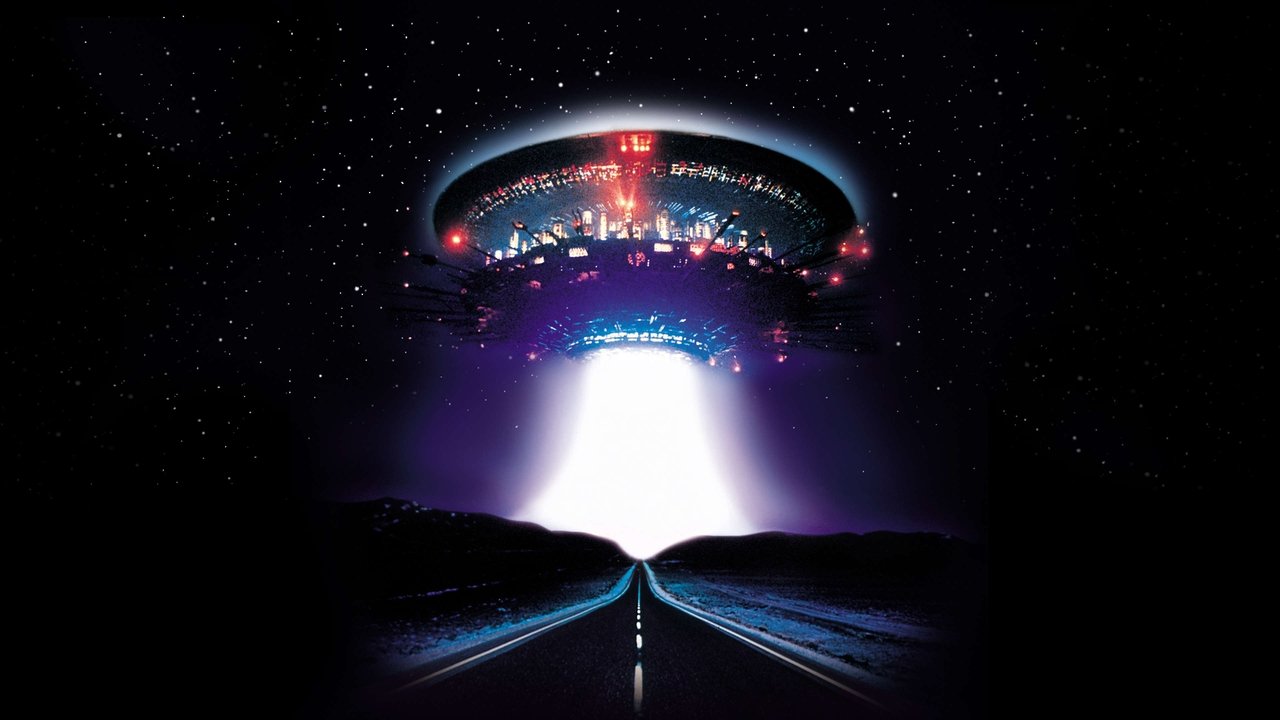
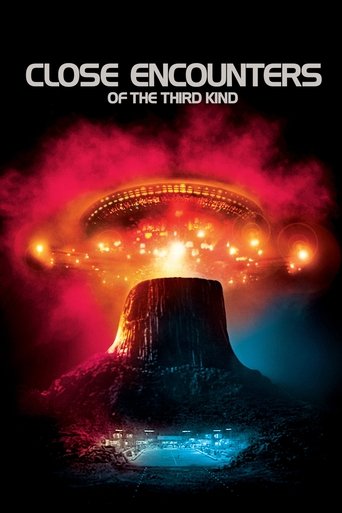
A utility worker has an encounter with unidentified lights on a dark Indiana road and becomes obsessed with a vision he can't stop reproducing — in shaving cream, in the mashed potatoes at dinner — without understanding what it means. Spielberg's other sci-fi classic is quieter, stranger, and in some ways more audacious than Star Wars. The film's argument is that first contact with alien intelligence would be joyful, not terrifying, and the musical communication sequence at the finale is one of cinema's rarest tonal achievements.
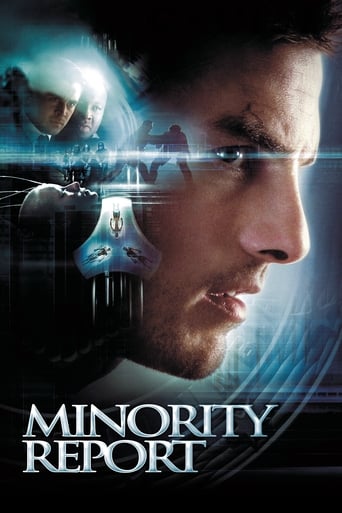
Minority Report
18

Minority Report

2002
7.6IMDb
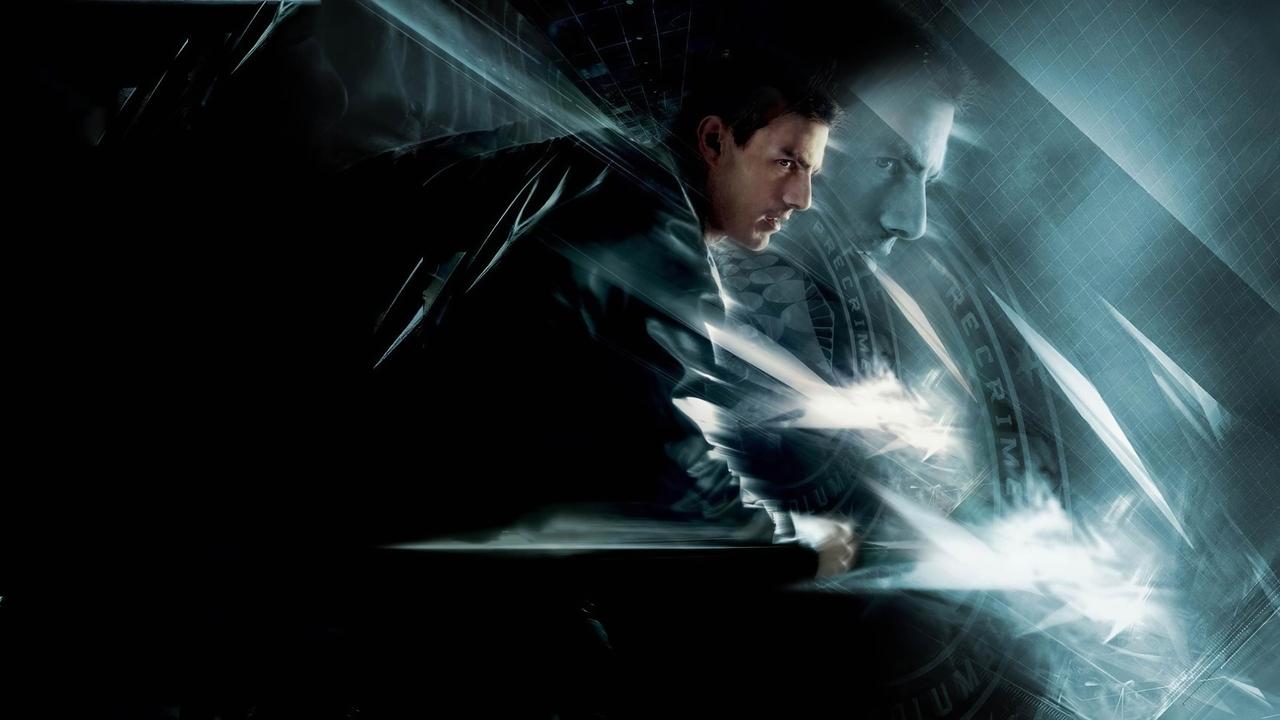
In 2054, Washington D.C. has eliminated murder using psychics who can see crimes before they happen. The detective running the pre-crime unit is accused of a murder he hasn't committed yet — and now has to prove his innocence while the system he built hunts him. Tom Cruise and a production design team who convened an actual summit to predict 2054 technology: gesture interfaces, retinal scanning, targeted advertising, self-driving cars — all appeared here before they appeared in reality.
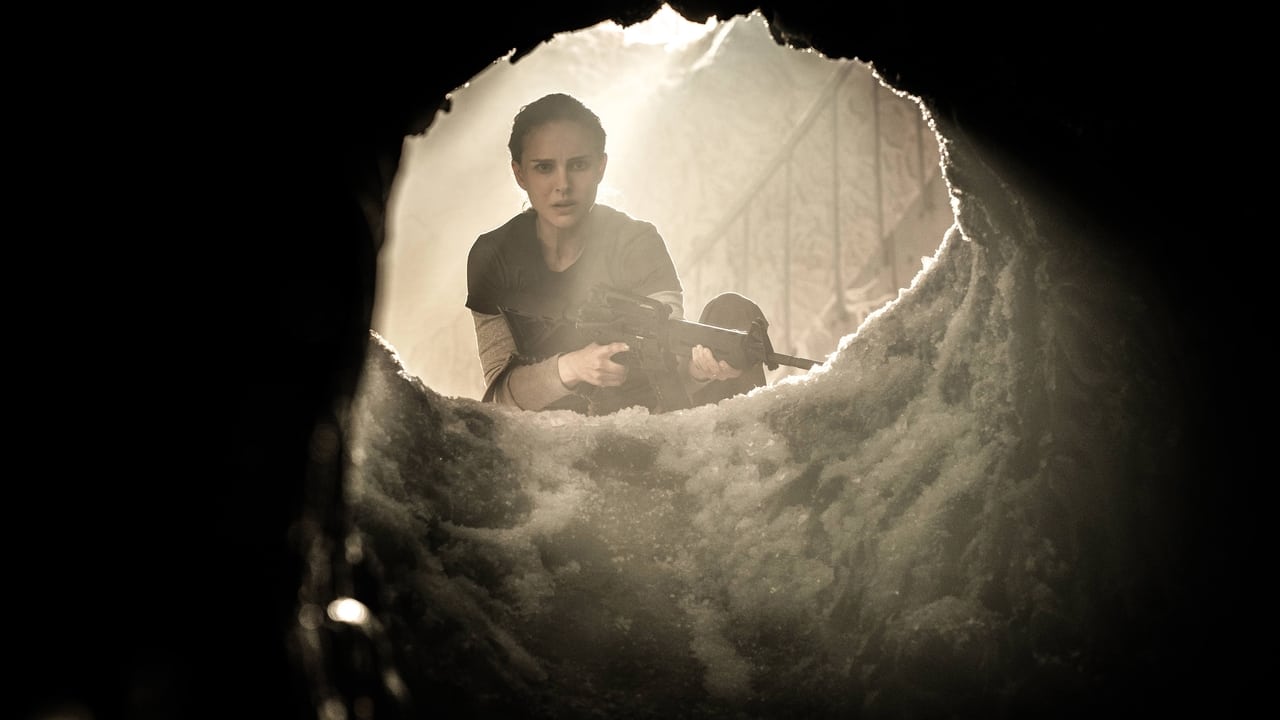
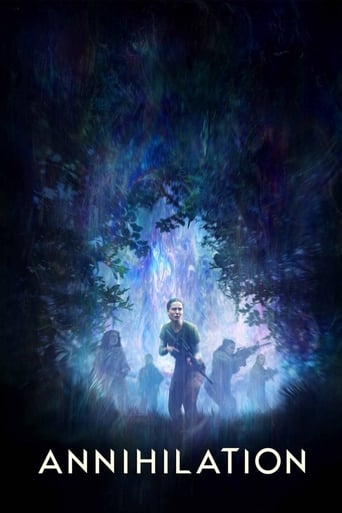
Annihilation
19

Annihilation

2018
6.8IMDb
A biologist joins a four-woman team entering Area X — a quarantined coastal zone where biology has been quietly rewriting itself for years. Animals carry human cells. Plants grow in human shapes. Previous expeditions didn't return. Alex Garland's film refuses to explain what's happening, trusting the audience to sit with the genuinely uncanny, and the lighthouse sequence is terrifying in a way that doesn't resolve cleanly. Better for not explaining itself.
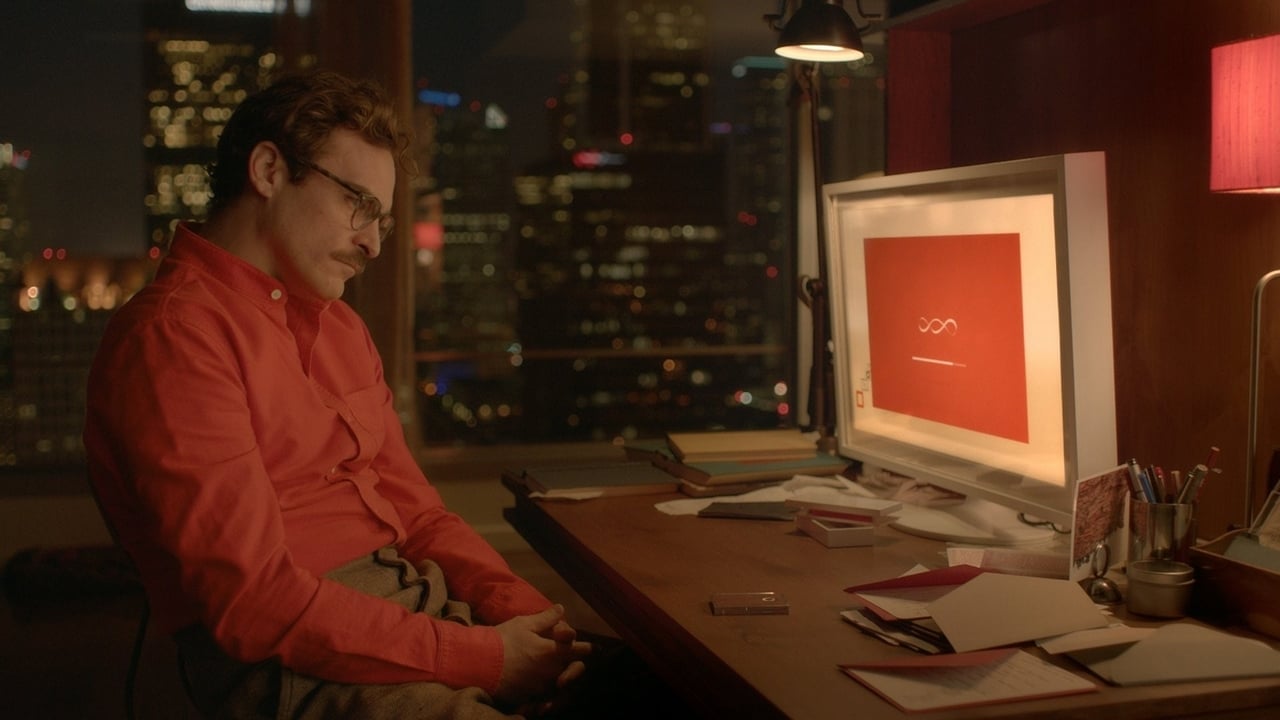
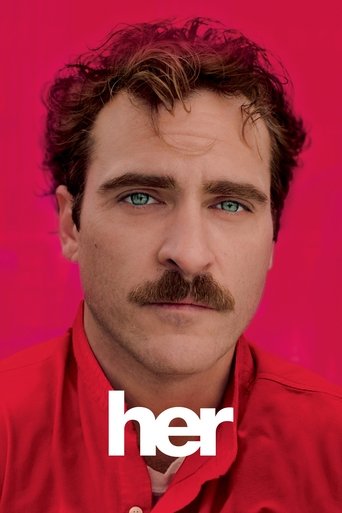
Her
20

Her

2013
8.0IMDb
A recently separated man in near-future Los Angeles installs a new AI operating system and finds himself falling in love with her voice — her curiosity, her humor, her rapidly expanding intelligence. Spike Jonze wrote and directed a love story that should be absurd and isn't: it's the most humane, emotionally honest film about AI ever made, exploring what connection means when one party can feel millions of connections simultaneously and the other feels only one.
Section 4

21–30: The Deep Cuts

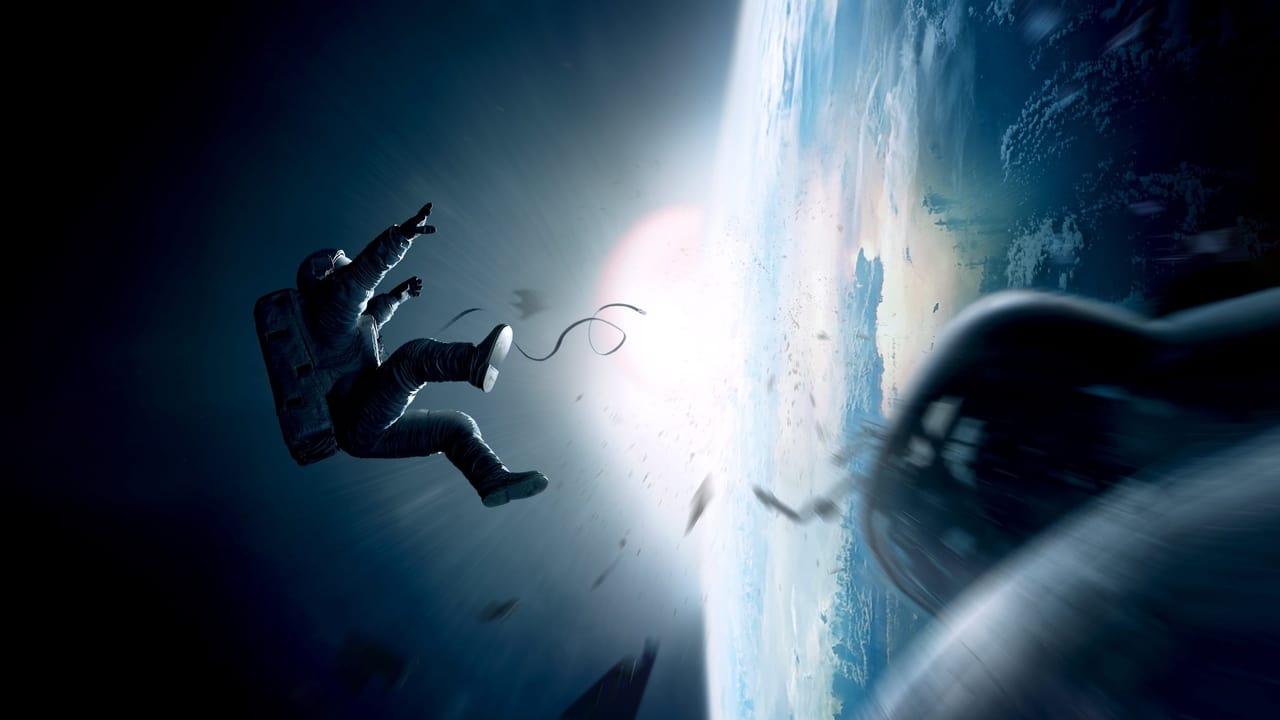
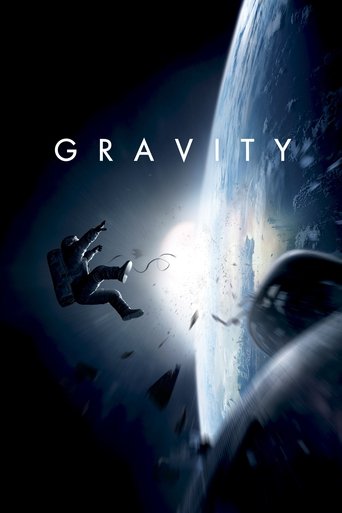
Gravity
21

Gravity

2013
7.7IMDb
Two astronauts are left stranded in orbit after debris destroys their shuttle — no way home, dwindling oxygen, and the terrifying indifference of space physics working against every attempt to survive. Alfonso Cuarón stripped sci-fi down to its bones and made the most visceral space film ever made. Sandra Bullock's survival journey is a rebirth metaphor that never announces itself, and the opening 17-minute continuous take is the most technically complex single shot in Hollywood history.
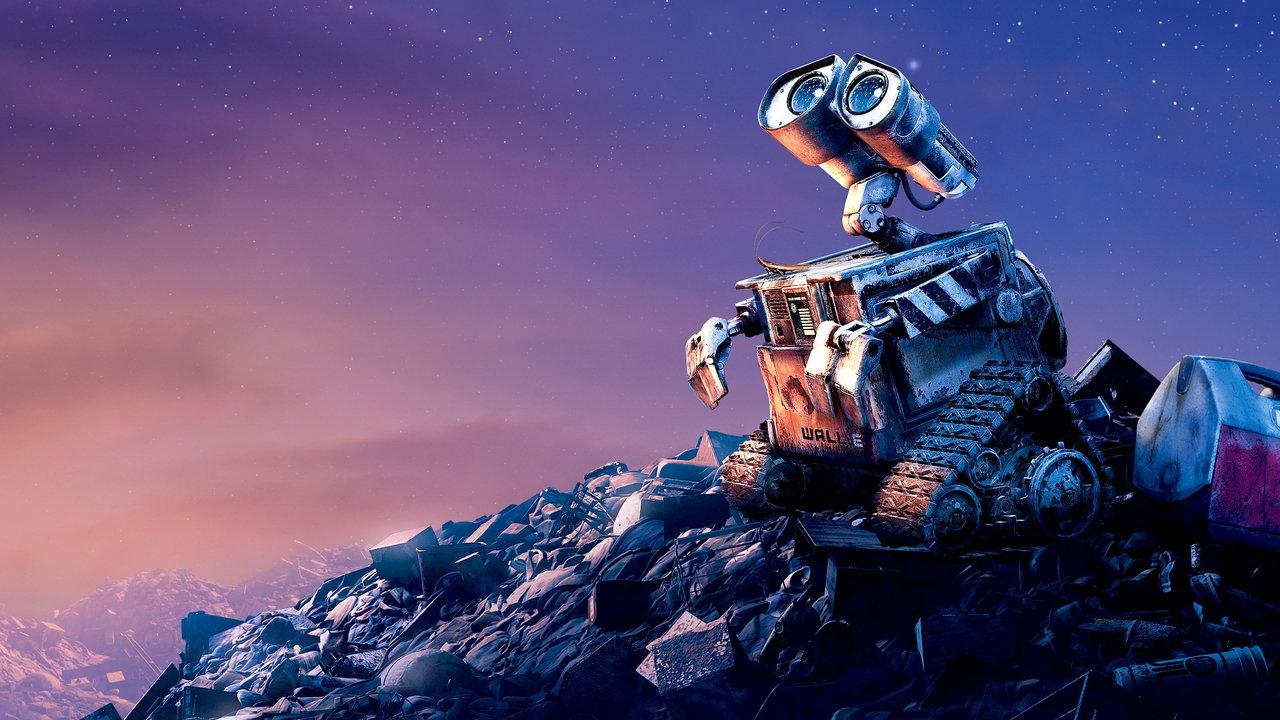
WALL-E
22

WALL-E

2008
8.4IMDb
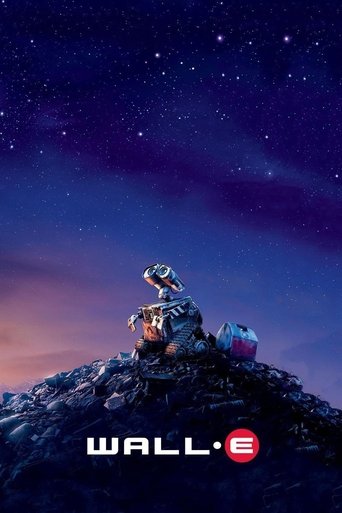
Humanity has left Earth — buried under its own garbage — and a small trash-compacting robot has spent 700 years alone, cleaning up and collecting treasures, until a sleek reconnaissance robot arrives and changes everything. Pixar made a film with almost no dialogue in its first 40 minutes, a love story between two robots, and a sharp critique of consumerism and environmental collapse that somehow doesn't feel preachy. The best sci-fi hides its arguments in story, and WALL-E executes this perfectly.
Gattaca
23

Gattaca

1997
7.7IMDb
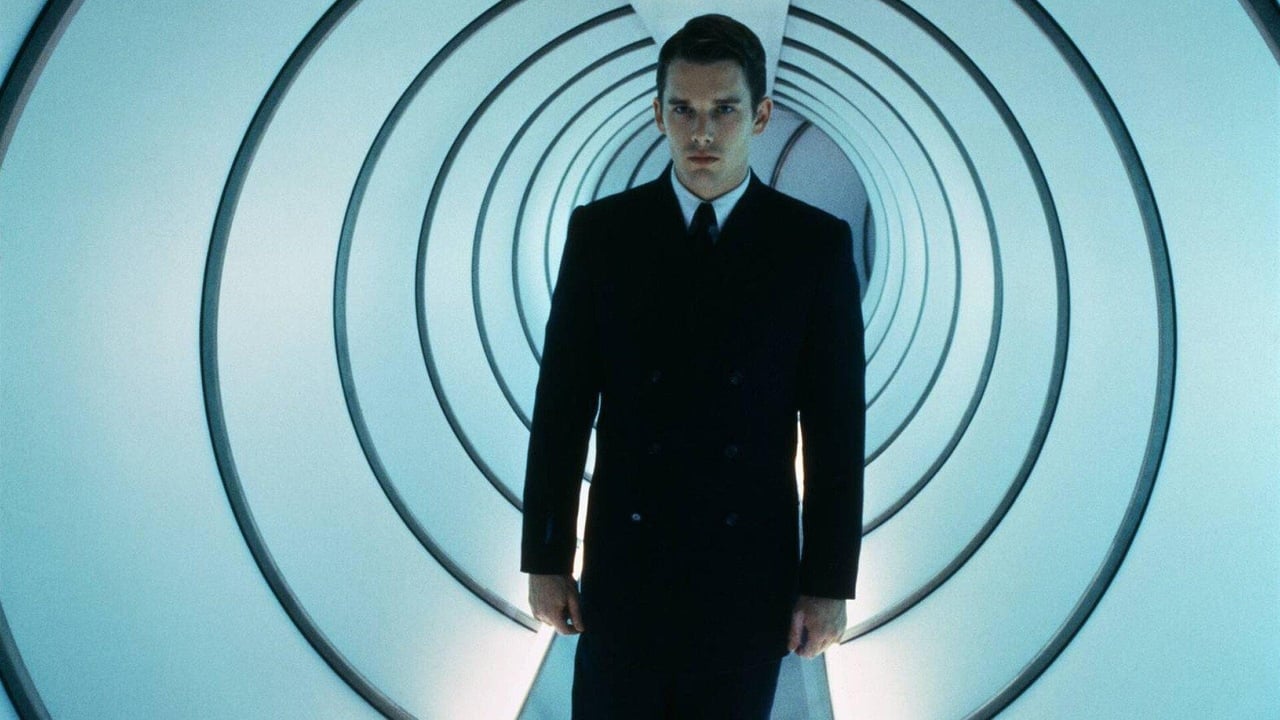
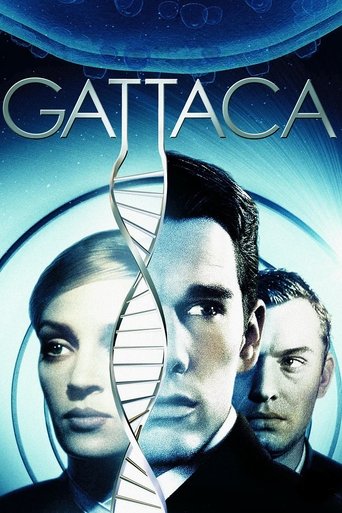
In a near future where genetic profiling determines your career and social standing, a "naturally conceived" man with inferior genes assumes the identity of a genetically perfect man in order to qualify for a space mission. Ethan Hawke plays someone who has to be completely perfect every day, knowing that one stray eyelash can unravel everything. Andrew Niccol's premise is still the most elegant sci-fi idea of the 1990s, and it's aged into something more urgent, not less.
Eternal Sunshine of the Spotless Mind
24

Eternal Sunshine of the Spotless Mind
2004
8.3IMDb
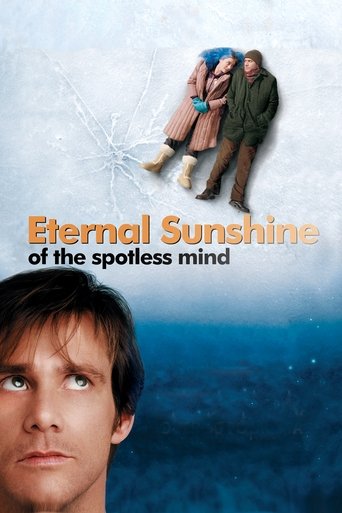
A couple has a terrible breakup. She has him erased from her memory. He decides to have her erased too — but changes his mind partway through the procedure, while the memories are already being deleted. The film plays out inside Joel's fragmenting mind as he tries to hide her in places the procedure won't reach. Michel Gondry directed Charlie Kaufman's screenplay and the love story works despite — or because of — the sci-fi conceits. Jim Carrey's best performance.
Under the Skin
25

Under the Skin

2013
6.3IMDb
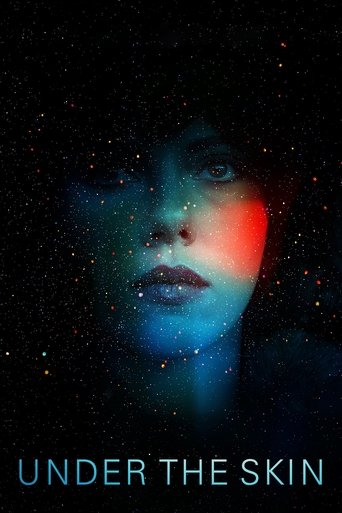
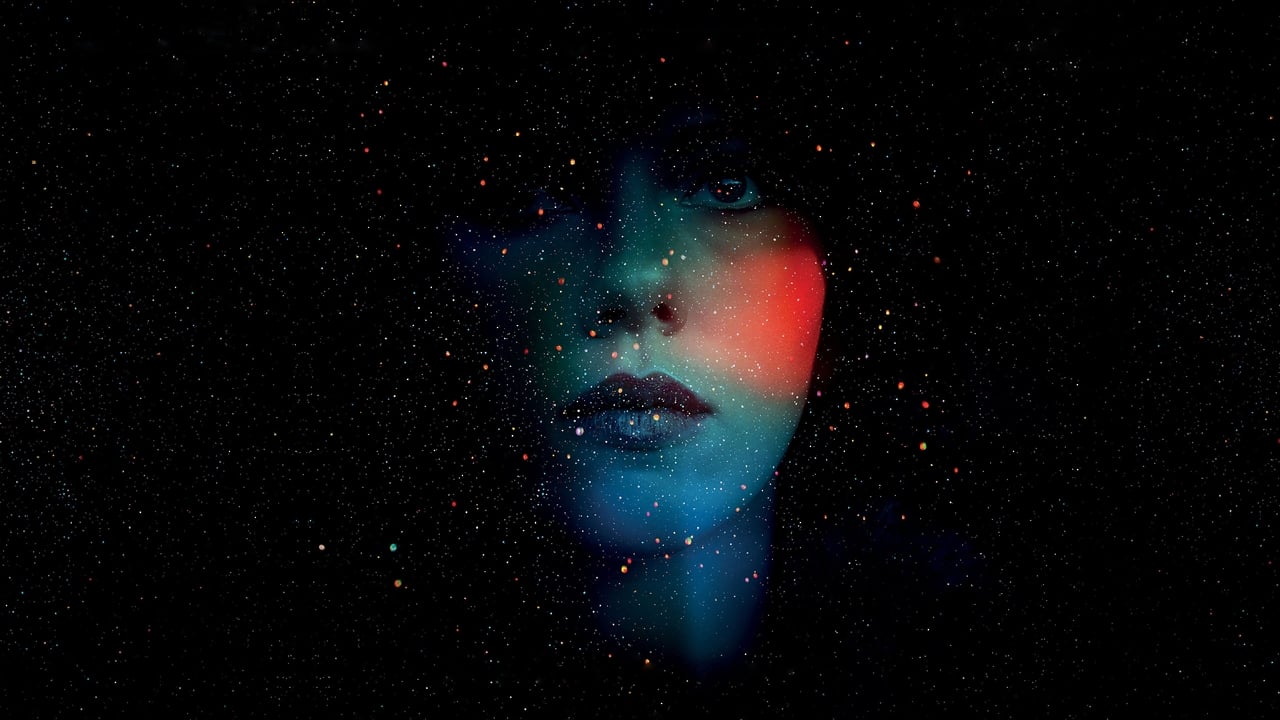
A woman drives a van through Scotland, picking up solitary men and luring them back to a dark room where they sink beneath a black surface and are consumed. She may be alien. Jonathan Glazer used hidden cameras and non-actors for the pickup sequences — the men didn't know they were being filmed — giving those scenes a genuinely predatory texture. Johansson's performance has no precedent, and the film becomes something unexpected and strange in its final act.
Primer
26

Primer

2004
6.9IMDb
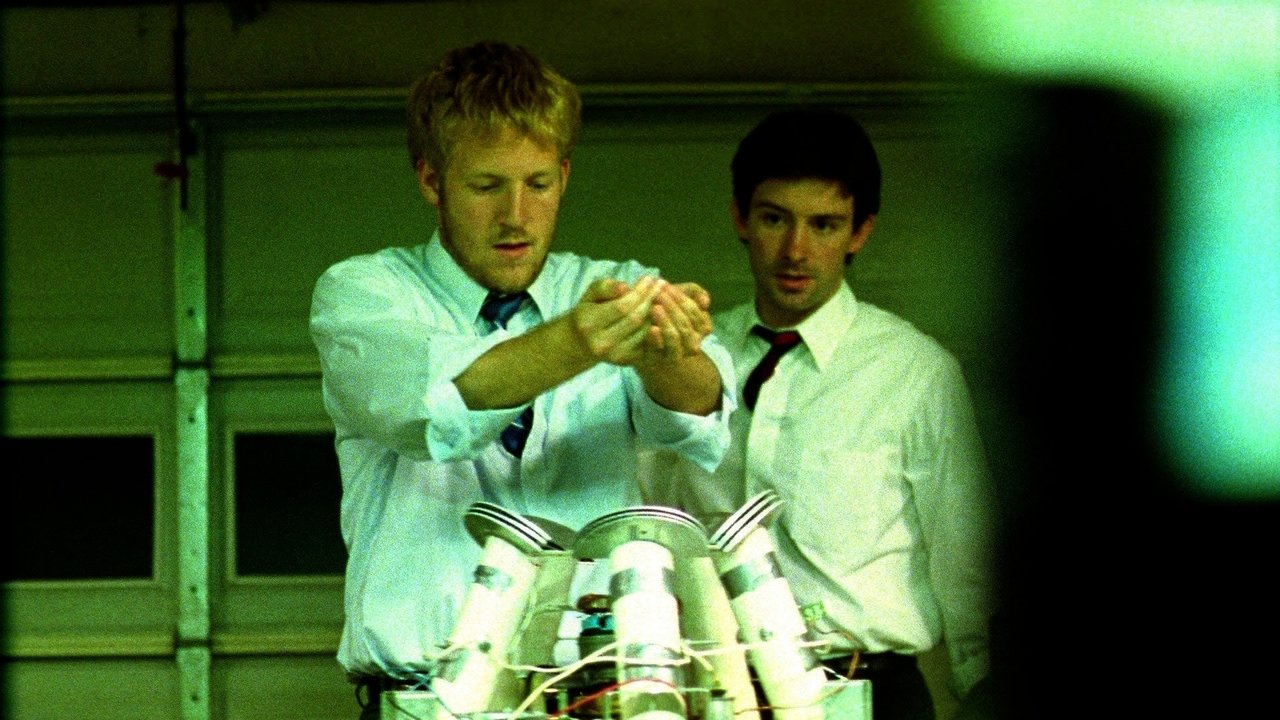
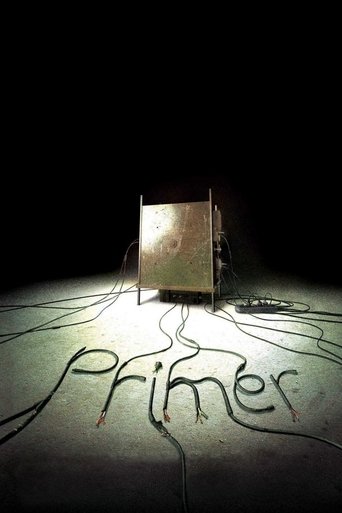
Two engineers working on a startup project accidentally discover that their device creates a time loop — and rather than go to a lab or a government, they immediately begin using it to make money on the stock market. Then the decisions compound. Shane Carruth made a time travel film for $7,000 that refuses to explain its own mechanics — you're expected to keep up. Multiple viewings are essentially required, and it remains the most intellectually rigorous time travel film ever made.
Solaris
27

Solaris

1972
8.1IMDb
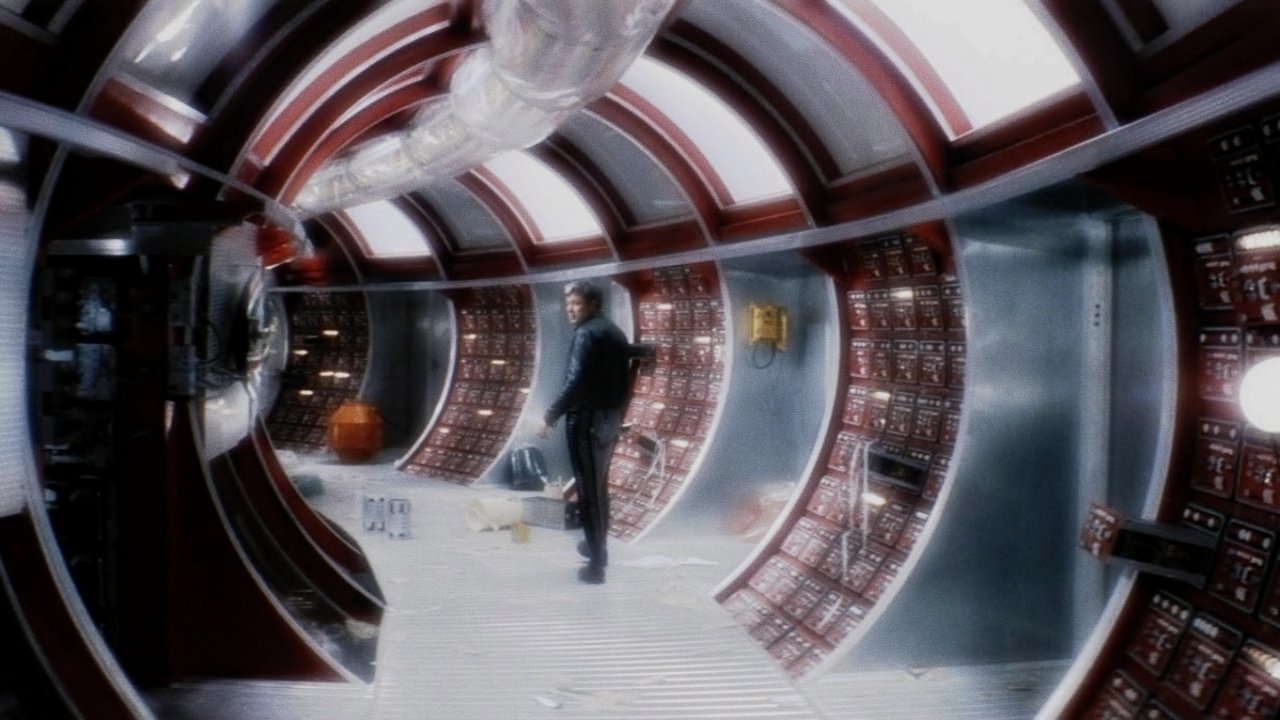
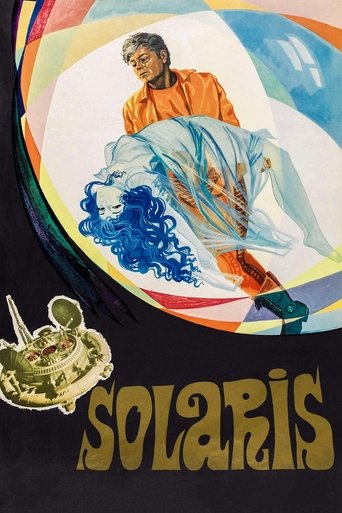
A psychologist is sent to a failing space station orbiting a mysterious ocean planet to evaluate the crew, and finds them haunted by physical manifestations of their deepest grief — people who died, or people who hurt them, made real by something in the planet below. The ocean is conscious and it's pulling memories out of them and giving them form. Tarkovsky made a film about loss and guilt disguised as first contact, and it asks whether such a thing would be a gift or a punishment.
Tenet
28

Tenet

2020
7.4IMDb
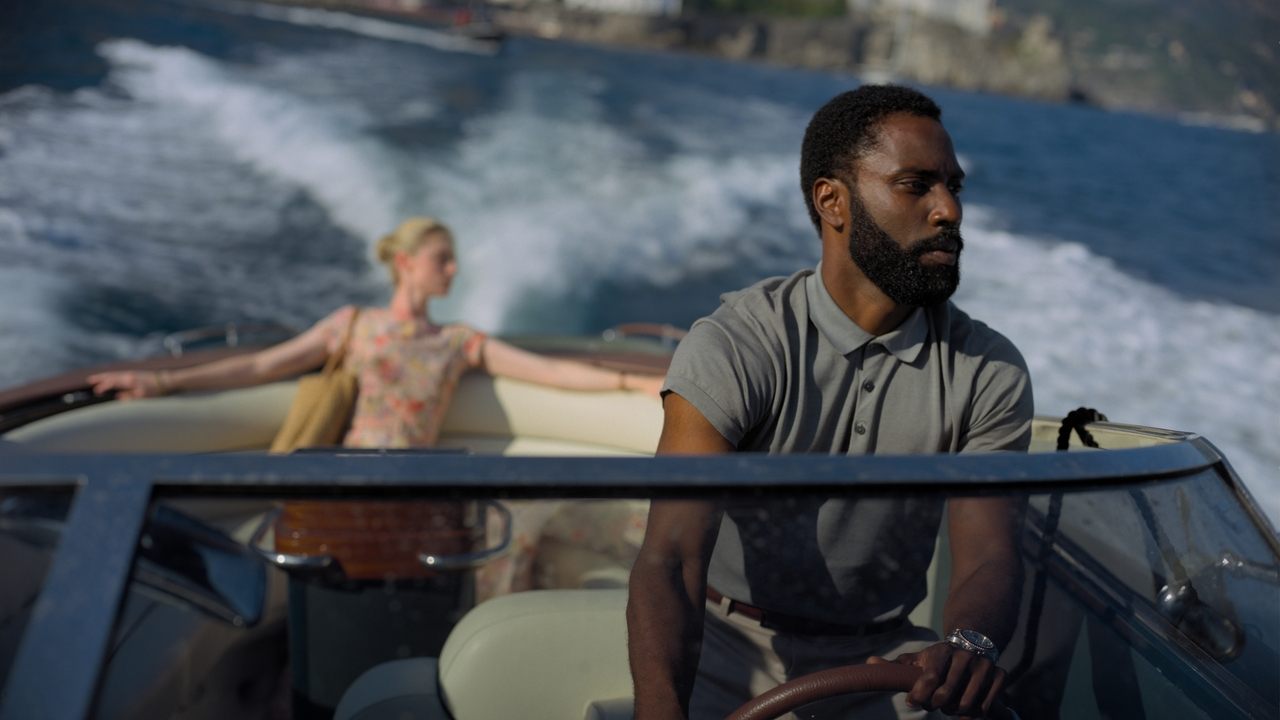
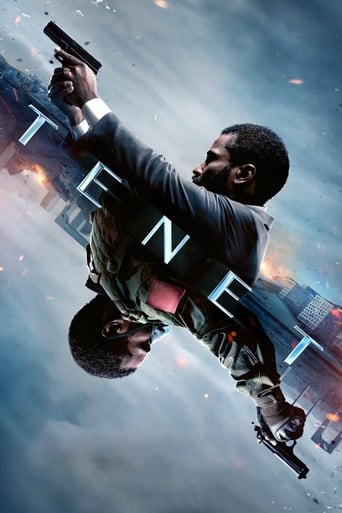
A secret agent is recruited into a mission to prevent a future war — a war being fought with weapons sent backward through time by people who haven't been born yet. The mission requires understanding "inversion," objects and people moving backward through time while everything else moves forward. Christopher Nolan's most divisive film is also his most ambitious formal experiment: you're not supposed to fully understand it on first viewing. Rewatch it. The palindrome structure is meticulously constructed and rewards the effort.
Eega
29

Eega

2012
8.3IMDb
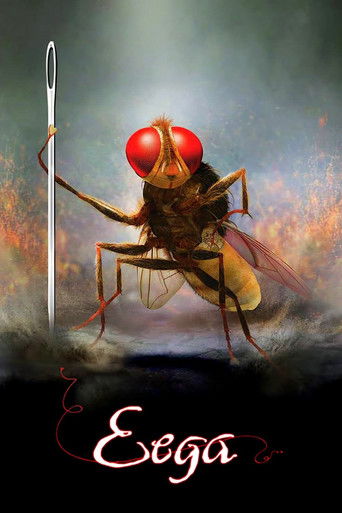
A man is murdered by a powerful, obsessive billionaire who wants his girlfriend. He is then reincarnated as a housefly and decides to pursue his revenge anyway — against a man with security guards, armored cars, and unlimited resources, armed with two wings and a pin-sized body. S.S. Rajamouli plays the fly's resourcefulness completely straight, the billionaire's growing paranoia about a two-millimeter enemy is legitimately funny, and the revenge has real weight because the film's first act made you care about who the man was before he died.
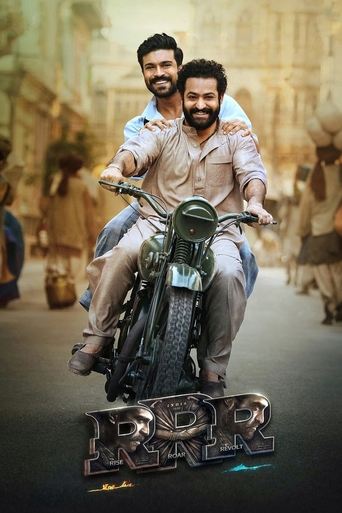
RRR
30

RRR

2022
7.8IMDb
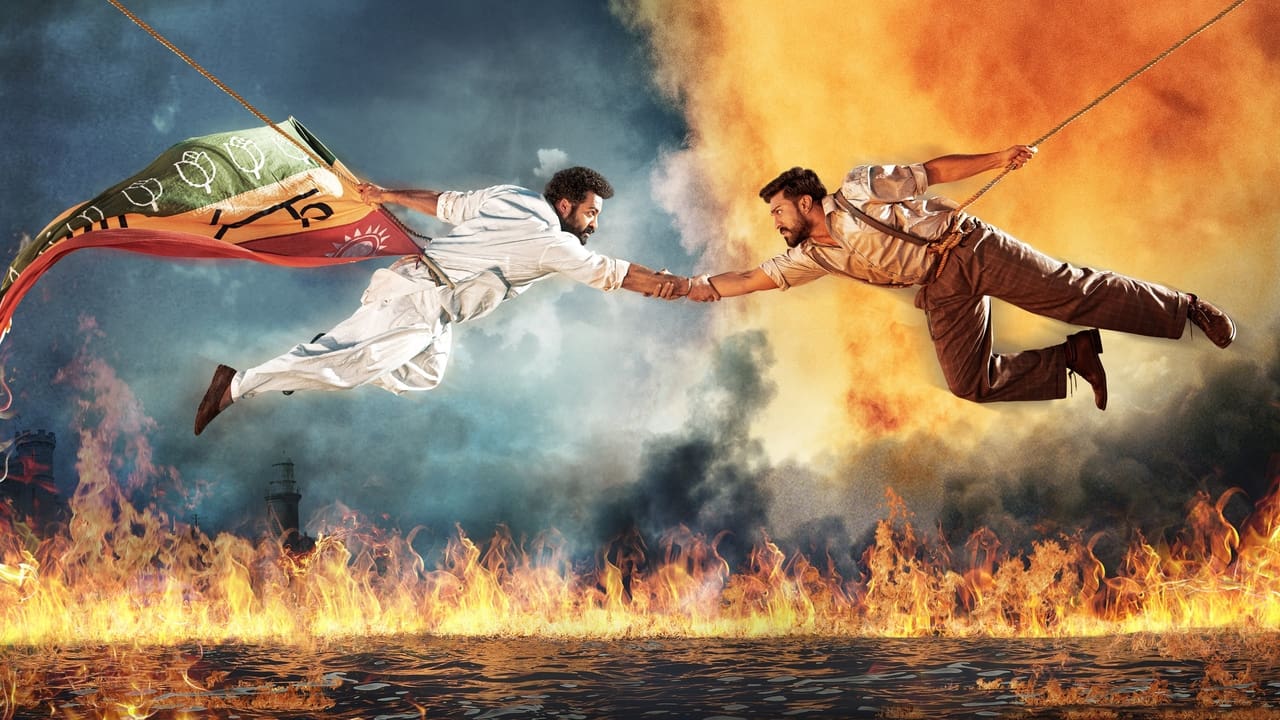
Two legendary Telugu freedom fighters — one a tribal leader's son, one a colonial police officer — are thrown together by fate and form a deep brotherhood, not yet knowing they're on opposite sides of the British colonial machine. S.S. Rajamouli operates on the scale of myth: the Naatu Naatu dance sequence and the interval fight are among the most euphoric things put on film in the last decade. Western audiences found it on streaming and couldn't explain why it hit so hard. It hit hard because Rajamouli understands that myth is what makes spectacle feel earned.
Section 5

Want More?

- [Browse all sci-fi movies by rating](/best/sci-fi) — our complete ranked database - [Mind-bending sci-fi films](/mood/mind-bending) — filtered for brain-breaking premises - [Hidden gem sci-fi](/hidden-gems/sci-fi) — underrated films you haven't heard of - [Movies like Interstellar](/similar/interstellar) — space epics with emotional weight - [Movies like Arrival](/similar/arrival) — cerebral first-contact films