Now Showing — Films, Shows, and the Tools to Pick Them
MOVIESPACK.
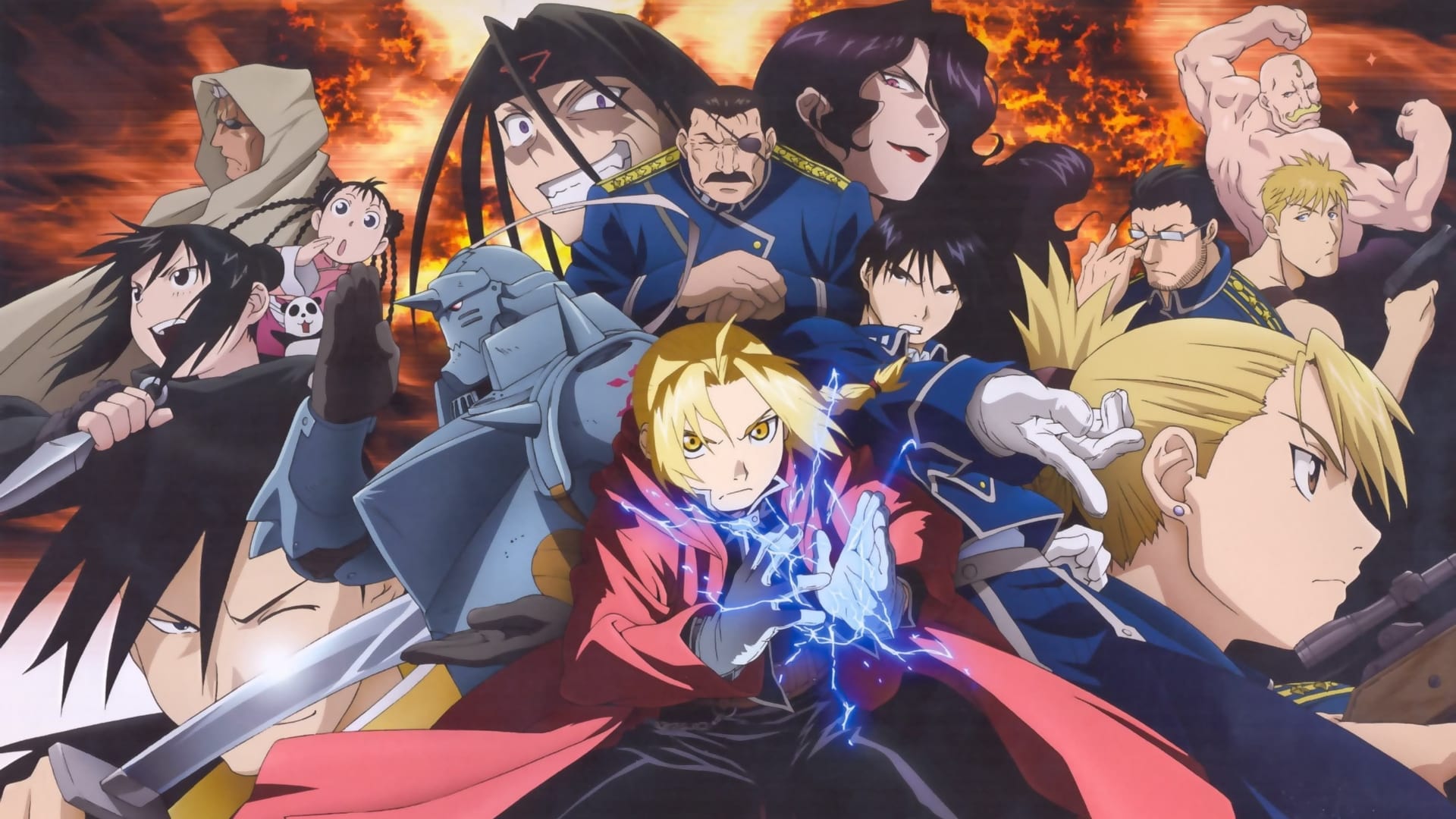
Fullmetal Alchemist: Brotherhood
Best Of

30 Best Anime Series of All Time — The Definitive List

Attack on Titan, Fullmetal Alchemist Brotherhood, Death Note, Cowboy Bebop — the 30 best anime series ever made, for beginners and veterans alike.

30 FILMS·April 2026·By MoviesPack
Anime is a medium, not a genre. Within it you'll find the most formally inventive storytelling in popular entertainment — mythological epics, psychological horror, sports dramas, slice-of-life comedies, and philosophical science fiction that would make Philip K. Dick nod in recognition. These 30 series are the essential ones. If you're new to anime, several of these are the best starting points available. If you've been watching for years, there might be a few in here you haven't seen.
Section 1

The 30 Best Anime Series of All Time

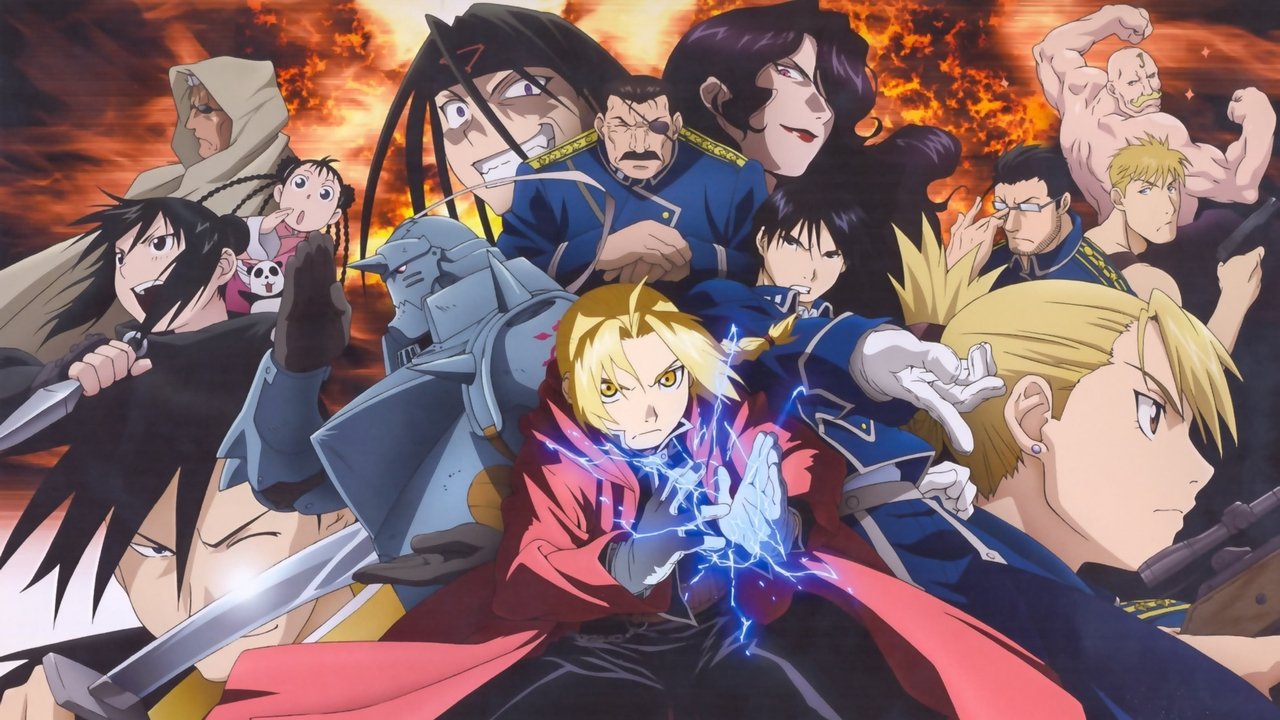
**Fullmetal Alchemist: Brotherhood** (2009–2010) ★ 9.1
01

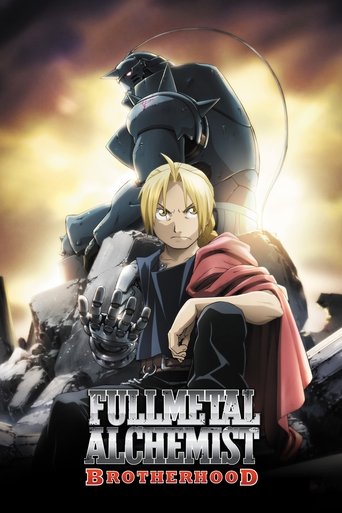
**Fullmetal Alchemist: Brotherhood** (2009–2010) ★ 9.1
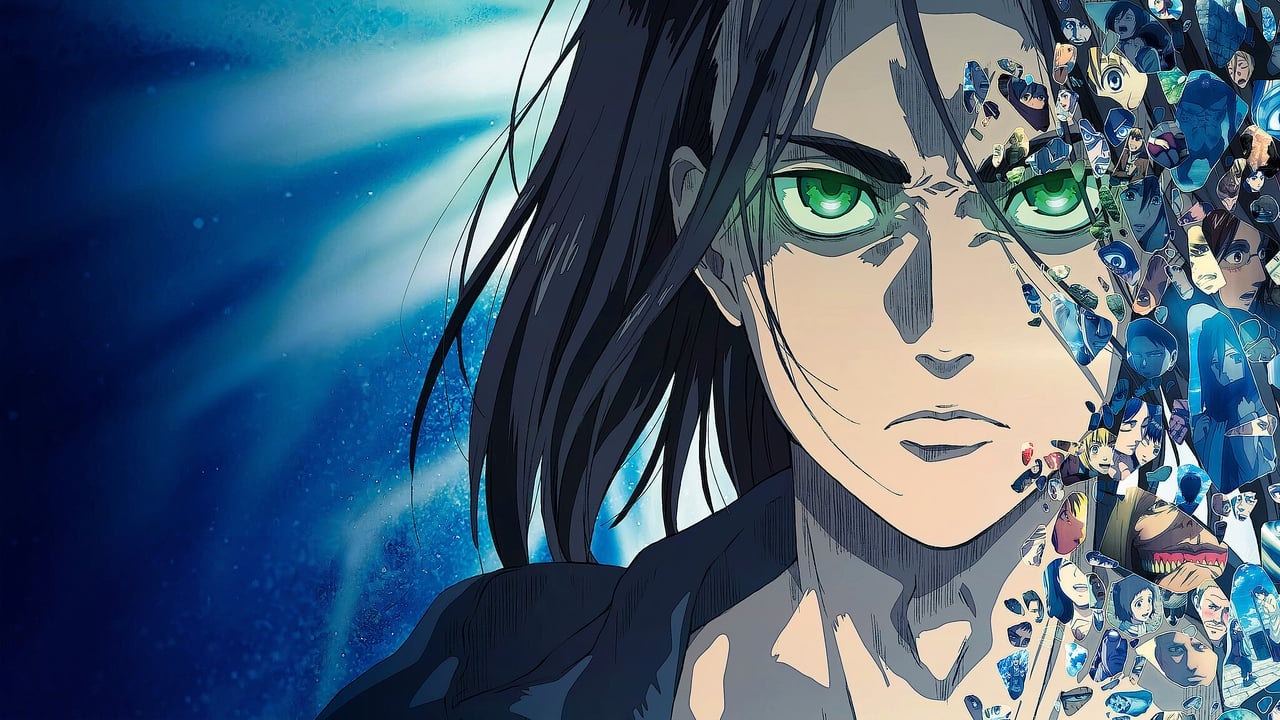
Two brothers — Edward and Alphonse Elric — attempt human transmutation to bring their dead mother back to life. The attempt fails catastrophically: Edward loses an arm and a leg; Alphonse loses his entire body and is bound to a suit of armor. The brothers spend 64 episodes trying to find the Philosopher's Stone to restore what they lost, learning that every shortcut in alchemy extracts a price from somewhere else. Every power has a cost, every mystery has a material explanation, no character death is reversed. The ideal entry point for anyone new to anime. 👉 Where to watch FMA Brotherhood
**Attack on Titan** (2013–2023) ★ 9.0
02

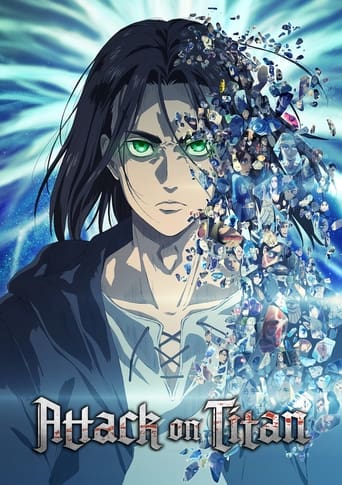
**Attack on Titan** (2013–2023) ★ 9.0
Humanity lives behind three concentric walls to protect itself from giant humanoid creatures called Titans that eat people for no apparent reason. Eren Yeager enlists in the military after Titans breach the outer wall and kill his mother. By Season 3, the show has revealed that the walls, the titans, and the enemy outside are all part of a colonial history the characters have been systematically lied to about. The basement reveal (Episodes 55–57) recontextualizes everything before it. The final arc is anime's most ambitious and contested narrative swing.
**Death Note** (2006–2007) ★ 8.9
03

**Death Note** (2006–2007) ★ 8.9

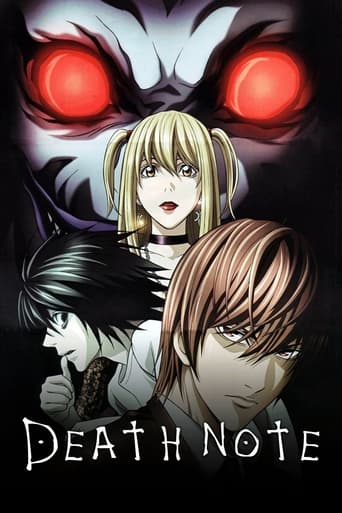
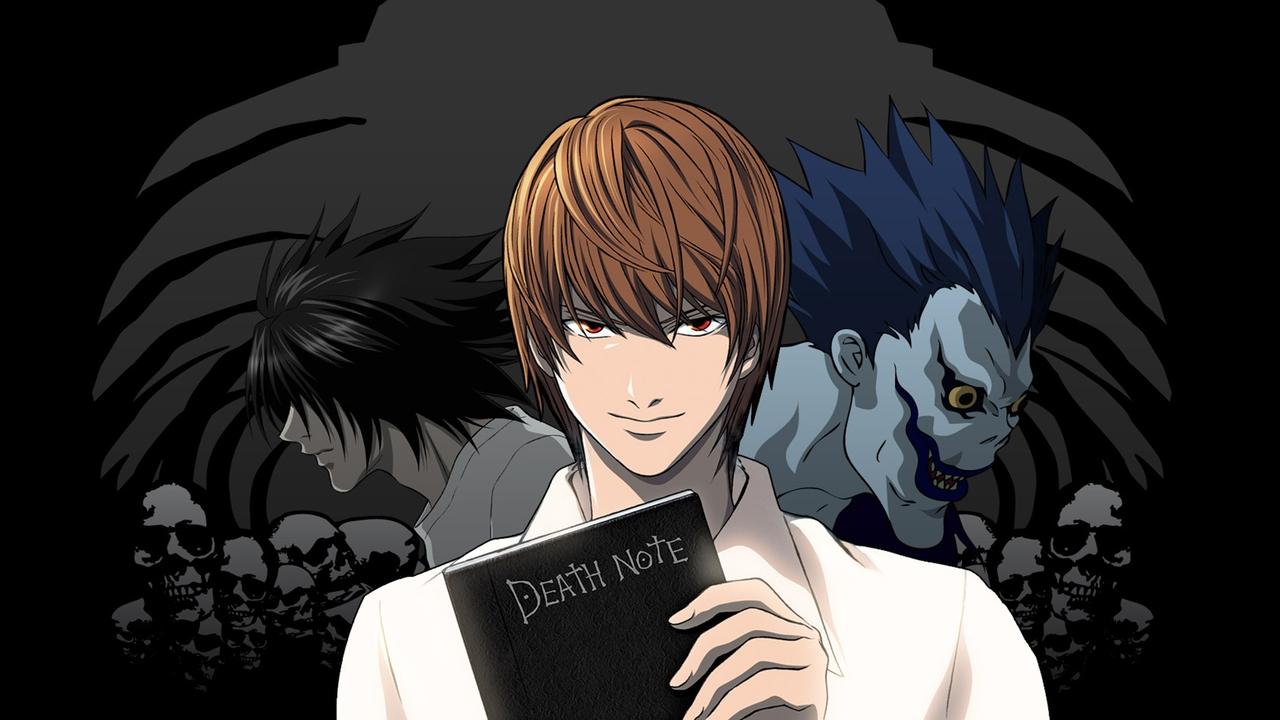
Light Yagami, a top student bored by his own intelligence, finds a notebook belonging to a shinigami — a death god — that kills anyone whose name is written in it. He decides to use it to purge the world of criminals and rule as a god. The detective L, whose identity is hidden, begins tracking the killer and the first 25 episodes are a chess match between two equally brilliant people who know they're hunting each other but can't move openly. The tennis scene is the show at its peak. Episodes 26–37 are weaker; the show's best argument ends with L.
**Steins;Gate** (2011) ★ 9.1
04

**Steins;Gate** (2011) ★ 9.1

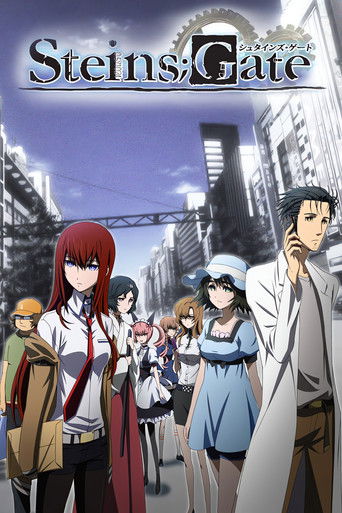
Rintaro Okabe, a self-declared mad scientist, accidentally invents a microwave that can send text messages to the past. The first 11 episodes are a comedy about eccentric friends in a cramped Akihabara lab doing DIY science. Episode 12 is when everything reverses — what you spent 11 episodes laughing at becomes the thing they're desperately trying to undo. Episode 23, "Open the Steins Gate," is the payoff for 22 episodes of setup and it earns every second.
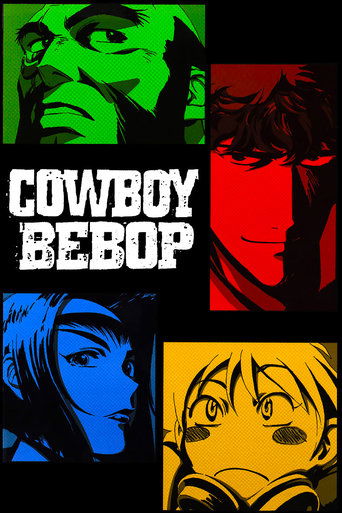
**Cowboy Bebop** (1998) ★ 8.9
05

**Cowboy Bebop** (1998) ★ 8.9

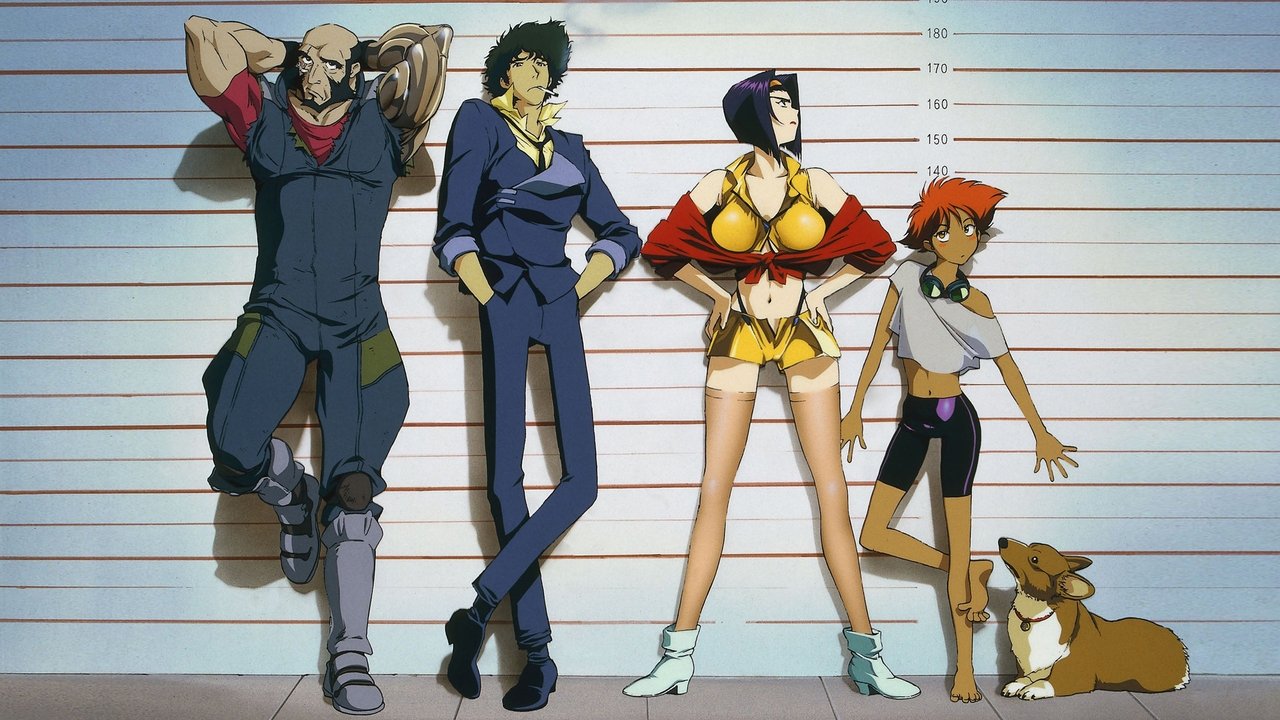
Spike Spiegel and Jet Black are bounty hunters drifting through the solar system in 2071 aboard the Bebop, picking up crew members they didn't plan on and chasing criminals for money they rarely collect. Each of the 26 episodes is largely standalone — jazz soundtrack, film noir influences, action and melancholy mixed in roughly equal measure. Spike's story, a man trying to live in a present he's already left for a past that ended badly, runs beneath everything and surfaces fully in the two-part finale.
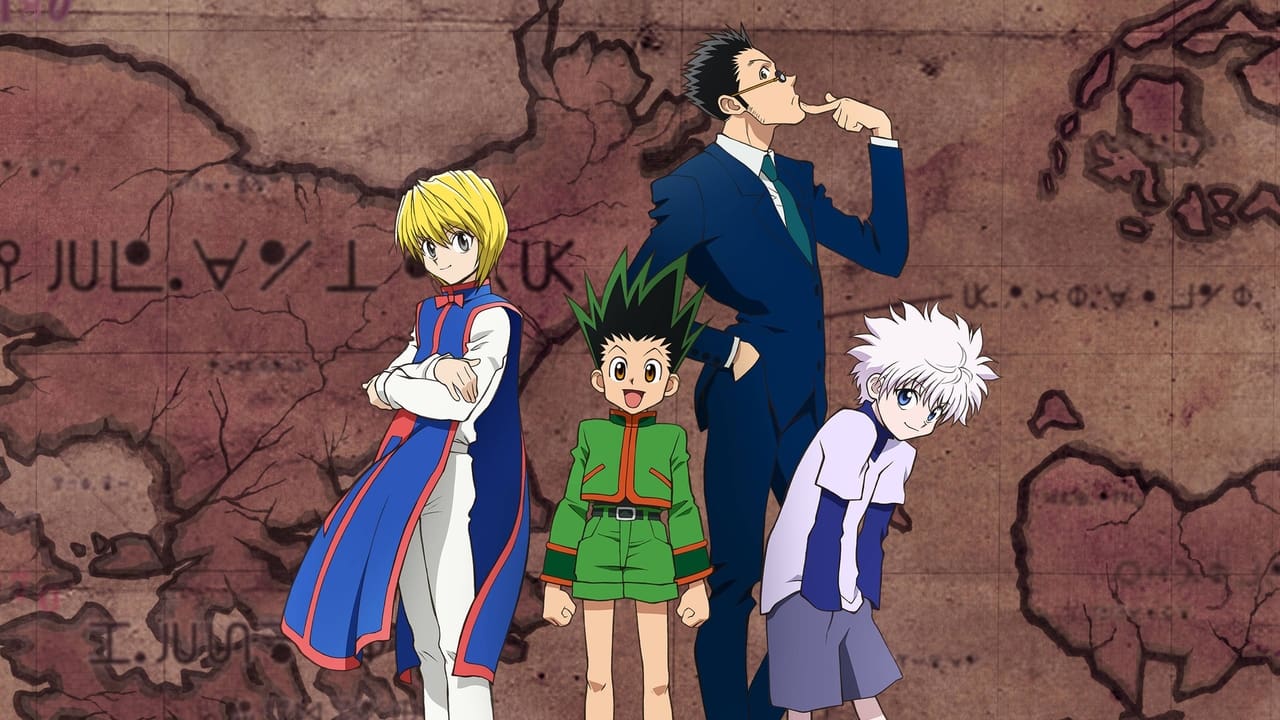
**Hunter x Hunter** (2011–2014) ★ 9.0
06

**Hunter x Hunter** (2011–2014) ★ 9.0
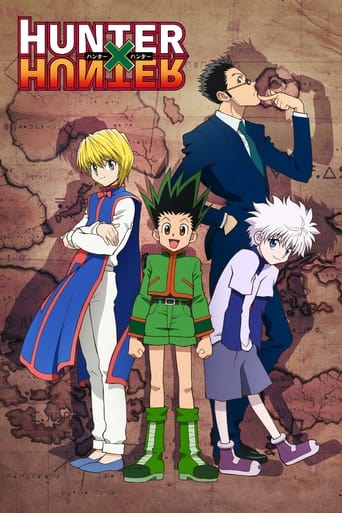
Gon Freecss grows up knowing his father Ging is a legendary Hunter — one of an elite class of professionals licensed to pursue everything from treasure to criminals to rare animals. Gon leaves his island home to find him, making friends and enemies along the way. The Chimera Ant arc (Episodes 76–136) is the most ambitious sustained storyline in shonen anime: ant-human hybrids evolving toward human consciousness force the show to ask what humanity actually means. Episode 131, "Anger × And × Light," is 20 minutes with no action and is the arc's emotional summit.
**Vinland Saga** (2019–present) ★ 8.8

07

**Vinland Saga** (2019–present) ★ 8.8
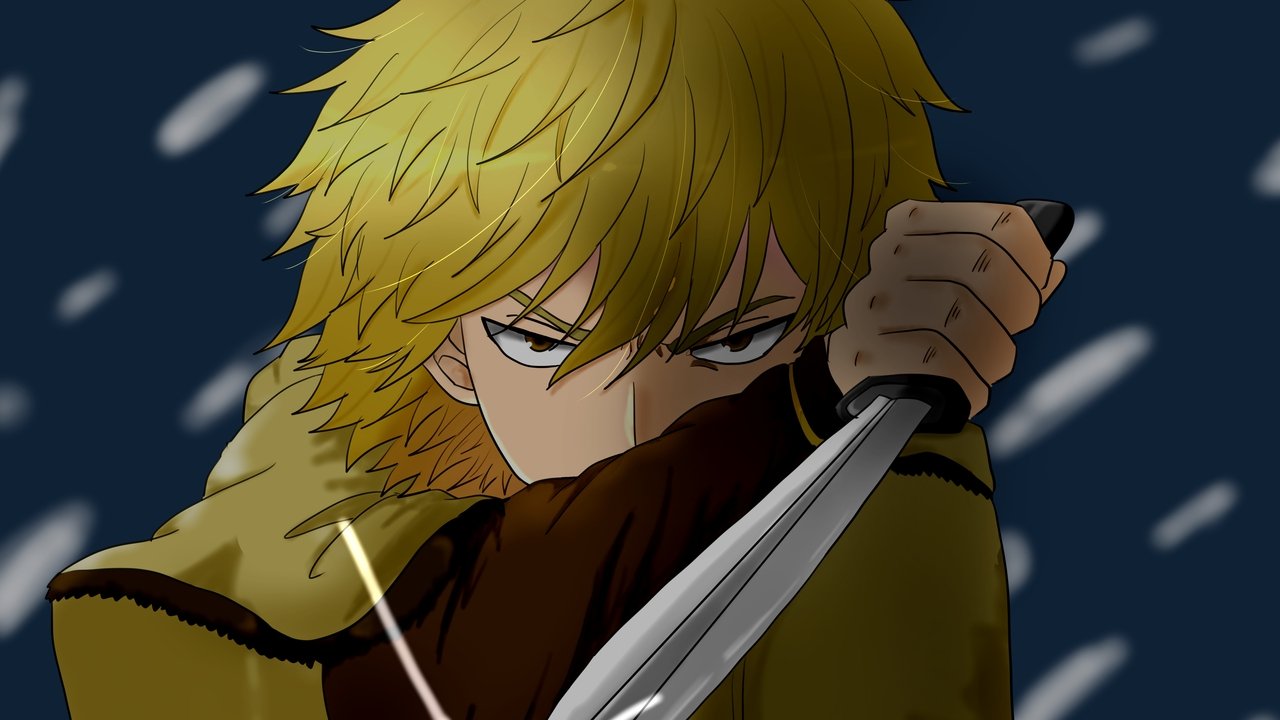
Thorfinn, the son of a legendary Viking warrior, watches his father killed by a mercenary captain named Askeladd and spends years following Askeladd's band to earn the right to a duel. Season 1 (Episodes 1–24) delivers the revenge story efficiently. Season 2 (Episodes 25–48) begins with Thorfinn as a slave, stripped of his purpose, slowly building a philosophy of non-violence in a world that rewards only brutality. The transformation takes 24 episodes of grinding work and earns every one.
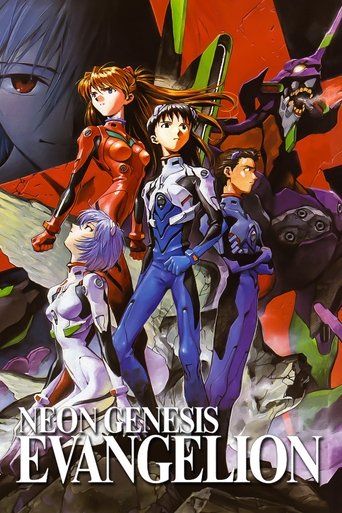
**Neon Genesis Evangelion** (1995–1996) ★ 8.5
08

**Neon Genesis Evangelion** (1995–1996) ★ 8.5
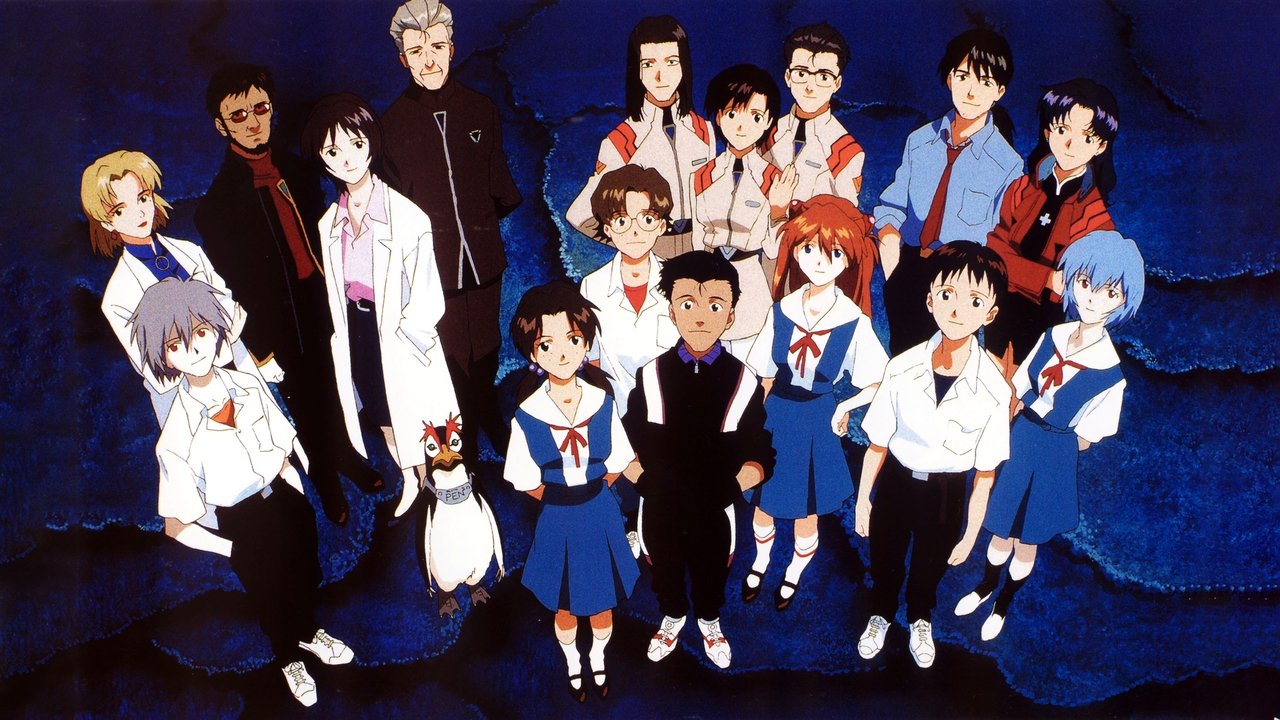
Shinji Ikari is a 14-year-old boy brought to Tokyo-3 by his absent father to pilot a giant biomechanical mech called an Evangelion against beings called Angels that are trying to destroy humanity. The apocalyptic action is the surface. The director made the show while in severe depression, and Episodes 25–26 — made when the production budget collapsed — replace conventional animation with still images and internal monologue as characters sit in psychological space and examine their own minds. The End of Evangelion film provides the external events. Both endings are necessary.
**Monster** (2004–2005) ★ 8.7
09

**Monster** (2004–2005) ★ 8.7

Dr. Kenzo Tenma is a brilliant neurosurgeon in 1980s Düsseldorf who defies hospital politics to save the life of a young boy instead of a politically connected patient. Years later, the boy has become Europe's most wanted serial killer. Tenma spends 74 episodes across Germany and the Czech Republic trying to find him and undo his act of mercy — without police resources, without allies, often as a suspect himself. No powers, no fantasy elements. The killer Johan is frightening because he is never explained, only observed from a distance.
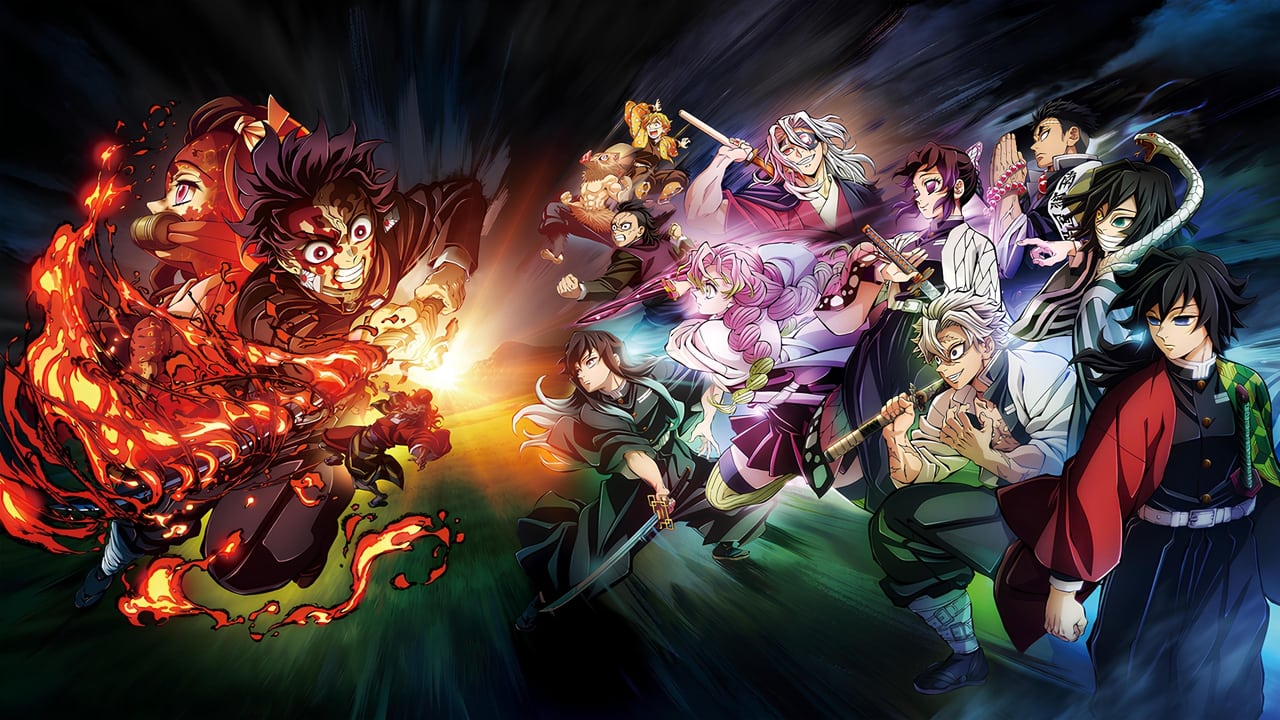
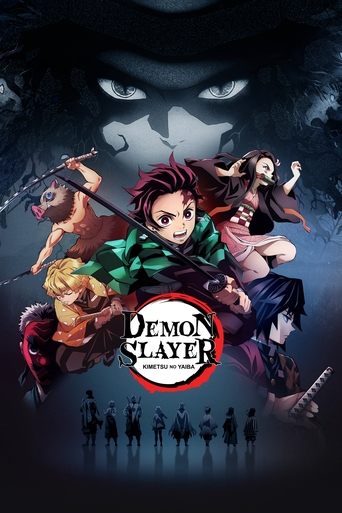
**Demon Slayer: Kimetsu no Yaiba** (2019–present) ★ 8.7
10

**Demon Slayer: Kimetsu no Yaiba** (2019–present) ★ 8.7
Tanjiro Kamado returns home to find his family massacred by a demon and his younger sister Nezuko turned into one. He becomes a Demon Slayer to find a cure and avenge his family. Studio Ufotable's animation uses a watercolor-influenced style that makes every fight look like moving illustration — the Flame Breathing techniques in the Mugen Train arc use color saturation as emotional intensification. The Mugen Train arc's final act delivers one of the most effective gut-punches in recent anime.
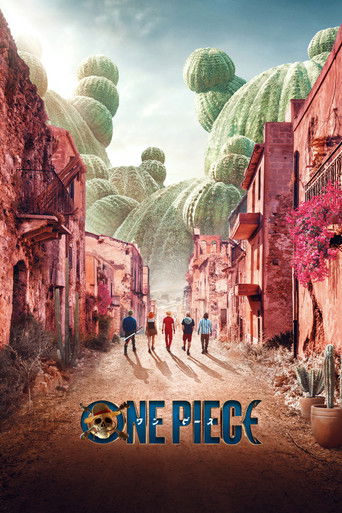
**One Piece** (1999–present) ★ 8.9
11

**One Piece** (1999–present) ★ 8.9

Monkey D. Luffy, who stretched his body to rubber by eating a devil fruit, wants to become King of the Pirates and find the legendary treasure called the One Piece. Over 1,000 episodes, the show builds a world of arcs — each island is a new story with a new villain and a complete plot — while quietly building toward a payoff Oda has been constructing for decades. The Marineford arc (Episodes 457–489) pays off relationships built across 450 episodes and works because the show spent years making you care about who would die. Avoid the filler arcs.
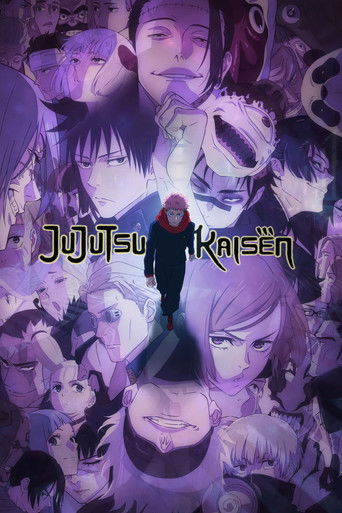
**Jujutsu Kaisen** (2020–present) ★ 8.6
12

**Jujutsu Kaisen** (2020–present) ★ 8.6
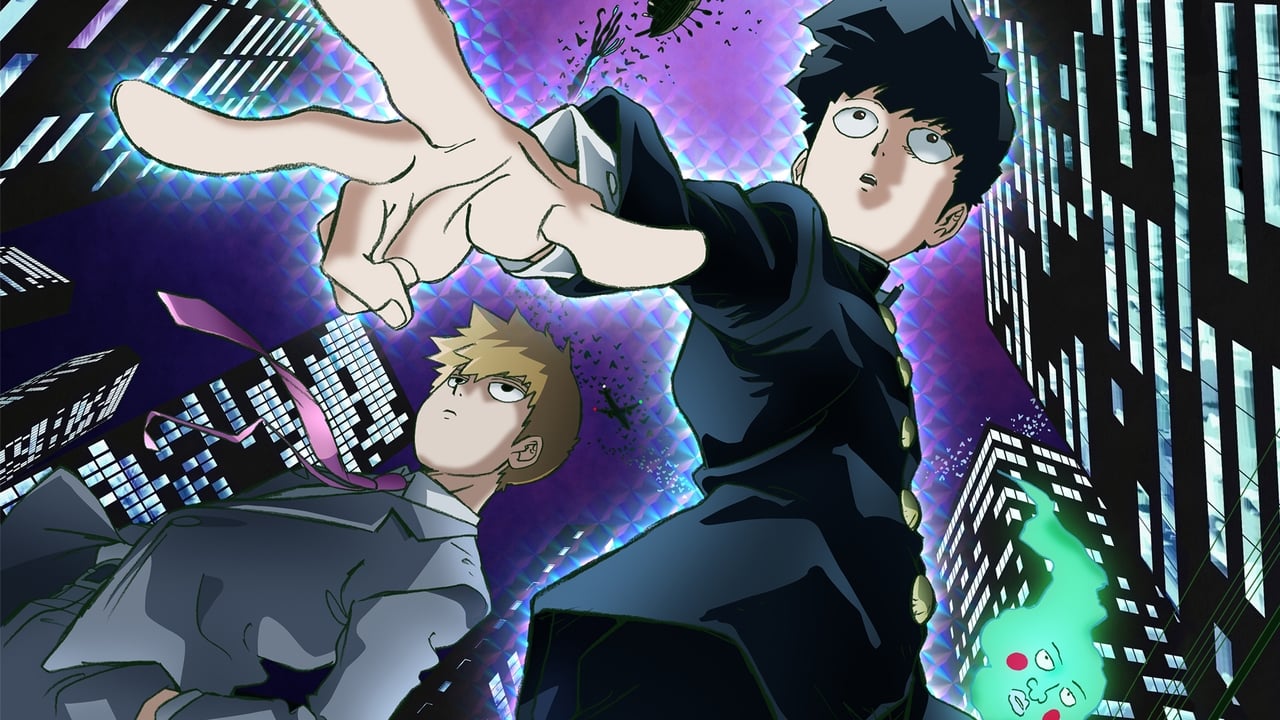
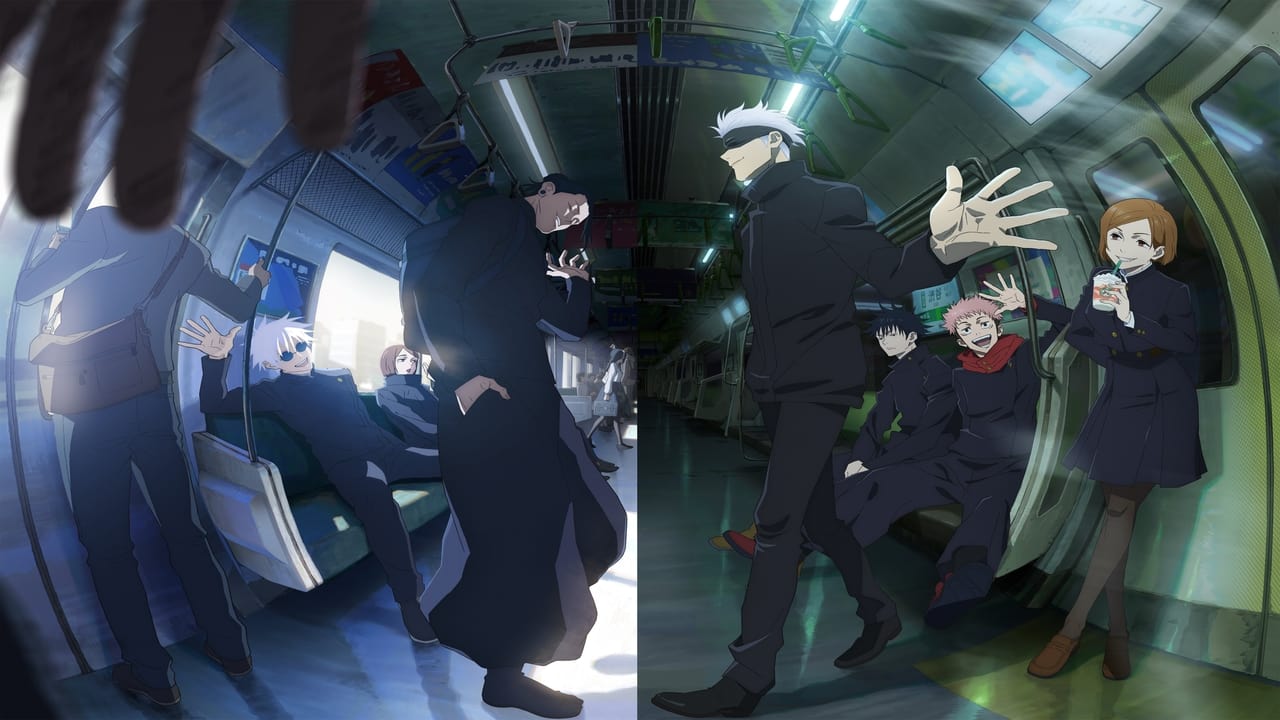
Yuji Itadori swallows a cursed finger containing the spirit of Ryomen Sukuna — the most powerful curse in history — to save his friends, and becomes the host for a being the Jujutsu world needs to execute. While they wait for him to consume all of Sukuna's fingers, he trains and fights alongside other sorcerers. The Shibuya Incident arc (Season 2, Episodes 6–23) is structured as a series of escalating disasters where each new arrival makes things worse. The Gojo vs. Toji prequel fight (Episode 4 of Season 2) is the best single fight in recent anime.
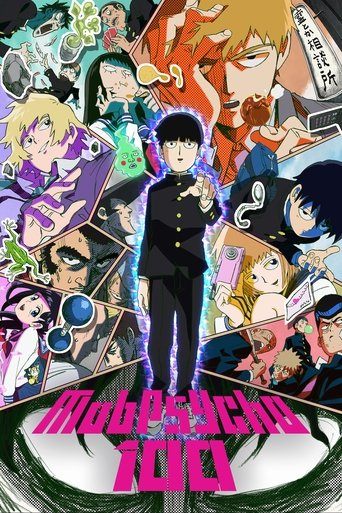
**Mob Psycho 100** (2016–2022) ★ 8.5
13

**Mob Psycho 100** (2016–2022) ★ 8.5

Shigeo "Mob" Kageyama is a middle schooler with psychic power strong enough to level buildings, and he works hard to suppress it and live a normal life. He wants to be liked by the girl he has a crush on and to get better at running. Three seasons use superpowers as metaphor for self-worth. The Season 2 finale deliberately withholds the expected action climax and replaces it with Mob running through a rainstorm while his father comes to find him — emotion earned by 24 episodes of groundwork.
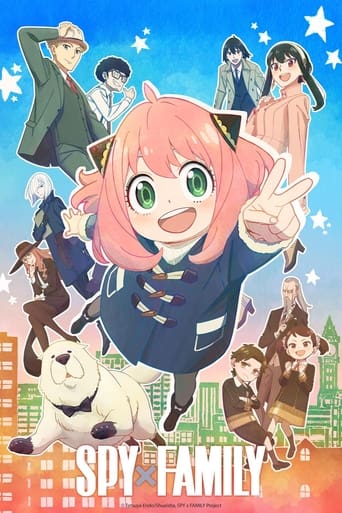
**Spy x Family** (2022–present) ★ 8.3
14

**Spy x Family** (2022–present) ★ 8.3
A spy known as Loid Forger needs a fake family to complete a mission: a wife and a child enrolled in an elite school. The woman he recruits as his wife turns out to be an assassin keeping her own secret. The daughter he adopts turns out to be a telepath who can read minds. None of them know the others' secrets. One of the warmest and funniest anime series in recent years, and Anya — the daughter — is an instant icon.
**Chainsaw Man** (2022–present) ★ 8.3
15

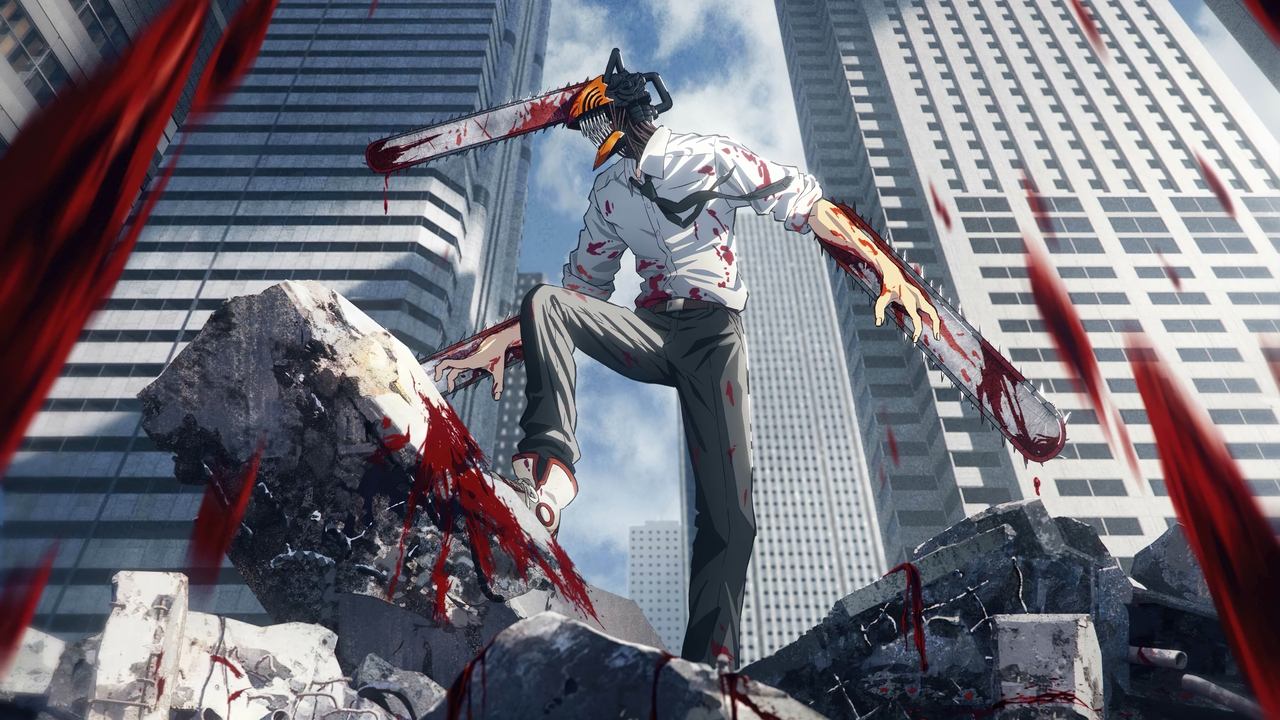
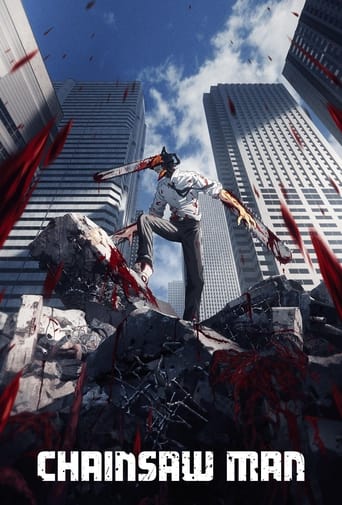
**Chainsaw Man** (2022–present) ★ 8.3

Denji is a teenager deep in debt who hunts devils alongside his chainsaw devil dog to pay what his dead father owed. When the yakuza kill him, the dog merges with his body and revives him as Chainsaw Man — half human, half devil. He's recruited by a government agency hunting other devils and given a simple goal: kill devils and get to eat actual food and sleep indoors. The show uses cheap emotional beats deliberately until it doesn't, and the relationship between Denji and his supervisor Makima is designed to make you understand what it is before Denji does.
16

**Code Geass** (2006–2008) ★ 8.7

Lelouch vi Britannia is an exiled prince living in a conquered Japan who acquires the power of Geass — the ability to give an absolute command to anyone he makes eye contact with, once. He uses it to lead a rebellion against the empire that destroyed his mother and exiled him, while also attending high school under a false identity. The show is structured as a chess match where each victory costs something Lelouch can't recover. The finale, where he engineers his own assassination as the show's final move, is anime's best-constructed sacrificial ending.
**My Hero Academia** (2016–present) ★ 7.9
17

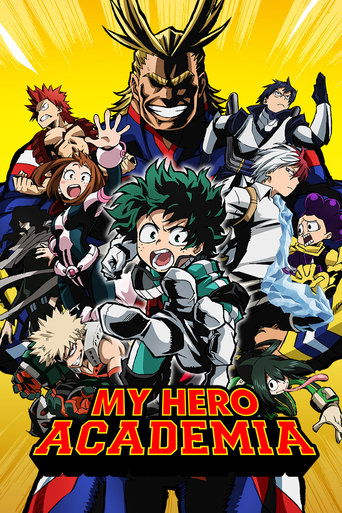
**My Hero Academia** (2016–present) ★ 7.9
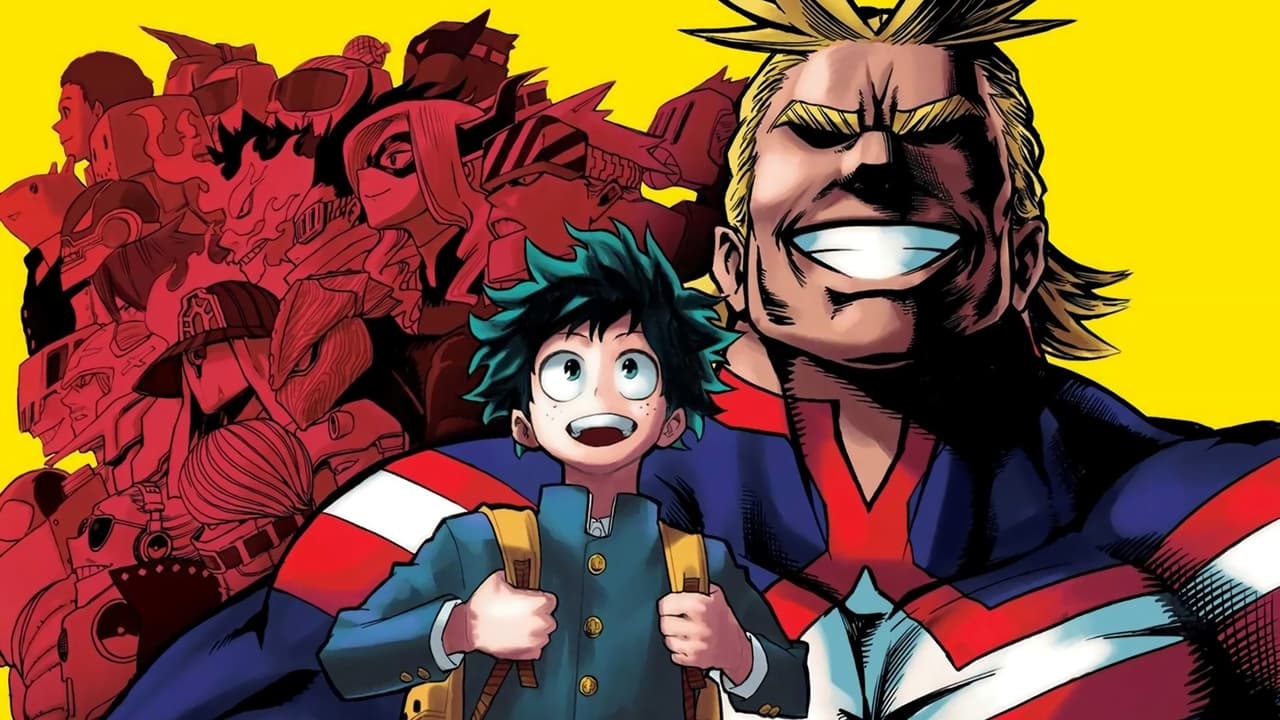
In a world where most people are born with superpowers called Quirks, Izuku Midoriya is one of the rare few born with nothing — and is chosen by the greatest hero alive to inherit his power. He enrolls in the high school for aspiring heroes and starts from last place. The early seasons are excellent shonen drama — the philosophy of heroism versus the villain ideology of a man who understands it better than anyone — and Seasons 1–4 are the strongest.
**Dragon Ball Z** (1989–1996) ★ 8.2
18

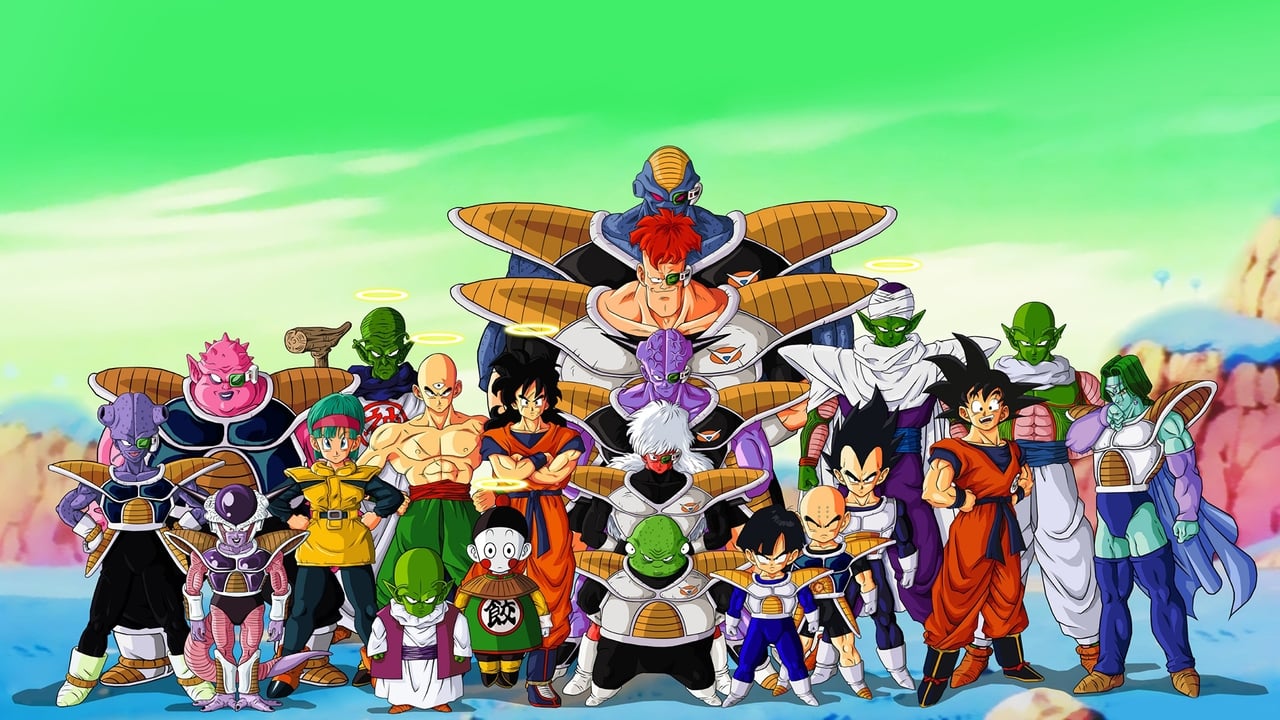
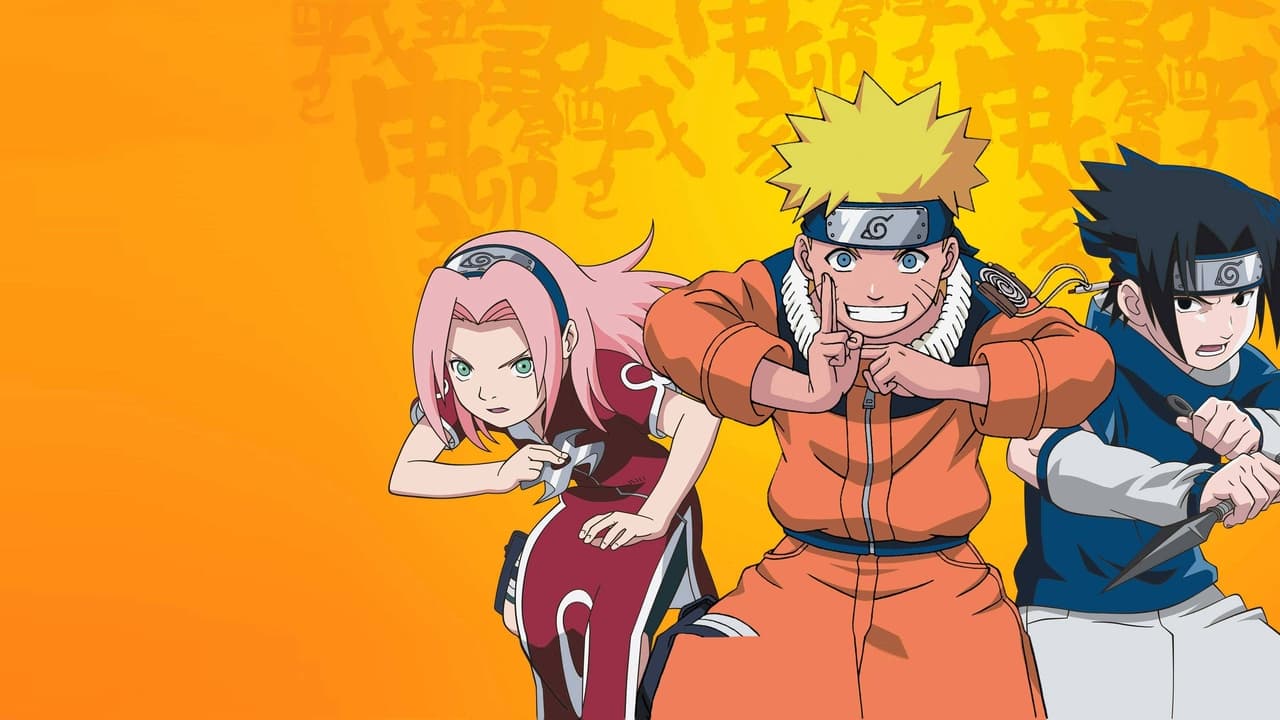
**Dragon Ball Z** (1989–1996) ★ 8.2

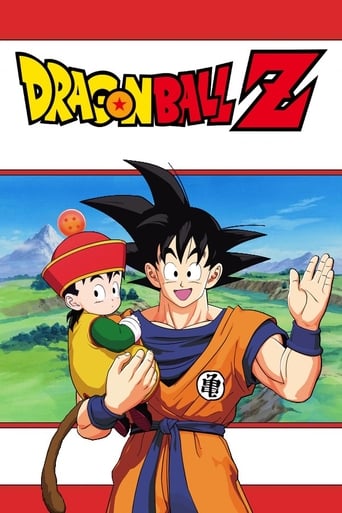
Goku and his friends defend Earth from increasingly powerful enemies — Saiyans, the intergalactic tyrant Frieza, the artificial human Cell — each arc raising the stakes until planetary survival is routine. The Frieza and Cell arcs are the show at its peak: extended fights that build genuine dread through escalation. There is more filler than is defensible, but the iconic confrontations (Goku vs. Frieza, Gohan vs. Cell) are genuinely thrilling even thirty years later.
**Naruto** (Seasons 1–5, Shippuden's best arcs) (2002–2017) ★ 8.3
19

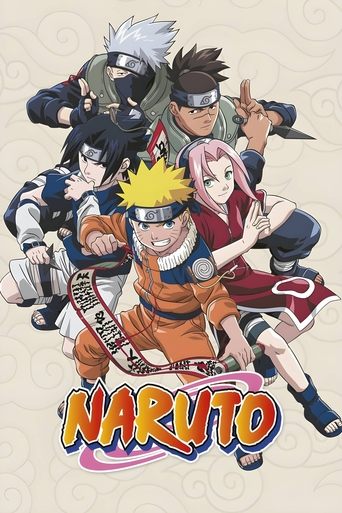
**Naruto** (Seasons 1–5, Shippuden's best arcs) (2002–2017) ★ 8.3
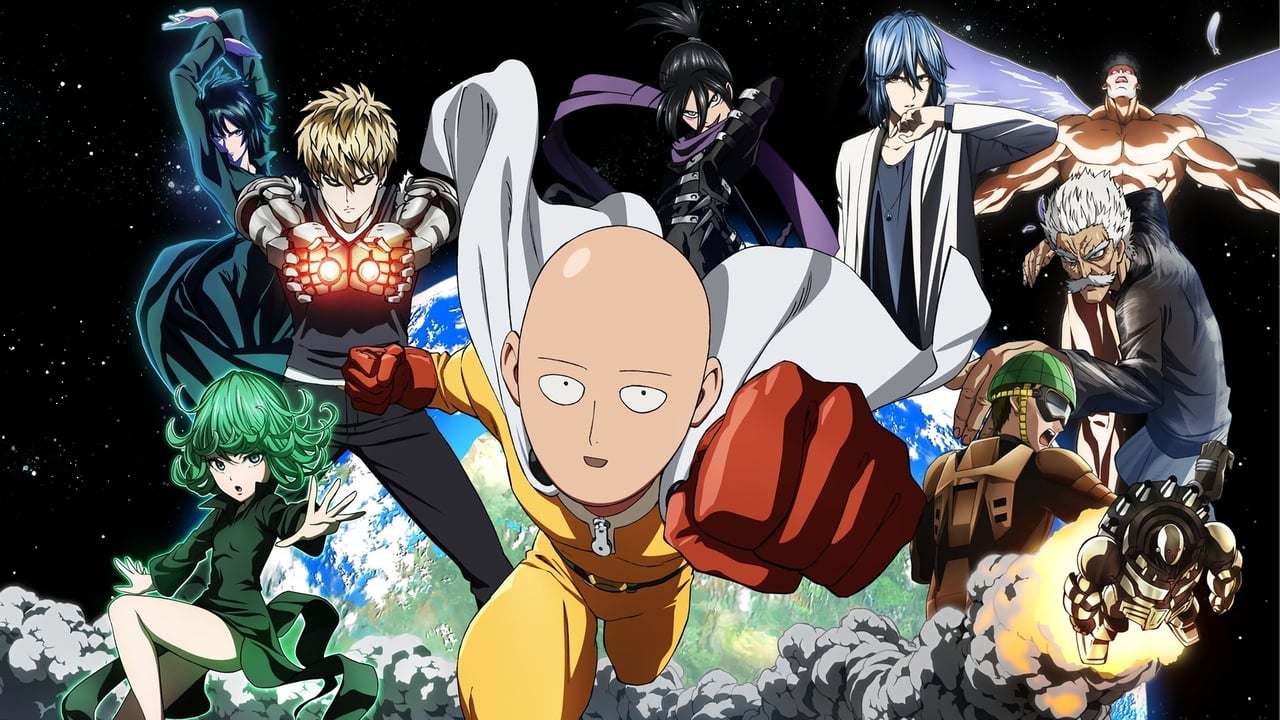
Naruto Uzumaki is a boy with a nine-tailed fox demon sealed inside him — which makes everyone in the village fear him and no one want to be near him. He decides to become the greatest ninja and make them acknowledge him. The original Chunin Exam arc (Episodes 20–67) introduced millions of people to anime. The Pain Arc in Shippuden (Episodes 152–175) is the franchise peak: Pain attacks the Hidden Leaf village and Naruto's return is the longest sustained emotional crescendo in shonen. About 40% of the runtime is filler — skip it.
**One Punch Man** (Season 1) (2015) ★ 8.8
20

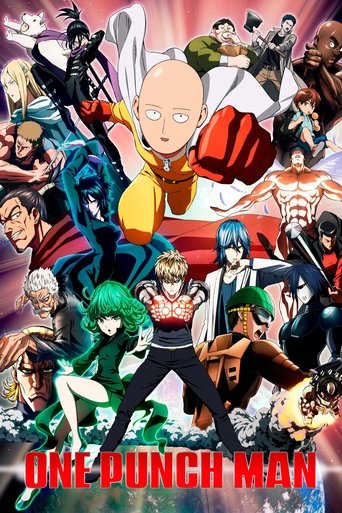
**One Punch Man** (Season 1) (2015) ★ 8.8
Saitama trained so hard to become a hero that he went bald and gained the ability to defeat any enemy with a single punch. The problem: he is now completely, existentially bored. Every fight is spectacular and meaningless to him — he stands at the end looking disappointed. Studio Madhouse's Season 1 animation, particularly the Saitama vs. Boros fight in Episode 12, is the benchmark for theatrical-quality action animation on television. Season 2 with a different studio is a significant step down.
**Bleach** (Core arcs) (2004–2012) ★ 7.9
21

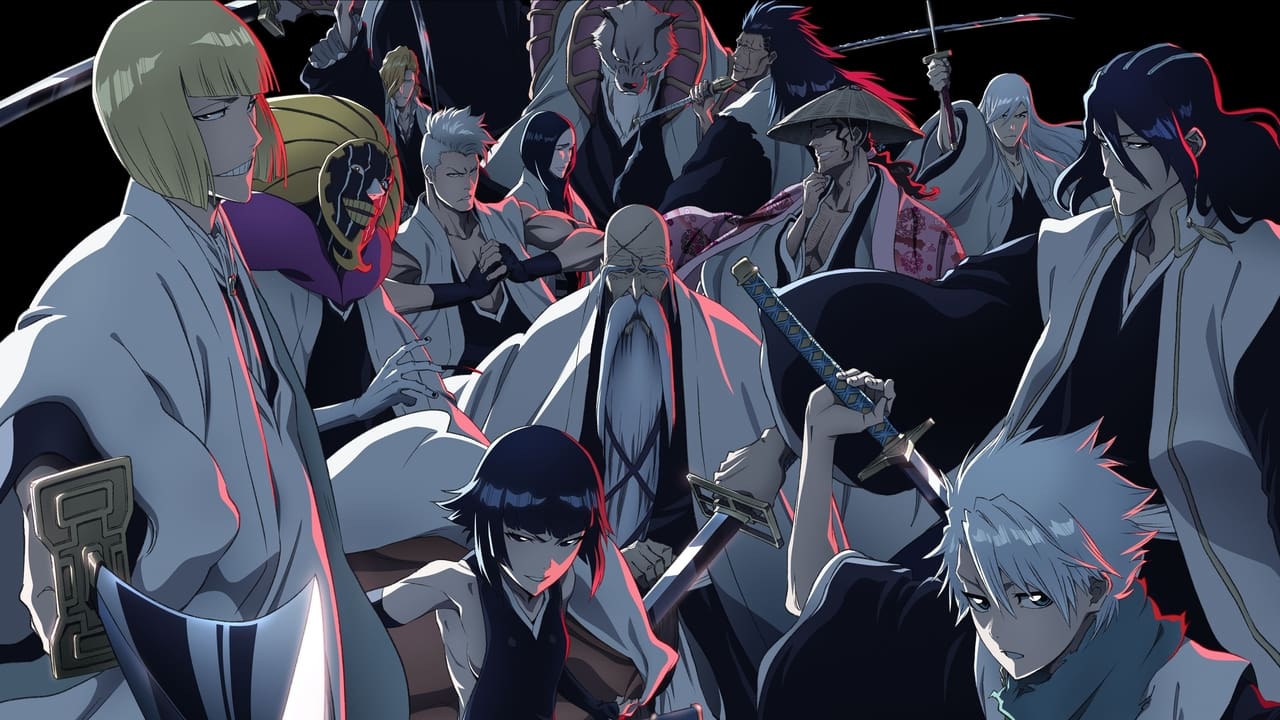
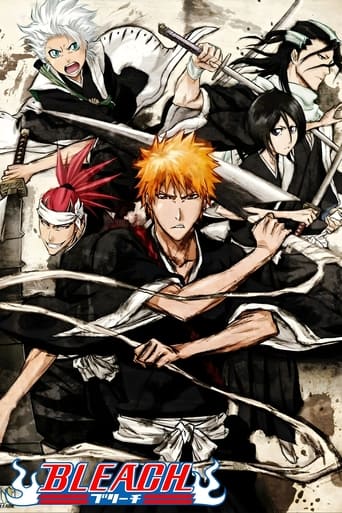
**Bleach** (Core arcs) (2004–2012) ★ 7.9
Ichigo Kurosaki, a teenager who can see ghosts, becomes a Soul Reaper after a Hollow — a monstrous corrupted spirit — attacks his family. The Soul Society arc, where Ichigo invades the afterlife to rescue a friend, and the Arrancar arc that follows are some of shonen's finest extended storylines. The Thousand-Year Blood War arc (2022–present), a new adaptation of the manga's finale, is excellent.
**Parasyte: The Maxim** (2014–2015) ★ 8.3
22

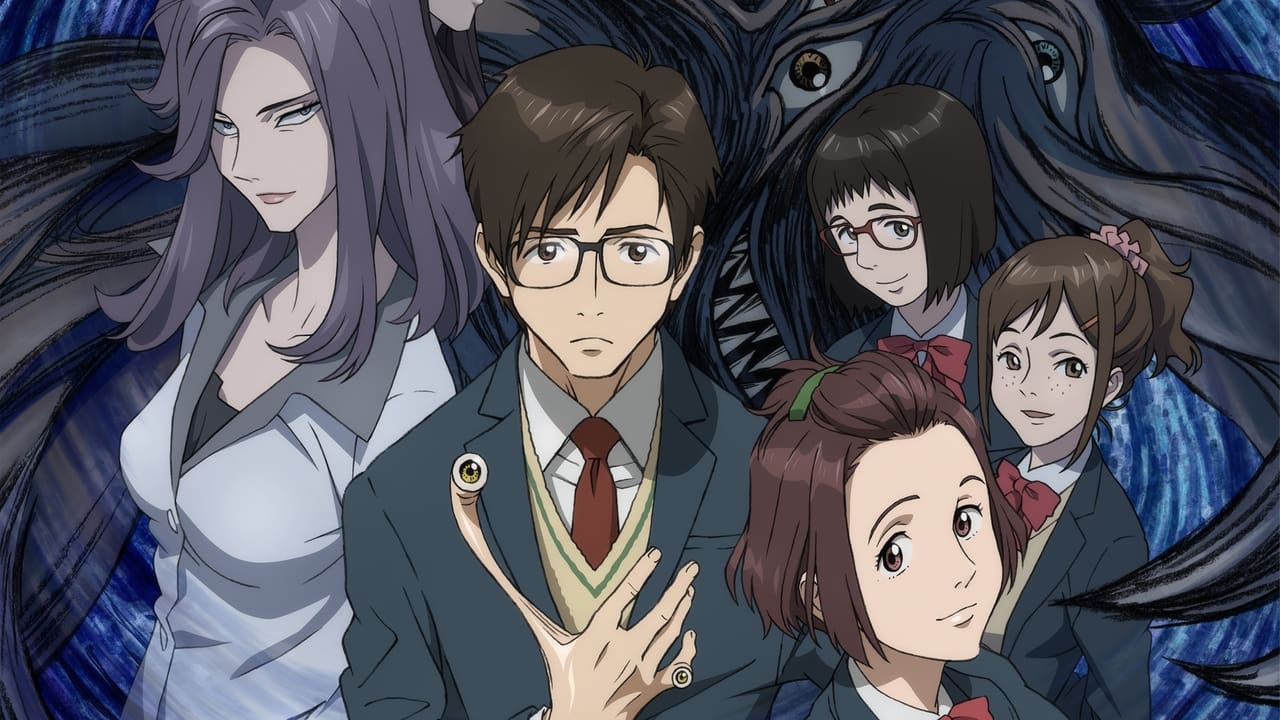
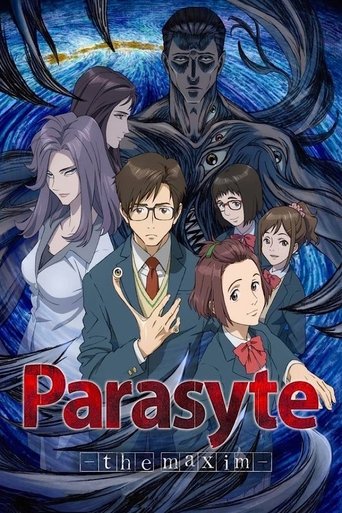
**Parasyte: The Maxim** (2014–2015) ★ 8.3

Parasitic aliens arrive on Earth and burrow into human hosts, consuming their brains and taking control. One parasite fails to reach Shinichi's brain and merges with his right hand instead. Migi — the parasite in his hand — has no concept of human emotion and keeps offering Shinichi utilitarian solutions to problems he can't solve that way: kill the threat, abandon the person, prioritize survival. Their ongoing argument about what it means to be human is the show's real plot.
23

**Haikyuu!!** (2014–2020) ★ 8.7

Hinata Shoyo is a short middle schooler who falls in love with volleyball after seeing a player nicknamed the Small Giant on TV. He enrolls in the same high school and joins the team — where his rival from middle school is also a setter. No superpowers, no cosmic stakes: just volleyball. The Karasuno vs. Shiratorizawa match (Season 3, all 10 episodes) is one episode per set of a single match, and it works because the show spent two seasons making you understand what each point costs.
**Overlord** (2015–present) ★ 7.8
24

**Overlord** (2015–present) ★ 7.8

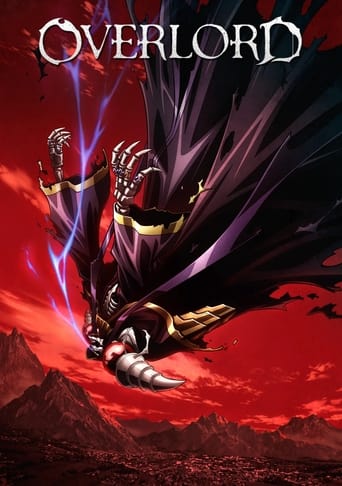
Momonga is a salaryman playing a dying MMORPG on its final night of operation. When the servers are supposed to shut down, he finds himself transported into the game world as his undead sorcerer character — unkillable, all-powerful, surrounded by NPC followers who are now real. He is a mild-mannered office worker in a god's body, accidentally creating legends about himself by making pragmatic decisions that everyone around him interprets as genius. The comedy is in the gap between who he is and what they see.
25

**Re:Zero** (2016–present) ★ 8.3

Natsuki Subaru is pulled from modern Japan into a fantasy world with no warning and no explanation. He discovers he has a single ability: when he dies, time resets to a recent checkpoint, and only he retains the memory. The show takes the psychological cost seriously — by Episode 18, Subaru has died enough times trying to save the same people that his grief has calcified into something closer to PTSD. The confession scene in Episode 18 is the emotional center of the whole series.
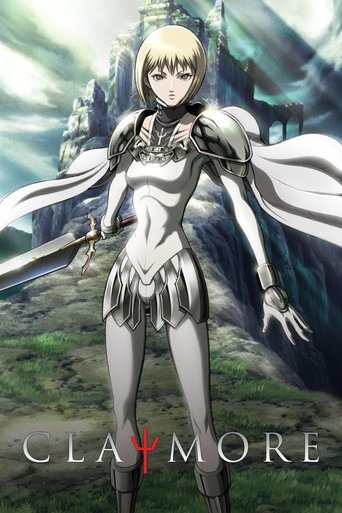
**Claymore** (2007) ★ 7.9
26

**Claymore** (2007) ★ 7.9

Clare is a Claymore — a half-human, half-monster warrior created by an organization to hunt the demons called Yoma that prey on human villages. The Claymores are all women, all fighting a transformation they will eventually lose. Dark fantasy with excellent mythology, a strong lead character, and a fight against a genuinely overwhelming enemy in the second half. One season — the anime ends before the manga's conclusion.
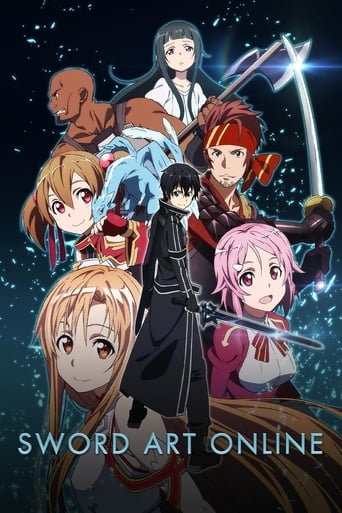
**Sword Art Online** (Season 1) (2012) ★ 7.5
27

**Sword Art Online** (Season 1) (2012) ★ 7.5
Ten thousand players log into the first full-dive virtual reality MMO on its launch day and discover the game's creator has locked them inside — and dying in the game means dying in real life. Kirito, a veteran beta tester, works through the 100 floors of the game's dungeon. The Aincrad arc (the first half of Season 1) is excellent trapped-in-a-game storytelling with genuine stakes. Later arcs introduce new premises that are widely considered weaker.
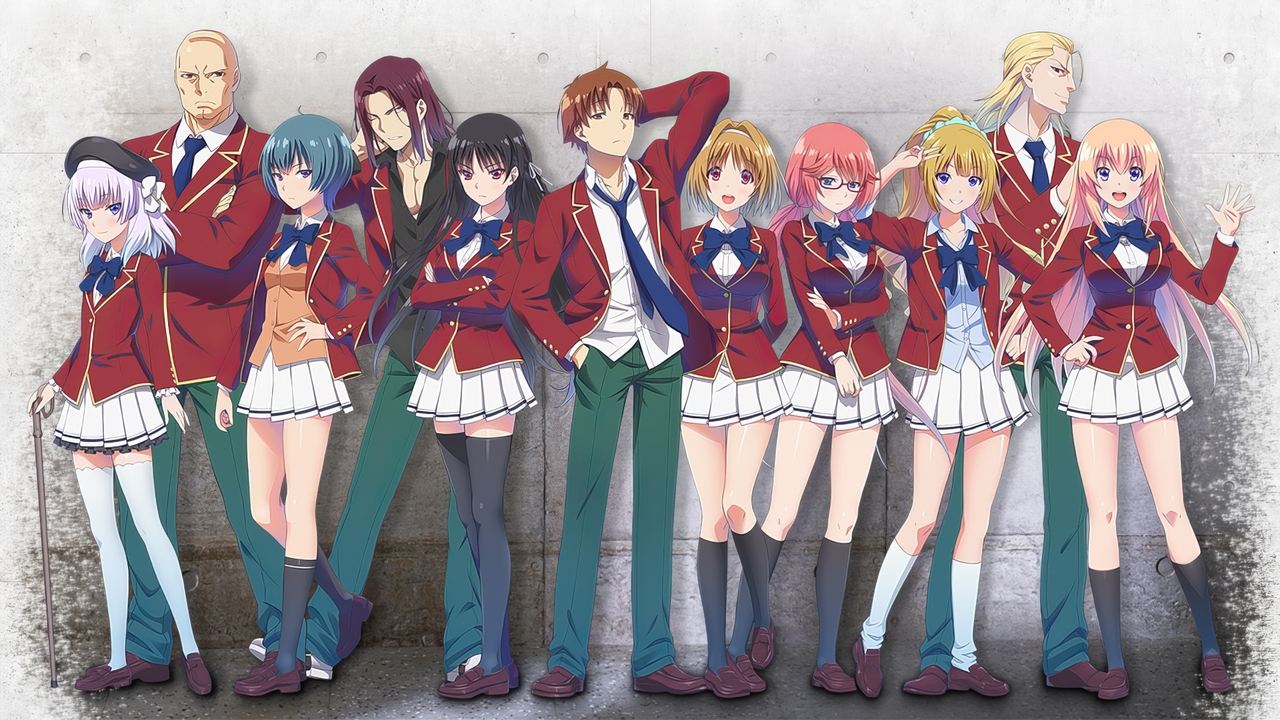
**Classroom of the Elite** (2017–present) ★ 7.8

28

**Classroom of the Elite** (2017–present) ★ 7.8
Kiyotaka Ayanokoji enrolls in an elite high school where student classes compete against each other for resources and privileges, with the lowest-ranked classes facing expulsion. Ayanokoji is placed in Class D — the worst class — and hides extraordinary social and strategic intelligence behind deliberate mediocrity. The school runs as a social Darwinian experiment and Ayanokoji plays it like chess, making it closer to Death Note in structure than conventional school drama.
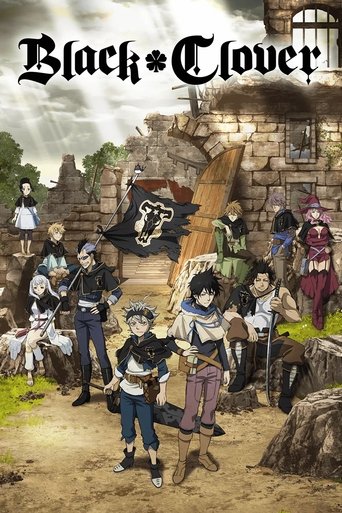
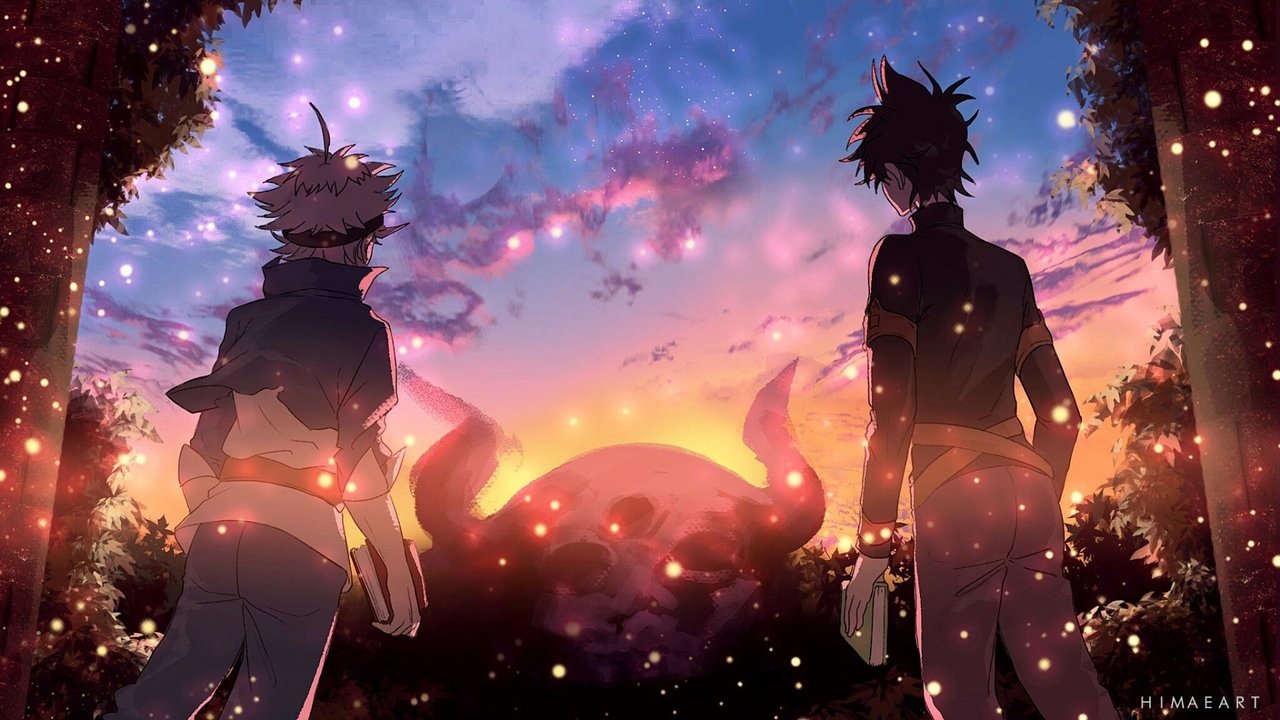
**Black Clover** (2017–2021) ★ 8.1
29

**Black Clover** (2017–2021) ★ 8.1

Asta is born with no magic in a world where magic determines everything — status, career, worth. His best friend Yuno is born with exceptional magical talent. Asta receives a grimoire of anti-magic and enrolls in the Magic Knights anyway. Standard shonen setup that earns its place through genuinely strong arc construction and character work in the later episodes. The final arcs deliver some of the genre's best recent achievement.
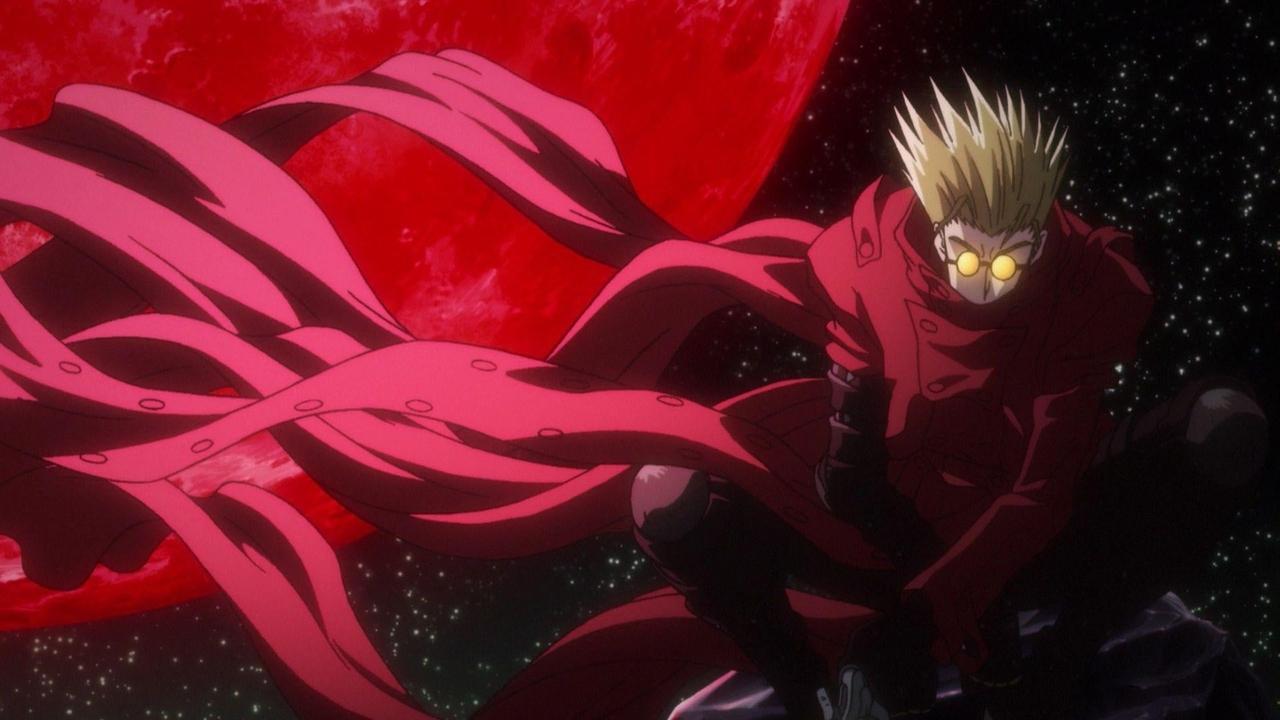
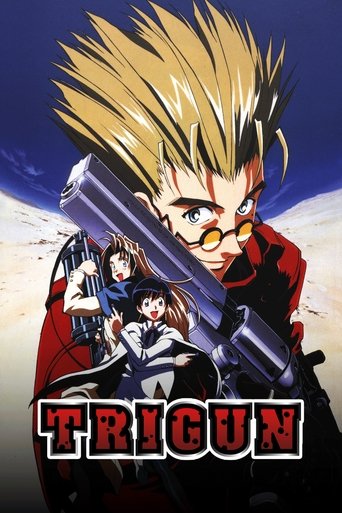
**Trigun** (1998) ★ 8.2
30

**Trigun** (1998) ★ 8.2

Vash the Stampede has a $60 billion bounty on his head and a reputation for leaving craters where towns used to be. Insurance agents follow him across a desert planet to minimize the damage. He turns out to be a committed pacifist who has never killed anyone. The show runs as screwball comedy — Vash stumbling through disasters — while revealing his history episode by episode until the full weight of what he's been carrying becomes clear. Episode 17, "Rem Saverem," is where the tone shift is complete.
Section 2

Anime by Genre/Mood

| Type | Best Pick | |------|-----------| | Entry-level | FMA Brotherhood, Attack on Titan, Death Note | | Psychological | Steins;Gate, Monster, Neon Genesis | | Action | Demon Slayer, Jujutsu Kaisen, One Punch Man | | Sports | Haikyuu!! | | Philosophical | Monster, Vinland Saga, Cowboy Bebop |

Section 3

Want More?

- [Best Animated Movies](/blog/best-animated-movies) — includes Akira, Your Name, Spirited Away - [Best Sci-Fi TV Shows](/blog/best-sci-fi-tv-shows) — live-action counterparts - [Best TV Shows of All Time](/blog/best-tv-shows-of-all-time) — full definitive list - [Shows best/anime](/shows/best/anime)