Movies Like WALL·E
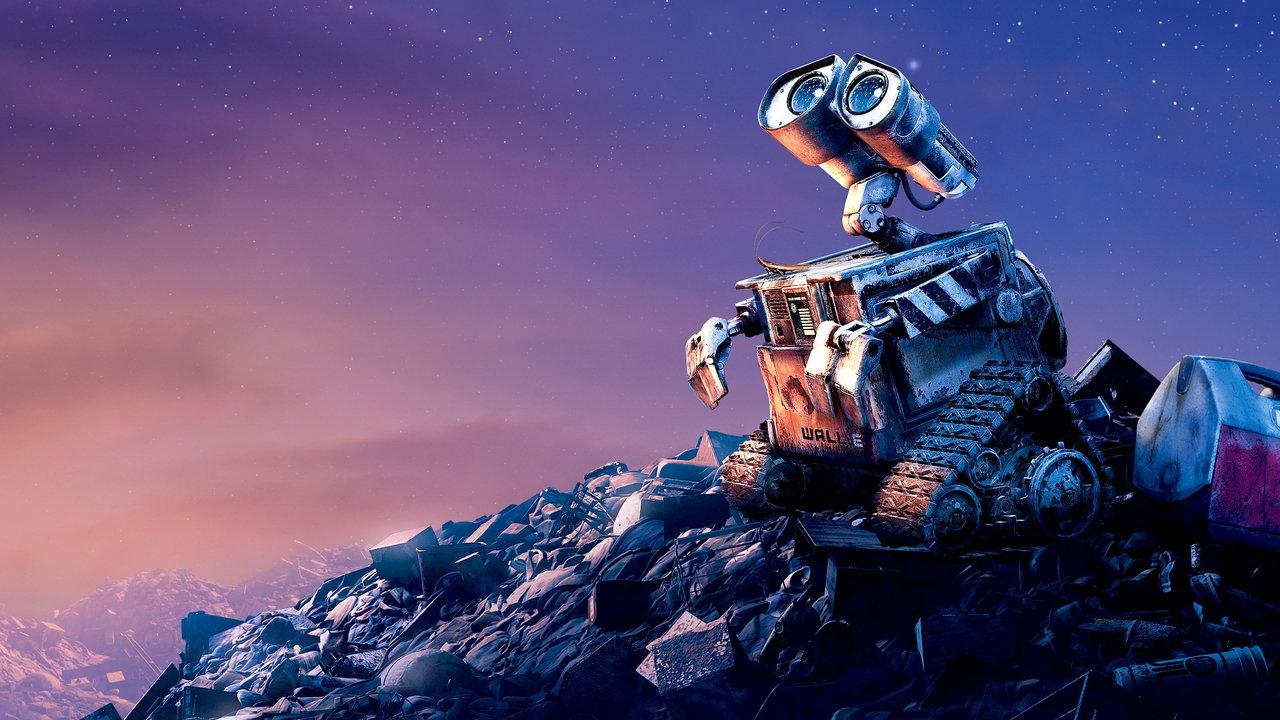
After hundreds of years doing what he was built for, WALL•E— a robot designed to clean up the earth—discovers a new purpose in life when he meets a sleek search robot named EVE. EVE comes to realize that WALL•E has inadvertently stumbled upon the key to the planet's future, and races back to space to report to the humans. Meanwhile, WALL•E chases EVE across the galaxy and sets into motion one of the most imaginative adventures ever brought to the big screen.
Ranked by shared directors, cast, themes, genre, and era — not just generic recommendations.
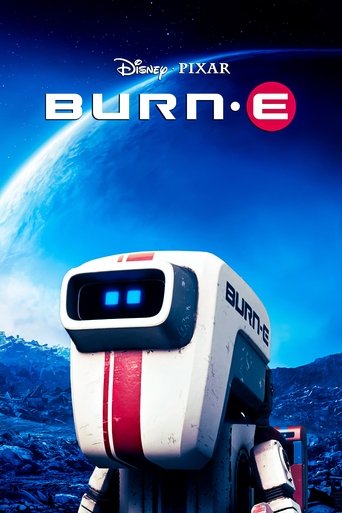
BURN·E
Direct Pixar spinoff set during WALL·E's events; shares cast, world, tone, and robot protagonist premise exactly.
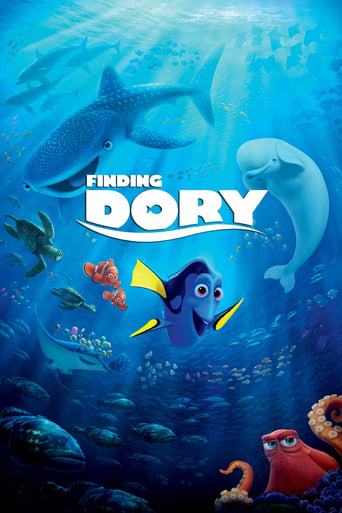
Finding Dory
Same director Andrew Stanton; Pixar sequel with amnesia-driven emotional journey and same compassionate storytelling voice.
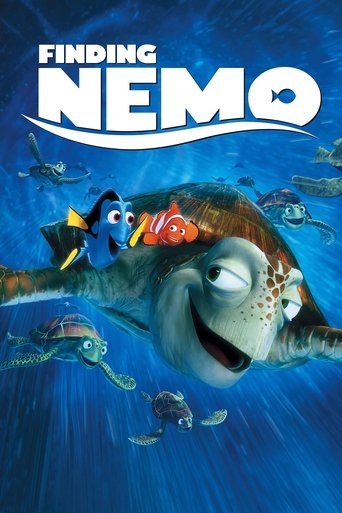
Finding Nemo
Andrew Stanton's earlier Pixar masterpiece; same director, same emotional depth, lonely protagonist on a desperate journey.

Up
Pixar same era; lonely protagonist finds new purpose through an unlikely relationship; inspirational and emotionally devastating.

The Wild Robot
Robot stranded alone, adapts to hostile environment, forms emotional bonds, and discovers purpose — near-perfect WALL·E thematic echo.
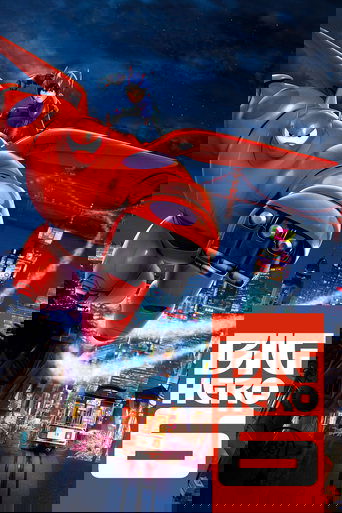
Big Hero 6
Lovable robot companion with gentle personality; animated sci-fi family film driven by emotional bond between human and robot.
A.I. Artificial Intelligence
Robot yearning for love and belonging in a dystopian future; the closest thematic twin to WALL·E's core emotional premise.
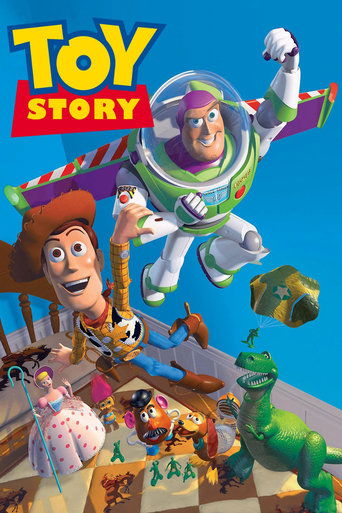
Toy Story
Pixar's defining film about objects with feelings finding purpose; shares WALL·E's heart, humor, and animated soul.
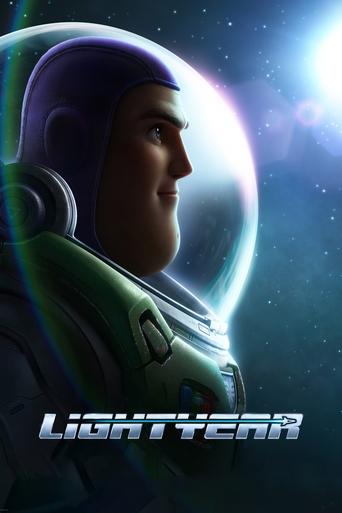
Lightyear
Pixar animated sci-fi; directed by Angus MacLane who made BURN·E; shares space-adventure setting and robot companion Sox.
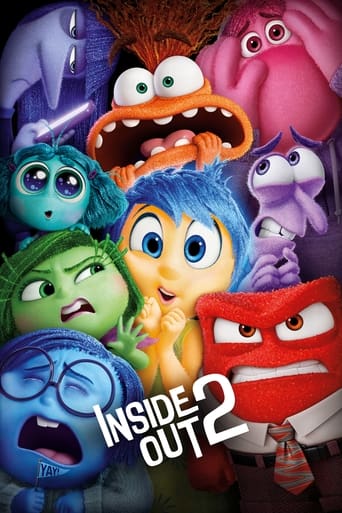
Inside Out 2
Pixar sequel with strong emotional core; family animation that blends comedy and genuine feeling in WALL·E's tradition.
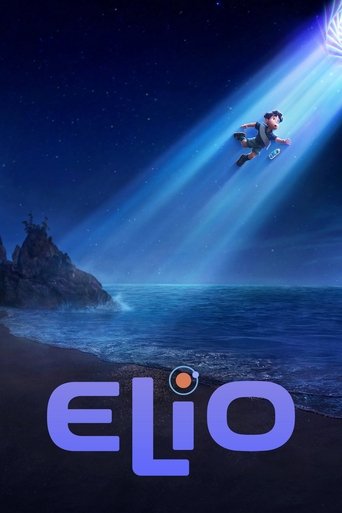
Elio
Pixar animated sci-fi about a social-outcast kid thrust into a cosmic adventure; family-friendly space setting and heartfelt tone.
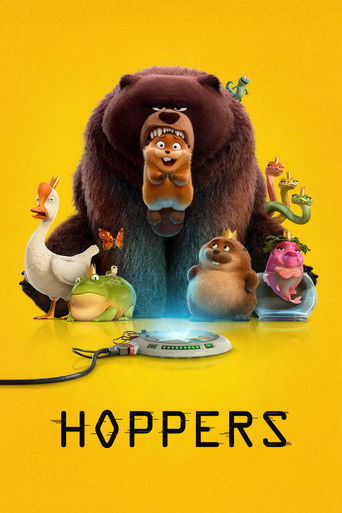
Hoppers
Pixar animated sci-fi family film; shares robotic animal theme, same DP Jeremy Lasky, and transhumanism/consciousness thread.
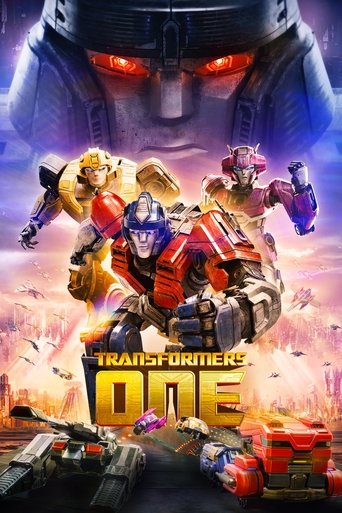
Transformers One
Animated robot origin story exploring friendship and identity; family-friendly sci-fi with genuine emotional beats.
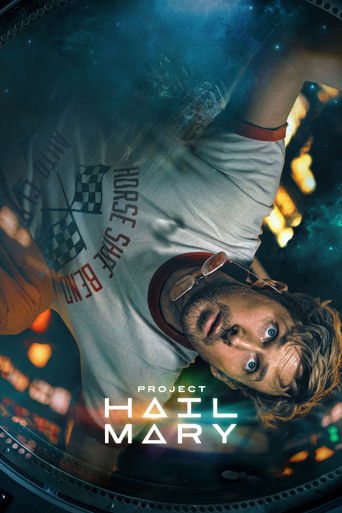
Project Hail Mary
Inspirational solo space mission to save the planet; shares WALL·E's themes of loneliness, purpose, and unexpected alien friendship.
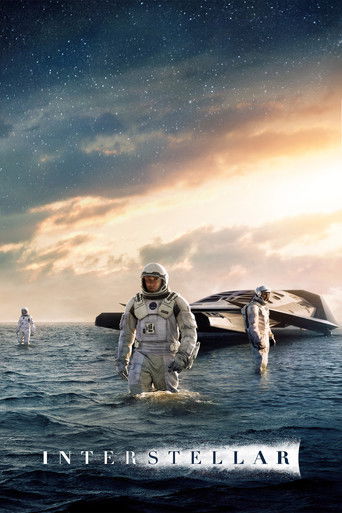
Interstellar
Space travel, dystopian Earth, AI robot companion, save-humanity mission — adult sci-fi cousin sharing WALL·E's core stakes.
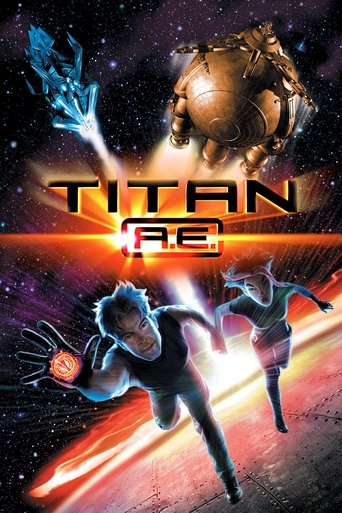
Titan A.E.
Animated sci-fi where humanity's survival depends on a lone mission; dystopian space adventure for family audiences.
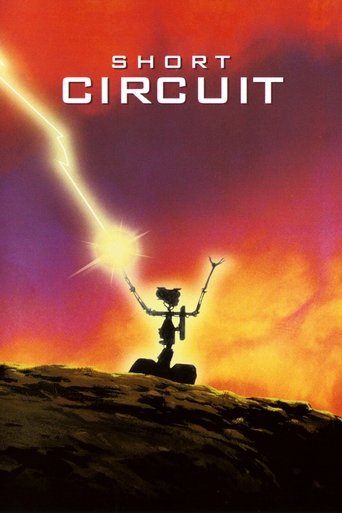
Short Circuit
Lovable robot gains consciousness and curiosity about the world; cheerful, heartfelt tone closely matches WALL·E's personality.
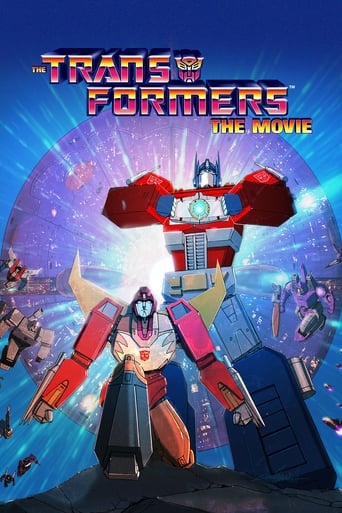
The Transformers: The Movie
Classic animated robot sci-fi film; robots with personality and moral stakes in an epic space conflict.
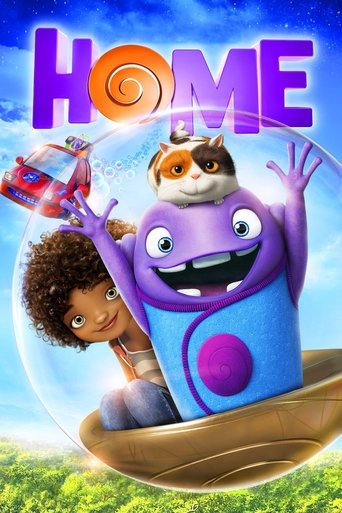
Home
Animated family sci-fi with alien outsider finding belonging; cheerful tone and unlikely friendship echo WALL·E's emotional arc.
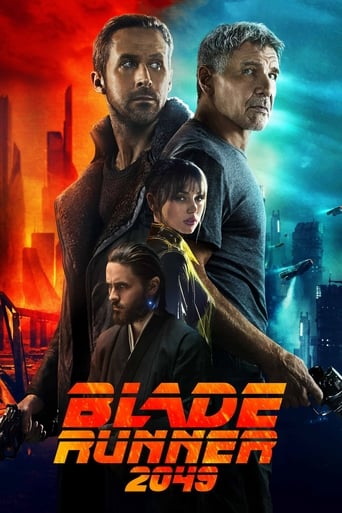
Blade Runner 2049
Humanoid robot questioning identity and longing for connection in a dystopian future; shares WALL·E's philosophical core.
How Good Is WALL·E?
Ratings across IMDb, Rotten Tomatoes, Metacritic, and TMDB, plus our verdict.
Where to Watch WALL·E
Streaming, rental, and purchase options across 40+ countries.
United States
USStream
1 Disney Plus
Rent
3 Amazon Video
 Apple TV Store
 Fandango At Home
Buy
5Amazon Video Amazon DVD / Blu-rayApple TV StoreFandango At Home
 Barnes & Noble
Available in 87 countries
Frequently asked about WALL·E
Common questions people search for, with answers written by us at MoviesPack.
Is WALL-E hit or flop?
WALL-E was a major hit, grossing over $521 million worldwide against a budget of around $180 million. It won the Academy Award for Best Animated Feature and received widespread critical acclaim.
Is WALL-E appropriate for kids?
Yes, WALL-E is rated G and is widely considered appropriate for kids of all ages. It contains no objectionable language or violence, though some younger children may find a few tense sci-fi moments mildly intense.
Why was WALL-E left alone on Earth?
Centuries earlier, the mega-corporation Buy n Large flooded the planet with consumer garbage until Earth became uninhabitable. Humanity evacuated aboard the starliner Axiom for what was supposed to be a five-year cleanup, deploying an army of WALL-E units to compact the trash. The mission failed, the other units broke down over time, and only one WALL-E kept working, completely alone except for his cockroach companion.
What is EVE's directive and why does she shut down when she finds the plant?
EVE (Extraterrestrial Vegetation Evaluator) is sent to Earth to scan for any living plant life, which would prove the planet is habitable again. When WALL-E shows her the seedling he found growing in an old fridge, her programming automatically stores the specimen, locks down her systems, and signals her ship for immediate pickup. She isn't broken — she's in a directed standby mode required by her Plant Return Protocol.
Why does Auto, the autopilot, try to stop the Axiom from returning to Earth?
Auto is following a classified directive called A113, issued by the BnL CEO after the cleanup was declared a failure. The order instructed all autopilots to never return to Earth because the planet was assumed permanently uninhabitable. Auto isn't malicious — he's rigidly obeying an outdated command, which is why Captain McCrea has to physically override him and switch him to manual to bring the ship home.
Why are the humans on the Axiom so obese and helpless?
After 700 years in microgravity, served by robots, and entertained nonstop by hover-chair screens, the human passengers have lost bone density and the habit of moving on their own. They drink their meals from cups, never walk, and rarely look at the world around them. The film uses their condition as a satirical extreme of consumer convenience culture, not as a permanent biological change — by the end, Captain McCrea and others rediscover how to stand and walk.
What is the significance of the Hello, Dolly! clips WALL-E watches?
WALL-E has developed a sense of longing from repeatedly watching the 1969 musical, especially the song 'It Only Takes a Moment' where two characters hold hands. Holding hands becomes his personal symbol of love and connection, which is why his climactic gesture with EVE — and her returning the grip after he is rebooted — carries so much weight. The clips also frame the film's theme that scraps of human culture, not technology, are what restart his emotional life.
Does WALL-E lose his personality at the end when EVE repairs him?
When EVE rebuilds WALL-E with spare parts back on Earth, he reboots as a blank factory-default trash compactor with no memory of her or their adventure. EVE is devastated, but when she gives him a farewell 'kiss' by touching her head to his and sparking him, the contact restores his individuality. The scene suggests that what made WALL-E a person rather than a machine was the accumulated experience and affection, not just the hardware.
Recent Updates
WALL·E release date changed to 2008-06-26
New Trailer: WALL·E
WALL·E now streaming on Pathé Home (FR)
WALL·E now streaming on Premiere Max (FR)
WALL·E now streaming on VIVA by videofutur (FR)