Movies Like Gladiator
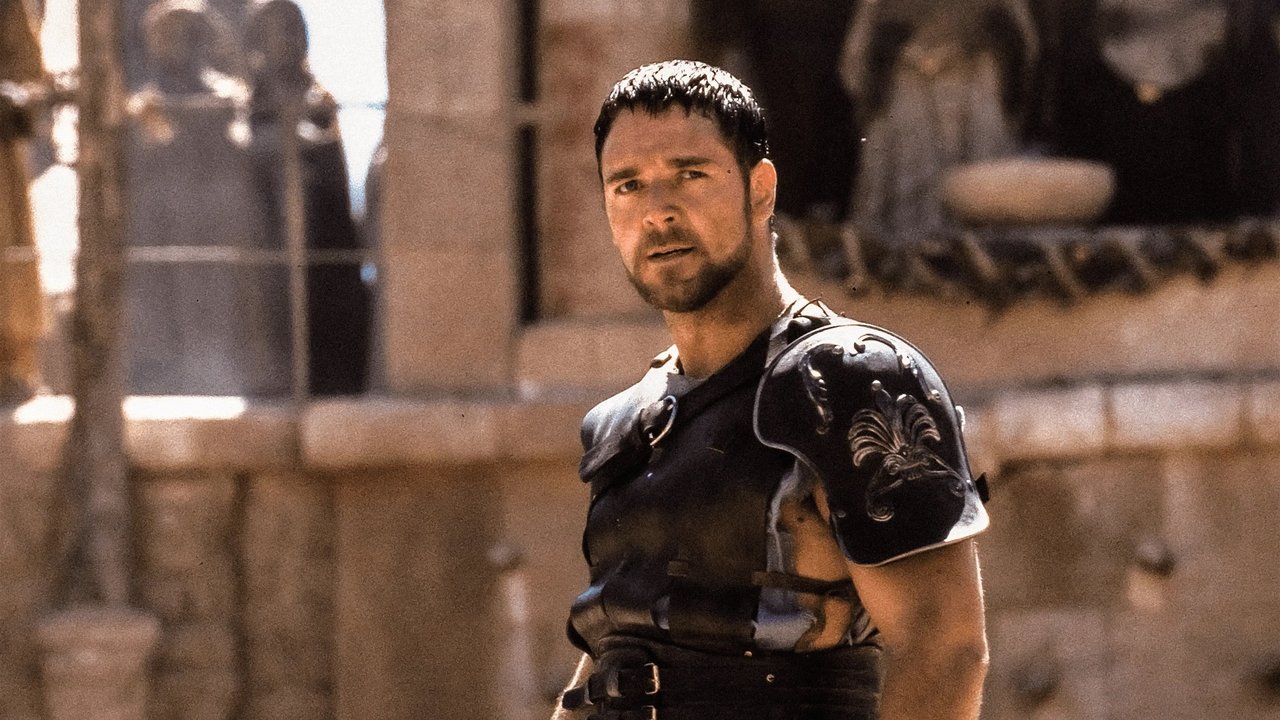
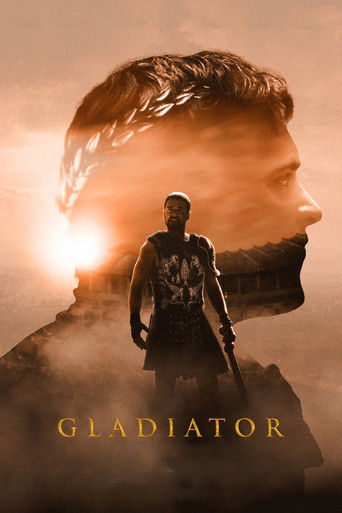
After the death of Emperor Marcus Aurelius, his devious son takes power and demotes Maximus, one of Rome's most capable generals who Marcus preferred. Eventually, Maximus is forced to become a gladiator and battle to the death against other men for the amusement of paying audiences.
Ranked by shared directors, cast, themes, genre, and era — not just generic recommendations.
Gladiator II
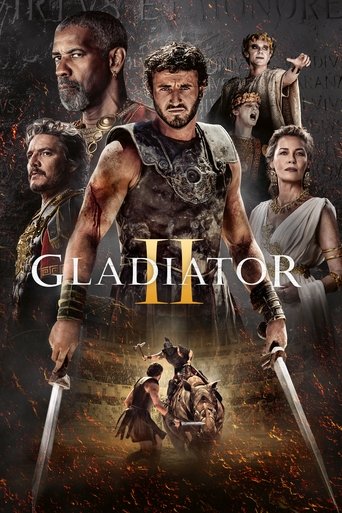
Direct sequel by same director set in same Roman Colosseum world, continuing the Gladiator franchise.
Spartacus
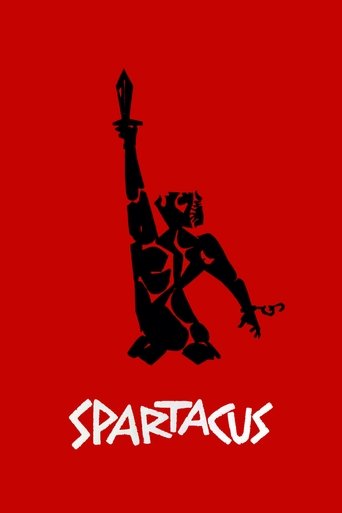
Gladiator slave rebels against Roman Empire in the arena — the definitive genre precursor with identical setting and themes.
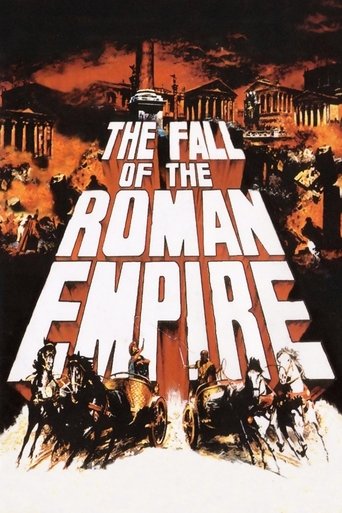
The Fall of the Roman Empire
Covers the exact same historical moment: Marcus Aurelius, Commodus, and succession crisis in 2nd-century Rome.
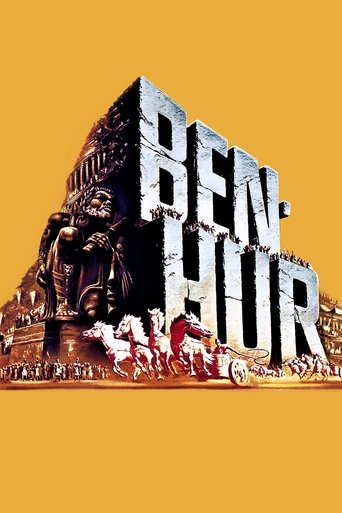
Ben-Hur
Epic Roman Empire revenge saga with iconic arena combat (chariot race). Same audience, scale, and redemption arc.
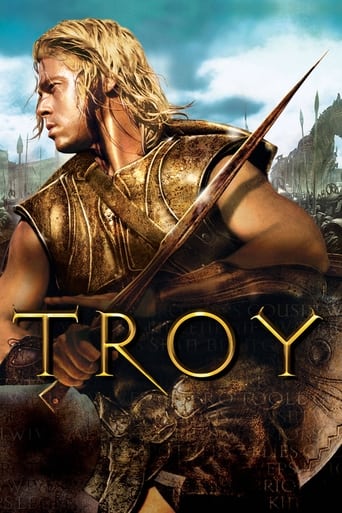
Troy
Ancient-world epic war film with sword-and-sandal combat and historical grandeur; overlapping fanbase.
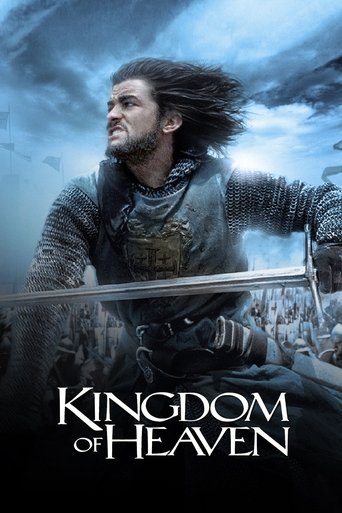
Kingdom of Heaven
Ridley Scott epic historical action — a blacksmith rises to command armies against a backdrop of political betrayal.

Black Hawk Down
Ridley Scott at his most visceral — intense combat filmmaking with the same kinetic battle choreography.
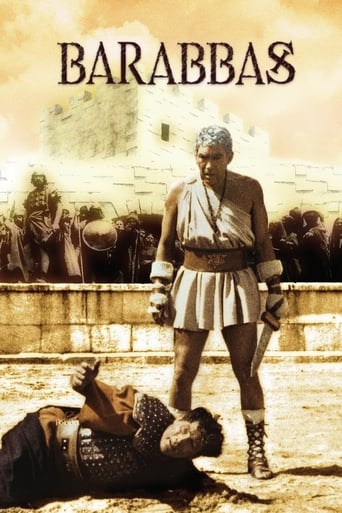
Barabbas
Roman Empire gladiatorial arena, slavery, and survival — direct genre sibling with near-identical setting.
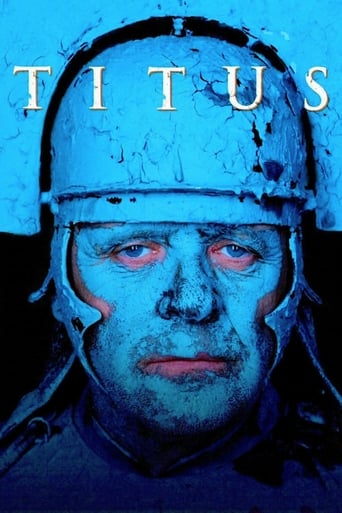
Titus
Ancient Rome, military commander, revenge cycle — Shakespeare's bloodiest Roman tragedy shares Gladiator's core DNA.
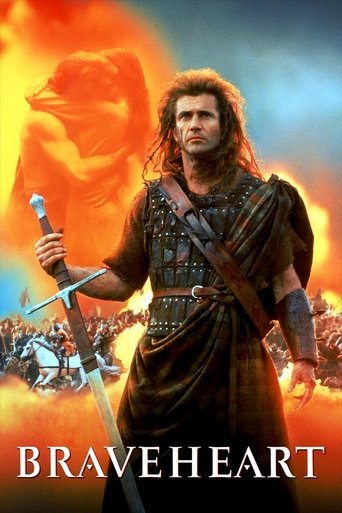
Braveheart
Warrior-hero fights oppressive empire for family and freedom — the closest tonal and structural parallel outside Rome.
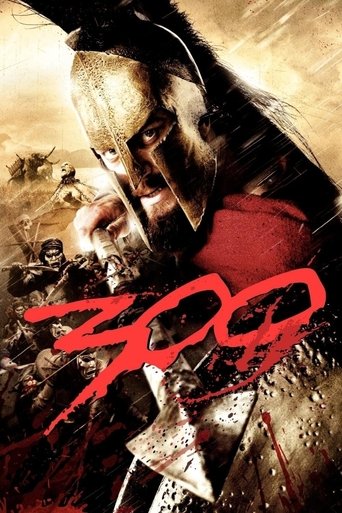
300
Ancient combat epic with outnumbered warriors, heroic sacrifice, and stylized battlefield spectacle — same genre peak.
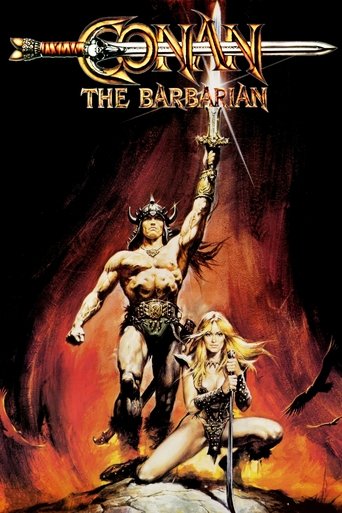
Conan the Barbarian
Enslaved barbarian warrior trains to fight in the arena and hunts the warlord who massacred his family — mirror premise.
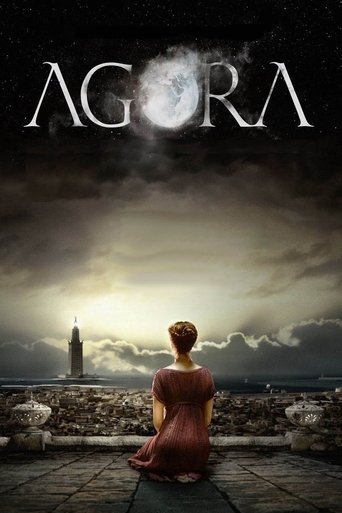
Agora
Roman Egypt at its political collapse — shares the ancient-world setting, empire themes, and philosophical underpinning.
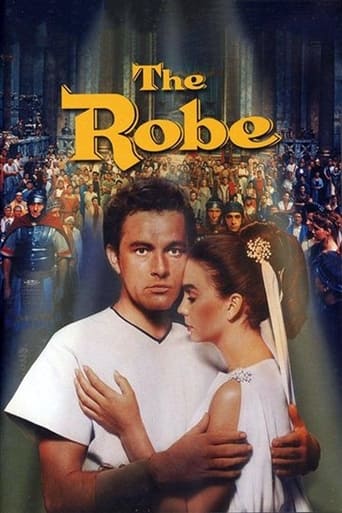
The Robe
Roman soldier in 1st-century empire wrestling with conscience — same Roman spectacle genre, earlier era.

William Tell
Father-protector resists tyrannical empire occupation — shares Gladiator's revenge/resistance arc in a medieval setting.
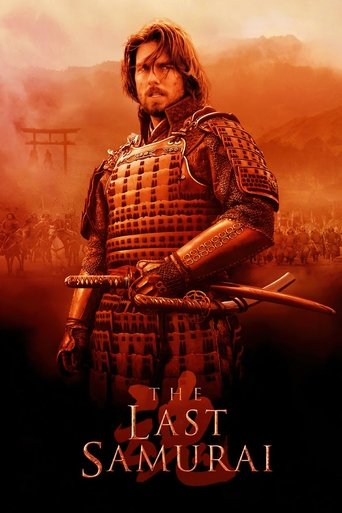
The Last Samurai
Outsider warrior absorbed into an ancient martial culture, honor over survival, epic final battle — strong tonal match.
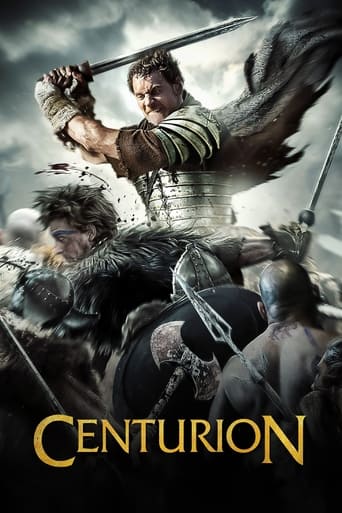
Centurion
Roman legionaries hunted through enemy territory — gritty ancient-Rome combat film with similar military setting.
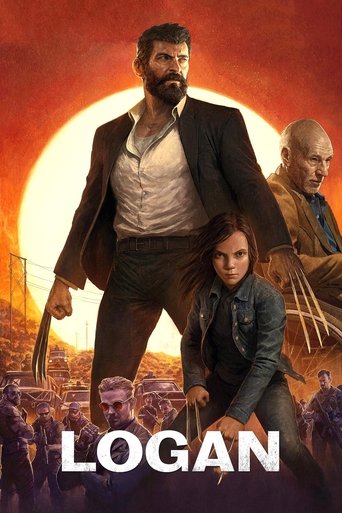
Logan
Aging warrior reluctantly drawn back into violence to protect an innocent — shares Gladiator's weary-hero emotional core.
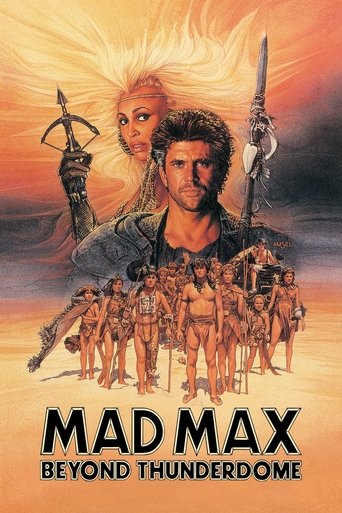
Mad Max Beyond Thunderdome
Arena combat, tyrannical ruler, and an exiled warrior — structurally mirrors Gladiator in a post-apocalyptic register.
The Duellists
Ridley Scott's debut epic — obsessive honor-driven combat between soldiers across decades, presages his Gladiator style.
How Good Is Gladiator?
Ratings across IMDb, Rotten Tomatoes, Metacritic, and TMDB, plus our verdict.
Where to Watch Gladiator
Streaming, rental, and purchase options across 40+ countries.
United States
USStream
7 fuboTV
 Paramount Plus Premium
 Paramount Plus Essential
 Philo
Philo Paramount+ Amazon Channel
 Kanopy
 YouTube TV
Rent
5 JustWatch TV
 Amazon Video
 Fandango At Home
 Spectrum On Demand
 Apple TV Store
Buy
6Amazon VideoApple TV Store Barnes & Noble
 Amazon DVD / Blu-rayFandango At Home
 Zavvi
ZavviAvailable in 120 countries
Frequently asked about Gladiator
Common questions people search for, with answers written by us at MoviesPack.
Was Gladiator based on a true story?
Gladiator is a fictional story, not based on a true account, though it is set against the real historical backdrop of Emperor Marcus Aurelius's death in 180 AD and his son Commodus's reign. The character Maximus is invented, but Commodus was a real emperor who did fight as a gladiator in the arena and was killed in 192 AD, though he was strangled by a wrestler named Narcissus rather than dying in combat.
Is Gladiator a hit or flop?
Gladiator was a major box office hit, grossing over $460 million worldwide against a production budget of around $103 million. It also won five Academy Awards, including Best Picture and Best Actor for Russell Crowe.
Why does Commodus kill his own father, Emperor Marcus Aurelius?
Marcus Aurelius tells Commodus that he intends to pass power to Maximus rather than his own son, wanting Rome returned to the Senate and guided by a proven leader of virtue. Commodus, enraged and devastated by this rejection, embraces his father and suffocates him before the handover can be arranged. The act is driven by a mix of wounded pride, ambition, and the fear of being judged unworthy — the very qualities Marcus Aurelius listed as virtues that Commodus lacks.
How does Maximus end up as a gladiator after escaping execution?
After Commodus orders the execution of Maximus and the murder of his wife and son in Spain, Maximus kills his guards and rides hard for home, but arrives too late — his family has already been crucified and burned. Collapsing from his wounds, he is captured by slave traders and sold to Proximo, a lanista (gladiator trainer) in North Africa. Proximo recognizes his combat skill immediately and begins grooming him for the arena.
What is the significance of Maximus burying small figurines of his wife and son before each fight?
The clay figurines are household gods — Lares, the Roman protective spirits of family and home. Maximus buries them in the arena soil as a ritual to keep his family spiritually present with him and to maintain his connection to what he is fighting for. The act also signals that his true motivation is not survival or glory but reunion with his family in the afterlife, reinforcing his belief that a good death in honorable combat will carry him to Elysium.
What does the ending mean — is Maximus actually dead, and where does he go?
Yes, Maximus dies from the stab wound Commodus inflicts before their arena duel, though he fights on long enough to kill Commodus first. The film frames his death as the fulfillment of his journey: he sees a vision of the golden wheat fields and the wooden door of his home, the same imagery shown throughout as his vision of Elysium. In Roman belief Elysium was the paradise reserved for heroes and the virtuous, so the ending presents his death not as tragedy but as reunion with his murdered family.
Why does Commodus challenge Maximus to a one-on-one duel in the Colosseum rather than simply having him killed quietly?
By the film's climax, Commodus has lost the loyalty of the Senate, the military, and much of the crowd, and he recognizes that Maximus — now beloved as the gladiator 'Spaniard' — has become a symbol of opposition to his rule. He calculates that killing Maximus publicly in single combat would restore his own image of strength and decisiveness. To tilt the odds he secretly stabs Maximus in the cells before the fight, though even a mortally wounded Maximus proves more than he can handle.
Recent Updates
New Trailer: Gladiator
Gladiator now streaming on Sooner (FR)
Gladiator now streaming on ARTE Boutique (FR)
Gladiator now streaming on Pathé Home (FR)
Gladiator now streaming on Premiere Max (FR)