Movies Like Spartacus
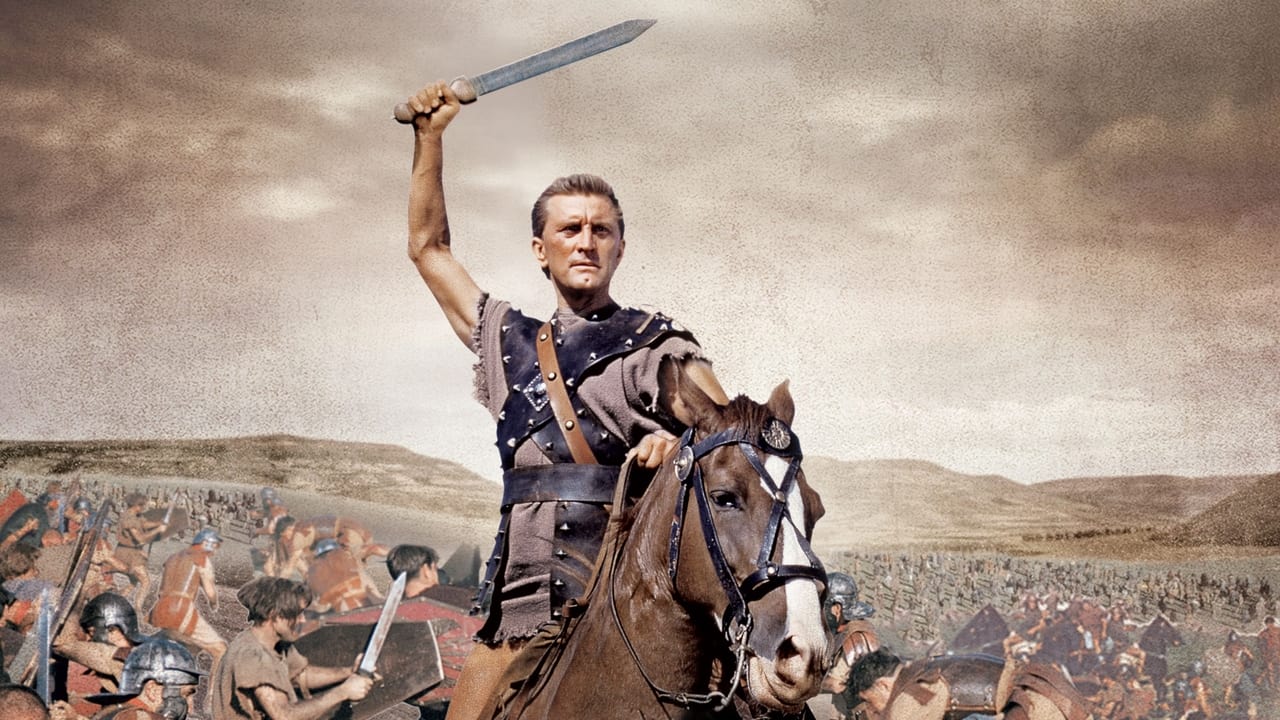
The rebellious Thracian Spartacus, born and raised a slave, is sold to Gladiator trainer Batiatus. After weeks of being trained to kill for the arena, Spartacus turns on his owners and leads the other slaves in rebellion. As the rebels move from town to town, their numbers swell as escaped slaves join their ranks. Under the leadership of Spartacus, they make their way to southern Italy, where they will cross the sea and return to their homes.
Ranked by shared directors, cast, themes, genre, and era — not just generic recommendations.
Gladiator
Iconic Roman gladiator epic with arena combat, slavery, and rebellion against tyrannical power
Ben-Hur
Quintessential Roman-era epic from the same era featuring slavery, rebellion, and grand spectacle
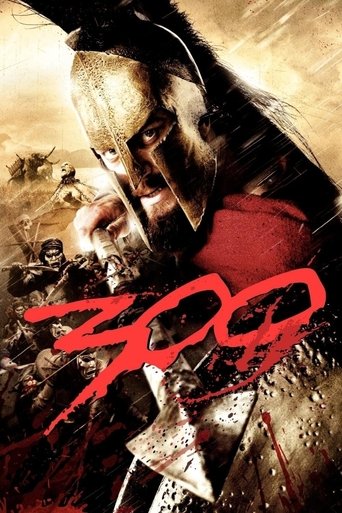
300
Ancient warrior epic centered on a doomed stand against an empire
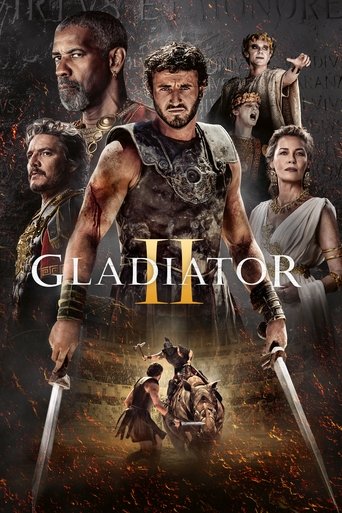
Gladiator II
Modern sword-and-sandal sequel with arena combat in the Roman Empire
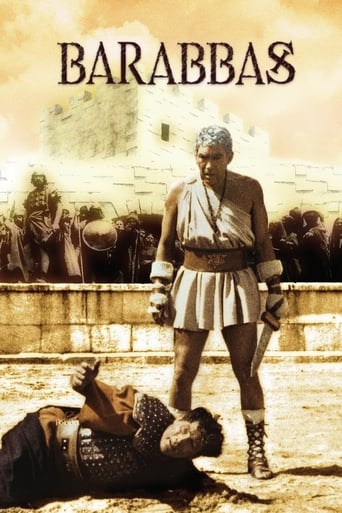
Barabbas
Same-era Roman Empire epic with slavery, gladiatorial scenes, and 1st-century setting
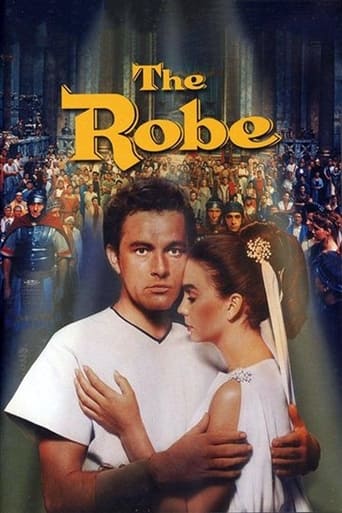
The Robe
Classic Roman Empire epic with slavery and 1st-century setting; shares Jean Simmons
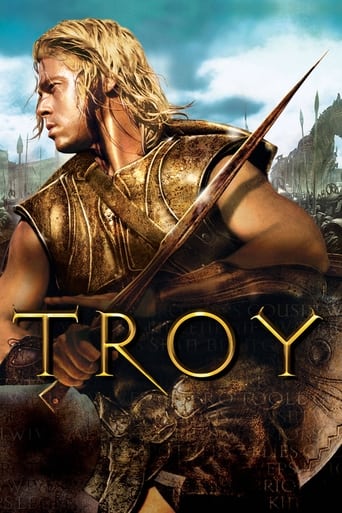
Troy
Ancient-world historical war epic with mass battles and heroic combat
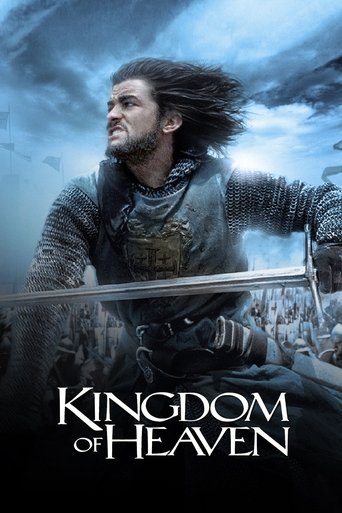
Kingdom of Heaven
Sweeping historical war epic about idealism, conquest, and battlefield combat
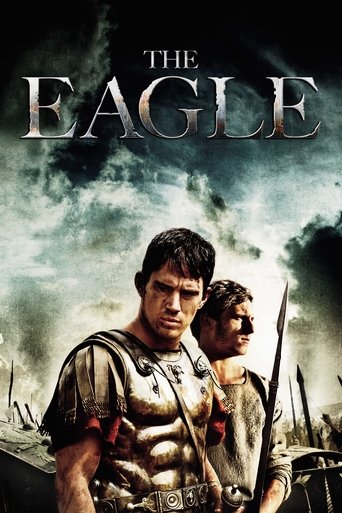
The Eagle
Roman Empire adventure exploring slavery, honor, and conflict on the empire's edge
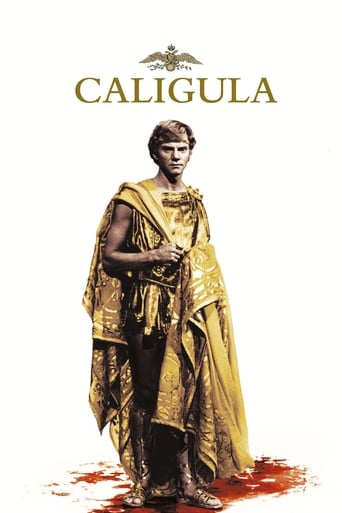
Caligula
Decadent Roman Empire drama set in the same 1st-century political world
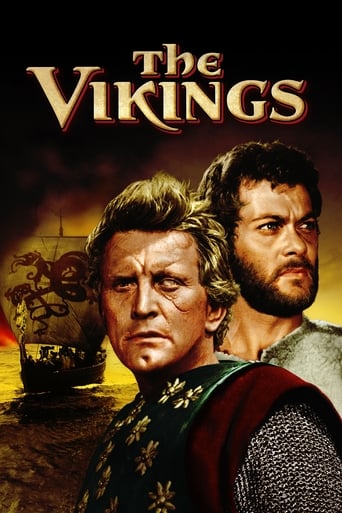
The Vikings
Same-era historical adventure with slavery and brutal combat; co-stars Kirk Douglas and Tony Curtis

The 300 Spartans
Same-era ancient-world war epic about resistance against an empire
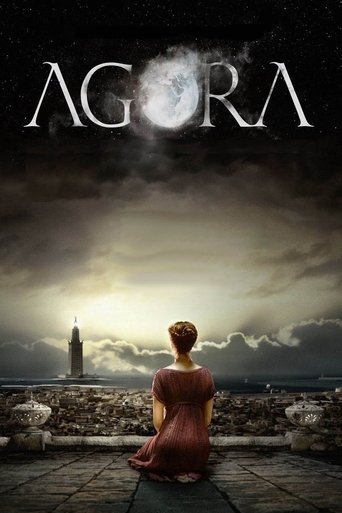
Agora
Roman Empire historical drama exploring slavery, freedom, and ideological revolt
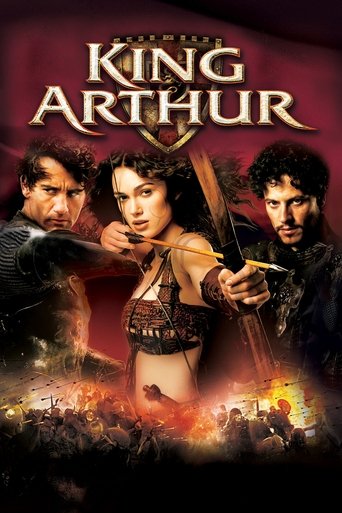
King Arthur
Roman-era historical war epic about soldiers fighting for freedom
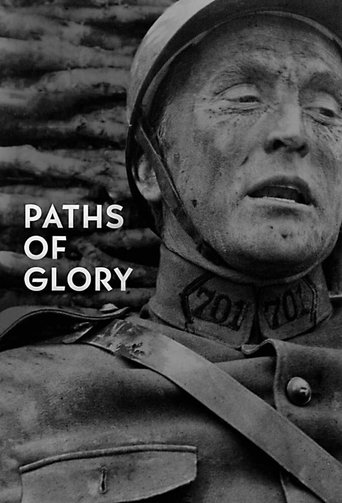
Paths of Glory
Kubrick/Kirk Douglas anti-authority war drama about rebellion within a hierarchical military
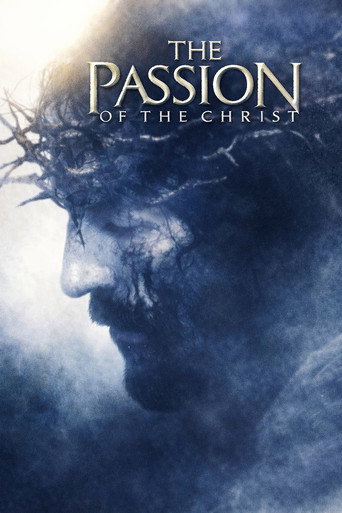
The Passion of the Christ
Brutal 1st-century Roman Empire drama centered on torture and martyrdom
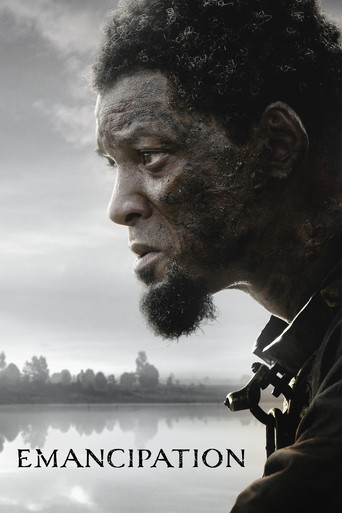
Emancipation
Historical drama about an enslaved man's perilous escape and fight for freedom
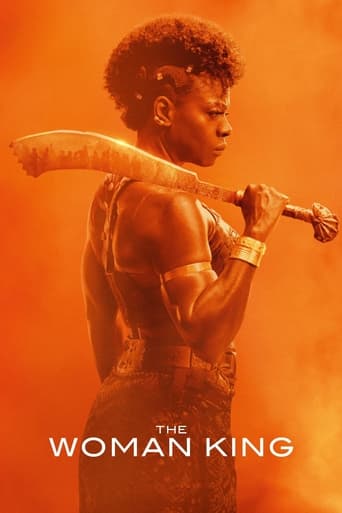
The Woman King
Historical war epic about warriors resisting slave traders and oppression
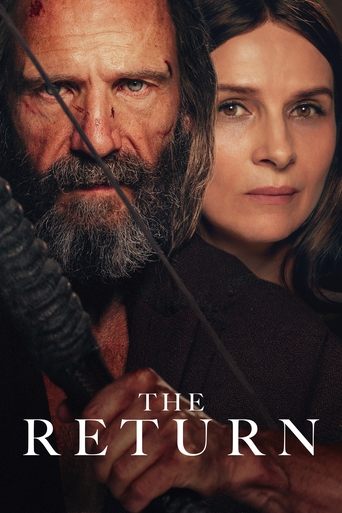
The Return
Ancient-world historical drama with mythic-scale heroism and combat
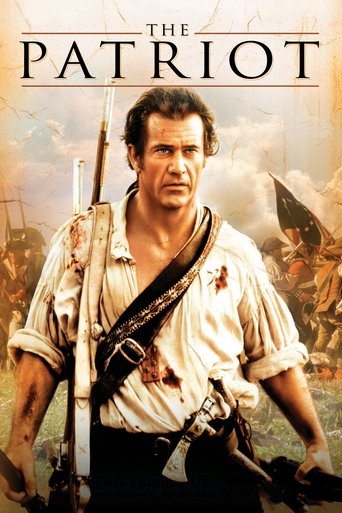
The Patriot
Historical war epic centered on insurgence and rebellion against an empire
How Good Is Spartacus?
Ratings across IMDb, Rotten Tomatoes, Metacritic, and TMDB, plus our verdict.
Where to Watch Spartacus
Streaming, rental, and purchase options across 40+ countries.
United States
USStream
4 Philo
Philo Spectrum On Demand
 Starz
Starz Starz Apple TV channel
Buy
3 Apple TV Store
 Fandango At Home
 Amazon DVD / Blu-ray
Available in 129 countries
Frequently asked about Spartacus
Common questions people search for, with answers written by us at MoviesPack.
Why was Spartacus banned?
Spartacus was not formally banned in the United States, but it was boycotted by the American Legion because screenwriter Dalton Trumbo was a blacklisted member of the Hollywood Ten. The film was also censored in several countries and had scenes cut for its original release, most notably the homoerotic 'snails and oysters' bath scene between Crassus and Antoninus.
What was the controversial scene in Spartacus?
The most controversial scene was the bath scene between Crassus (Laurence Olivier) and his slave Antoninus (Tony Curtis), in which Crassus uses a metaphor about preferring both 'snails and oysters' to suggest bisexuality. The Production Code censors forced the scene to be cut before release in 1960, and it was restored for the 1991 re-release with Anthony Hopkins re-dubbing Olivier's dialogue.
What was the famous line from Spartacus?
The most famous line is 'I am Spartacus!', shouted in unison by the captured slaves who each stand up to claim the identity in order to protect the real Spartacus from being singled out by the Romans.
Is Spartacus movie a true story?
Spartacus is based on the real historical figure of Spartacus, a Thracian gladiator who led the Third Servile War against the Roman Republic from 73 to 71 BC. However, the film is a dramatization adapted from Howard Fast's 1951 novel, and many details, characters, and events, including the romance with Varinia and the crucifixion ending, are fictional or speculative.
Why does Spartacus choose to lead a slave rebellion rather than simply escape to freedom himself?
Spartacus acts after watching a fellow slave, Draba, refuse to kill him in the gladiatorial arena and instead turn on the Roman masters — only to be executed for it. That act of defiance plants the seed. When the opportunity arises during the revolt at Batiatus's school, Spartacus leads it not just for his own freedom but because he cannot accept a world where people are owned; freedom for himself alone would be meaningless while others remain enslaved.
What is the significance of the 'I am Spartacus' scene, and why do the slaves all claim to be him?
After the rebellion is crushed, Crassus offers to spare the surviving slaves from crucifixion if they identify Spartacus. One by one the men stand and declare 'I am Spartacus,' protecting him from identification. The act is both practical — Crassus cannot crucify everyone — and symbolic, showing that the slaves have internalized Spartacus's cause as their own and that the idea of freedom he represents cannot be killed by killing one man.
Why does Crassus ultimately crucify Spartacus rather than execute him more privately or use him for political leverage?
Crassus crucifies Spartacus along the Appian Way as a public spectacle of deterrence — the mass crucifixion of six thousand rebels is meant to extinguish any future slave uprisings by making the cost viscerally clear to every slave who travels that road. He also recognizes that keeping Spartacus alive would make him a living symbol and martyr-in-waiting, so death on display serves both the political goal of fear and the personal goal of erasing the man who defied Rome.
What happens to Varinia and Spartacus's child at the end of the film?
Varinia has given birth to Spartacus's son while in Roman captivity. In the final scene, the freed slave Antoninus's former master Batiatus smuggles Varinia and the infant out of Rome with the help of Gracchus, who frees them in his last act before committing suicide. Varinia holds the baby up before the crucified Spartacus so he can see his son is free before he dies, providing the film's emotional resolution: the next generation escapes the fate of the father.
What is the nature of the rivalry between Crassus and Gracchus, and how does it shape the political subplot?
Crassus and Gracchus represent competing Roman power factions — Crassus pursues authoritarian military rule and personal domination of the Senate, while Gracchus is a populist senator who uses the people's interests (and a degree of genuine principle) to check Crassus's ambitions. The slave rebellion becomes a proxy contest between them: Gracchus tries to exploit the crisis to undermine Crassus, but Crassus ultimately wins control of Rome's legions and the Senate, leaving Gracchus politically destroyed. Gracchus's decision to free Varinia and then take his own life is his final act of defiance against a Rome he can no longer influence.
Recent Updates
New Trailer: Spartacus
Spartacus now streaming on Molotov TV (FR)
Spartacus now streaming on Sooner (FR)
Spartacus now streaming on ARTE Boutique (FR)
Spartacus now streaming on Pathé Home (FR)