Shows Like Chicago P.D.
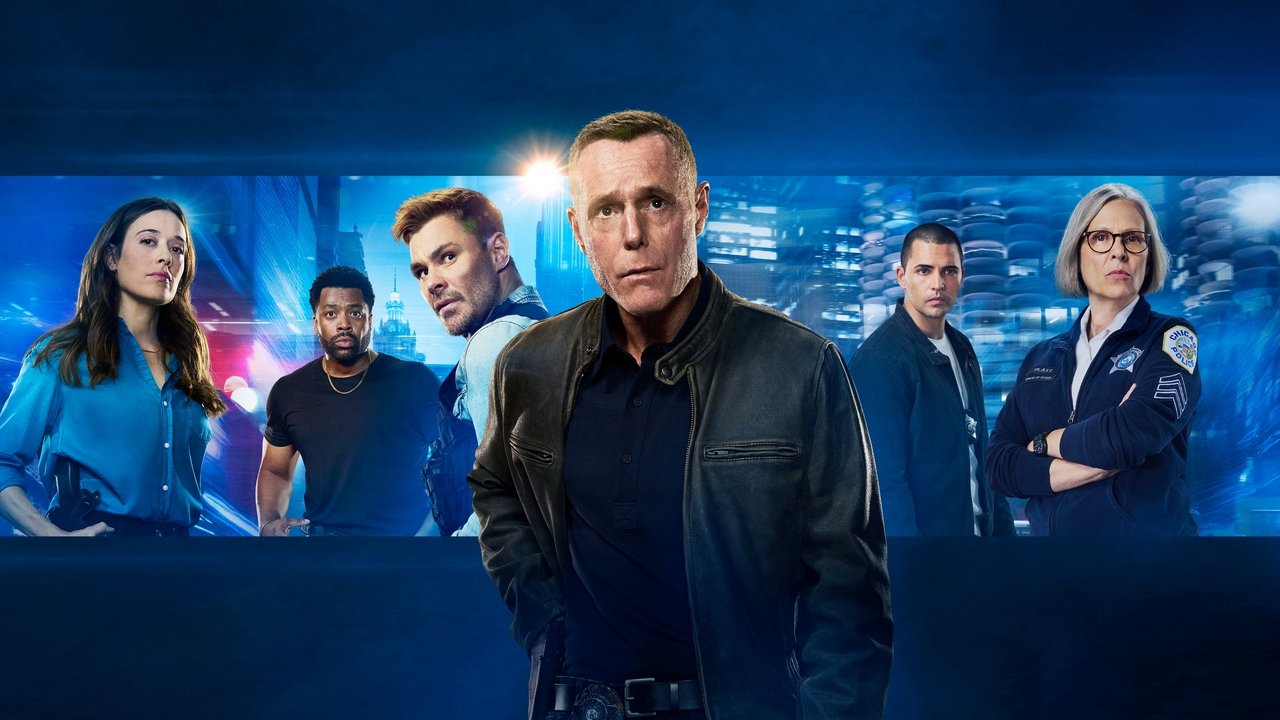
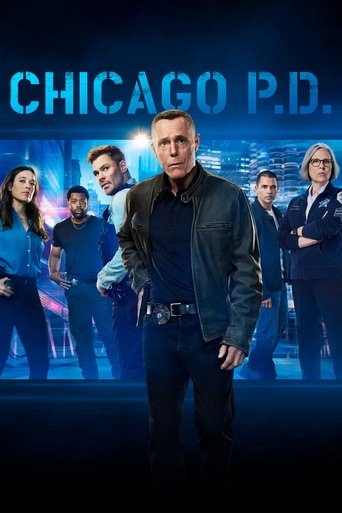
A riveting police drama about the men and women of the Chicago Police Department's District 21 who put it all on the line to serve and protect their community. District 21 is made up of two distinctly different groups: the uniformed cops who patrol the beat and go head-to-head with the city's street crimes and the Intelligence Unit that combats the city's major offenses - organized crime, drug trafficking, high profile murders and beyond.
Ranked by shared creators, cast, themes, genre, and network — not just generic recommendations.
Chicago Fire
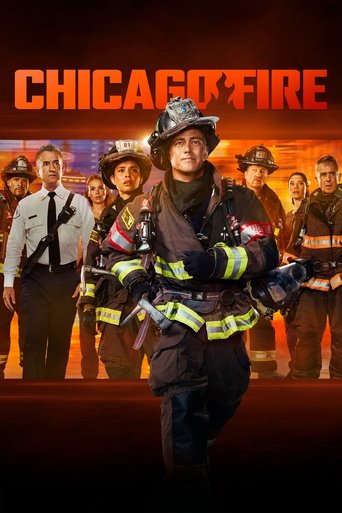
One Chicago franchise sibling; crossover events with P.D.; same city, same Dick Wolf universe
Chicago Med
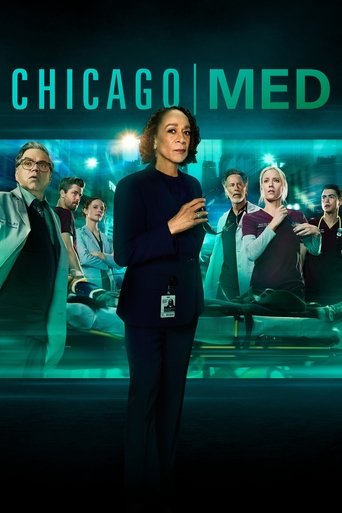
One Chicago franchise sibling; Dick Wolf & Matt Olmstead; active crossover episodes with P.D.
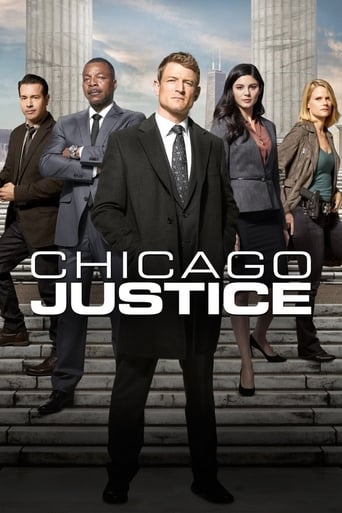
Chicago Justice
Direct One Chicago spin-off; Dick Wolf; shared characters with P.D., Chicago-set legal-crime drama
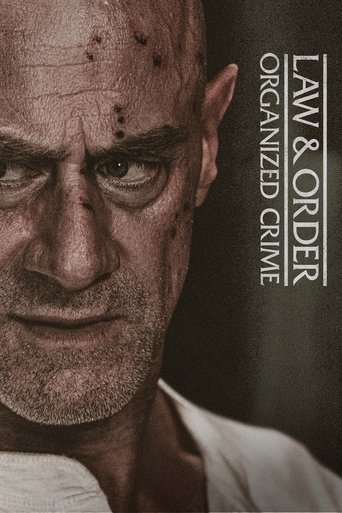
Law & Order: Organized Crime
Exact same creator duo (Dick Wolf + Matt Olmstead); organized crime focus; heavily serialized arcs
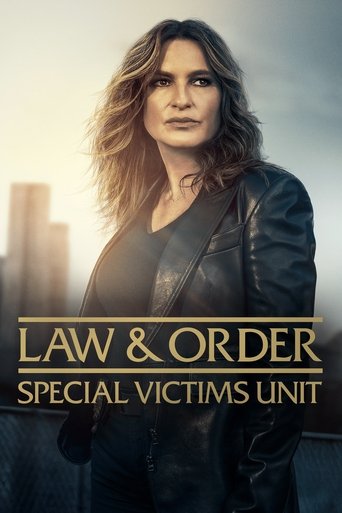
Law & Order: Special Victims Unit
Dick Wolf; gritty urban crime procedural with serialized character drama; longest-running peer
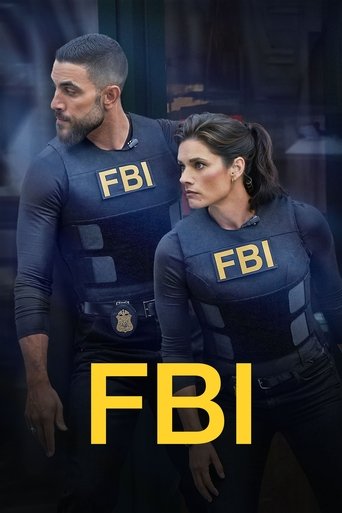
FBI
Dick Wolf; NYC-set serialized crime drama; same procedural-with-serialization format and tone
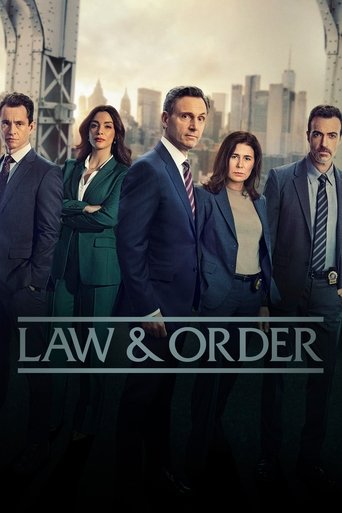
Law & Order
Dick Wolf mothership; urban crime investigation; same audience and franchise DNA
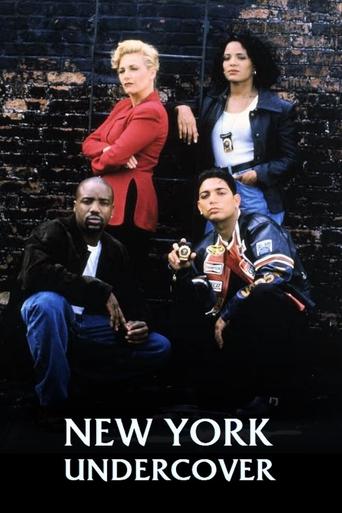
New York Undercover
Dick Wolf; gritty urban undercover police drama; diverse cast tackling gang and street crime
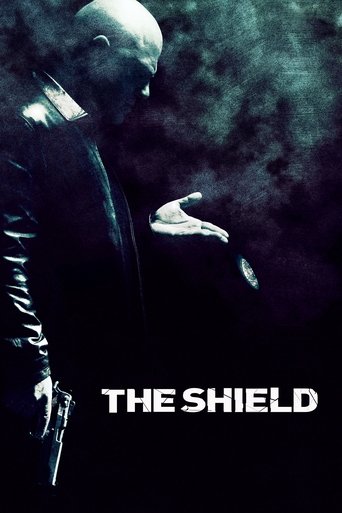
The Shield
Gritty corrupt urban police drama; serialized character arcs; dark moral ambiguity — closest peer to CPD's tone
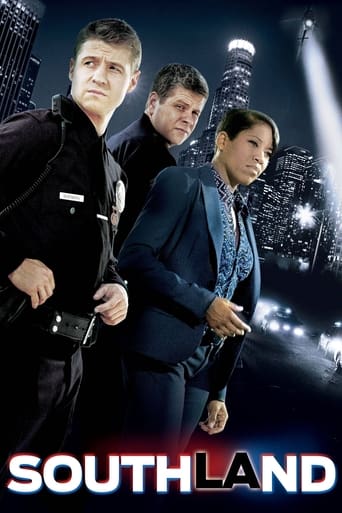
Southland
Gritty LA patrol and detective serialized drama; raw tone, ensemble cast, same audience as Chicago P.D.
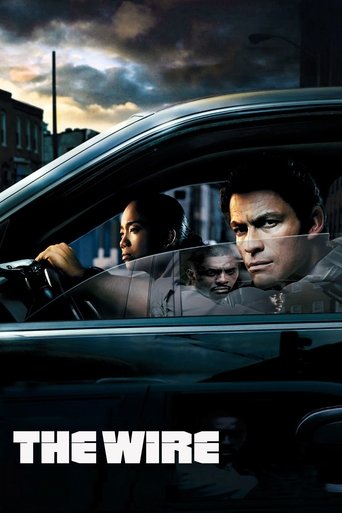
The Wire
Urban police vs. organized crime; serialized; dark, realistic tone — premium peer for CPD fans seeking depth
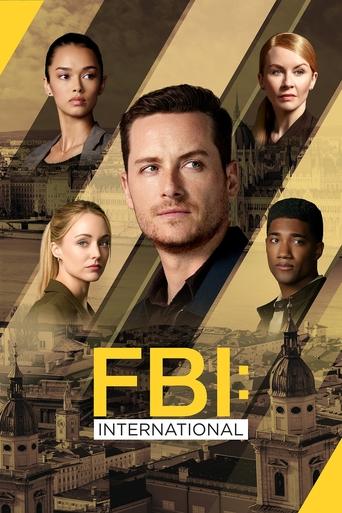
FBI: International
Dick Wolf spin-off; same procedural format; Jesse Lee Soffer reprises his Chicago P.D. character
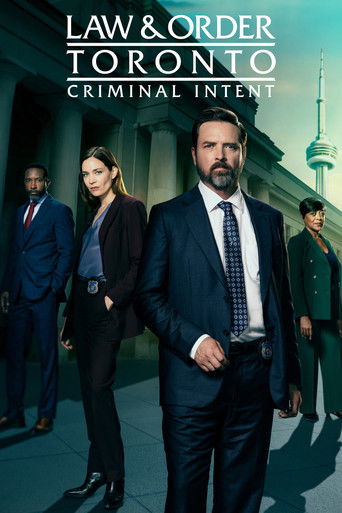
Law & Order Toronto: Criminal Intent
Dick Wolf franchise extension; elite detective squad; same procedural structure and tone
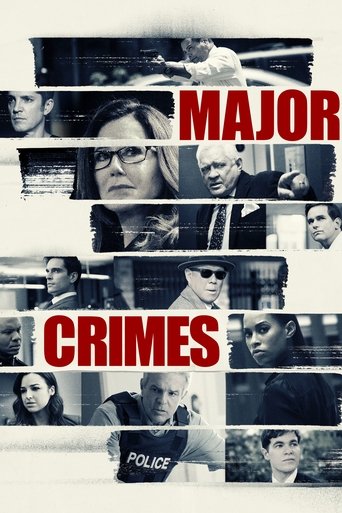
Major Crimes
Urban police special unit; serialized character drama; similar ensemble tone and case-of-week format
Bosch: Legacy
Serialized crime drama; morally complex investigator; dark procedural tone; high-quality peer shelf
Blue Bloods
NYC police family drama; procedural-serialized hybrid; same broadcast audience as Chicago P.D.
Justified
Morally grey lawman; serialized crime arcs; dark wit and grit — tonal cousin for CPD's Intelligence Unit
Power Book IV: Force
Chicago-set crime drama; drug trade and gang wars; shares city backdrop and dark serialized tone
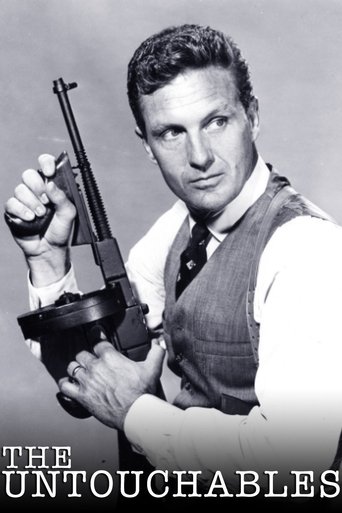
The Untouchables
Chicago police vs. organized crime; shares city and anti-crime mission; historical tonal cousin

Criminal Minds
Dark crime procedural; serialized team drama; overlapping CBS crime audience — tonal cousin not genre match
How Good Is Chicago P.D.?
Ratings across IMDb and TMDB, plus our verdict.
Where to Watch Chicago P.D.
Streaming, rental, and purchase options across 40+ countries.
United States
USStream
8 Peacock Premium
 Peacock Premium Plus
 Amazon Prime Video
 Amazon Prime Video with Ads
 YouTube TV
 USA Network
 fuboTV
 NBC
NBCFree with Ads
2NBC Spectrum On Demand
Buy
5 Amazon Video
 Fandango At Home
 GRUV
GRUV Barnes & Noble
 Amazon DVD / Blu-ray
Available in 136 countries
Frequently asked about Chicago P.D.
Common questions people search for, with answers written by us at MoviesPack.
Why does Hank Voight operate outside the law so frequently in Chicago P.D.?
Voight's willingness to bend or break rules stems from his belief that the Chicago justice system is too slow and porous to protect innocent people, a conviction hardened by personal loss and years working in a city rife with corruption. He views himself as the last line of defense when courts and procedure fail, which justifies in his mind coercive interrogations, evidence manipulation, and off-book deals with informants. This moral grey zone is the central dramatic tension of the series — his methods get results but exact a cost on everyone around him.
What happened to Justin Voight and how did it affect Hank?
Justin Voight, Hank's son, had a troubled criminal history before ultimately being shot and killed, leaving behind a wife and child. His death devastated Hank and pushed him further into morally extreme territory, as he personally hunted down those responsible and exacted extrajudicial revenge. The loss deepened Hank's fatalistic worldview and reinforced his belief that the system cannot protect the people he loves.
What is the significance of the Intelligence Unit's 'black site' interrogation room?
The off-the-books interrogation room Voight's unit uses — sometimes called 'the cage' — represents the show's recurring theme of institutional corruption masquerading as pragmatic justice. Suspects are held and questioned there without formal arrest or legal protections, which gives the unit tactical advantages but also implicates every member who knows about it. Several storylines hinge on characters wrestling with complicity versus speaking out, making the room a physical symbol of the moral compromises the team has collectively accepted.
Why does Jay Halstead eventually leave the unit and what does his arc represent?
Jay Halstead, a former Army Ranger and longtime detective in Intelligence, leaves Chicago at the end of Season 10 to re-enlist and go back overseas, a decision driven by unresolved trauma and a sense that he can no longer separate who he is from the violence of his job. His departure comes after his marriage to Hailey Upton effectively dissolves under the weight of their shared moral burdens. His arc illustrates how operating in Voight's world gradually erodes personal identity and relationships for even the most principled members of the team.
What role does Alvin Olinsky's death play in the show's broader moral narrative?
Alvin Olinsky, Voight's oldest and most loyal ally, dies in prison after being charged in connection with the murder of a man Voight actually killed — effectively dying to protect Hank. His death is the starkest consequence of Voight's philosophy that the ends justify the means, showing that blind loyalty to the unit's code has lethal costs for those closest to him. Olinsky's fate haunts subsequent seasons as a reminder that Voight's protection is not unconditional and that the weight of his choices falls on others.
Recent Updates
New Teaser: Chicago P.D.