
Shows Like Criminal Minds
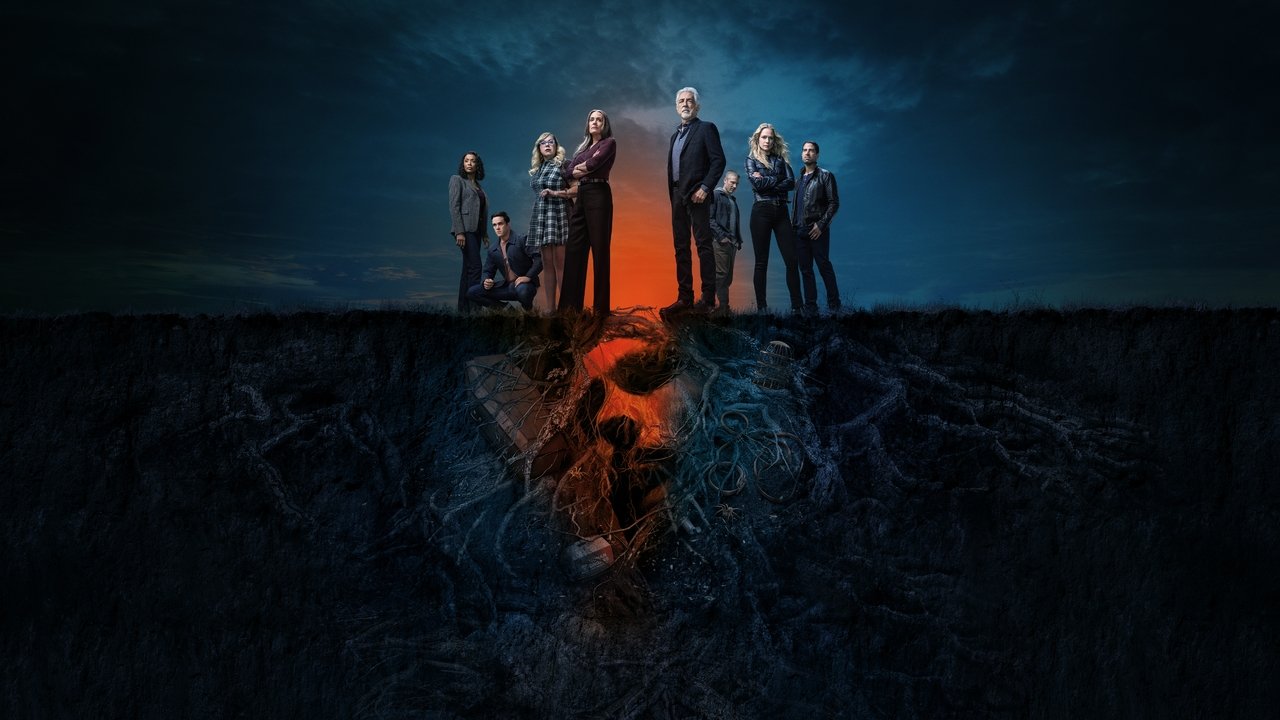
An elite team of FBI profilers analyze the country's most twisted criminal minds, anticipating their next moves before they strike again. The Behavioral Analysis Unit's most experienced agent is David Rossi, a founding member of the BAU who returns to help the team solve new cases.
Ranked by shared creators, cast, themes, genre, and network — not just generic recommendations.
Criminal Minds: Beyond Borders
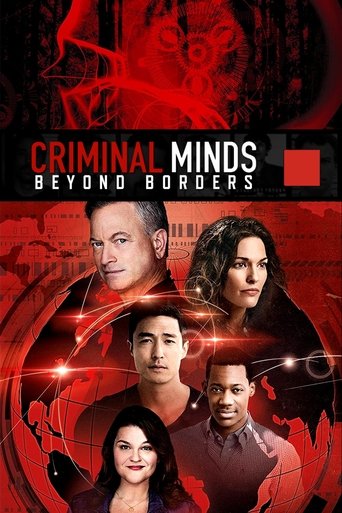
Direct spin-off of Criminal Minds, same FBI/BAU universe, same showrunner Erica Messer.
MINDHUNTER
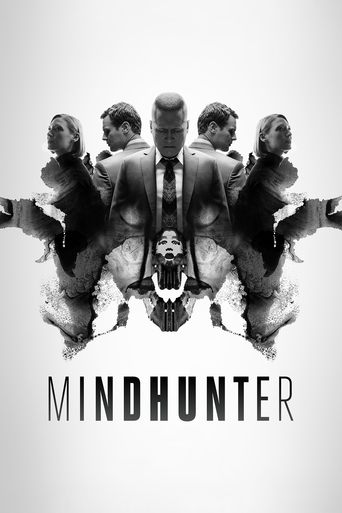
FBI agents interview serial killers to build criminal profiling science — the origin story of Criminal Minds' BAU methodology.

Hannibal
FBI criminal profiler hunting a serial killer with psychological cat-and-mouse; dark tone, same core audience.
Profiler
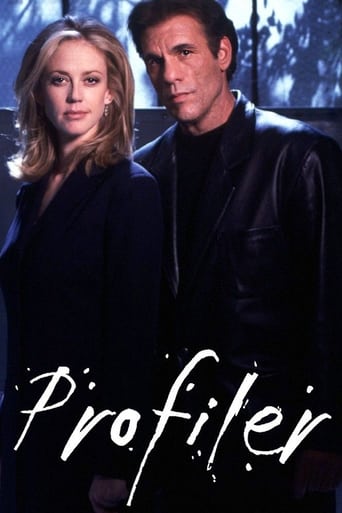
FBI forensic psychologist and profiler on a violent crimes task force hunting serial killers — near-identical premise.

Prodigal Son
Criminal psychologist using deep knowledge of serial killer psychology to solve murders; explicit profiling focus and dark tone.
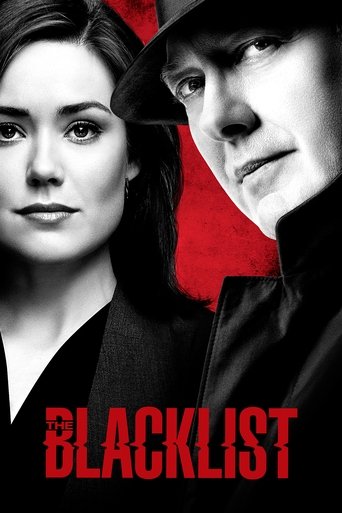
The Blacklist
FBI task force, criminal mastermind consultant, serialized crime drama with same procedural-thriller audience.
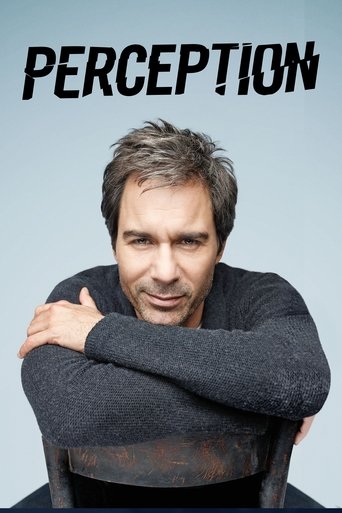
Perception
Neuroscientist FBI consultant using deep understanding of criminal minds to solve federal cases; same genre and audience.
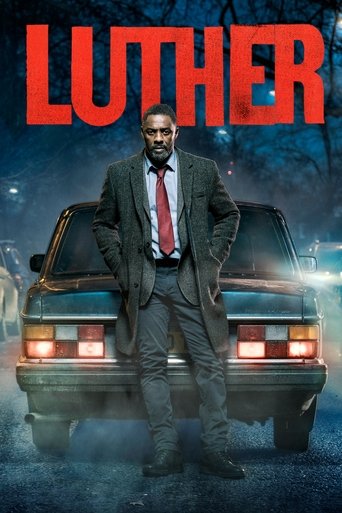
Luther
Psychologically dark detective hunting serial killers with near-obsessive insight; same tone, genre, and crime-drama audience.
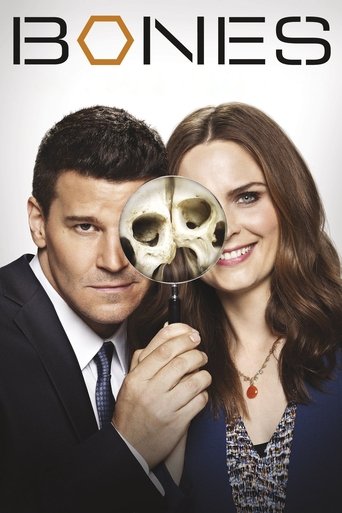
Bones
FBI forensic consultant procedural drama, same CBS-era network audience, crime-solving ensemble with scientific expertise.
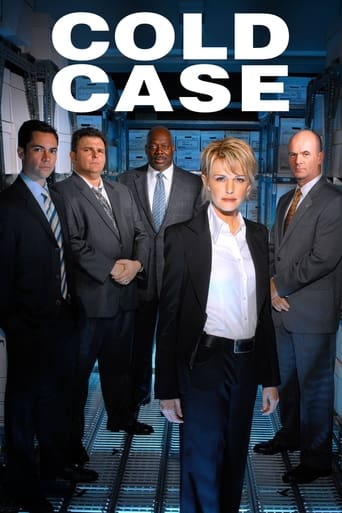
Cold Case
CBS crime procedural about reopening unsolved murders, same network era and audience as Criminal Minds.

Without a Trace
FBI missing persons unit procedural, same CBS era and weekly crime format, overlapping audience.
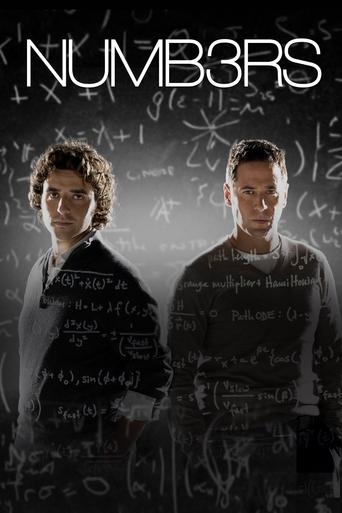
Numb3rs
FBI crime procedural on CBS, same era and audience; specialist consultant model mirrors Criminal Minds' BAU team.

NCIS
CBS procedural with federal special agents solving serious crimes; same network, era, and core procedural audience.
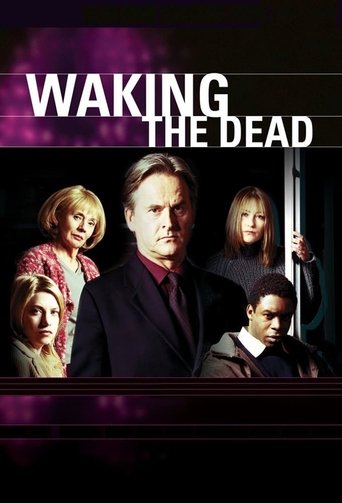
Waking the Dead
Cold case team uses forensic science and profiling to solve old murders; shares crime/mystery/drama tone and profiling keywords.
Criminal: UK
Psychological interrogation crime drama; mind-game investigator vs. suspect format shares Criminal Minds' psychological depth.
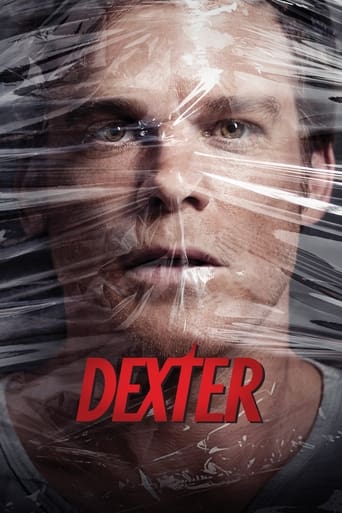
Dexter
Serial killer as protagonist with forensic police backdrop; shares serial killer focus, crime/mystery genre, and dark tone.
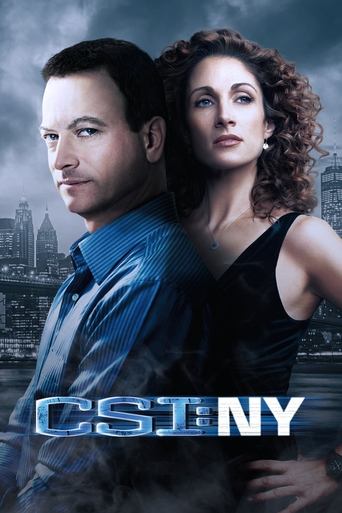
CSI: NY
CBS forensic crime procedural with ensemble investigators; same network era and procedural audience, investigative focus.
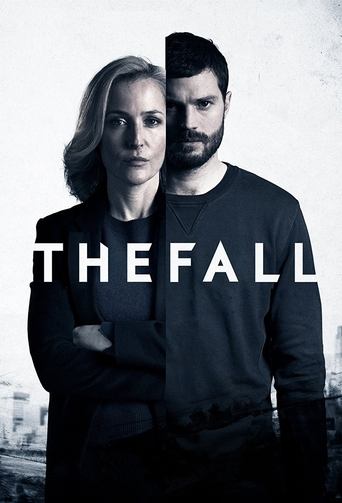
The Fall
Serial killer psychological drama with cat-and-mouse between investigator and killer; dark tone cousin to Criminal Minds.

Wiseguy
FBI undercover crime drama with serialized arcs; tonal cousin in the federal crime procedural space but different focus.
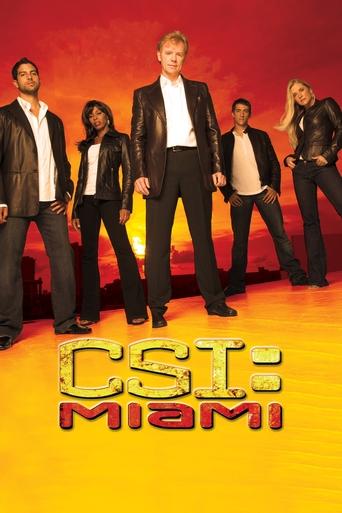
CSI: Miami
CBS forensic crime procedural, overlapping cast member (Adam Rodriguez); genre cousin but forensic not profiling focus.
How Good Is Criminal Minds?
Ratings across IMDb and TMDB, plus our verdict.
Where to Watch Criminal Minds
Streaming, rental, and purchase options across 40+ countries.
United States
USStream
10 Paramount Plus Premium
 Paramount Plus Essential
 Paramount Plus Apple TV channel
 Paramount+ Amazon Channel
 Paramount+ Roku Premium Channel
 Hulu
Hulu Philo
Philo Amazon Prime Video
 Amazon Prime Video with Ads
 YouTube TV
Free with Ads
3Paramount Plus PremiumParamount Plus EssentialParamount Plus Apple TV channelBuy
5 Apple TV Store
 Amazon Video
 Fandango At Home
 Amazon DVD / Blu-ray
 GRUV
GRUVAvailable in 75 countries
Frequently asked about Criminal Minds
Common questions people search for, with answers written by us at MoviesPack.
How does the BAU actually catch unsubs — do they ever get it wrong?
The Behavioral Analysis Unit builds a psychological profile from crime scene evidence, victimology, and behavioral patterns to narrow down suspect characteristics before law enforcement has a name. The process is deliberately shown as probabilistic rather than infallible — the team regularly revises profiles mid-case when new evidence contradicts earlier assumptions. Several episodes hinge on the danger of over-committing to a wrong profile, which allows a killer to remain free while the wrong suspect is pursued.
What is the Reaper arc and how does it end?
George Foyet, known as the Reaper, is a serial killer who made a private deal with a detective years earlier — he would stop killing in exchange for the detective's silence, effectively buying his own freedom. He resurfaces targeting Aaron Hotchner specifically after Hotch refuses to negotiate a similar deal, turning the arc into a prolonged cat-and-mouse where Foyet stalks Hotch's personal life rather than just committing public crimes. The arc ends when Foyet murders Hotch's ex-wife Haley in front of their son Jack, after which Hotch beats Foyet to death with his bare hands — a rare moment where the show depicts a protagonist crossing the line in a way that is never fully resolved morally.
Why does Gideon leave the BAU and what happens to him later?
Jason Gideon departs in Season 3 after a serial killer named Frank Breitkopf murders Sarah, a woman Gideon had grown close to — the loss breaks something in him that years of accumulated trauma had already been wearing down, and he leaves without saying goodbye to the team, only a letter to Reid. He reappears in Season 10, now living in isolation and off the grid, and is found shot dead at the start of that episode, killed by a former unsub named Donnie Mallick who blamed Gideon for the years he spent in prison.
What is the nature of Spencer Reid's ongoing psychological arc across the series?
Reid is positioned as the team's most intellectually gifted member but also its most emotionally vulnerable, shaped by a childhood caring for a schizophrenic mother and an absent father. A central thread is his fear that he has inherited his mother's illness — he monitors himself obsessively for signs of cognitive decline or break from reality. The show also puts him through a drug addiction arc after he is abducted and tortured in Season 2, which he overcomes but which leaves a visible scar on his character's sense of control and self-trust.
What motivates the unsubs in Criminal Minds — are they ever portrayed sympathetically?
The show consistently frames its killers through a lens of psychological causation rather than pure evil, tracing most unsub behavior to severe childhood trauma, untreated mental illness, or catastrophic social failure — the team frequently identifies these root causes as part of profiling. This creates an implicit tension between explanation and excuse that the series rarely resolves cleanly; the BAU members often express pity or clinical understanding for killers they are simultaneously hunting. Some episodes lean harder into sympathy — particularly those featuring killers acting out of grief or dissociative episodes — while others, especially those featuring organized predators who are fully aware of their actions, withhold it entirely.
Recent Updates
New Trailer: Criminal Minds