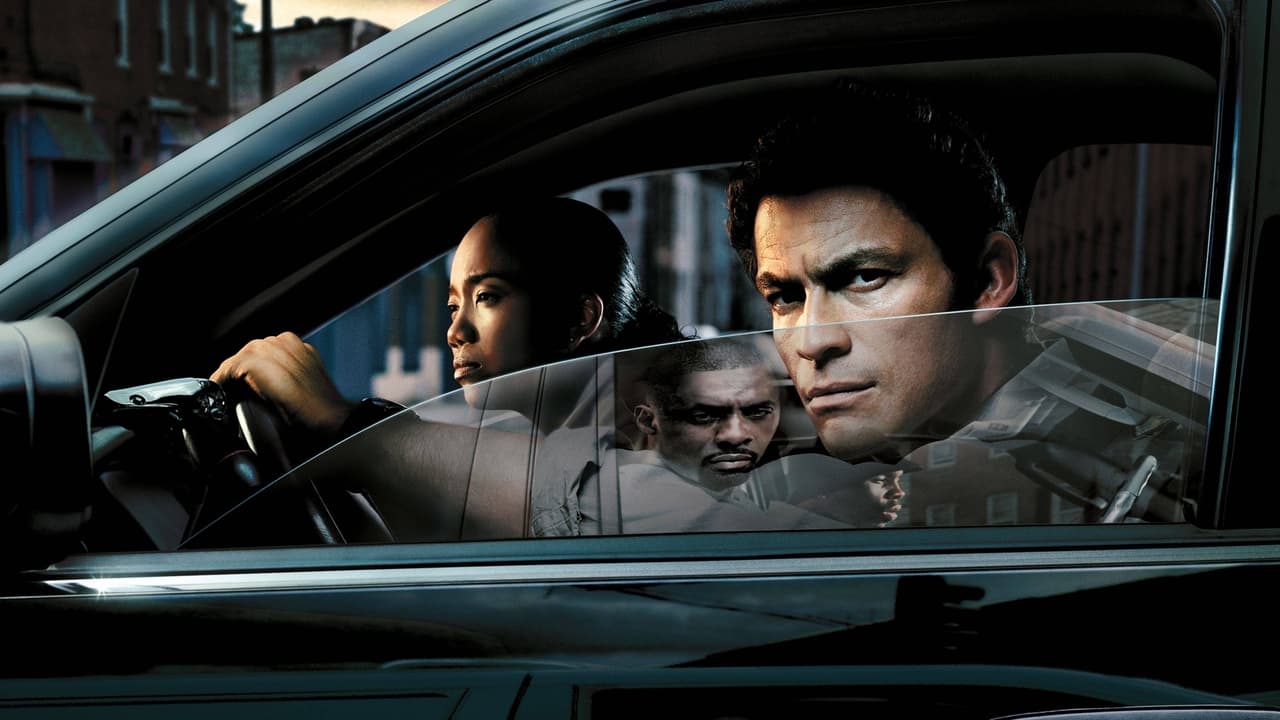
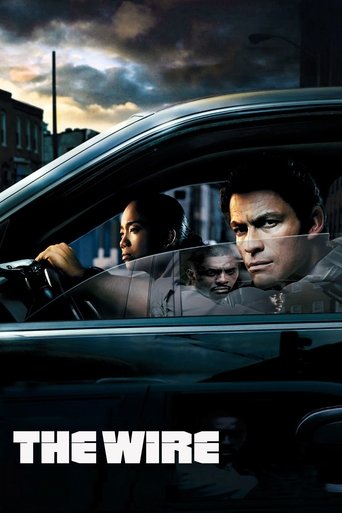
Shows Like The Wire
Told from the points of view of both the Baltimore homicide and narcotics detectives and their targets, the series captures a universe in which the national war on drugs has become a permanent, self-sustaining bureaucracy, and distinctions between good and evil are routinely obliterated.
Ranked by shared creators, cast, themes, genre, and network — not just generic recommendations.
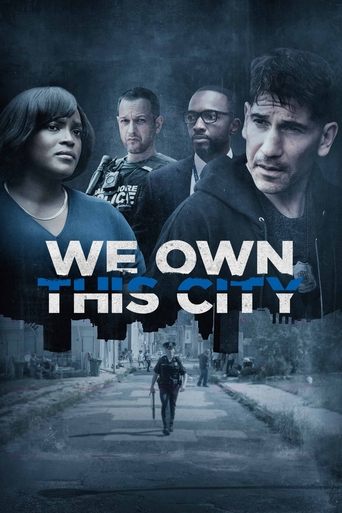
We Own This City
David Simon returns to Baltimore PD corruption — same city, same systemic critique, same unflinching realism.
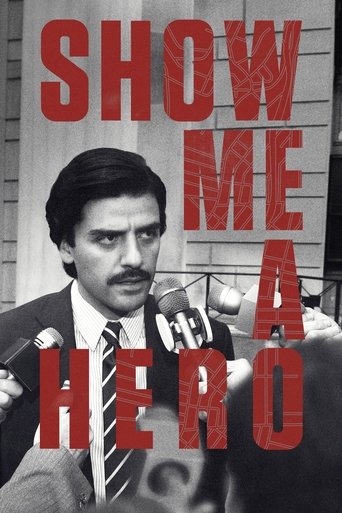
Show Me a Hero
David Simon miniseries — institutional politics, urban housing crisis, same moral complexity and docudrama style.

Treme
David Simon's post-Katrina New Orleans drama — same slow-burn institution critique and ensemble community storytelling.
The Deuce
David Simon and Pelecanos chronicle an illicit industry's systemic rise — same institutional lens, different milieu.
Homicide: Life on the Street
Same Baltimore PD world Simon drew from — gritty procedural, moral ambiguity, precursor DNA to The Wire.
The Sopranos
Defining prestige crime drama of the same era — complex characters, institutional rot, no easy moral resolution.
The Shield
Contemporaneous prestige crime drama — corrupt cops, systemic failure, morally compromised protagonists.
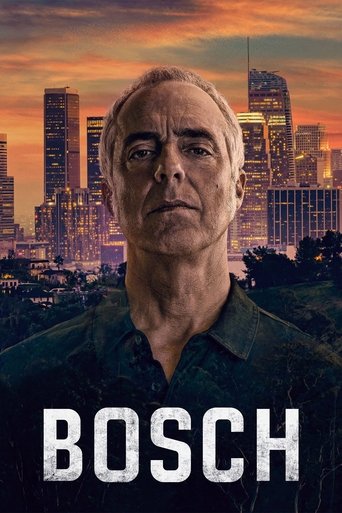
Bosch
LAPD homicide procedural with Wire alumni (Reddick, Hector) — serious crime drama, less institutional but tonally close.
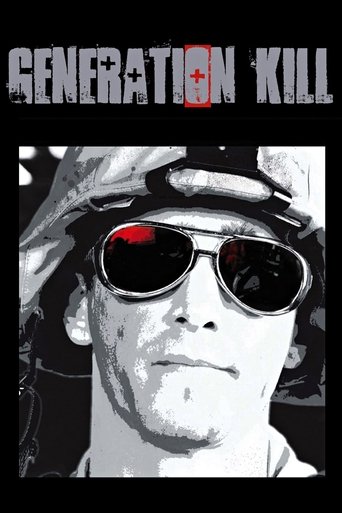
Generation Kill
David Simon miniseries on the Iraq War — same institutional dysfunction lens applied to the US military.

Snowfall
Crack cocaine epidemic origin story — systemic forces, urban decay, drug trade viewed from multiple power levels.
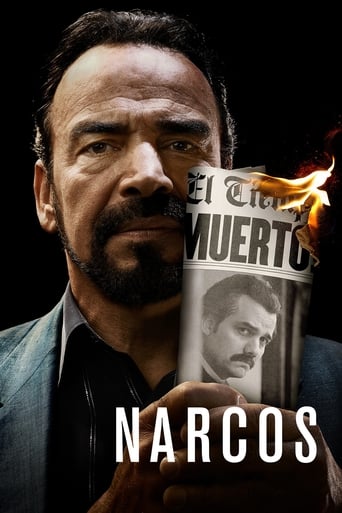
Narcos
Drug trade chronicled from cartel, DEA, and political angles — systemic scope, based on true events.
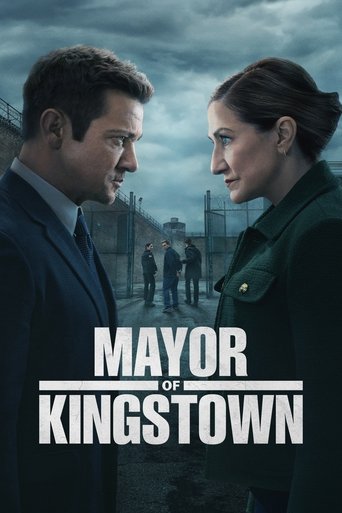
Mayor of Kingstown
Prison industrial complex as corrupt ecosystem — power brokers navigating criminal and civic institutions.
City on a Hill
Corrupt Boston law enforcement in the 1990s — dirty cop vs reform DA, institutional rot, prestige crime drama.
The Night Of
HBO prestige crime — exposes every broken layer of the criminal justice system with Wire-like systemic cynicism.
House of Cards
Shares The Wire's power-politics and corruption keywords — institutional cynicism applied to Washington D.C.
Peaky Blinders
Prestige crime drama with a crime organization navigating political power — stylistically different but genre peer.

Godfather of Harlem
Historically grounded crime boss story intersecting civil rights politics — serious crime drama with institutional color.
Sons of Anarchy
Prestige cable crime drama — criminal organization internal politics, moral decay, though more melodramatic than The Wire.
NYPD Blue
Gritty precursor police drama — corruption, moral grey zones, ground-level cop realism. Tonal ancestor to The Wire.
How Good Is The Wire?
Ratings across IMDb and TMDB, plus our verdict.
Where to Watch The Wire
Streaming, rental, and purchase options across 40+ countries.
United States
USStream
2 HBO Max Amazon Channel
 HBO Max
Buy
3 Amazon Video
 Apple TV Store
 Fandango At Home
Available in 97 countries
Frequently asked about The Wire
Common questions people search for, with answers written by us at MoviesPack.
Why does Omar Little only rob drug dealers and never harm civilians?
Omar operates by a strict personal code — a street version of honor — that he articulates most clearly as 'a man gotta have a code.' He views preying on civilians as beneath him and sees the drug trade as a self-contained ecosystem where its participants accept the inherent risk. This code is what separates him, in his own mind, from the dealers he robs, and it is what makes his eventual ignoble death at the hands of a child so thematically resonant — the code offers no real protection.
What is the significance of 'the game' and why do characters keep referring to it?
Throughout the series, characters on both sides of the law describe Baltimore's drug trade and institutional bureaucracies as 'the game' — a system with its own rules, hierarchies, and inevitabilities that individuals enter but cannot easily escape or change. David Simon uses the phrase to argue that structural forces, not individual moral failings, perpetuate cycles of poverty and crime. Characters who try to opt out or change the rules — Stringer Bell attempting to go legitimate, McNulty trying to expose systemic failure — are consistently punished by the system itself.
Why does Stringer Bell's attempt to go legitimate ultimately fail?
Stringer's failure is rooted in a fundamental misunderstanding of how legitimate power actually works. He takes economics courses, reads Adam Smith, and tries to run the Barksdale organization like a corporation, but he lacks the political connections and legitimate capital that make legal enterprise viable. His attempt to buy into a construction deal through Clay Davis exposes him to political graft he cannot navigate, and his effort to neutralize rivals through business logic rather than street violence alienates the muscle — including Avon — that actually enforces his position. He masters the vocabulary of capitalism without access to its infrastructure.
What does the ending of Season 4 mean for the four boys — Michael, Dukie, Randy, and Namond?
The four boys in Season 4 represent divergent outcomes for children trapped in systemic failure, and their endings are deliberately asymmetric. Namond is rescued by Bunny Colvin and escapes the streets entirely — the outlier, the exception. Michael is absorbed into the drug trade and becomes the new Omar-like figure, illustrating how the street reproduces itself. Randy, after being labeled a snitch, loses his foster placement and enters the group home system, his optimism destroyed by institutional betrayal. Dukie slides into addiction and destitution, ending the series mirroring Bubbles at his lowest — the cycle made explicit.
Why does McNulty fabricate the homeless serial killer in Season 5, and what is the show saying with that storyline?
McNulty invents a fictional serial killer targeting homeless men to manufacture federal funding after budget cuts eliminate his unit's ability to investigate the Marlo Stanfield organization. The fabrication is David Simon's indictment of media and institutional priorities — the fake story attracts massive resources and press attention while actual murders of poor Black men in Baltimore go uninvestigated for lack of funding. The storyline closes the circle on the show's argument: institutions respond to narratives and optics, not to actual human suffering, and individuals who try to game those institutions to do good ultimately corrupt themselves and the truth in the process.
Recent Updates
New Trailer: The Wire