Shows Like Law & Order
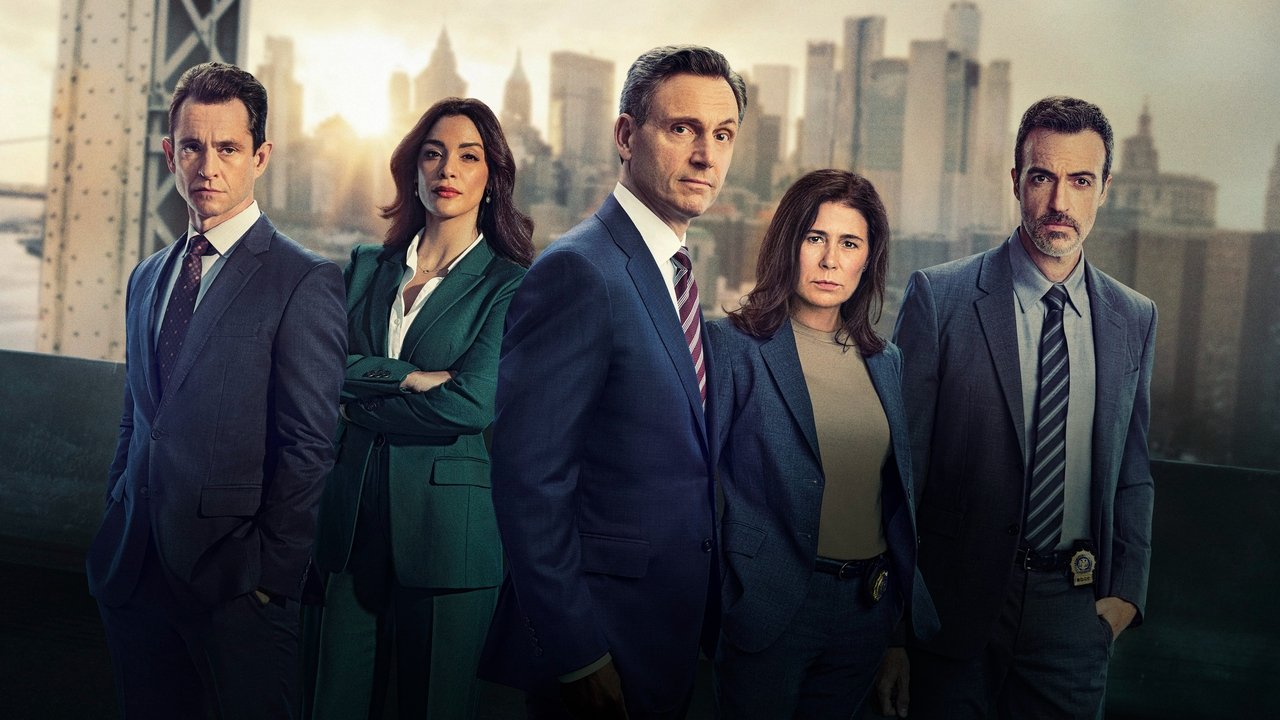
In cases ripped from the headlines, police investigate serious and often deadly crimes, weighing the evidence and questioning the suspects until someone is taken into custody. The district attorney's office then builds a case to convict the perpetrator by proving the person guilty beyond a reasonable doubt. Working together, these expert teams navigate all sides of the complex criminal justice system to make New York a safer place.
Ranked by shared creators, cast, themes, genre, and network — not just generic recommendations.
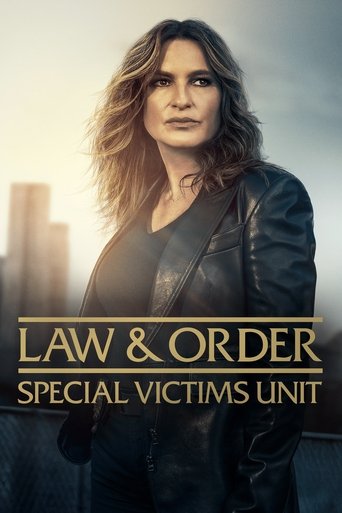
Law & Order: Special Victims Unit
Direct Dick Wolf L&O franchise spinoff; identical format, NYC setting, same police-to-courtroom structure
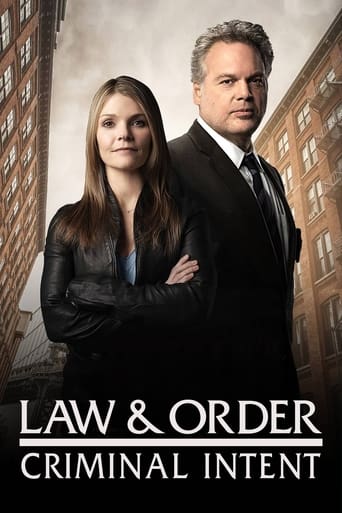
Law & Order: Criminal Intent
Direct Dick Wolf L&O franchise spinoff; same NYC procedural engine, psychological investigative twist
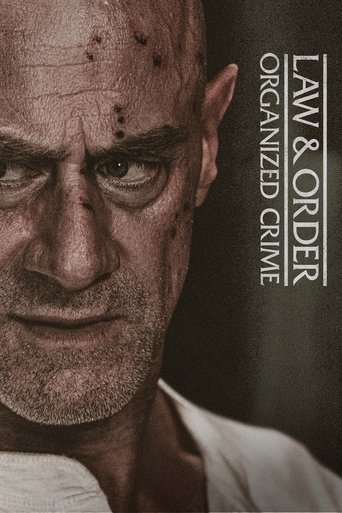
Law & Order: Organized Crime
Direct Dick Wolf L&O franchise spinoff; NYC, same ripped-from-headlines tone, shares cast with source
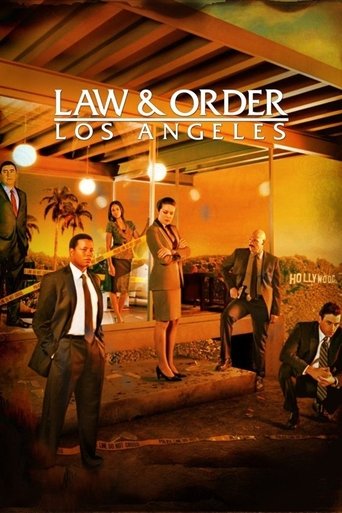
Law & Order: LA
Direct Dick Wolf L&O franchise spinoff; same police-DA two-act format transplanted to Los Angeles
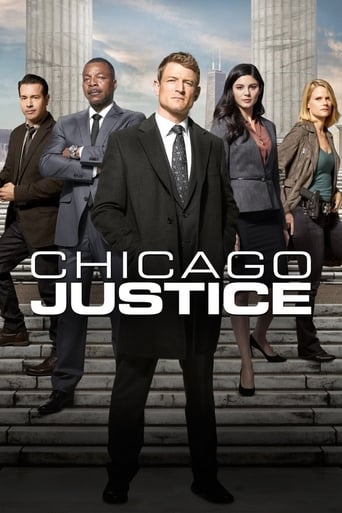
Chicago Justice
Dick Wolf, same prosecutor-led legal drama format in Chicago One Chicago universe; near-identical L&O DNA
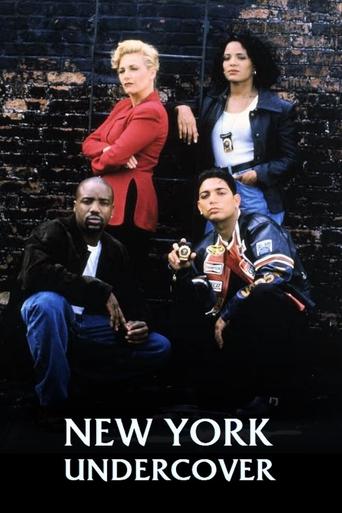
New York Undercover
Dick Wolf created; NYC police drama airing same era, same network sensibility and procedural rhythm
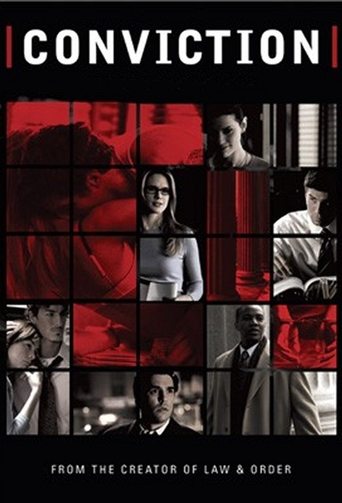
Conviction
Dick Wolf; NYC assistant DAs, direct legal-drama companion to L&O with overlapping cast and world
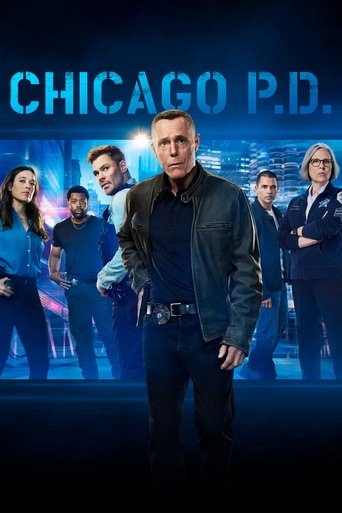
Chicago P.D.
Dick Wolf; same episodic police procedural format and tone, police-investigation half of Chicago franchise
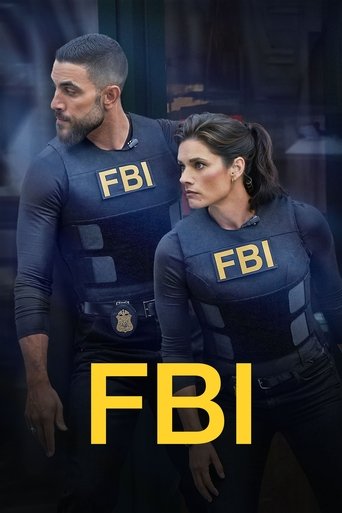
FBI
Dick Wolf; NYC-based federal procedural, same ripped-from-headlines episodic format and broadcast audience
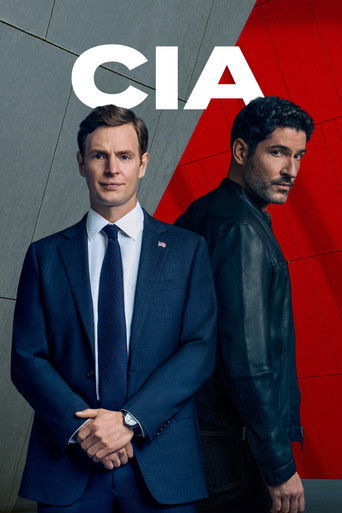
CIA
Dick Wolf; NYC covert-ops procedural, same Wolf broadcast formula with law-enforcement investigation core
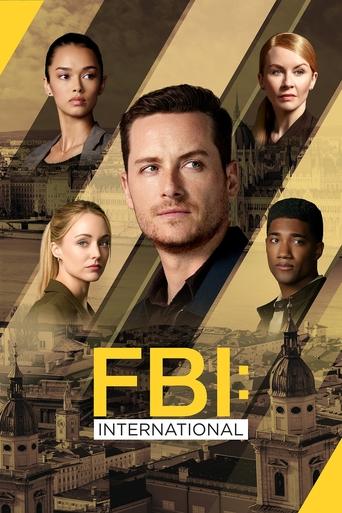
FBI: International
Dick Wolf spinoff of FBI; same episodic procedural structure, shares audience and broadcast slot DNA
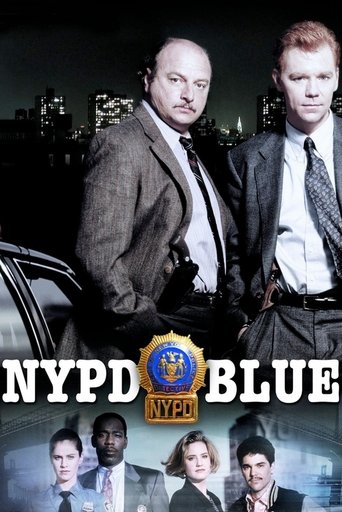
NYPD Blue
Landmark NYC police procedural drama; same era, same gritty investigative tone and broadcast audience as L&O
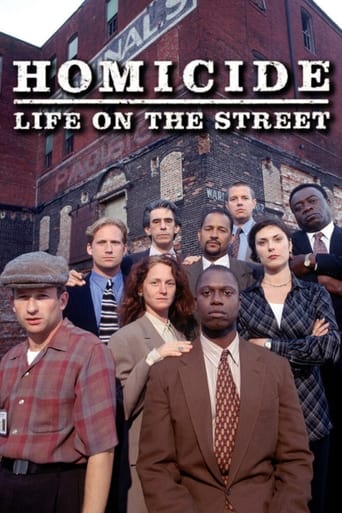
Homicide: Life on the Street
Network police procedural drama contemporaneous with L&O; same serious crime-investigation tone and prestige DNA
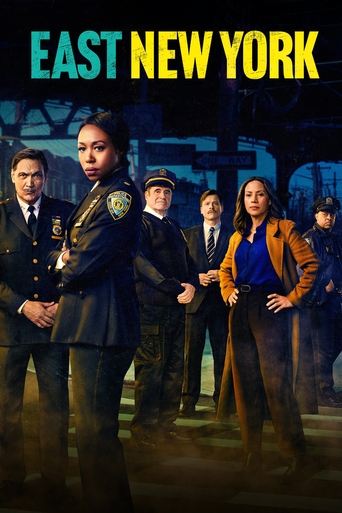
East New York
NYC police procedural, same broadcast network DNA, episodic case structure, diverse detective ensemble
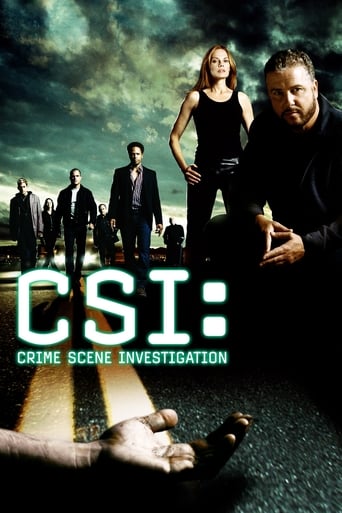
CSI: Crime Scene Investigation
Defining broadcast procedural peer; same episodic case-of-week structure and mass broadcast audience
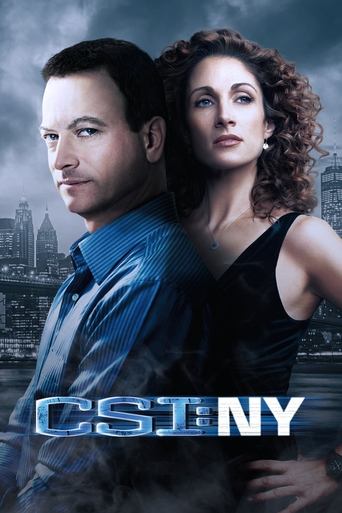
CSI: NY
NYC-set CSI spinoff; shares L&O's New York setting, episodic forensic procedural format and audience
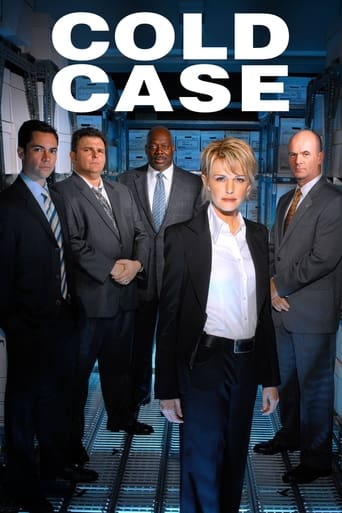
Cold Case
Broadcast police procedural, episodic unsolved-murder format, same serious crime-drama tone and network audience
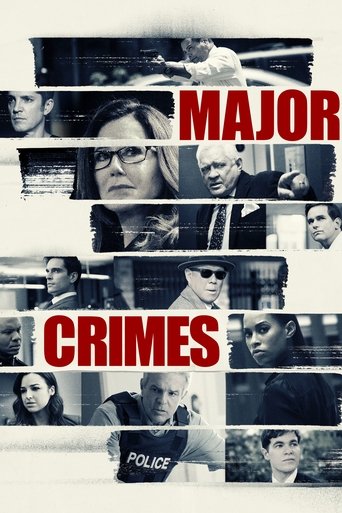
Major Crimes
Episodic police/DA procedural with prosecution angle, similar genre-tone-audience alignment to L&O
The Good Wife
CBS legal drama with same sophisticated courtroom procedural tone; overlapping L&O legal-drama audience
The Closer
Police procedural with DA-adjacent interrogation focus; same serious crime-drama audience and episodic format
How Good Is Law & Order?
Ratings across IMDb and TMDB, plus our verdict.
Where to Watch Law & Order
Streaming, rental, and purchase options across 40+ countries.
United States
USStream
8 Hulu
Hulu Peacock Premium
 Peacock Premium Plus
 Philo
Philo Netflix
 Netflix Standard with Ads
 YouTube TV
 NBC
NBCFree with Ads
1NBCBuy
6 Fandango At Home
 Amazon Video
 Apple TV Store
 Barnes & Noble
 Amazon DVD / Blu-ray
 GRUV
GRUVAvailable in 103 countries
Frequently asked about Law & Order
Common questions people search for, with answers written by us at MoviesPack.
Why does the show split each episode into two halves with different investigators?
Law & Order's two-act structure is deliberate: the first half follows NYPD detectives investigating and building a case, while the second half shifts to the District Attorney's office prosecuting it. This division mirrors the real-world separation between law enforcement and the justice system, and it allows the show to explore how the same facts look different depending on who is doing the investigating versus who must prove guilt beyond a reasonable doubt in court.
Why do detectives frequently lose their case at trial even after a strong investigation?
The show intentionally refuses to guarantee that good police work leads to a conviction, because evidence can be suppressed on Fourth Amendment grounds, witnesses can recant or prove unreliable under cross-examination, and juries can be swayed by reasonable doubt. Many episodes end in acquittals or plea deals to reflect the messy reality of the criminal justice system rather than a clean procedural fantasy. This ambiguity is a core part of the show's tone and was a deliberate creative choice by Dick Wolf from the outset.
What motivates the recurring tension between detectives and the DA's office over how aggressively to charge a suspect?
Detectives operate on probable cause and moral certainty — they believe they have the right person — while prosecutors must weigh whether the evidence will actually survive trial and whether an overcharge will collapse the entire case. ADAs like Jack McCoy frequently argue with detectives who want to charge murder when only manslaughter can be proven, because a failed murder charge sometimes means the defendant walks free on everything. This institutional friction is a central dramatic engine of the series and reflects real disagreements between NYPD and the Manhattan DA's office.
Why does Jack McCoy sometimes pursue morally questionable legal tactics to secure a conviction?
McCoy operates from a utilitarian belief that dangerous offenders must be stopped even if it requires aggressive or boundary-pushing legal strategies, such as charging corporations, using controversial theories of liability, or pressing witnesses hard. His arc across the series is partly about where prosecutorial zeal ends and misconduct begins — he occasionally faces bar complaints and internal censure as a consequence. The show uses McCoy's tactics to question whether winning at any cost is justice, or just another form of the ruthlessness he prosecutes.
How does Law & Order handle the 'ripped from the headlines' approach without simply re-enacting real crimes?
The show takes a real case as a jumping-off point but deliberately changes names, details, and outcomes so that the fictional version becomes a vehicle to examine legal and moral questions the actual case could not fully resolve. The perpetrators, victims, and verdicts are often inverted or complicated compared to their real-world inspirations. This approach lets the writers introduce evidence or arguments that were unavailable in the real trial, allowing the show to reach conclusions — or deliberate non-conclusions — that the actual case never did.
Recent Updates
New Trailer: Law & Order