
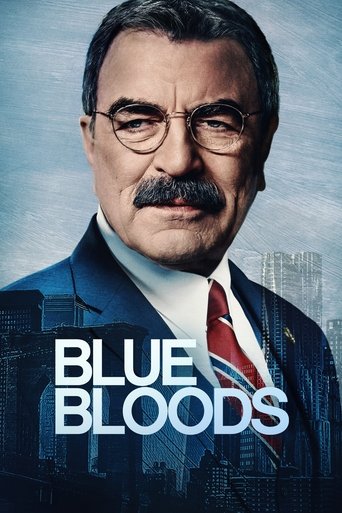
Shows Like Blue Bloods
A drama about a multi-generational family of cops dedicated to New York City law enforcement. Frank Reagan is the New York Police Commissioner and heads both the police force and the Reagan brood. He runs his department as diplomatically as he runs his family, even when dealing with the politics that plagued his unapologetically bold father, Henry, during his stint as Chief.
Ranked by shared creators, cast, themes, genre, and network — not just generic recommendations.
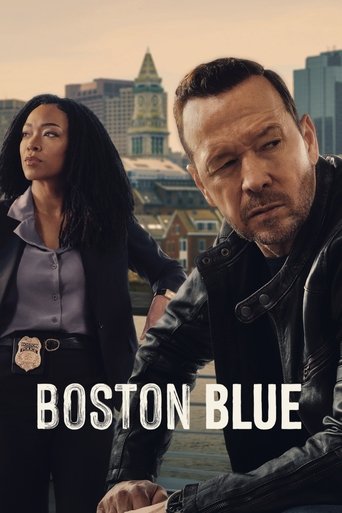
Boston Blue
Direct spin-off with Donnie Wahlberg reprising Danny Reagan; same creative DNA and franchise continuity.
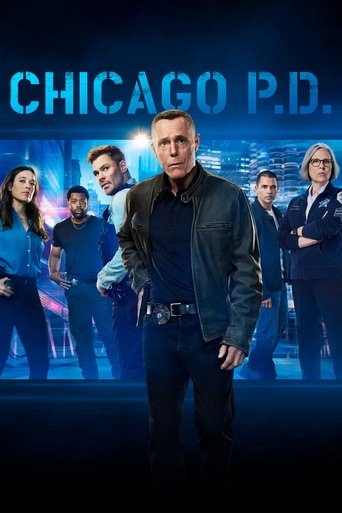
Chicago P.D.
Dick Wolf ensemble cop drama with tight family-of-officers bond, procedural format, same CBS/NBC mainstream audience.
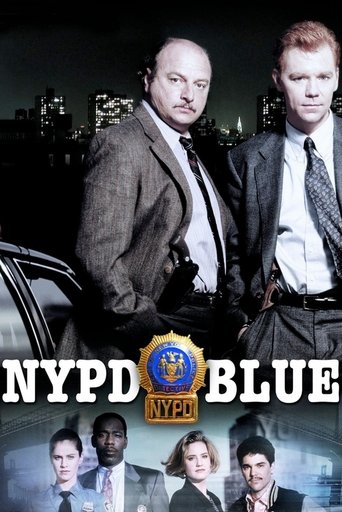
NYPD Blue
NYC police precinct drama with moral weight, character-driven storytelling, and the same blue-collar cop ethos.
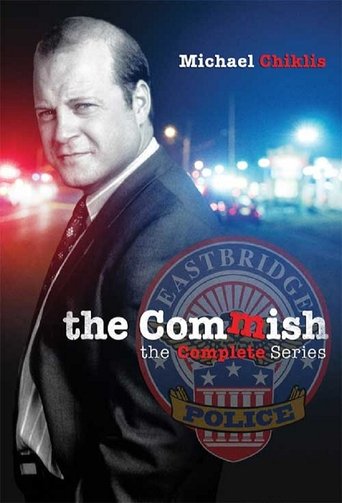
The Commish
Police Commissioner as lead, family closely woven into the job, conservative family-values tone — near-identical premise DNA.
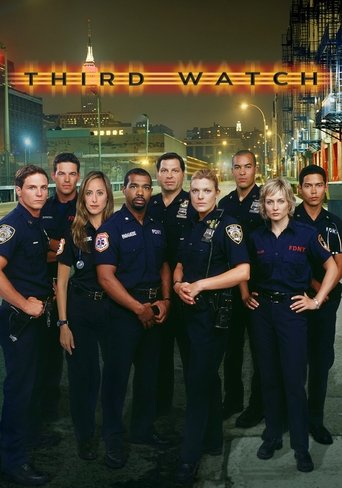
Third Watch
NYC first-responder ensemble with deep character drama and multi-generational duty themes; same legacy-of-service feel.
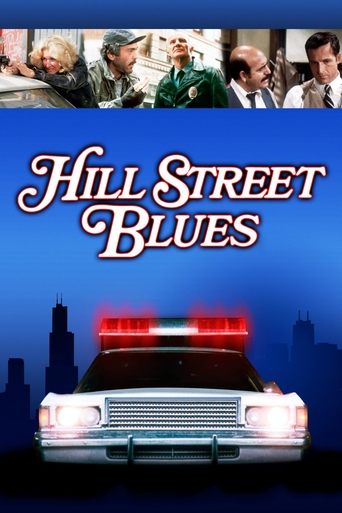
Hill Street Blues
Seminal police ensemble drama balancing procedural cases with officers' personal/family lives; spiritual predecessor to Blue Bloods.
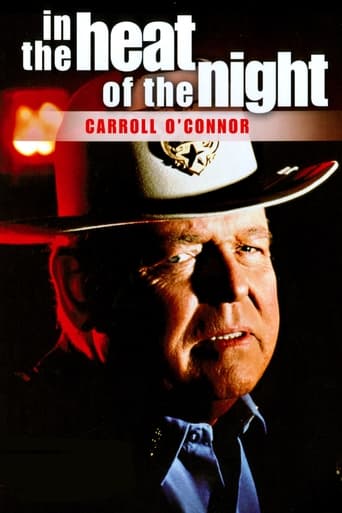
In the Heat of the Night
Police chief protagonist with family-values backbone, morality-driven cases, and the same older CBS broadcast audience.
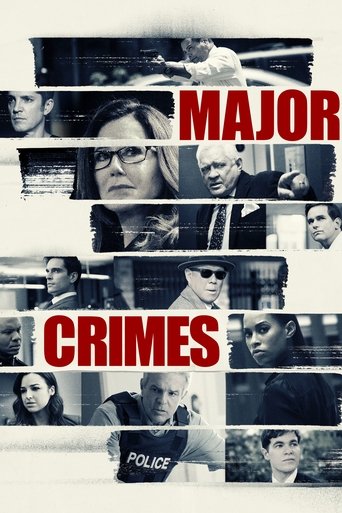
Major Crimes
LAPD ensemble procedural with strong female lead and family-unit squad dynamics; same TNT/CBS-adjacent older audience.
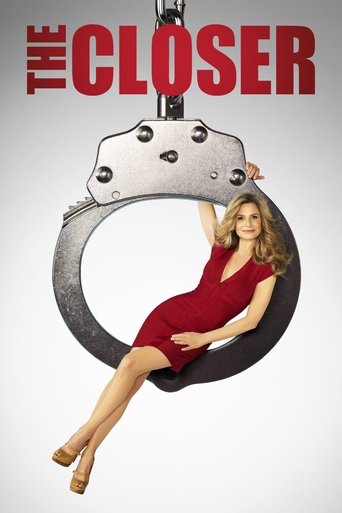
The Closer
LAPD character-driven procedural, morally serious tone, mainstream conservative audience — same broadcast-drama comfort zone.
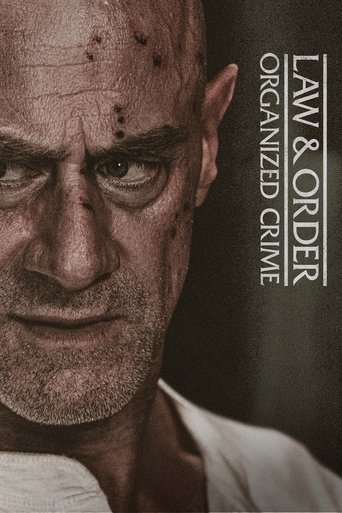
Law & Order: Organized Crime
NYC police procedural in the Dick Wolf universe; shares audience but focuses on task force rather than family generational drama.
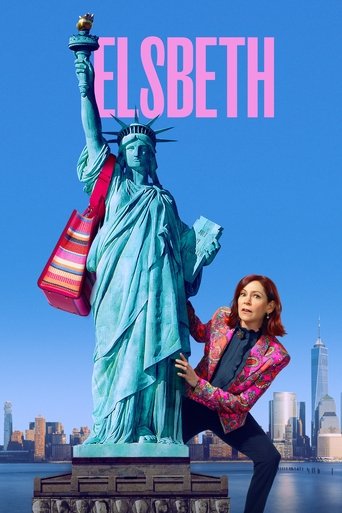
Elsbeth
CBS procedural with NYPD setting; lighter tone than Blue Bloods but same network, same audience demographic.
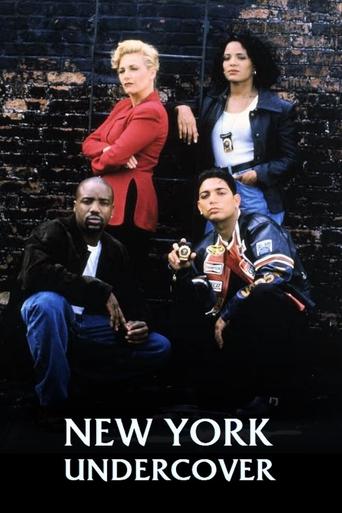
New York Undercover
NYC detective drama with character focus and Dick Wolf pedigree; shares geography and procedural structure.
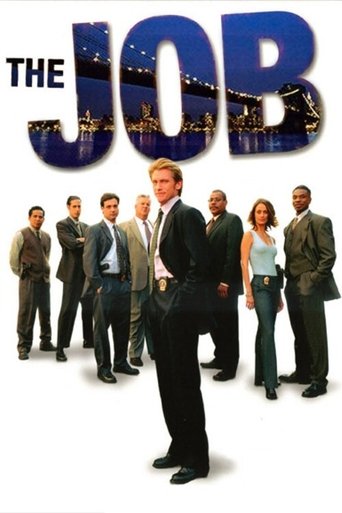
The Job
NYC cop character study with moral complexity; shares city and profession but darker and shorter-lived.
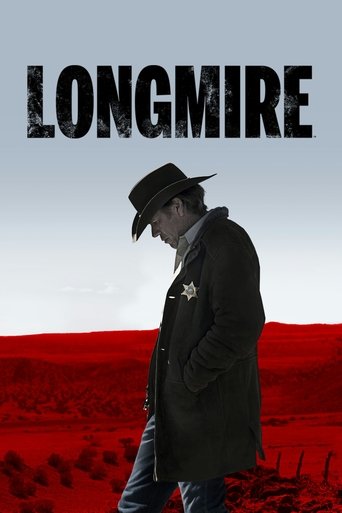
Longmire
Law enforcement patriarch lead, strong family/duty themes, conservative audience; rural setting but same emotional DNA.
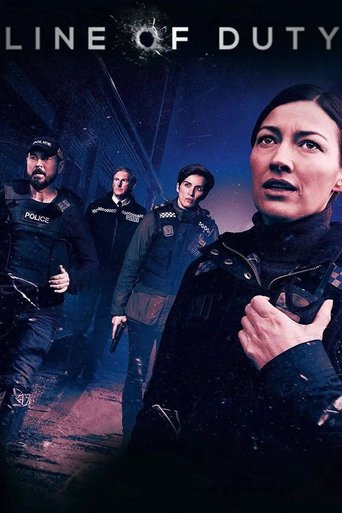
Line of Duty
High-quality police drama with moral/institutional stakes; UK setting and anti-corruption focus sets it apart from Reagan family warmth.

The Oath
Cops-as-gang premise shares police setting but is far darker and edgier; tonal cousin at best for Blue Bloods fans.
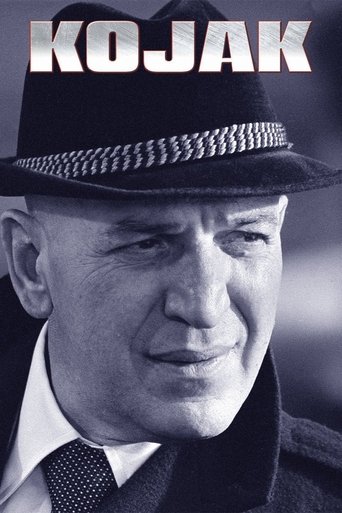
Kojak
Classic NYC police detective drama; shares city and moral-cop ethos but 1970s vintage and single-lead format differs significantly.
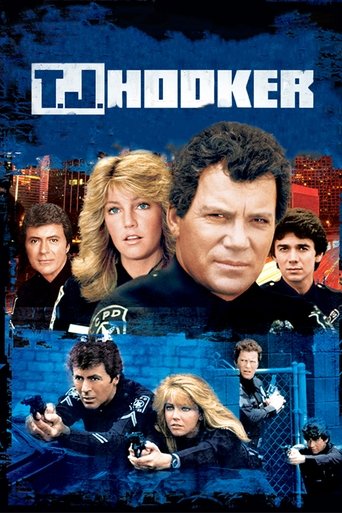
T. J. Hooker
Veteran cop mentoring rookies shares duty/honor themes but is an action-forward 80s show with thin character depth.
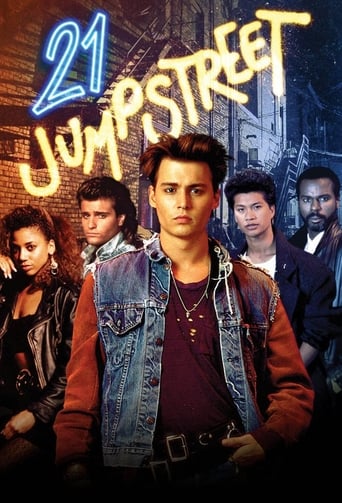
21 Jump Street
Police procedural lineage but youth-focused undercover premise targets a very different demographic than Blue Bloods.
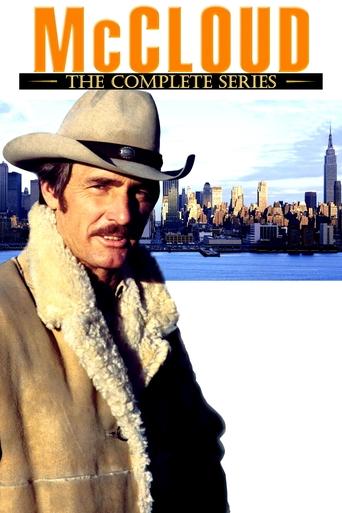
McCloud
NYC police setting with outsider lawman lead; distant tonal cousin — 1970s vintage and fish-out-of-water premise limits overlap.
How Good Is Blue Bloods?
Ratings across IMDb and TMDB, plus our verdict.
Where to Watch Blue Bloods
Streaming, rental, and purchase options across 40+ countries.
United States
USStream
10 Paramount Plus Premium
 Paramount Plus Essential
 Paramount Plus Apple TV channel
 Paramount+ Amazon Channel
 Paramount+ Roku Premium Channel
 Wonder Project Amazon Channel
 Amazon Prime Video
 Amazon Prime Video with Ads
 Philo
Philo YouTube TV
Free with Ads
4Paramount Plus PremiumParamount Plus EssentialParamount Plus Apple TV channel Pluto TV
Buy
5 Amazon Video
 Fandango At Home
 Apple TV Store
 Amazon DVD / Blu-ray
 Barnes & Noble
Available in 46 countries
Frequently asked about Blue Bloods
Common questions people search for, with answers written by us at MoviesPack.
Why did Joe Reagan's death haunt the family throughout the series?
Joe Reagan, Frank's third son and Danny and Jamie's brother, was a police officer who was killed after discovering that members of the Blue Templar — a corrupt secret society within the NYPD — were running drugs and covering up crimes. His murder drove the overarching conspiracy plot of the early seasons as the family pieced together the truth. The revelation that fellow officers were responsible for Joe's death forced the Reagans to confront corruption at the heart of the institution they had devoted their lives to serving.
What was the Blue Templar and how was it connected to the Reagan family?
The Blue Templar was a clandestine fraternal organization of corrupt NYPD officers who used their badges to facilitate criminal enterprises, including drug trafficking. Joe Reagan had infiltrated the group undercover and was killed when his cover was blown. The arc culminated in Jamie Reagan, who was also recruited by the Templar unaware of their true nature, ultimately exposing them from the inside. The storyline served as the serialized backbone of the first two seasons and established the show's theme of loyalty versus integrity.
Why does Jamie Reagan leave his law career to become a police officer?
Jamie had completed his Harvard Law degree and was on track for a legal career when he chose to join the NYPD, a decision that surprised the family given his academic path. His motivation was partly rooted in his brother Joe's death — Jamie felt compelled to understand what Joe had uncovered and to carry on the family legacy in a more direct way. The FBI also approached Jamie to work undercover inside the Blue Templar, which became the hidden reason he joined the force so soon after Joe's murder.
How does the Reagan family dinner function as a storytelling device in the show?
The Sunday family dinner — which includes Frank, his father Henry, Danny, Jamie, Erin, and their children — is a recurring scene used to bring the week's moral and ethical dilemmas into open debate. Each character typically represents a different perspective shaped by their role: Erin as a prosecutor, Danny as a street detective, Frank as Police Commissioner, and Henry as a retired cop with old-school values. The dinner scenes deliberately avoid resolution, letting competing views stand, which reflects the show's broader stance that law enforcement and justice are morally complex rather than black-and-white.
What motivates Frank Reagan's recurring clashes with the Mayor and City Hall?
Frank Reagan operates from a belief that the NYPD must maintain operational independence to do its job ethically, and he frequently resists pressure from the Mayor's office when political considerations threaten to override sound policing. His clashes are not ideological in a partisan sense but rather stem from his view that police leadership should answer to the law and the public rather than to electoral politics. Throughout the series, Frank's willingness to resign rather than compromise his principles is presented as the defining measure of his character, distinguishing him from administrators who treat the department as a political tool.
Recent Updates
New Trailer: Blue Bloods