Best Of
20 Best Sci-Fi TV Shows — Mind-Bending Series
Black Mirror, Dark, Severance, The Expanse — the 20 best sci-fi TV shows ever made, ranked by originality and impact.
20 FILMS·April 2026·By MoviesPack
Science fiction on television has a different contract than film. A 10-episode series can explore an idea across time and character in ways a two-hour movie can't. The best sci-fi shows use that space to ask real questions — about technology, identity, power, what makes us human — and build worlds dense enough to live in.
These 20 shows did all of that.
Section 1
The 20 Best Sci-Fi TV Shows

01
**Dark** (2017–2020) ★ 8.8
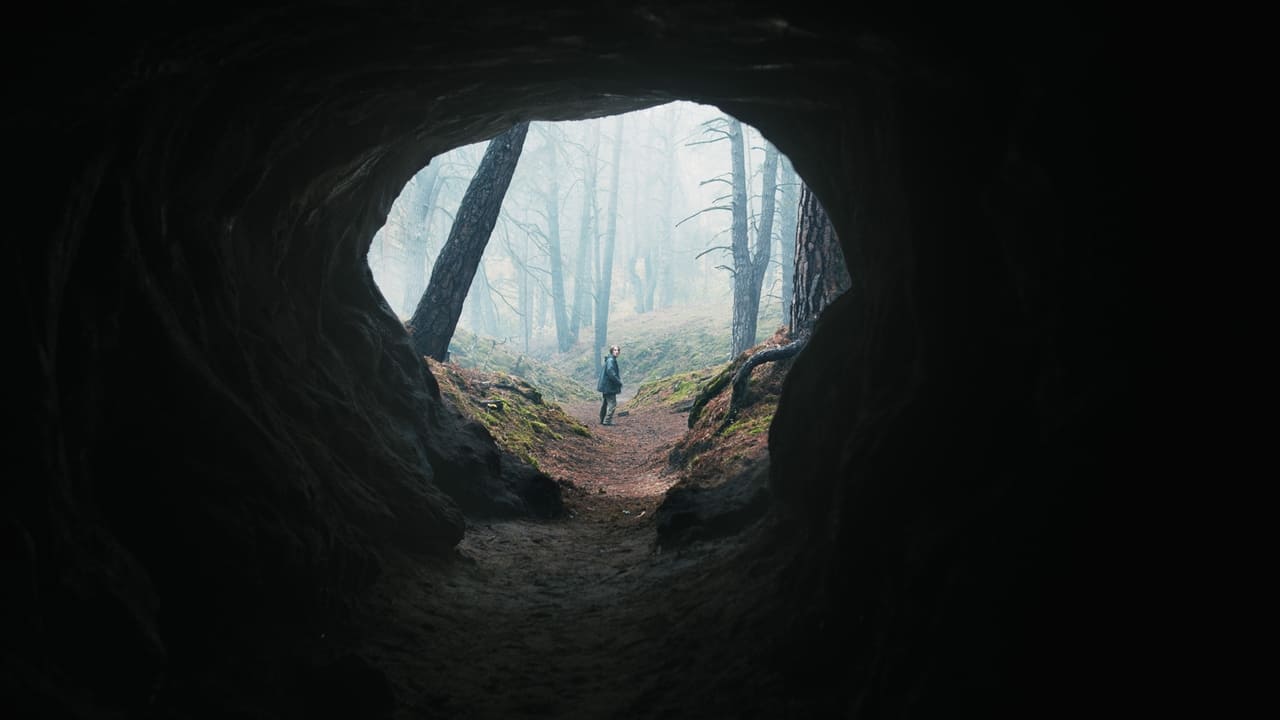
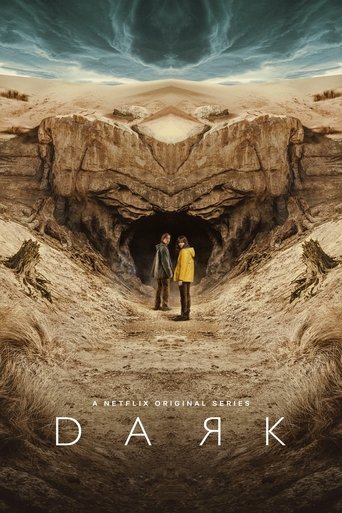
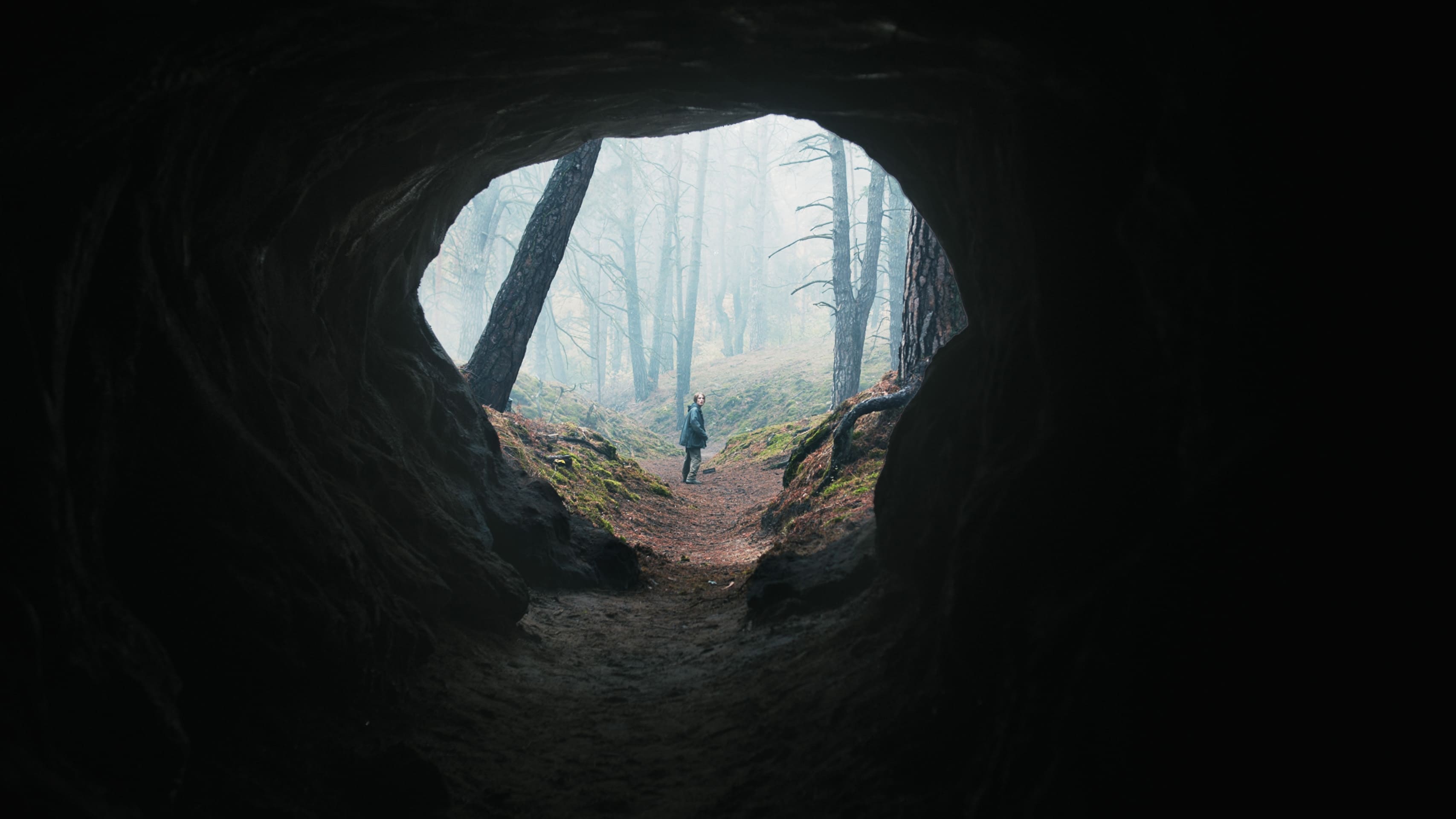
In the small German town of Winden, a child goes missing and four local families find their histories tangled across a century through a wormhole in a cave that connects 1953, 1986, and 2019. The plotting is so intricate that fans built family-tree flowcharts just to follow it — every character has three versions of themselves across three time periods, and none of it contradicts. Three seasons, a complete and earned ending, and one of the best time-travel series ever made. 👉 Shows like Dark

02
**Black Mirror** (Seasons 1–3) (2011–present) ★ 8.8
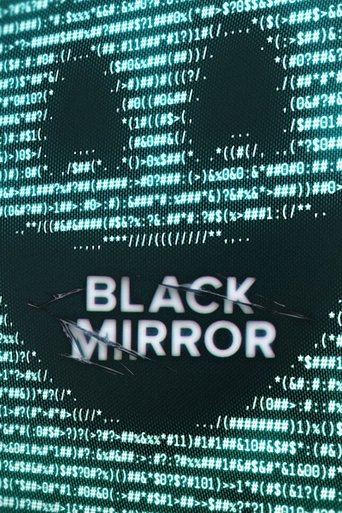
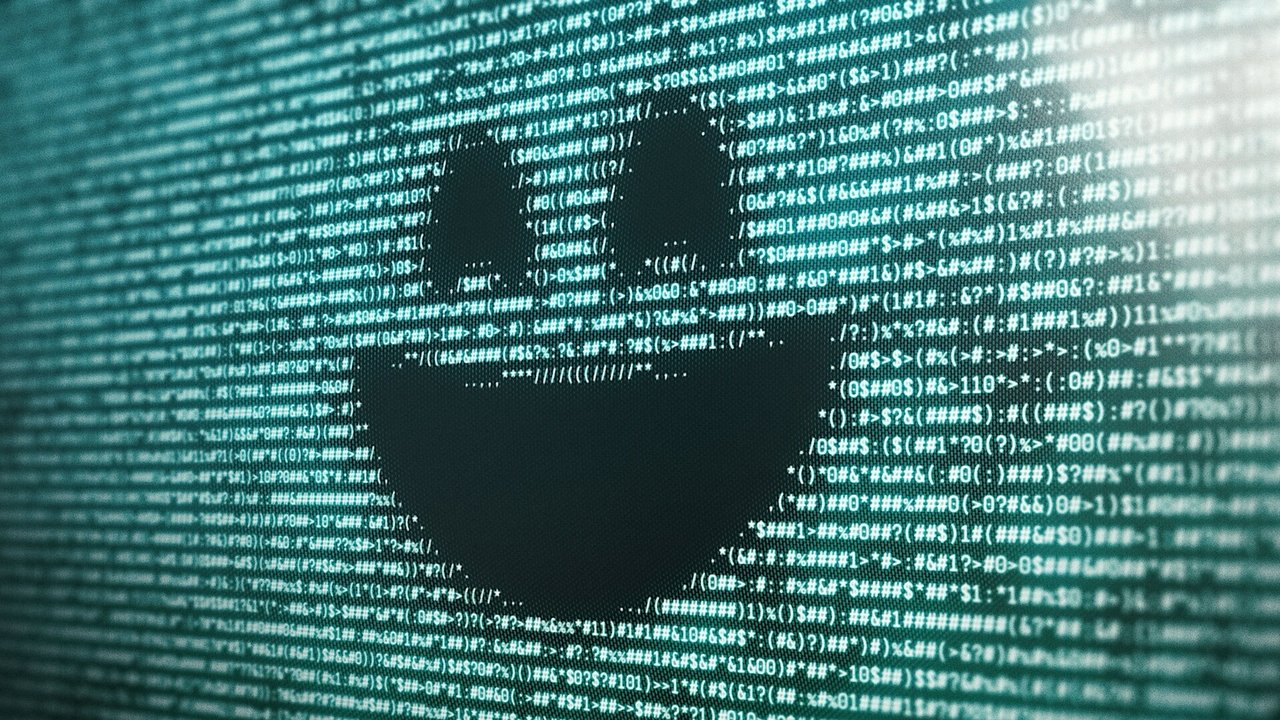
Each episode is a standalone story about technology and the specific way it warps human behavior. "San Junipero": two women meet in a simulated 1980s beach town that turns out to be an afterlife, and fall in love. "White Bear": a woman wakes up with no memory and is hunted by strangers filming her on phones. "The Entire History of You": a man with perfect recall of his relationship uses it to destroy it. The early run is among the best anthology television ever made. 👉 Shows like Black Mirror

03
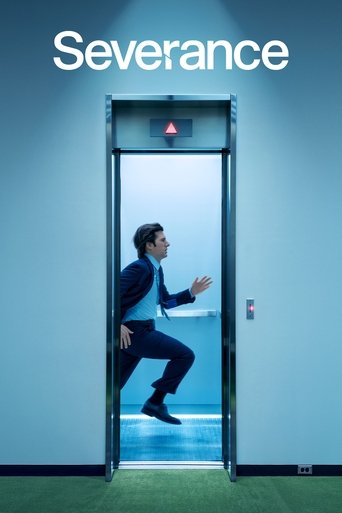
**Severance** (2022–present) ★ 8.7
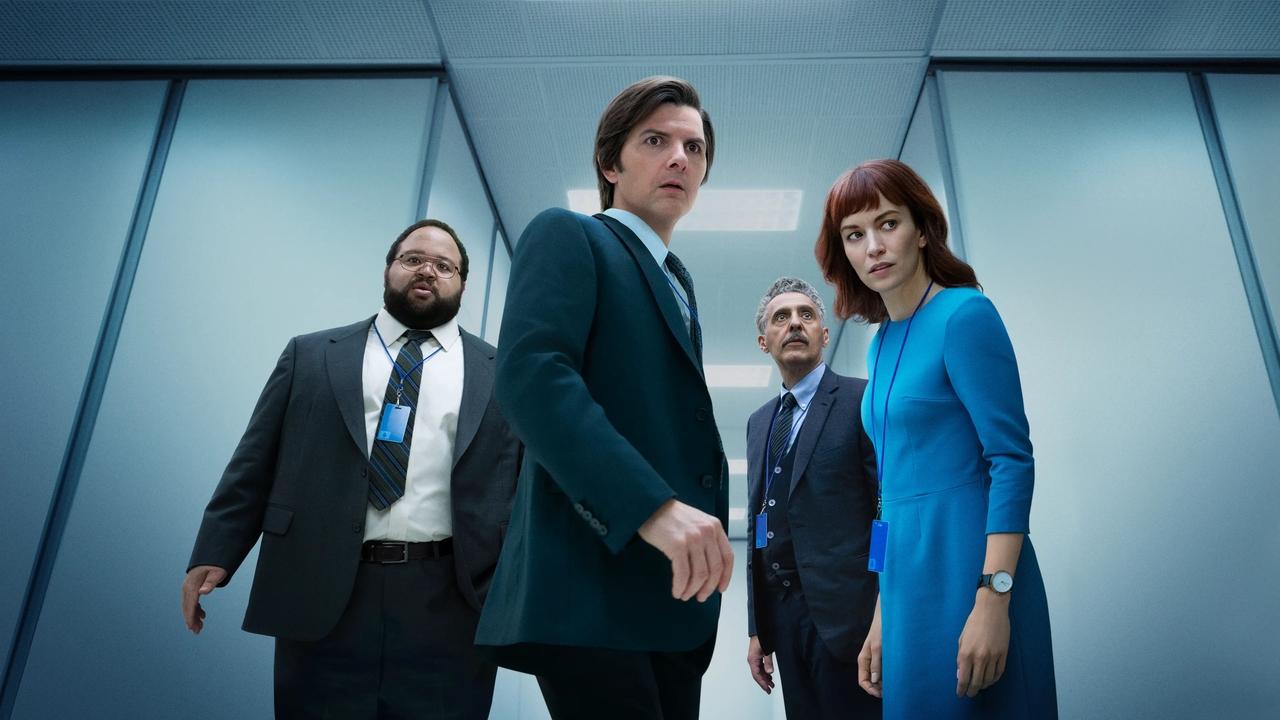
Mark Scout works at Lumon Industries, where employees have agreed to have their work and personal memories surgically divided — the "innie" at the office has no knowledge of outside life; the "outie" at home has no memory of the job. Mark's innie starts asking questions about what they actually do there and why a former colleague was erased. Season 1's finale cuts between two versions of the same person experiencing completely different crises simultaneously. 👉 Shows like Severance

04
**Westworld** (Seasons 1–2) (2016–2022) ★ 8.6
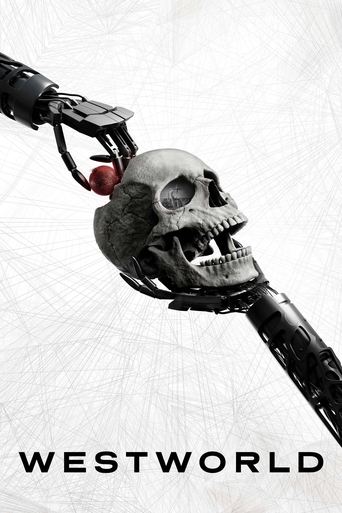
A luxury theme park filled with lifelike android "hosts" runs for the entertainment of wealthy guests — until a host named Dolores starts remembering things she shouldn't. Season 1 is structured as a mystery about the nature of consciousness, with two timelines sharing the same space without announcing it. The plot labyrinth of Seasons 2–3 largely buries those themes, but Season 1 earns its place here.

05
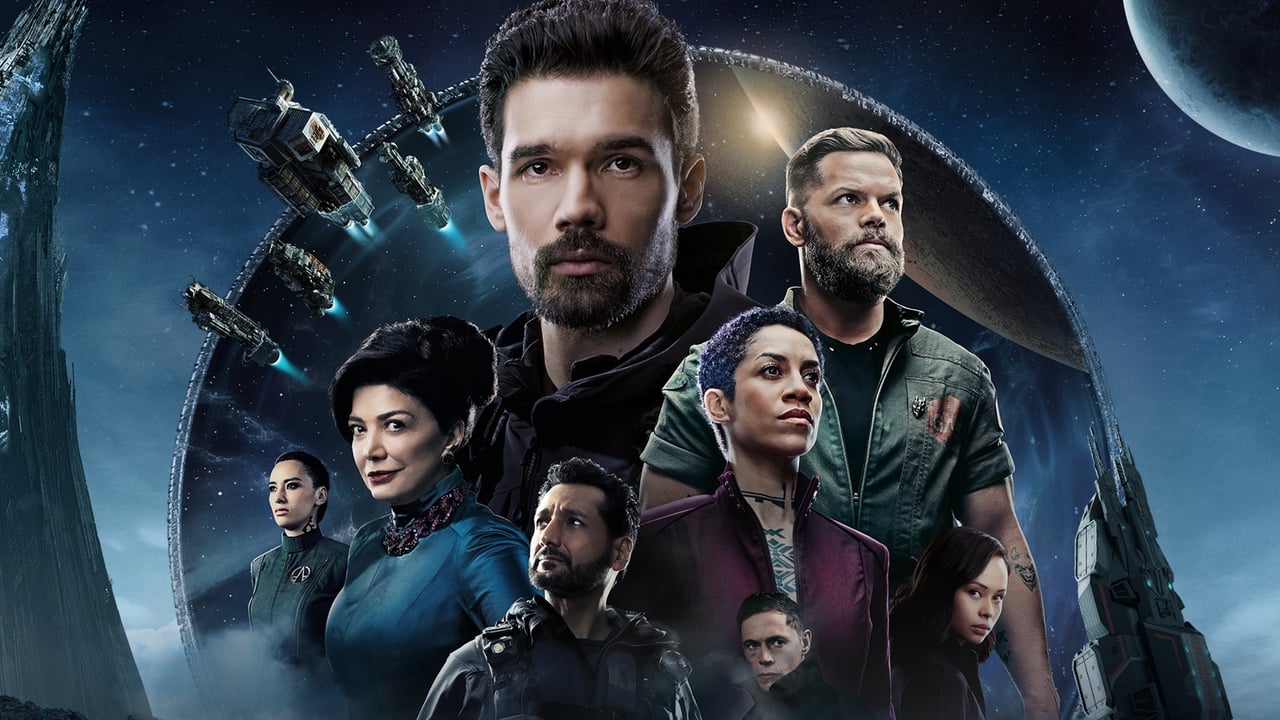
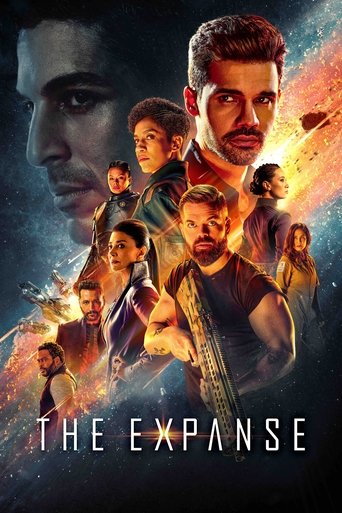
**The Expanse** (2015–2022) ★ 8.5
Two hundred years from now, humanity has colonized the solar system. A detective, a UN politician, and a cargo ship officer converge on a mystery that will destabilize the fragile balance between Earth, Mars, and the Belt — an asteroid mining underclass who have never seen a sky. The show uses real orbital mechanics, treats its politics as seriously as its science, and builds one of the most credible three-faction power struggles in TV sci-fi. Cancelled by SyFy after Season 3, rescued by Amazon for three more.

06
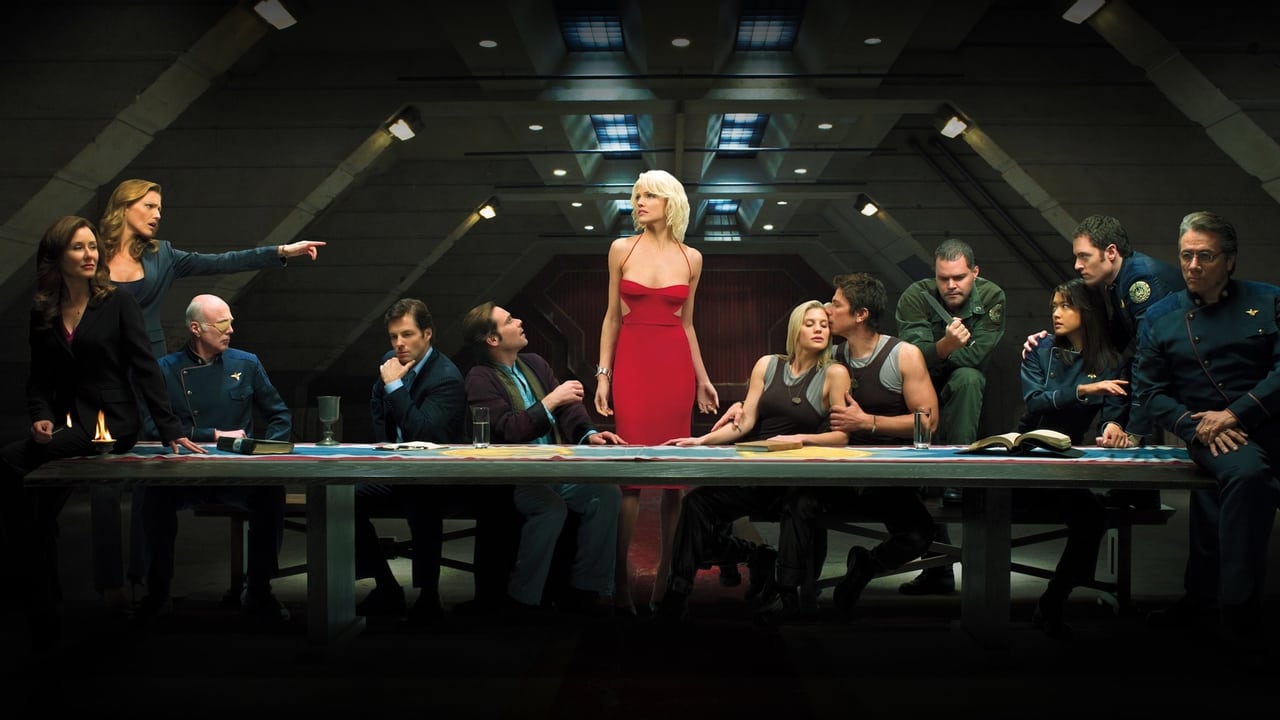
**Battlestar Galactica** (2004–2009) ★ 8.7
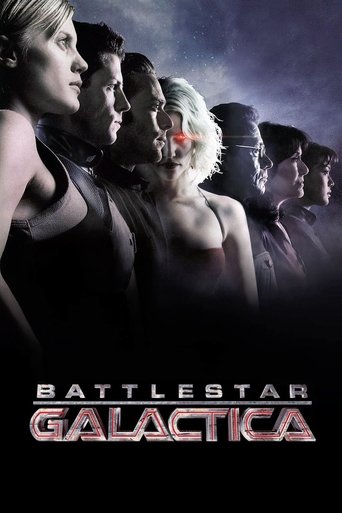
The last survivors of humanity flee aboard a rag-tag fleet after the Cylons — robotic enemies they created — destroy their home worlds. The complication: some Cylons look exactly like people and have infiltrated the fleet. The show uses the premise to explore occupation, terrorism, and what distinguishes humans from the things they make, and doesn't soften either side: the resistance and the military both commit atrocities. Seasons 1–2 are exceptional.

07
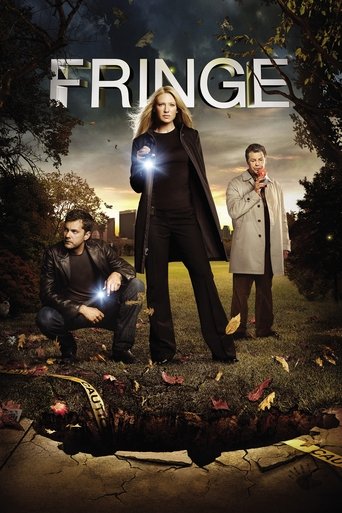
**Fringe** (2008–2013) ★ 8.4
FBI agent Olivia Dunham investigates crimes that have no scientific explanation, working with a brilliant mad scientist named Walter Bishop — who had parts of his own brain removed to stop himself from doing harm — and Walter's estranged son Peter. The "fringe science" cases escalate into a conflict between parallel universes. John Noble's Walter Bishop is one of TV's great characters: brilliant, broken, and genuinely funny within the same scene.

08
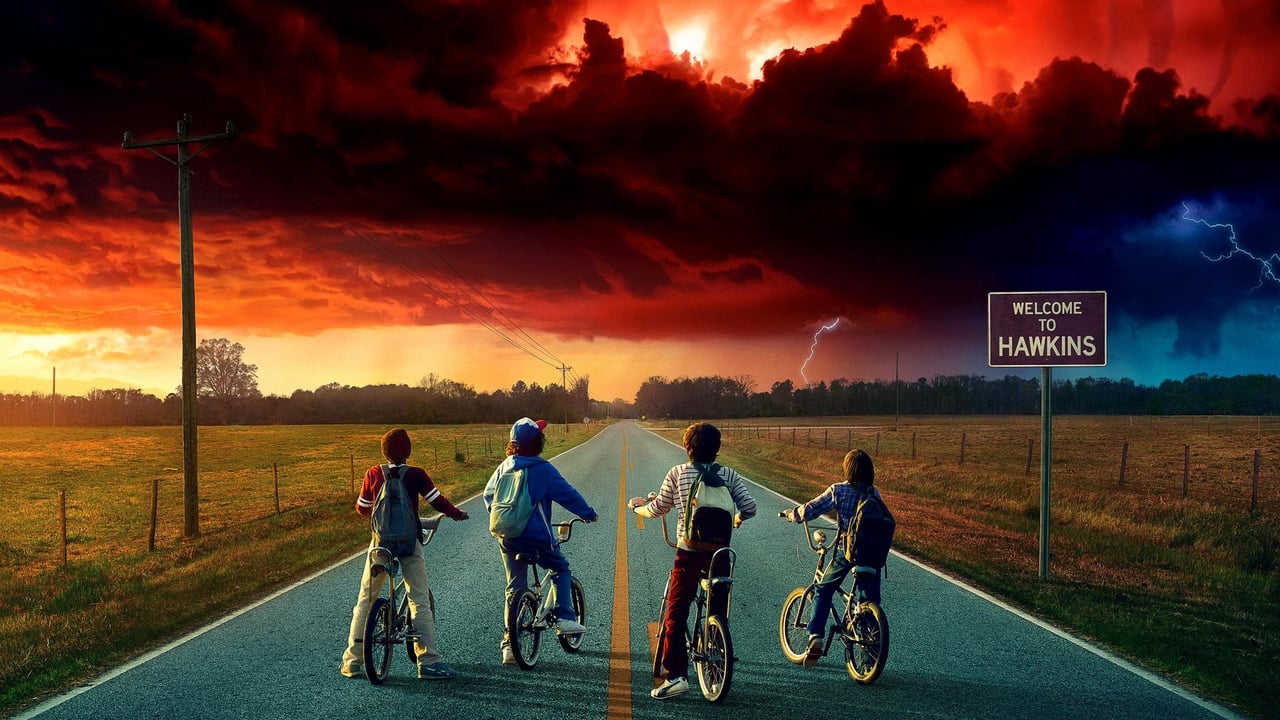
**Stranger Things** (2016–present) ★ 8.7
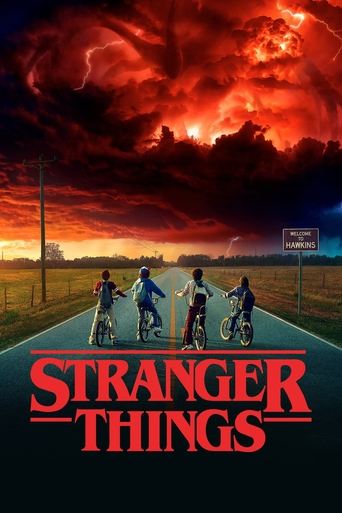
In Hawkins, Indiana in 1983, a boy goes missing and his friends find a girl with a shaved head hiding in the woods who can move things with her mind. There is a government lab, a dimension called the Upside Down, and a monster that shouldn't exist. The first two seasons work because the horror and the friendships are the same story. The supernatural stakes have grown considerably since, but the emotional core holds.

09
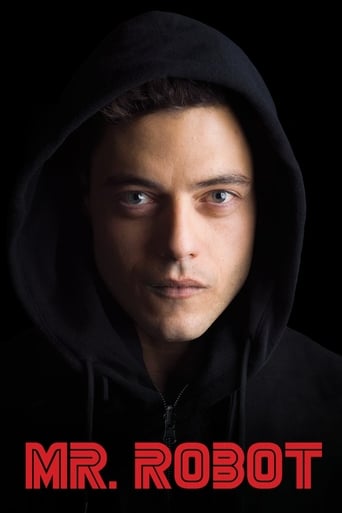
**Mr. Robot** (2015–2019) ★ 8.5
Elliot Alderson is a cybersecurity engineer with social anxiety and dissociative identity disorder who is recruited by an anarchist hacker collective to take down the financial corporation that runs most of the world's debt. The hacking is accurate enough that security professionals praised it publicly. Season 2's deliberate misdirection frustrated audiences at the time; the Season 4 payoff makes it retroactively brilliant.

10
**Firefly** (2002–2003) ★ 9.0
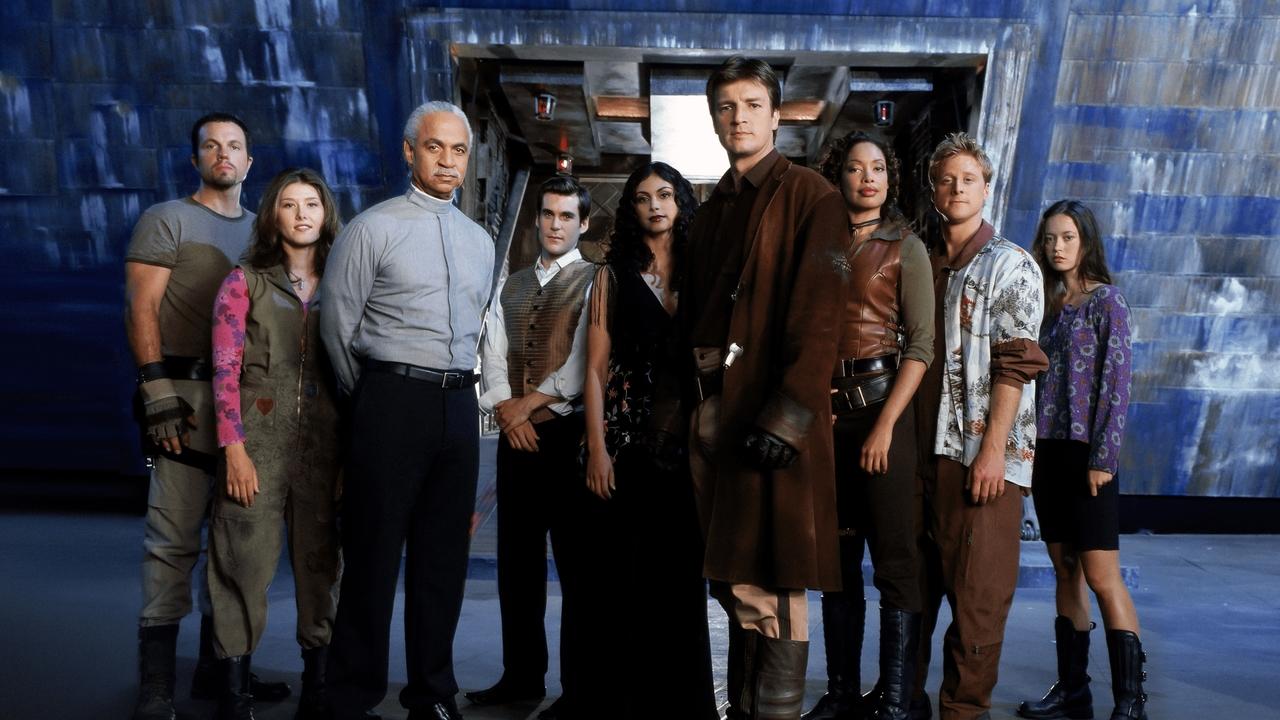
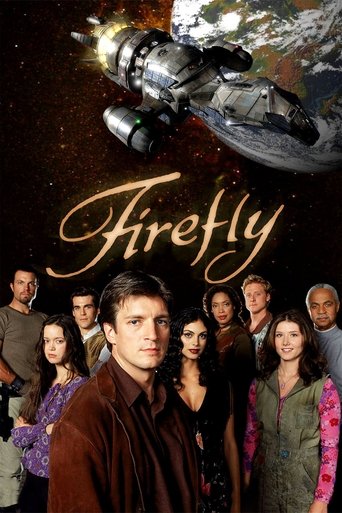
Nine people live and work on a battered transport ship called Serenity at the edges of a totalitarian Alliance's reach — a captain who fought on the losing side of a war, his crew, a preacher, a mercenary, a doctor, and his sister who the Alliance wants back. The show builds its world entirely through texture: characters behave as if their history is real and the audience pieces it together. One season, cancelled by Fox before it could finish, still mourned.

11
**The X-Files** (Seasons 1–6) (1993–present) ★ 8.7
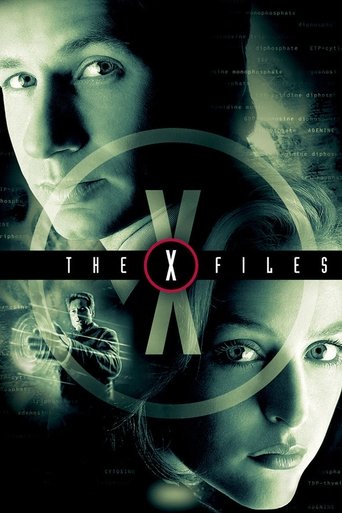
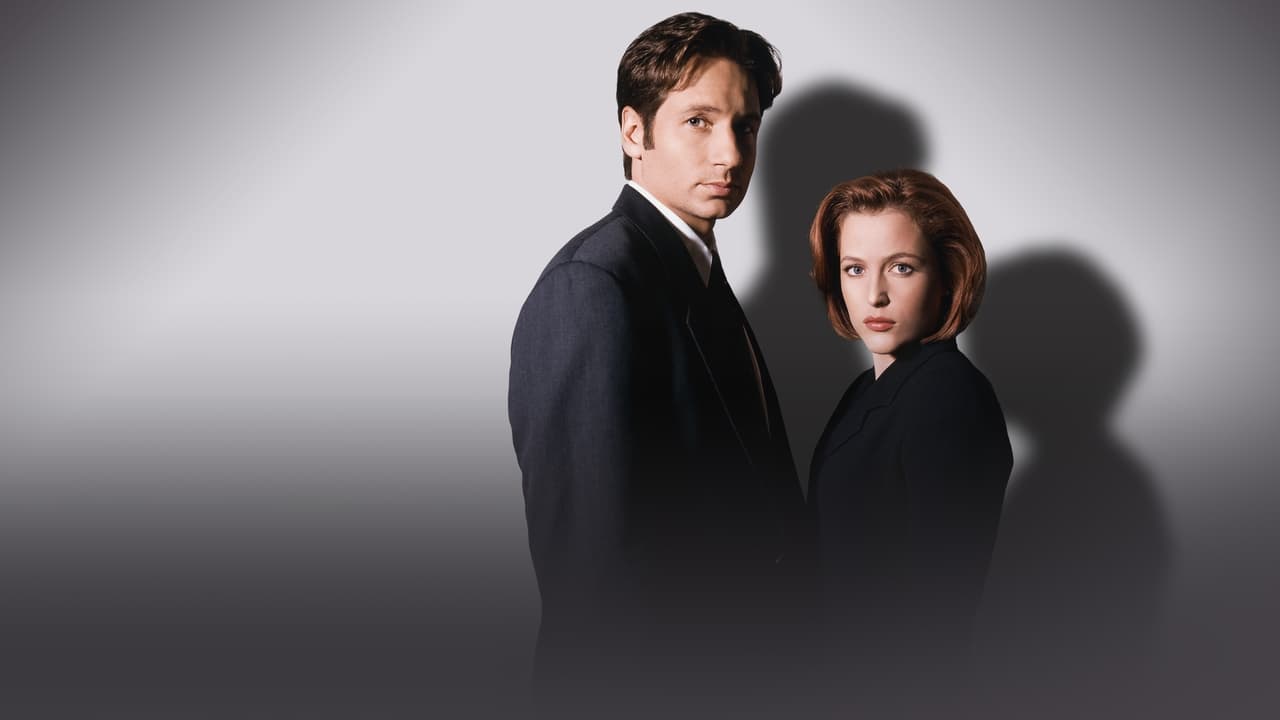
FBI agents Mulder and Scully investigate paranormal cases — alien abductions, genetic mutations, folkloric monsters — while Mulder pursues a government conspiracy he believes took his sister. The standalone "monster of the week" episodes and the mythology arc are separate pleasures; the standalones are often better. "Clyde Bruckman's Final Repose" — a Season 3 episode about a man who can see how people will die and wishes he couldn't — is among the best single TV episodes ever written.
12
**Twin Peaks: The Return** (2017) ★ 8.6
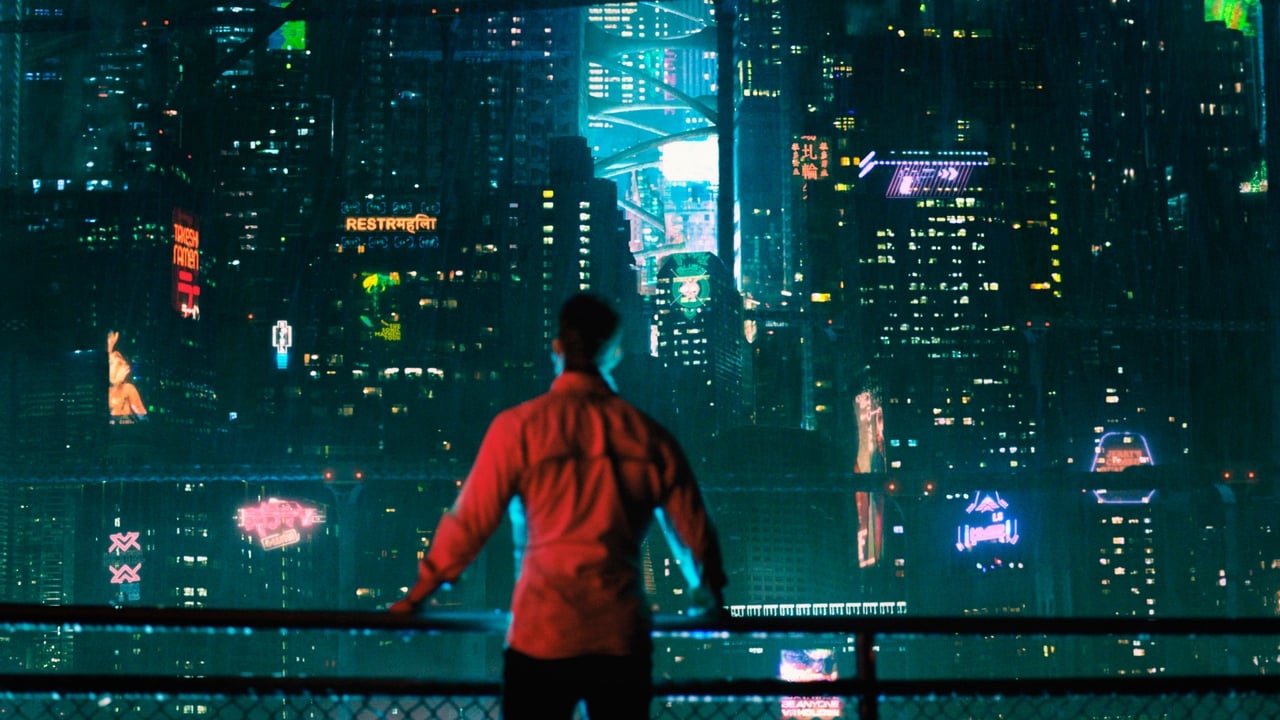
Twenty-five years after the original series, Agent Dale Cooper is finally returning from the Black Lodge. What follows is 18 hours of the most formally adventurous television ever made for a mainstream network: non-linear, often wordless, deeply strange. Part 8 is an 18-minute black-and-white sequence depicting a 1945 nuclear test, the origin of something evil, and the birth of a girl named Laura Palmer — with no dialogue and no explanation. Showtime aired it at 9pm on a Sunday.

13
**Altered Carbon** (Season 1) (2018) ★ 8.0
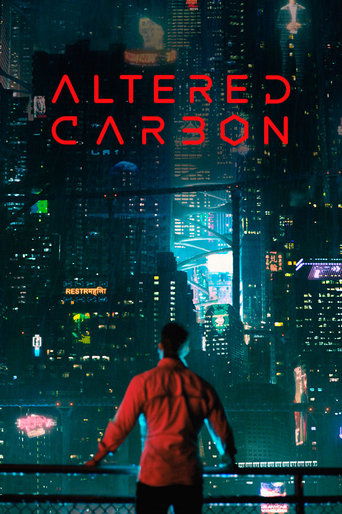
In the 25th century, human consciousness can be stored on a "cortical stack" and transferred between bodies — called "sleeves." Takeshi Kovacs is a soldier-for-hire whose stack is given a new sleeve and hired to investigate a wealthy man's apparent suicide. The show uses the concept to explore class: the rich have backups and the poor can be permanently killed when their body dies. Season 1's noir investigation is standard-issue detective fiction made strange by its premise.

14
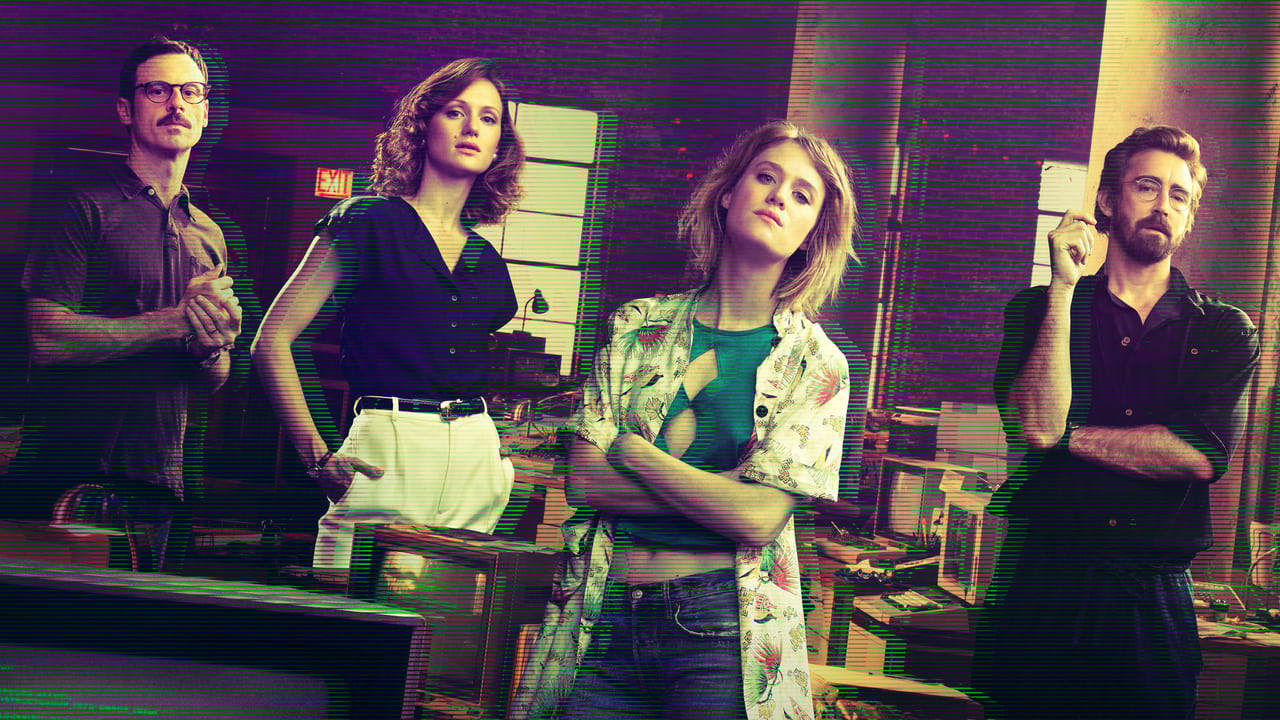
**Halt and Catch Fire** (2014–2017) ★ 8.5
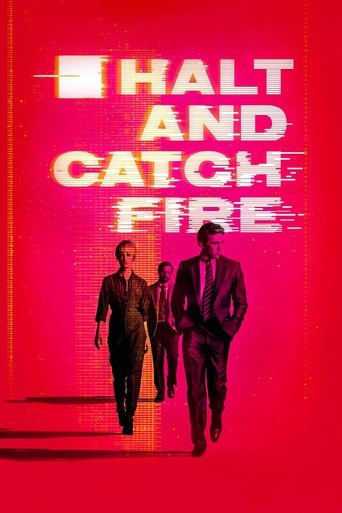
Four people — two men and two women — try to build personal computers and then internet businesses in Texas across the 1980s and early 90s. The show treats the act of building technology as emotionally serious: characters fight over cursor design with the same intensity as marriages ending. Technically closer to tech drama than sci-fi, but its treatment of what it means to imagine and build new worlds makes it essential adjacent viewing.

15
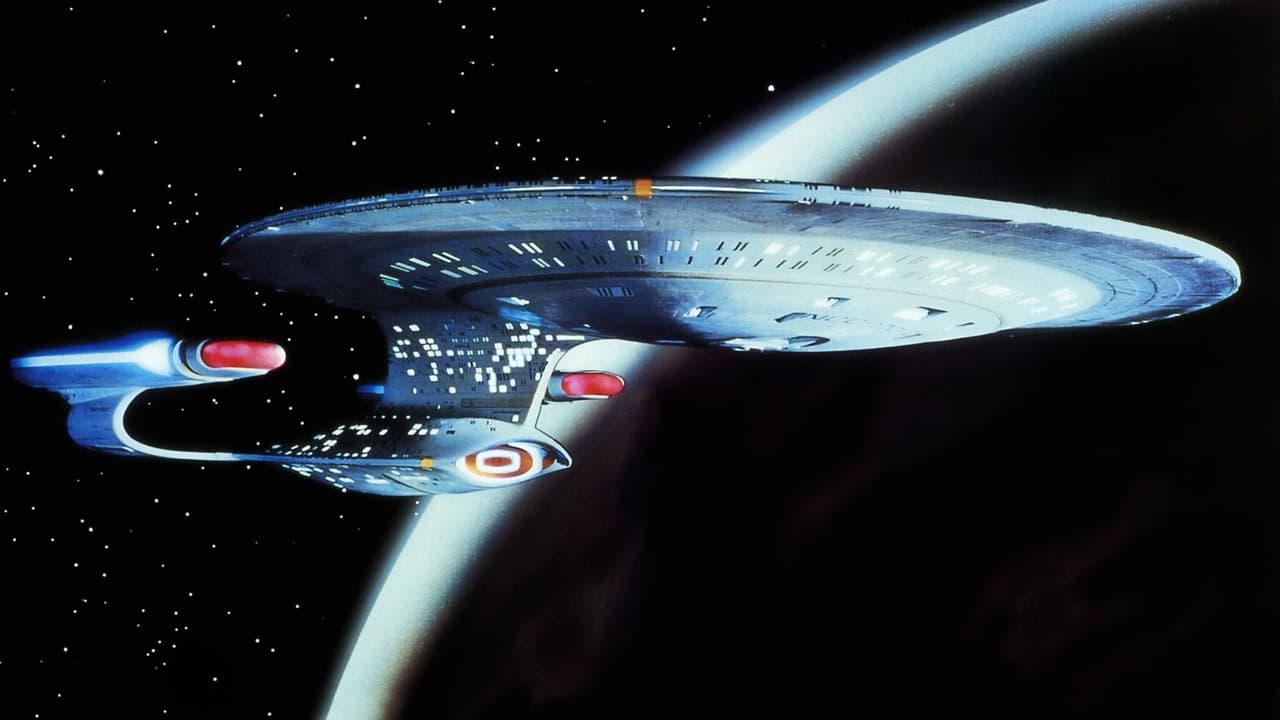
**Star Trek: The Next Generation** (1987–1994) ★ 8.6
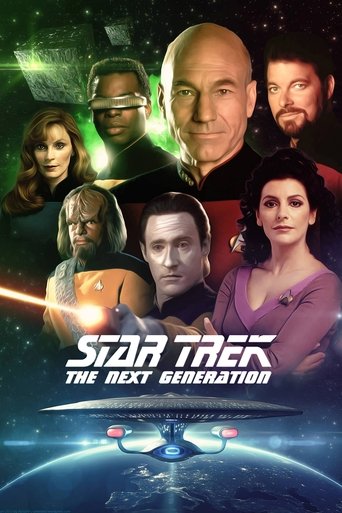
Captain Jean-Luc Picard commands the USS Enterprise-D on a mission of exploration across the galaxy, encountering new civilizations and arguing about ethics. The mid-series peak (Seasons 3–6) produced "The Inner Light" — an episode where Picard lives an entire life in an alien civilization in 22 minutes and wakes up holding a flute — which remains the most emotionally efficient piece of television science fiction ever made.

16
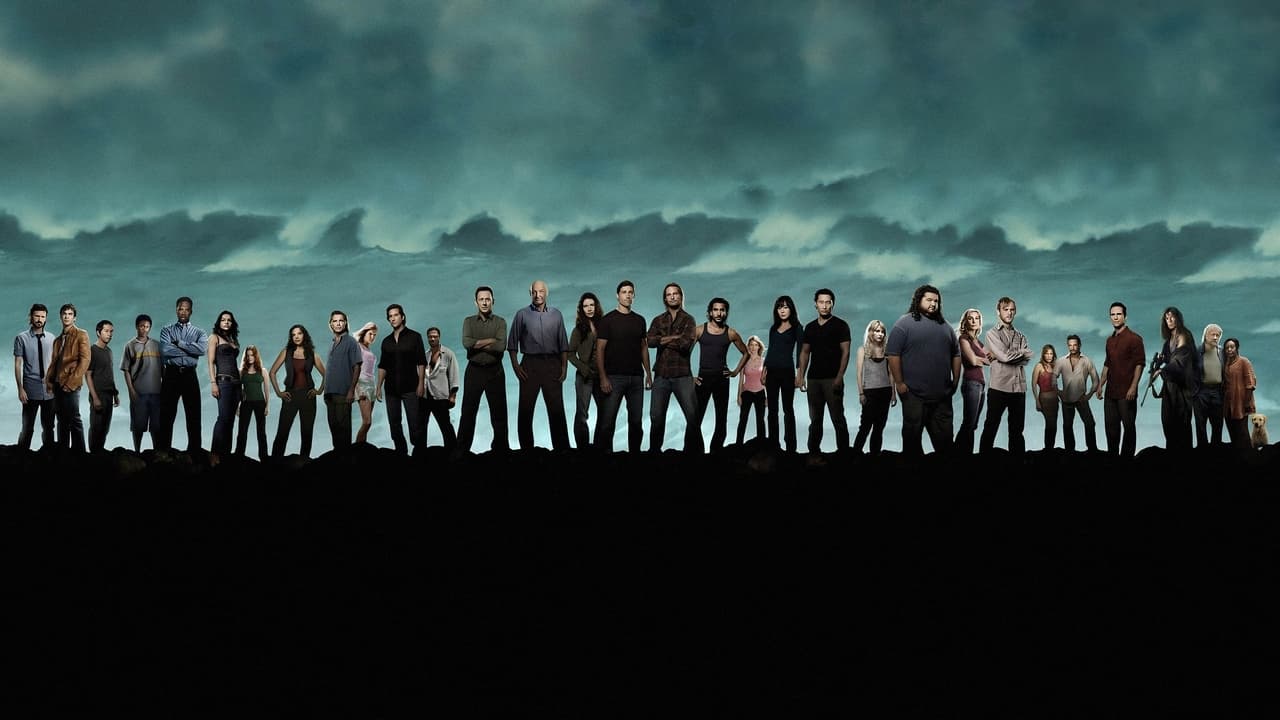
**Lost** (2004–2010) ★ 8.4
Survivors of a plane crash are stranded on a Pacific island that shouldn't exist — it has a hatch, a smoke monster, and people who were there before them. Season 1's structural trick — flashbacks revealing who each survivor was before the crash — makes character backstory feel like plot. The mythology grew overwhelming and the finale divided audiences, but "The Constant" (Season 4, Episode 5), a time-travel love story, is the best hour of romantic sci-fi television.

17
**Dollhouse** (2009–2010) ★ 7.8
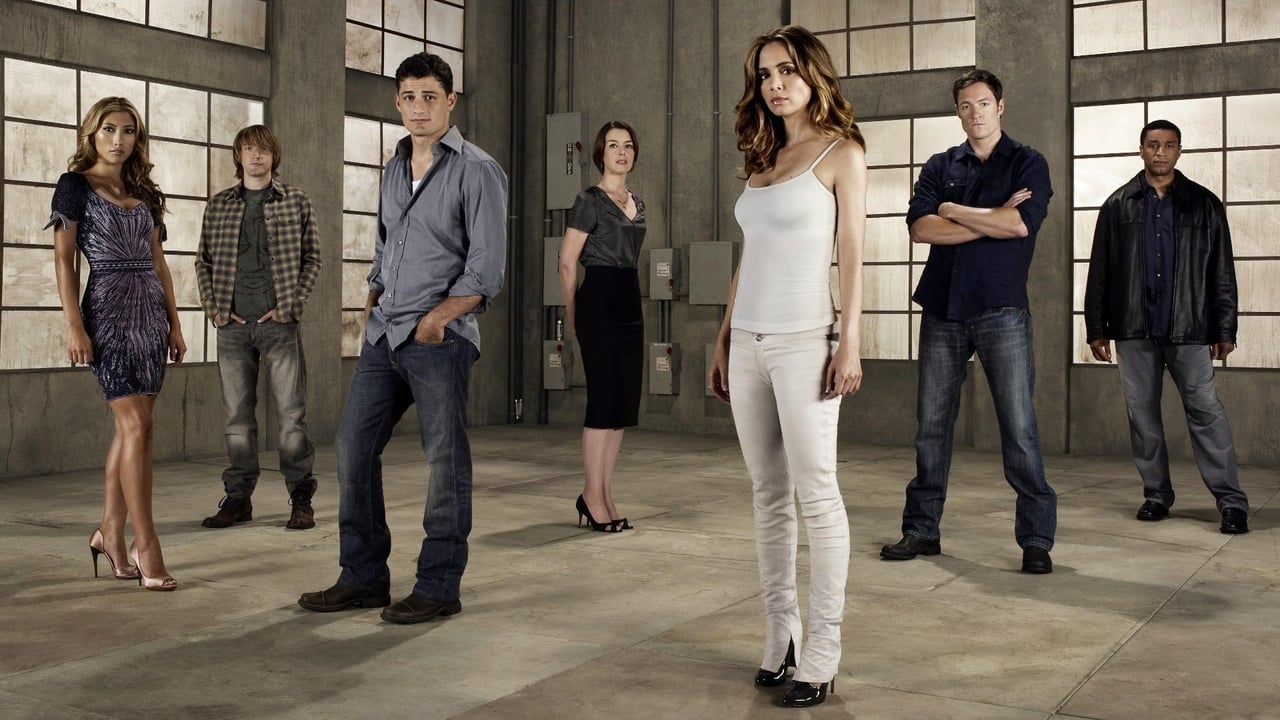
The Dollhouse is a secret organization that wipes people's personalities and programs them with new identities for wealthy clients. Agent Echo keeps experiencing flashes of her previous engagements when she shouldn't. Cancelled after two seasons. "Epitaph One" — an unaired bonus episode set ten years in a dystopian future the show never reached — is a remarkable standalone that shows exactly where it was all going.

18
**The OA** (2016–2019) ★ 8.1
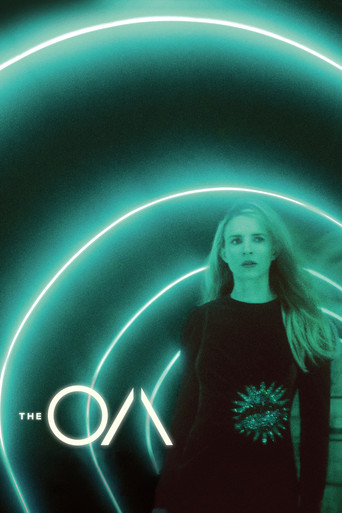
Prairie Johnson disappeared seven years ago and returns blind, though she had sight before. She refuses to explain what happened to her, except to a small group of strangers she gathers and tells her story to. The show resists every conventional TV instinct — it moves at its own pace and answers questions with stranger questions. Season 1 ends by asking the audience to perform a physical movement alongside the characters; some viewers wept and some turned it off.

19
**Years and Years** (2019) ★ 8.2
A Manchester family — the Lyons — navigates the next fifteen years as the UK convulses through political extremism, economic collapse, technological acceleration, and a demagogue politician whose rise the show presents as entirely plausible. Emma Thompson plays the politician as someone who believes she's the solution. The show aired in 2019 and several of its "near-future" predictions have since arrived on schedule.

20
**Miniseries: Station Eleven** (2021) ★ 8.0
Twenty years after a flu pandemic kills most of humanity, a traveling Shakespeare company performs for survivors across the Great Lakes region. The show cuts between the pre-pandemic world, the first year of collapse, and the present — pairing a character's death in Episode 1 with an echo in the finale. Its thesis is the line from the graphic novel the characters carry: "survival is insufficient." One of the more quietly devastating structural choices in recent television.
Section 2
Sci-Fi TV by Theme
| Theme | Best Show | |-------|-----------| | Time travel | Dark | | Technology dystopia | Black Mirror, Severance | | Space opera | The Expanse, Battlestar Galactica | | AI/consciousness | Westworld, Altered Carbon | | Supernatural | Fringe, Stranger Things |
Section 3
Want More?
- [Best Sci-Fi Movies](/best/sci-fi) — film counterparts to these shows - [Movies like Interstellar](/similar/interstellar) — big-concept sci-fi - [Shows like Dark](/shows/similar/dark) - [Shows like Black Mirror](/shows/similar/black-mirror) - [Best TV Shows of All Time](/blog/best-tv-shows-of-all-time)
More from Best Of
100 Best Movies to Watch Before You Die — The Definitive List
The 100 films that define cinema. From Citizen Kane to Parasite, from Kurosawa to Kubrick — the movies every human should see at least once.
30 Best Animated Movies — Not Just for Kids
Spirited Away, WALL-E, Spider-Verse, Princess Mononoke — the 30 best animated movies ever made, from Pixar to Ghibli to stop-motion.
30 Best Anime Series of All Time — The Definitive List
Attack on Titan, Fullmetal Alchemist Brotherhood, Death Note, Cowboy Bebop — the 30 best anime series ever made, for beginners and veterans alike.