Shows Like The Expanse
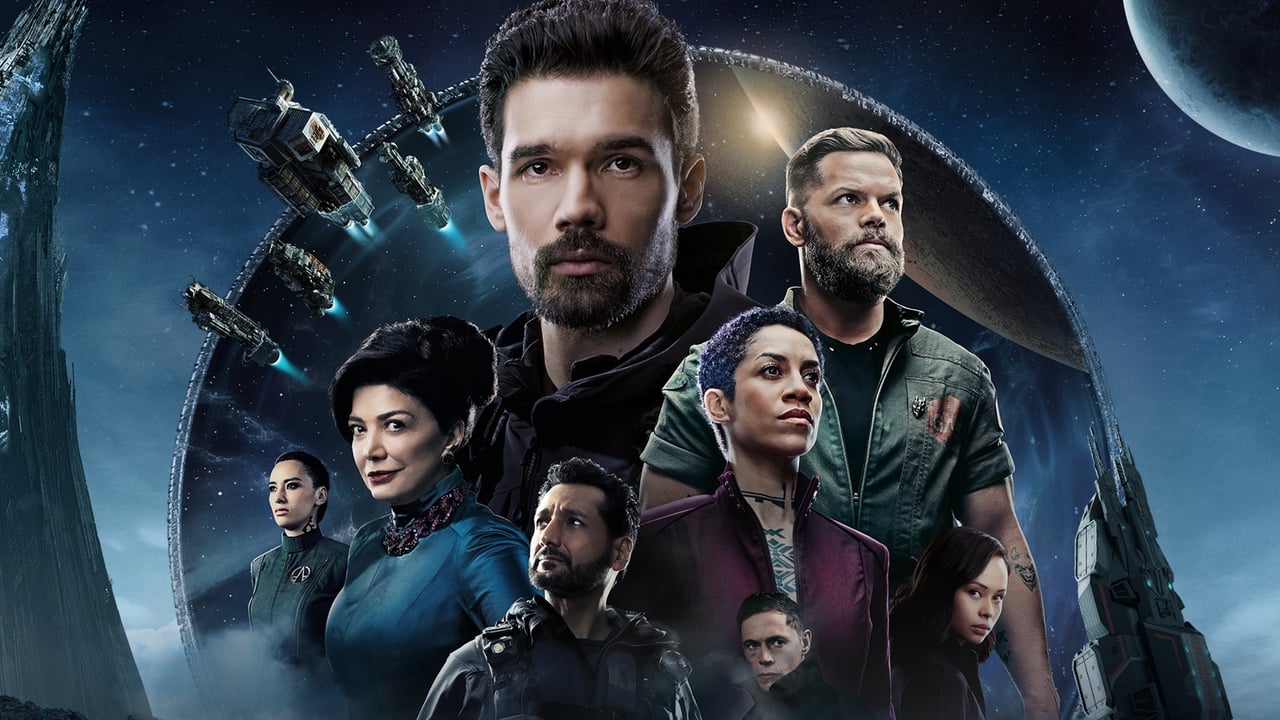
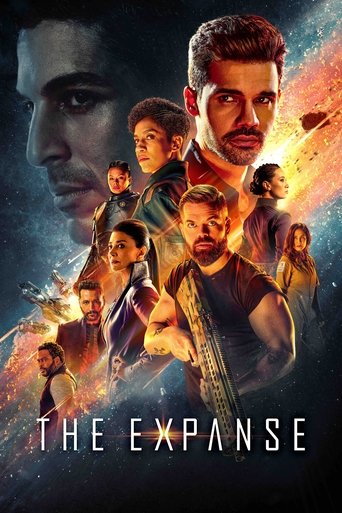
A thriller set two hundred years in the future following the case of a missing young woman who brings a hardened detective and a rogue ship's captain together in a race across the solar system to expose the greatest conspiracy in human history.
Ranked by shared creators, cast, themes, genre, and network — not just generic recommendations.
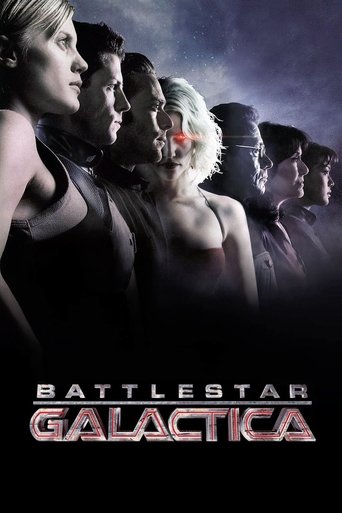
Battlestar Galactica
Gritty serialized space drama with political intrigue, ensemble cast, and existential stakes — closest spiritual sibling to The Expanse.
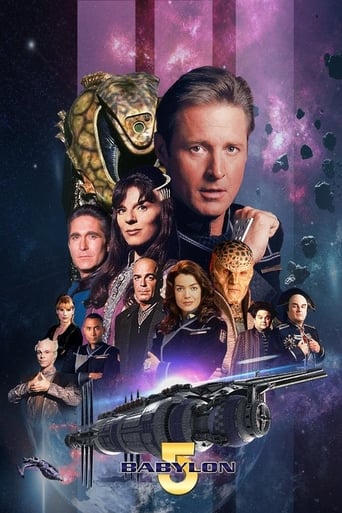
Babylon 5
Space station politics, multi-faction conspiracy arc, and planned serialized storytelling — shares The Expanse's DNA almost exactly.
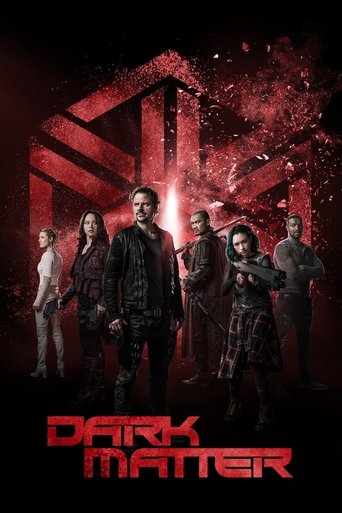
Dark Matter
Crew aboard a spacecraft with no memory, corporate faction politics in space — Syfy series airing alongside The Expanse with direct audience overlap.
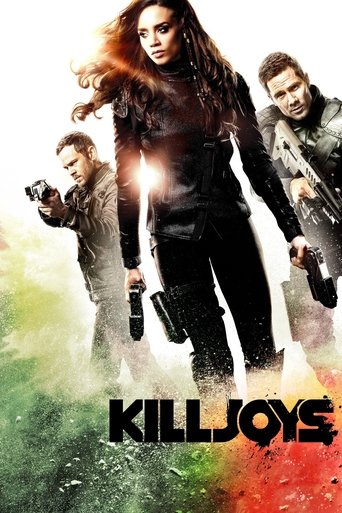
Killjoys
Bounty hunters navigating colonial power struggles in a solar system — co-aired with The Expanse on Syfy, near-identical setting and tone.

For All Mankind
Hard sci-fi alternate history with Mars colonization, political drama, and realistic space mechanics — closest modern peer in tone and rigor.
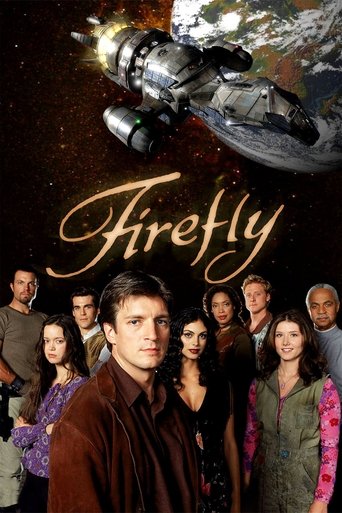
Firefly
Ensemble crew aboard a spacecraft navigating a politically divided solar system — cult space opera with the same scrappy anti-hero energy.
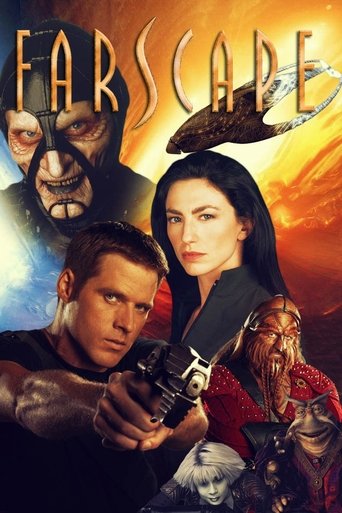
Farscape
Spacecraft ensemble drama with wormhole conspiracies and alien political factions — serialized and tonally serious like The Expanse.
Stargate Universe
Dark, serialized crew-survival drama aboard an ancient ship lost in space — deliberately more grounded and political than earlier Stargate entries.

Andor
Politically layered space thriller about rebellion and imperialism with cinematic production — the most tonally serious Star Wars entry.
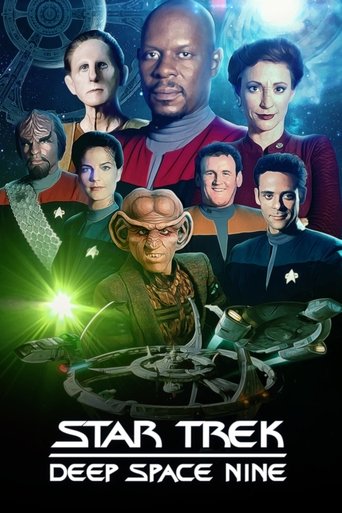
Star Trek: Deep Space Nine
Space station as hub for faction politics, war arcs, and serialized storytelling — the darkest and most Expanse-like Star Trek series.
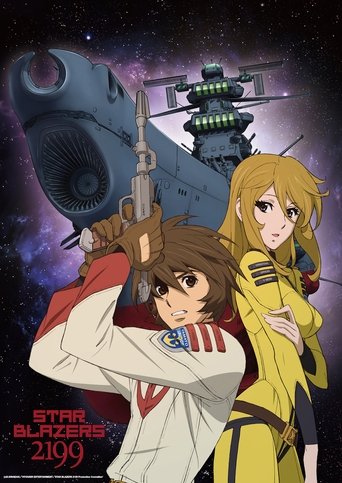
Star Blazers: Space Battleship Yamato 2199
Military sci-fi space opera with a desperate survival mission and serious dramatic weight — strong crossover for hard sci-fi fans.
The Orville
Thoughtful ensemble space drama — evolved past parody into genuine humanist sci-fi that Expanse fans frequently cite.

Foundation
Epic space opera with galactic political conspiracy, factions in conflict, and grand serialized scope adapted from Asimov's classic.
Stargate Atlantis
Ensemble crew in a lost ancient city facing an existential alien threat — strong space adventure drama with political stakes.
Ascension
Generation ship conspiracy thriller — a covert century-long space mission with murder mystery and political intrigue aboard ship.

Cowboy Bebop
Solar system colonization setting with bounty hunters, neo-noir tone, and episodic crew drama — shares The Expanse's lived-in space aesthetic.
Star Trek: The Next Generation
Foundational space opera ensemble drama — lighter and more optimistic than The Expanse but essential viewing for the same audience.
The 100
Post-apocalyptic survival drama with space colony origins and harsh political realism — shares The Expanse's moral ambiguity and faction conflicts.
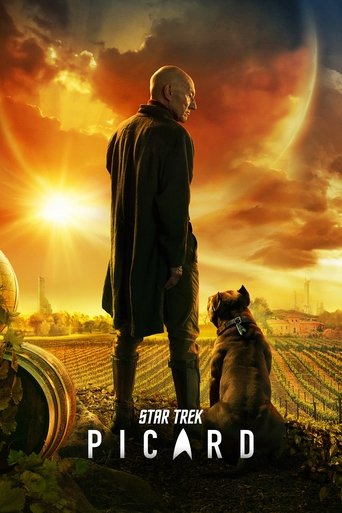
Star Trek: Picard
Conspiracy-driven space drama with darker tone than classic Trek — attracts the same audience seeking mature serialized sci-fi.
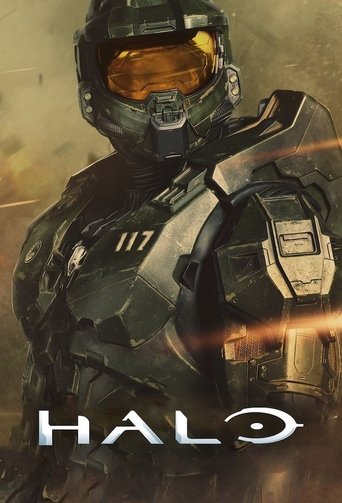
Halo
Military sci-fi space opera with humanity vs alien conflict and ensemble action — serves the same action-leaning segment of the Expanse audience.
How Good Is The Expanse?
Ratings across IMDb and TMDB, plus our verdict.
Where to Watch The Expanse
Streaming, rental, and purchase options across 40+ countries.
United States
USStream
2 Amazon Prime Video
 Amazon Prime Video with Ads
Buy
7 Apple TV Store
 Fandango At Home
 Amazon DVD / Blu-ray
 Amazon Video
 Barnes & Noble
 GRUV
GRUV Zavvi
ZavviAvailable in 133 countries
Frequently asked about The Expanse
Common questions people search for, with answers written by us at MoviesPack.
What is the protomolecule and where did it come from?
The protomolecule is an ancient alien organism engineered approximately two billion years ago by an unknown extraterrestrial civilization and directed toward Earth, but it was intercepted by Saturn's gravity and landed on Phoebe instead. It functions less like a virus and more like a construction toolkit — it repurposes biological and physical matter to execute a long-dormant program. Its ultimate goal, as revealed across the series, is to reconstruct a gate network linking star systems, suggesting its creators had interstellar ambitions on a cosmic timescale.
Who or what destroyed the protomolecule builders, and what does it mean for humanity?
The builders of the protomolecule and the ring gate network were annihilated by an unknown entity referred to informally as 'the dark gods' or the 'destroyer' — an existential threat so powerful it wiped out a civilization capable of seeding life across the galaxy. The show deliberately leaves this enemy unnamed and unseen, conveying its threat through the ruins it left behind and through incidents like the Ilus catastrophe, where the destroyer's automated defense systems reactivate. For humanity, this means stepping through the ring gates inherits an ancient war, and drawing too much attention — through high-energy activity near the gates — risks triggering the same extinction response.
Why did Miller's 'ghost' continue appearing to Holden after the events on Eros?
After Miller merged with the protomolecule on Eros and guided the station into Venus, a fragment of the protomolecule retained a reconstruction of his personality, essentially using his cognitive patterns as an interface to communicate with Holden. This construct — not truly Miller but a protomolecule simulation of him — re-emerges because Holden is infected with a small amount of protomolecule, making him the only person the alien network can reach. The 'Miller' apparition acts as an investigator following a case, mirroring his in-life character, because the protomolecule modeled his identity around his defining drive: the need to solve the mystery of Julie Mao.
What happened on Ilus (New Terra) and why did the alien structures reactivate?
Ilus is one of the thousands of planets accessible through the ring gate network, but it still harbors dormant protomolecule infrastructure left behind by the builders. When the colonists and the Rocinante crew arrived, human activity — particularly the energy signature from a nuclear explosion — triggered the planet's automated systems to reactivate, flooding the surface and unleashing defensive organisms. This event is a direct echo of whatever destroyed the builders: the same threshold-based defense mechanism that annihilated an entire civilization was responding to what it interpreted as a threat signature, demonstrating that the ring space and its connected worlds are still armed and watching.
What is the significance of Naomi's message to Filip and how does it resolve her arc?
Naomi Nagata spent years estranged from her son Filip, who was raised by Marco Inaros to see her as a traitor to the Belt. Unable to reach him directly, she broadcasts a personal message into the void — not expecting him to act on it, but needing him to know the truth of who she is and that she chose to survive for herself, not out of cowardice. Filip's eventual quiet desertion from Marco's fleet in the finale is the show's answer to whether the message landed: he walks away not in dramatic confrontation but in a small, private act of rejection, mirroring Naomi's own quiet resilience and closing the loop on her deepest wound.
Recent Updates
New Teaser: The Expanse
New Trailer: The Expanse