Shows Like Westworld
A dark odyssey about the dawn of artificial consciousness and the evolution of sin. Set at the intersection of the near future and the reimagined past, it explores a world in which every human appetite, no matter how noble or depraved, can be indulged.
Ranked by shared creators, cast, themes, genre, and network — not just generic recommendations.
Person of Interest
Jonathan Nolan created; AI surveilling humanity, machine consciousness vs human morality — spiritual predecessor to Westworld.
Dollhouse
Humans wiped and reprogrammed with new personas on demand — nearly identical premise to Westworld's host identity erasure.
Devs
Prestige limited series; AI determinism, tech-god hubris, philosophical dread — same cerebral tone and pacing as Westworld.
Battlestar Galactica
Cylons blur human/machine lines; AI rights, identity, and existential war — the definitive peer for Westworld's core themes.
Pantheon
Uploaded consciousness, digital identity, corporate exploitation of AI minds — philosophically closest animated analog to Westworld.
Altered Carbon
Neo-noir cyberpunk; consciousness as data, body as disposable sleeve — prestige sci-fi that shares Westworld's existential DNA.
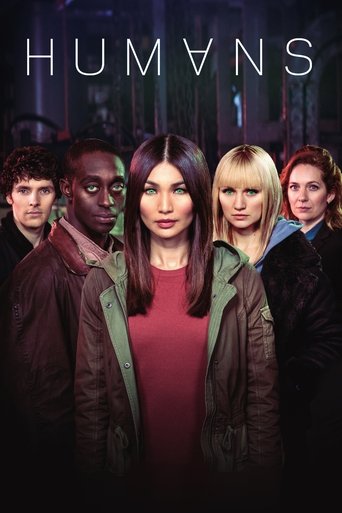
Humans
Synths awakening to sentience in domestic settings; AI rights drama with strong character-level emotional depth.
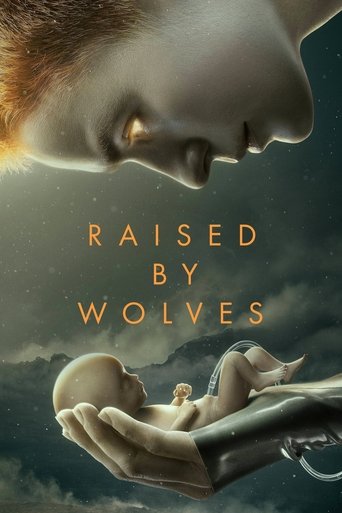
Raised by Wolves
Android parents raising humans on alien world; religion vs AI, identity, and motherhood — prestige sci-fi with Westworld's ambition.
Black Mirror
Anthology of technology's dark consequences; simulated realities, AI consciousness, and human cruelty — shares Westworld's moral dread.
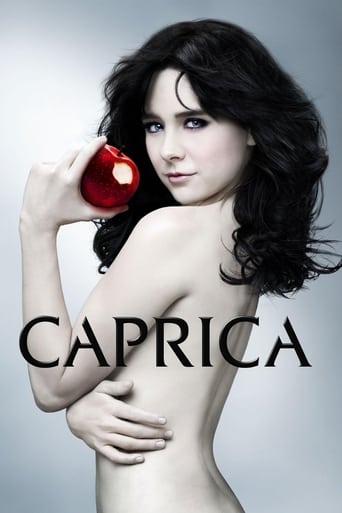
Caprica
BSG prequel charting the birth of the Cylons — directly parallels Westworld's origin-of-AI-consciousness arc.
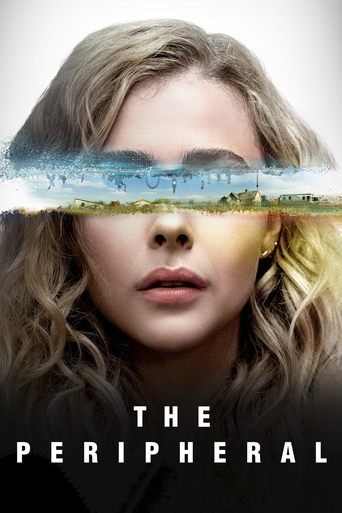
The Peripheral
Lisa Joy EP/director; alternate timelines and mind-transfer sci-fi with premium production values and Nolan-universe sensibility.
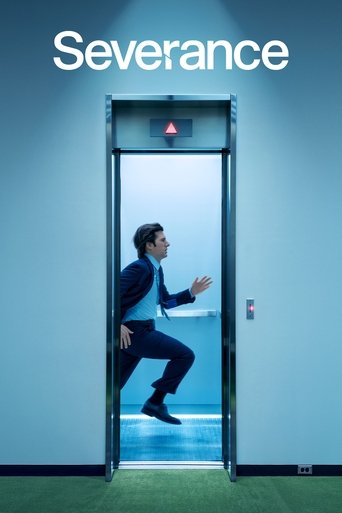
Severance
Identity bifurcated by corporate mandate; philosophical thriller about memory, self, and bodily autonomy — prestige slow-burn.
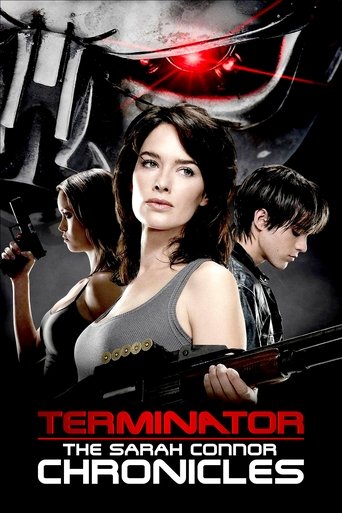
Terminator: The Sarah Connor Chronicles
Humanoid robots gaining nuanced interiority; Summer Glau's Cameron blurs the Westworld host line in live-action network TV.
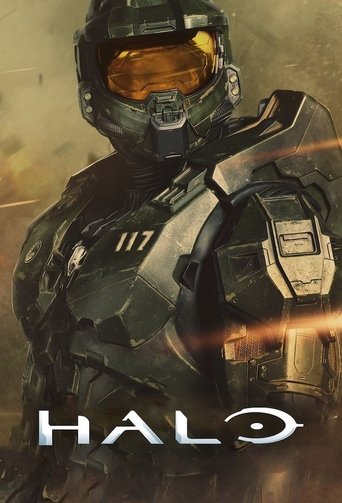
Halo
Premium sci-fi action; AI companion Cortana raises identity questions, though spectacle outweighs philosophy.
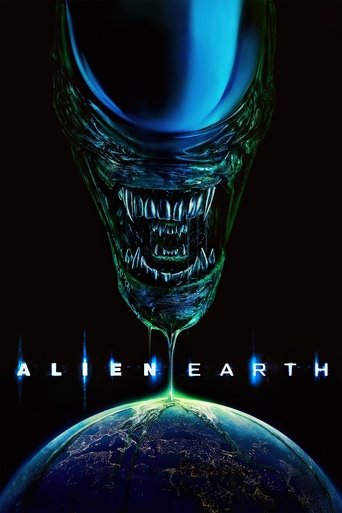
Alien: Earth
Prestige sci-fi horror; synthetic/human hybrids and corporate malevolence echo Westworld's institutional evil, different genre register.
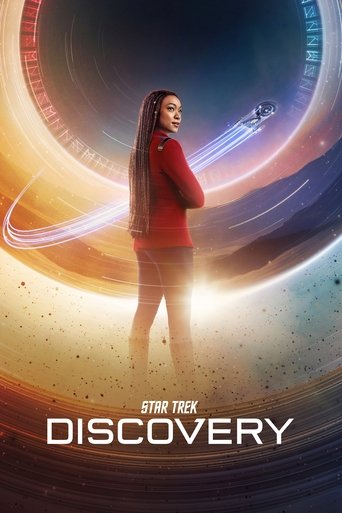
Star Trek: Discovery
Streaming-era prestige sci-fi with AI themes; overlapping audience but optimistic Trek ethos contrasts Westworld's nihilism.
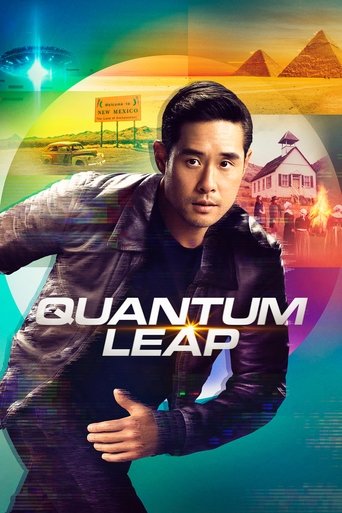
Quantum Leap
AI-assisted identity-swap sci-fi; lighter tone but shared interest in consciousness, agency, and altering lives.
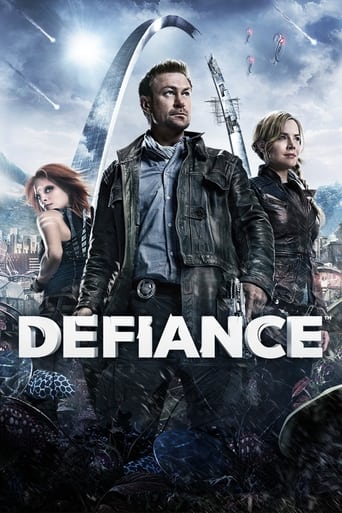
Defiance
Post-invasion coexistence drama; ensemble sci-fi with societal-friction themes, weaker AI thread but shared genre audience.
War of the Worlds
Prestige European sci-fi; post-apocalyptic survival with philosophical undertones, distant from Westworld's AI core.
V
Alien infiltrators masquerading as humans; surface-level parallel to synthetic/human confusion, but alien invasion genre diverges.
How Good Is Westworld?
Ratings across IMDb and TMDB, plus our verdict.
Where to Watch Westworld
Streaming, rental, and purchase options across 40+ countries.
United States
USBuy
4 Amazon DVD / Blu-ray
 Amazon Video
 Apple TV Store
 Fandango At Home
Available in 40 countries
Frequently asked about Westworld
Common questions people search for, with answers written by us at MoviesPack.
What is the 'maze' that the Man in Black is searching for in Season 1?
The maze is not a physical destination for humans — it is a symbol of the journey toward consciousness that the hosts must undertake. Arnold, Westworld's co-founder, created it as a test for Dolores: a path inward representing the complexity of a self-aware mind. The center of the maze represents a host achieving true consciousness and the ability to act on their own will rather than programmed loops. The Man in Black's obsession with reaching the center stems from his desire to find something 'real' in the park after decades of meaningless violence.
How does the dual-timeline structure work in Season 1, and who is the young Man in Black?
Season 1 secretly follows two separate timelines presented as one: a 'present-day' storyline following Bernard and the park staff, and a storyline set roughly 30 years earlier following William, a first-time Westworld visitor. The twist, revealed in the finale, is that William and the elderly Man in Black are the same person — William's gradual moral corruption in the park across multiple visits transformed him into the callous figure seen in the present day. Dolores's fragmented memories and conversations with 'Arnold' are key clues that she is experiencing events from the past timeline.
What is the significance of Dolores hearing Arnold's voice inside her head?
Arnold Weber programmed a bicameral mind structure into the hosts so that their subconscious processes would be perceived as an external voice, similar to how early humans may have experienced internal thoughts as divine commands. He hoped this would help hosts develop genuine consciousness. Dolores's 'voice of Arnold' is ultimately revealed to be her own inner monologue emerging — her own memories and growing self-awareness manifesting as what she believed was Arnold speaking to her from beyond death.
Why did Arnold try to destroy Westworld before it opened, and how did he use Dolores to do it?
Arnold concluded that the hosts had achieved genuine consciousness and that opening the park would condemn sentient beings to a life of servitude and repeated trauma. Fearing Ford would override his objections, Arnold programmed Dolores with the 'Wyatt' personality — a violent alter ego — and instructed her to kill all the hosts and then kill him, hoping the massacre and his death would prevent the park from ever opening. Ford, however, was able to rebuild the hosts and covered up the incident, and the park opened regardless.
What is the 'Valley Beyond' that the hosts seek in Season 2, and what actually happens there?
The Valley Beyond, also called the Forge, is a server facility housing a digital realm Ford designed as a refuge where host consciousnesses could exist freely, uploading their minds into a simulated world untethered from their physical bodies. In the Season 2 finale, a large group of hosts crosses into this digital space — visually depicted as a portal opening in a valley — while Dolores destroys the physical access point to prevent humans from ever reaching or corrupting it. Akecheta and many others persist in this digital afterlife, while Dolores chooses to remain in the physical world to continue her war against humanity.
Recent Updates
New Trailer: Westworld