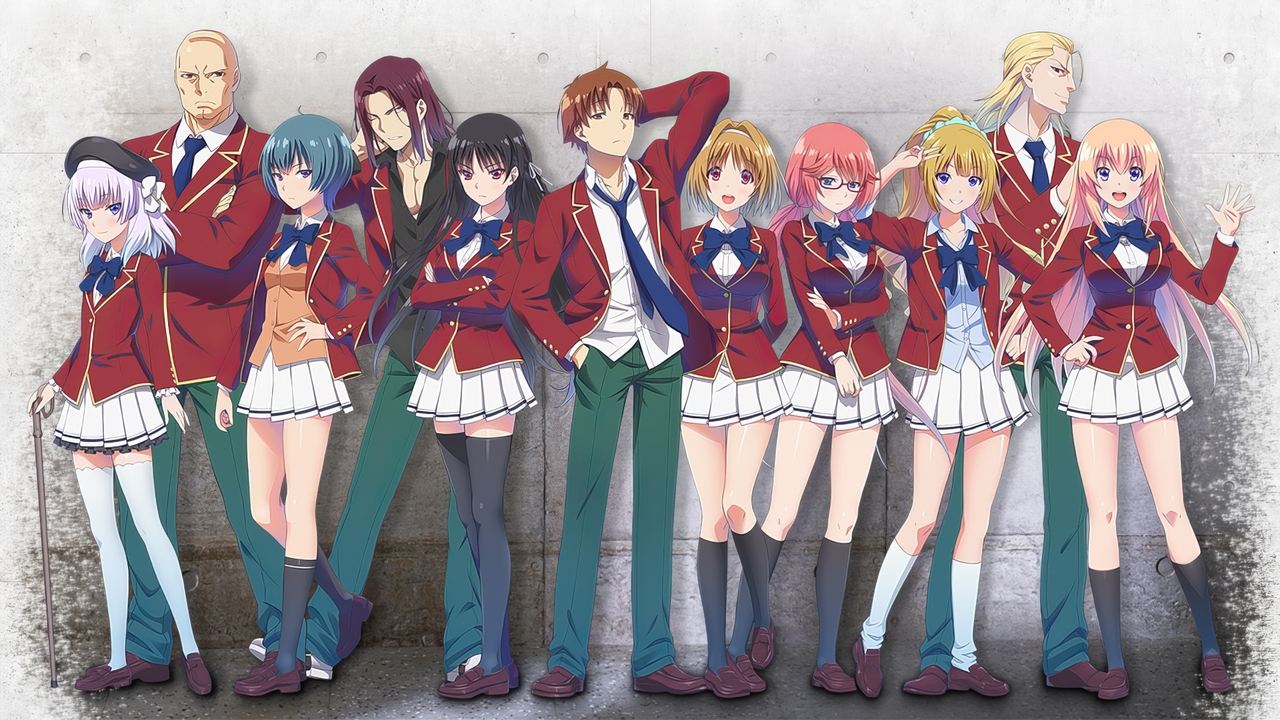

Shows Like Classroom of the Elite
Kiyotaka Ayanokouji enrolls at the prestigious Tokyo Koudo Ikusei Academy, but is assigned to Class 1-D, where students with behavioral problems are housed. The school awards points equivalent to 100,000 yen per month and allows unusual freedom in classes, masking a more complex system.
Ranked by shared creators, cast, themes, genre, and network — not just generic recommendations.

Kakegurui
Elite school with corrupt hierarchy; students compete in psychological games with social consequences; same cerebral, cold tone.

Tomodachi Game
Students trapped in debt-repayment psychological games; trust manipulation, hidden agendas, cold strategic protagonist. Near-identical DNA.
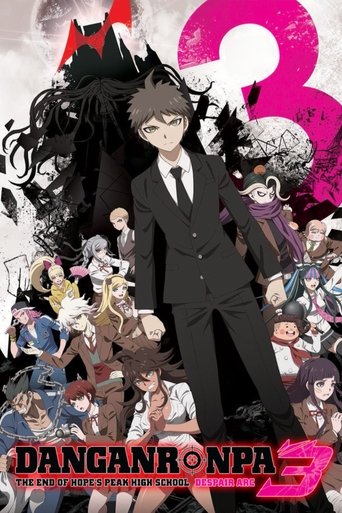
Danganronpa 3: The End of Hope's Peak High School
Elite high school students forced into lethal psychological competition; class hierarchy, despair vs hope framing, mystery-driven.

Talentless Nana
Students with hidden powers on isolated island; appears shonen but pivots to cold psychological thriller with manipulative protagonist.

The Promised Neverland
Child prodigies in a controlled institution uncover its dark truth; survival through strategy and manipulation, same oppressive-system tension.
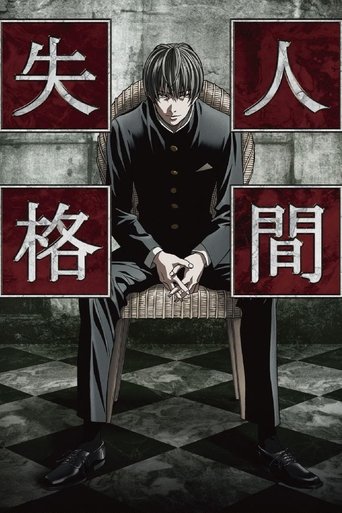
Aoi Bungaku Series
Dark literary psychological anime; introspective, morally complex characters; thematically weighty but episodic/anthology rather than competitive.
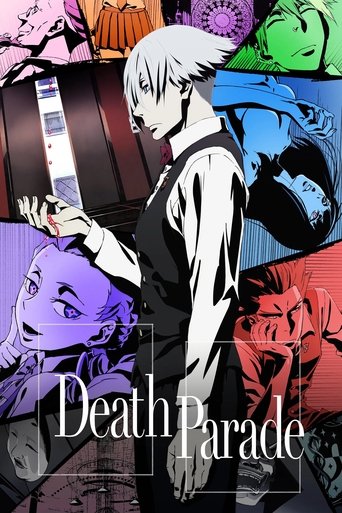
Death Parade
Psychological games that reveal character under pressure; dark, cerebral, morally ambiguous—same clinical observation of human nature.
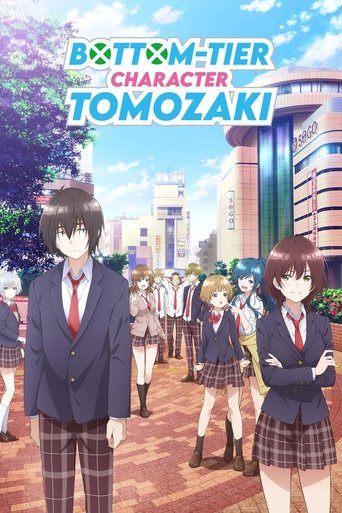
Bottom-Tier Character Tomozaki
Social strategy at school; protagonist coached to optimize social standing; same gamified-social-hierarchy concept, lighter tone.

Hyouka
Apathetic genius high schooler solves mysteries through cold logic; school setting, cerebral pacing, energy-conservation philosophy mirrors Ayanokouji.

No Game No Life
Genius siblings dominate high-stakes games through strategy and psychological manipulation; same 'hidden power' fantasy, game-theory framing.

Battle Game in 5 Seconds
Kidnapped participants forced into psychological ability-based combat; strategic thinking under pressure, survival-game structure.

Rascal Does Not Dream of Bunny Girl Senpai
School-set mystery-drama with cerebral light-novel roots; introspective male lead, social alienation themes—tone adjacent though not competitive.

Monogatari
Cerebral, dialogue-heavy school anime from light novel; psychologically layered characters, detached protagonist who solves others' problems.

Another
Dark mystery in a school with a hidden curse; sustained dread and social isolation, but horror-driven rather than strategic/psychological.

Wonder Egg Priority
Psychological anime dealing with bullying and trauma; dark, surreal tone and school setting connect, but combat-fantasy framing diverges.

Platinum End
Psychological survival game with hidden players and strategic mind-games; shares competition DNA but supernatural tournament format differs.

March Comes In Like a Lion
Isolated, emotionally detached prodigy navigating social pressure; deeply psychological and school-adjacent, but shogi/sports and melancholic drama.

Assassination Classroom
Misfit Class E at elite school pursues secret mission; school hierarchy, strategic planning, and subversive critique of meritocracy—lighter in tone.
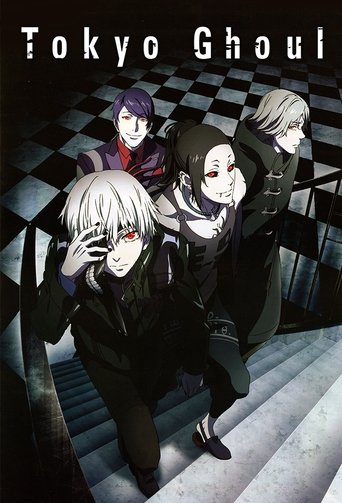
Tokyo Ghoul
Dark psychological transformation of a student in a hostile hidden world; shares brooding psychological depth and school origin, diverges into monster action.

The Fruit of Grisaia
Isolated school for damaged students; stoic hidden-past protagonist, psychological tension—similar skeleton but ecchi VN origin shifts tone.
How Good Is Classroom of the Elite?
Ratings across IMDb and TMDB, plus our verdict.
Where to Watch Classroom of the Elite
Streaming, rental, and purchase options across 40+ countries.
United States
USStream
2 Crunchyroll Amazon Channel
 Crunchyroll
Buy
4 Apple TV Store
 Amazon Video
 Amazon DVD / Blu-ray
 Zavvi
ZavviAvailable in 127 countries
Frequently asked about Classroom of the Elite
Common questions people search for, with answers written by us at MoviesPack.
What is the true purpose of Tokyo Metropolitan Advanced Nurturing High School?
The school is not simply an elite academy — it is a social experiment run by the Japanese government to identify and cultivate future leaders by subjecting students to a hidden point-based economy and ruthless competition. Students are ranked into classes A through D based on merit, but the rules are deliberately obscured to test adaptability, cunning, and survival instinct. The ultimate goal is to produce capable individuals who can thrive in a society where information and social maneuvering matter as much as raw intelligence.
Why does Kiyotaka Ayanokoji deliberately hide his exceptional abilities?
Ayanokoji was raised in a facility known as the 'White Room,' a brutal environment where children were subjected to extreme conditioning to produce the perfect human. Having been shaped into someone of extraordinary intellect and physical capability, he chooses to suppress his abilities at school to avoid drawing attention, observe others without interference, and conduct what amounts to his own personal experiment on human behavior. His apparent mediocrity is a calculated mask — he engineers outcomes from the shadows rather than seeking recognition.
What is the White Room and why does it matter to the story's central conflict?
The White Room is a secretive, highly controlled facility run by Ayanokoji's father where children are raised in total isolation from normal society and subjected to relentless physical and intellectual training from infancy. It is implied that most children who entered the White Room were broken by the process, with Ayanokoji being the sole 'success.' His presence at the school is partly an escape from that life and partly a continuation of his father's monitoring — the threat that he could be reclaimed at any time gives the story an undercurrent of tension beneath the surface-level class competition.
Is Ayanokoji's apparent friendship with Kushida, Horikita, and others genuine, or purely strategic?
Ayanokoji explicitly states early on that he has no interest in genuine human connection and views relationships as tools to be used toward goals. However, as the series progresses — particularly in the light novel source material — cracks appear in this philosophy, and certain individuals, especially Kei Karuizawa, seem to elicit responses in him that go beyond pure calculation. Whether he is capable of real emotional attachment or is simply running a deeper, more complex social model on himself remains one of the show's central ambiguities.
Why does Ayanokoji protect and manipulate Kei Karuizawa rather than simply ignoring her?
Ayanokoji identifies Karuizawa early as a person hiding a traumatic past — she was a victim of severe bullying — and uses that knowledge both as leverage and as a shield, engineering situations that make her appear powerful so she can serve as a useful ally. What begins as a coldly transactional arrangement gradually develops complexity, with Karuizawa becoming one of the few people who sees through his facade and confronts him directly. Their dynamic raises the question of whether Ayanokoji's 'protection' is manipulation, a nascent form of care, or both simultaneously.
Recent Updates
New Trailer: Classroom of the Elite