Shows Like Naruto
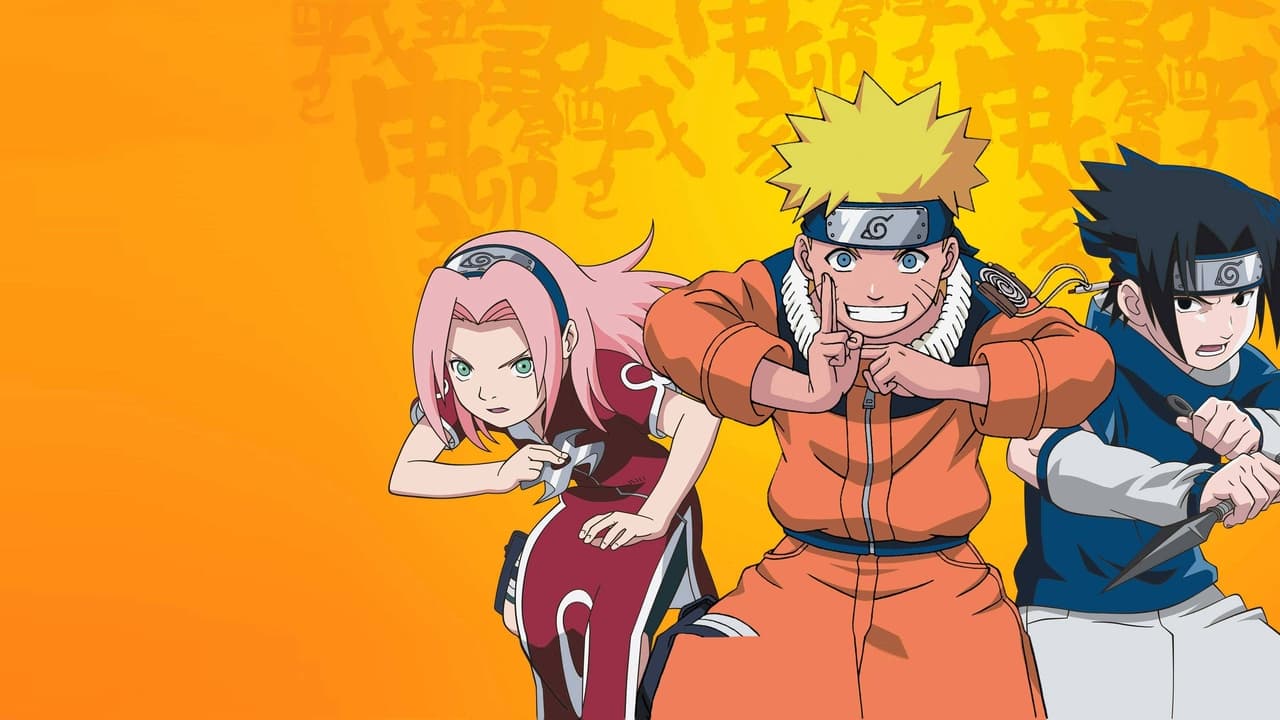
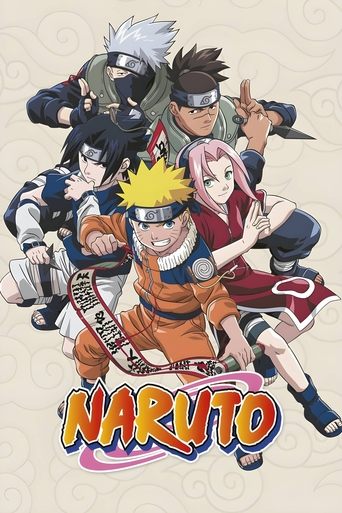
Naruto Uzumaki, a mischievous adolescent ninja, struggles as he searches for recognition and dreams of becoming the Hokage, the village's leader and strongest ninja.
Ranked by shared creators, cast, themes, genre, and network — not just generic recommendations.
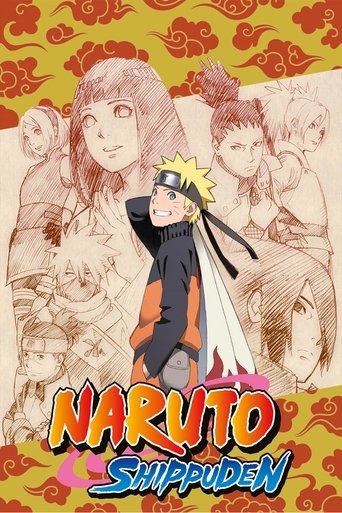
Naruto Shippūden
Direct sequel in the same franchise, same cast, same ninja world — Part 2 of Naruto's story.
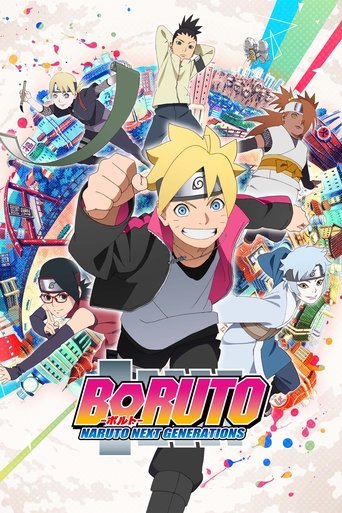
Boruto: Naruto Next Generations
Official franchise sequel following Naruto's son; same Hidden Leaf world and ninja academy setting.
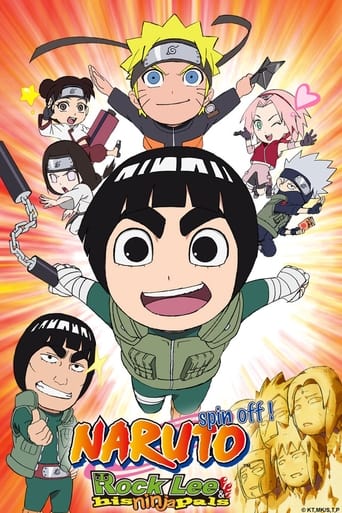
NARUTO Spin-Off: Rock Lee & His Ninja Pals
Direct Naruto franchise spin-off; same characters, same village, same cast members.
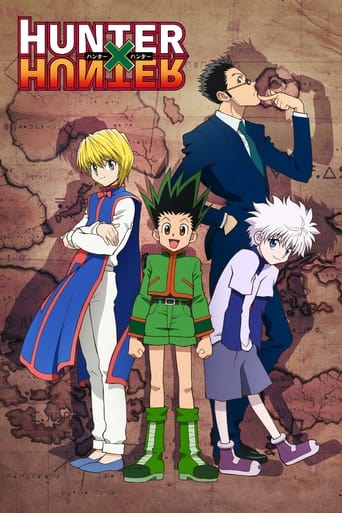
Hunter x Hunter
Top-tier shounen: orphan boy chases impossible goal, training arcs, deep rivalries, serialized long-form.

One Piece
Big Three shounen alongside Naruto: friendship-driven, long-form, adventure, same Shonen Jump audience.
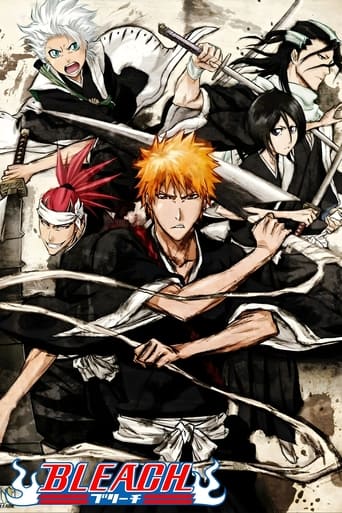
Bleach
Big Three shounen: orphan teen with hidden power, training arcs, rival hierarchy, same serialization depth.
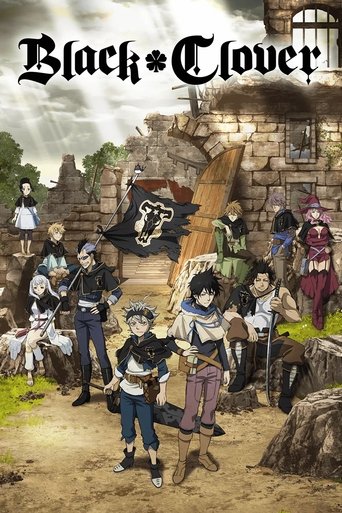
Black Clover
Closest modern structural match: orphan underdog rivalry, screaming determination, magic-power progression.
Dragon Ball Z
Foundational shounen: martial arts power escalation, tournament arcs, friendship/rivalry — Naruto's blueprint.
Demon Slayer: Kimetsu no Yaiba
Modern shounen: protagonist driven by family bond, intense training, dark fantasy setting, same audience.
JoJo's Bizarre Adventure
Long-running manga-based shounen: generational rivalries, power escalation, devoted fanbase overlap.
My Hero Academia
Closest Naruto structural twin: quirkless underdog → hero school, loud protagonist, rivals, mentor bonds.
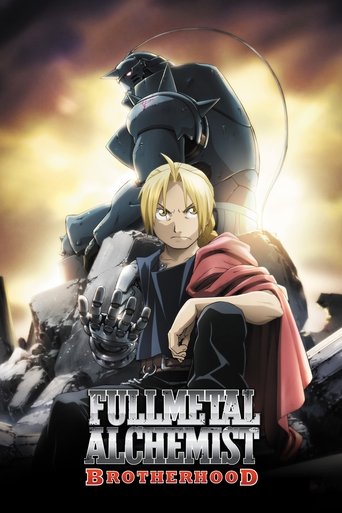
Fullmetal Alchemist: Brotherhood
Peak shounen: orphan brothers, power through loss, training and sacrifice, same teen-action demographic.
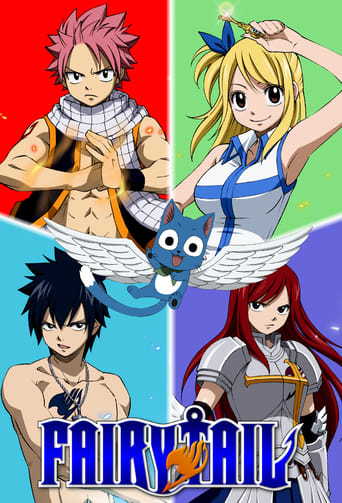
Fairy Tail
Long-form shounen guild adventure: power of friendship, nakama bonds, magic battles, same Naruto audience.

Hunter x Hunter
Same source as the 2011 version; original adaptation of the flagship shounen rival to Naruto.
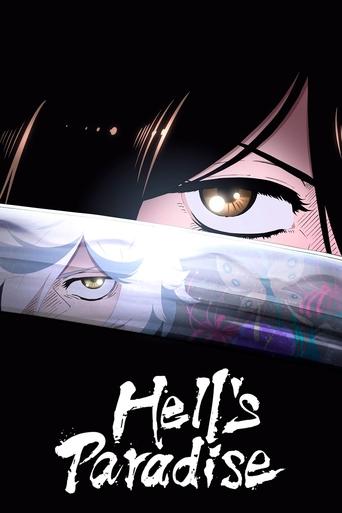
Hell's Paradise
Ninja assassin protagonist, dark fantasy, shounen manga basis — ninja theme with darker mature edge.
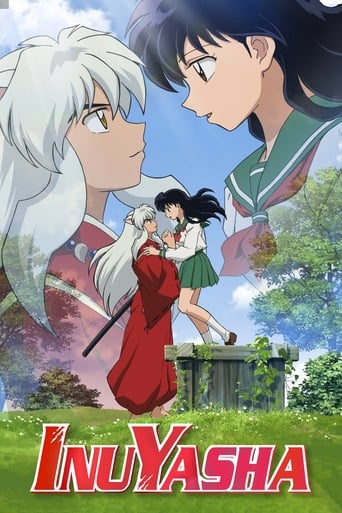
InuYasha
Contemporary of Naruto on same network; shounen anime, supernatural combat, long serialized arcs.
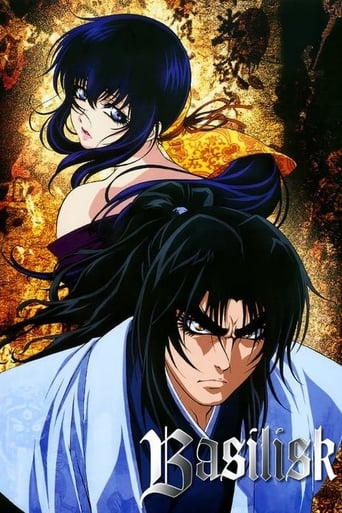
Basilisk
Rival ninja clans, elite ninja abilities, manga-based — shares ninja combat DNA with darker Romeo-Juliet twist.
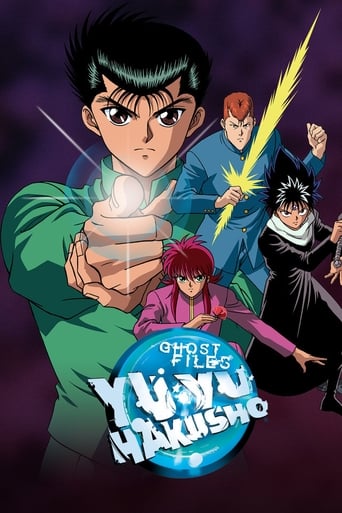
Yu Yu Hakusho
Classic 90s shounen: teen with hidden spiritual power, tournament arcs, spirit detective journey, rivals.
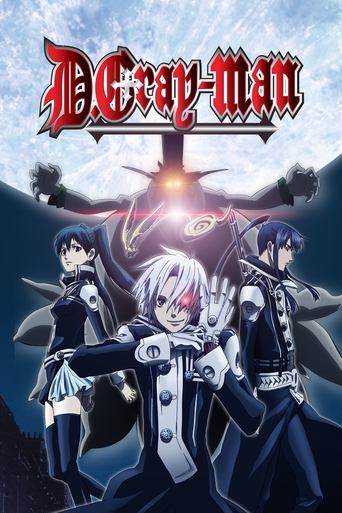
D.Gray-man
Shounen action anime: young exorcist with cursed power, dark supernatural threat, serialized arcs.
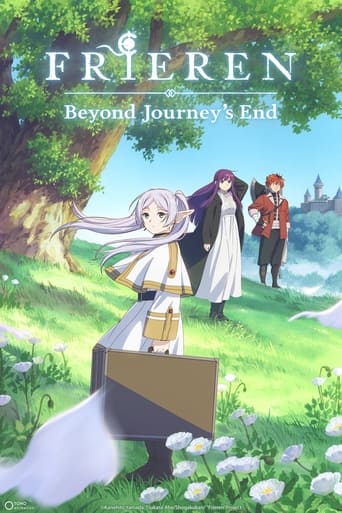
Frieren: Beyond Journey's End
Acclaimed shounen-manga fantasy anime; slower reflective tone but shares journey structure and combat magic.
How Good Is Naruto?
Ratings across IMDb and TMDB, plus our verdict.
Where to Watch Naruto
Streaming, rental, and purchase options across 40+ countries.
United States
USStream
7 Netflix
 Amazon Prime Video
 Crunchyroll
 Crunchyroll Amazon Channel
 Netflix Standard with Ads
 Amazon Prime Video with Ads
 Hulu
HuluFree with Ads
7 The Roku Channel
 Amazon Prime Video Free with Ads
 Amazon MX Player
 Hoopla
 Pluto TV
 Tubi TV
 Fandango at Home Free
Buy
4 Amazon Video
 Apple TV Store
 GRUV
GRUV Amazon DVD / Blu-ray
Available in 84 countries
Frequently asked about Naruto
Common questions people search for, with answers written by us at MoviesPack.
Why was the Nine-Tails fox (Kurama) sealed inside Naruto as a baby?
On the night Naruto was born, the Nine-Tails attacked Konohagakure and caused mass destruction. The Fourth Hokage, Minato Namikaze — Naruto's own father — could not destroy the beast, so he used the Dead Demon Consuming Seal to split its chakra in two, sealing the Yang half inside his newborn son. Minato sacrificed his own life in the process, hoping Naruto would one day master the fox's power and use it to protect the village.
What is the real reason Itachi Uchiha massacred his entire clan?
Itachi killed the Uchiha clan on secret orders from Konoha's highest leadership, the Danzo-led Root faction and the village elders, who had discovered the clan was planning a coup to seize control of the village. Itachi chose to bear the role of murderer and traitor rather than allow a civil war that would have destabilized the entire shinobi world. He deliberately left Sasuke alive, both out of love for his younger brother and to give him a reason to grow stronger, intending all along for the truth to eventually come out.
What is the Sage of Six Paths and why does he matter to the story's lore?
The Sage of Six Paths, Hagoromo Otsutsuki, is the legendary founder of ninjutsu and the first person to wield chakra as a weapon. He was born to the celestial princess Kaguya, who had absorbed the power of the God Tree, and he later defeated and sealed her after she became the monstrous Ten-Tails. His two sons, Indra and Asura, became the ancestors of the Uchiha and Senju clans respectively, meaning the rivalry between Sasuke and Naruto is the reincarnated continuation of that original brotherly conflict across generations.
Why does Sasuke defect from Konoha and join Orochimaru?
Sasuke's singular obsession since childhood was gaining enough power to kill Itachi and avenge his clan. After Itachi defeats him effortlessly and leaves him hospitalized, Sasuke concludes that Konoha and his teammates are holding him back from the strength he needs. Orochimaru offers him access to forbidden techniques and an accelerated path to power that Konoha would never sanction, so Sasuke chooses that path despite knowing Orochimaru intends to eventually take over his body.
What is the significance of Naruto's 'Talk no Jutsu' — his habit of reaching enemies through conversation?
Throughout the series, Naruto repeatedly changes the hearts of antagonists — including Pain, Obito, and Nagato — by sharing his own suffering and refusing to answer hatred with more hatred. This pattern is intentional: Naruto inherited his mother Kushina's verbal persuasion and his father's belief in the next generation, and the show frames it as a genuine ninja ability rooted in empathy rather than a naive trope. It contrasts directly with the cycle-of-hatred philosophy espoused by Madara and Pain, positioning Naruto's emotional honesty as the answer to the series' core question of how to break generational revenge.
Recent Updates
New Trailer: Naruto