Movies Like Zatoichi
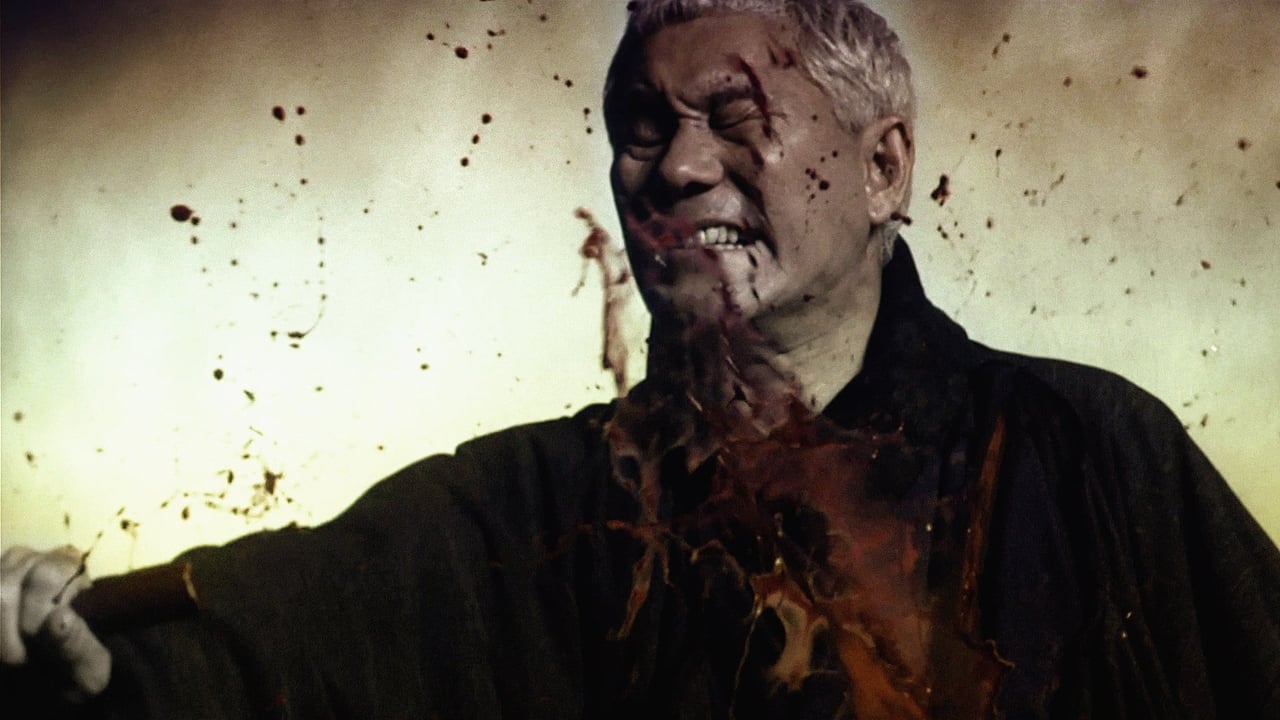
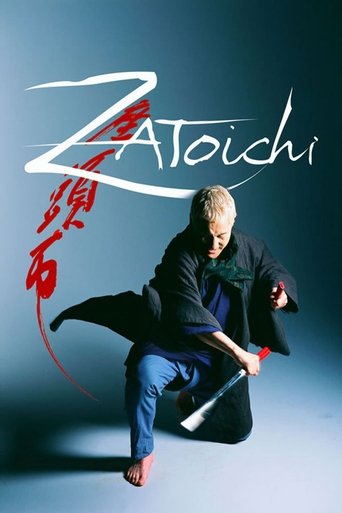
Blind traveler Zatoichi is a master swordsman and a masseur with a fondness for gambling on dice games. When he arrives in a village torn apart by warring gangs, he sets out to protect the townspeople.
Ranked by shared directors, cast, themes, genre, and era — not just generic recommendations.
The Tale of Zatoichi
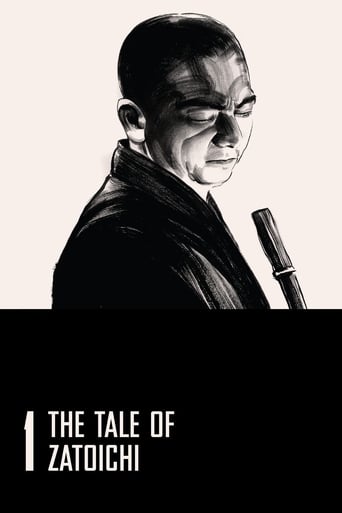
The original Zatoichi film that Kitano's 2003 remake reimagines, with the same blind swordsman protagonist.
The Tale of Zatoichi Continues
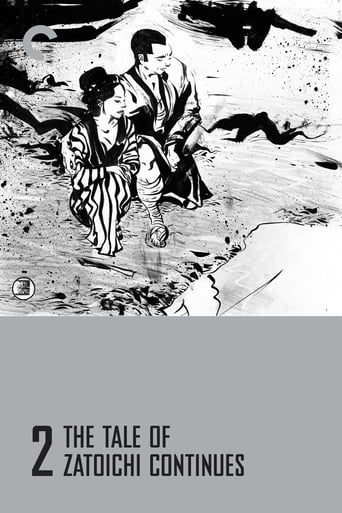
Direct sequel in the original Zatoichi franchise with the same blind masseur swordsman premise.
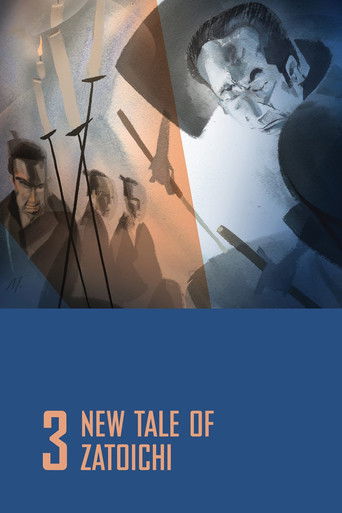
New Tale of Zatoichi
Another entry in the original Zatoichi series with identical character and chambara setup.
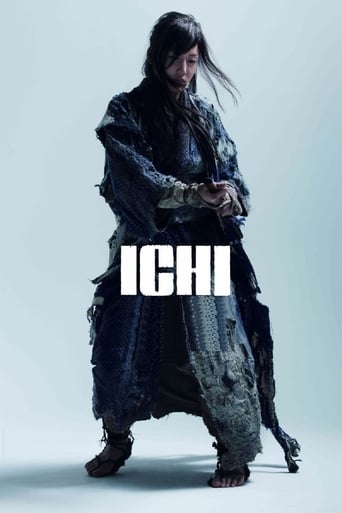
ICHI
A direct gender-swapped Zatoichi spinoff featuring a blind wandering swordswoman in Edo-period Japan.
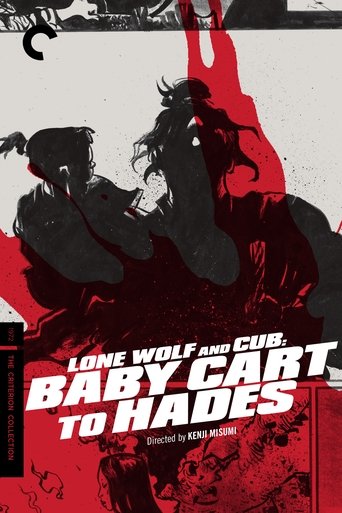
Lone Wolf and Cub: Baby Cart to Hades
Iconic chambara from the same era and milieu, with a wandering ronin dispensing brutal swordplay justice.
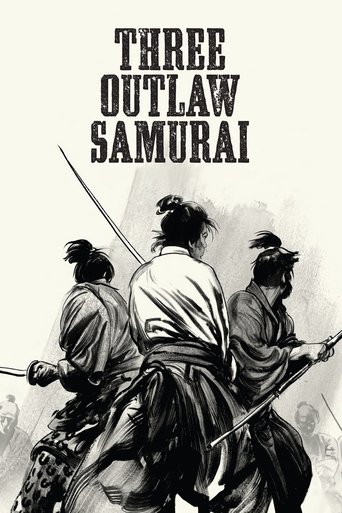
Three Outlaw Samurai
Classic jidaigeki about wandering ronin protecting peasants from corrupt authority, very close in spirit.

13 Assassins
Modern Miike samurai epic with a climactic mass swordfight that echoes Zatoichi's bloody finales.

Seven Samurai
The defining samurai-protect-the-village film whose template Zatoichi stories explicitly draw on.
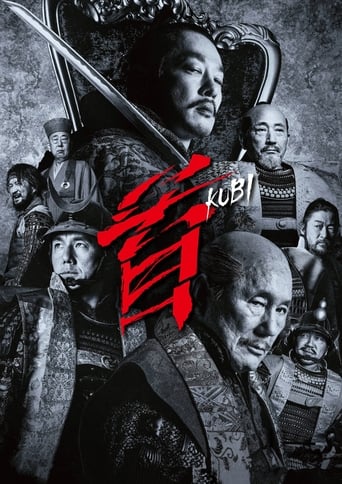
Kubi
Kitano's own samurai/jidaigeki film with Asano, sharing the director's blood-spattered period sensibility.
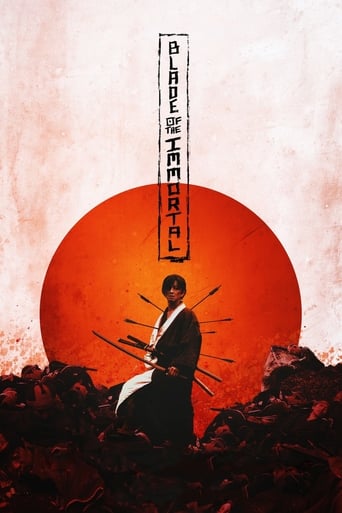
Blade of the Immortal
Stylized Miike samurai revenge tale with virtuoso sword choreography in the same chambara tradition.
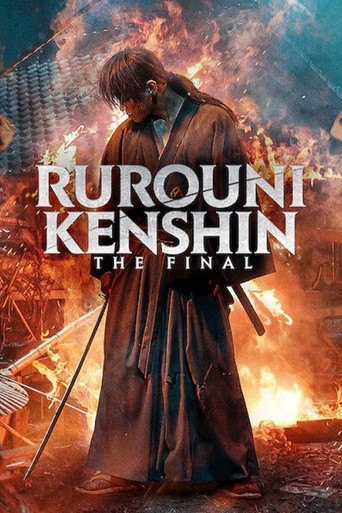
Rurouni Kenshin: The Final
Modern jidaigeki action with a wandering swordsman and stylized duels, lighter in tone than Kitano's film.
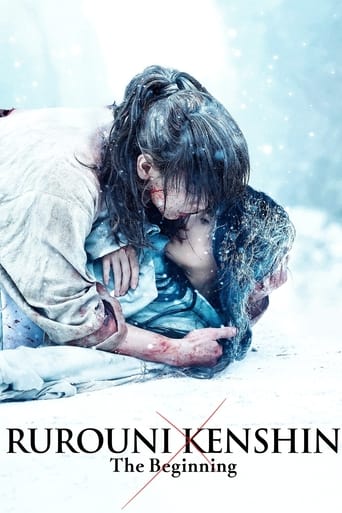
Rurouni Kenshin: The Beginning
Bakumatsu-era swordsman drama in the same wandering-warrior mold, more romantic but still chambara.
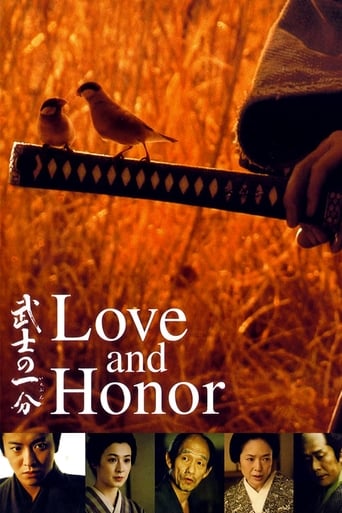
Love and Honor
A blind samurai drama with sword duels — shares the blindness motif central to Zatoichi.
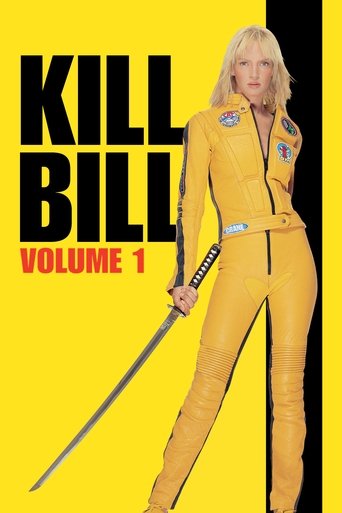
Kill Bill: Vol. 1
Tarantino's same-year homage explicitly mines chambara including Zatoichi-style blood sprays and katana duels.
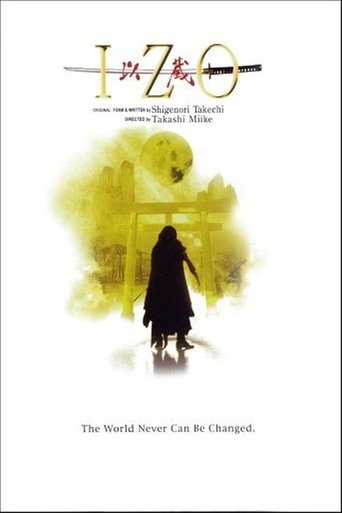
Izo
Miike's wild swordsman fantasy with Kitano in supporting role, surreal but rooted in samurai-era violence.
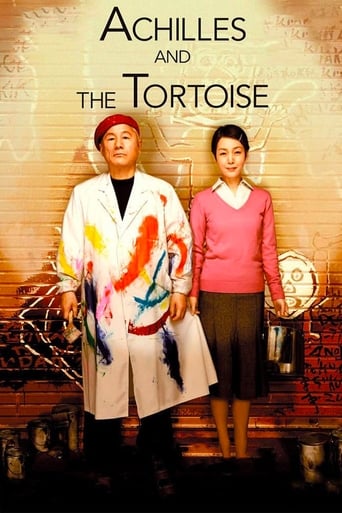
Achilles and the Tortoise
Same Kitano auteur stamp, though contemporary drama rather than period swordplay.
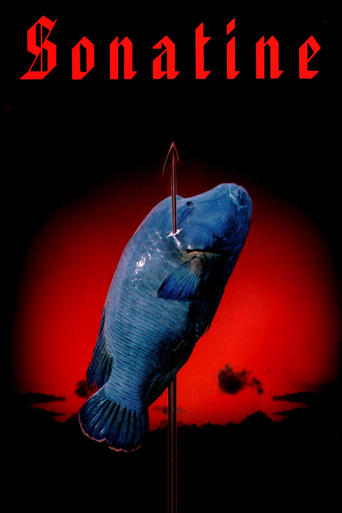
Sonatine
Kitano's signature stillness-then-violence rhythm carries over from Zatoichi, but yakuza setting not period.
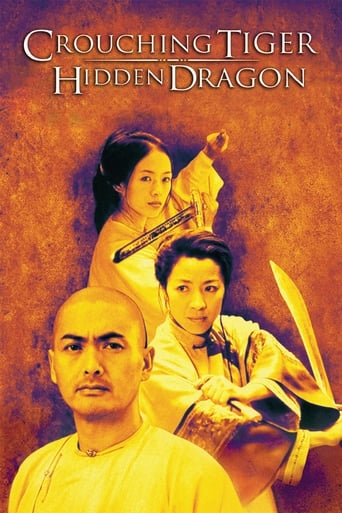
Crouching Tiger, Hidden Dragon
Asian period swordplay epic with similar wuxia-flavored audience overlap, Chinese rather than Japanese.
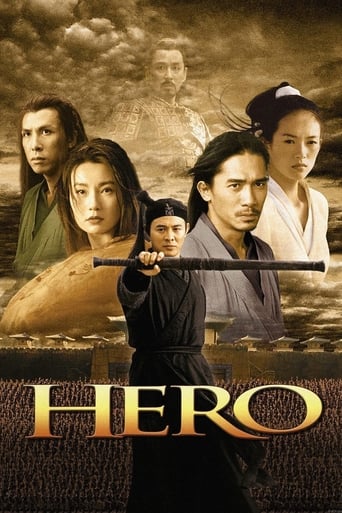
Hero
Stylized period martial-arts film from the same era; cousin via swordplay aesthetic, not chambara proper.
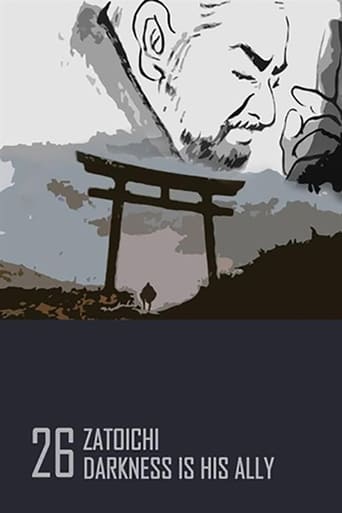
Zatoichi: Darkness Is His Ally
Shintaro Katsu's final Zatoichi film, the canonical predecessor most directly comparable to Kitano's remake.
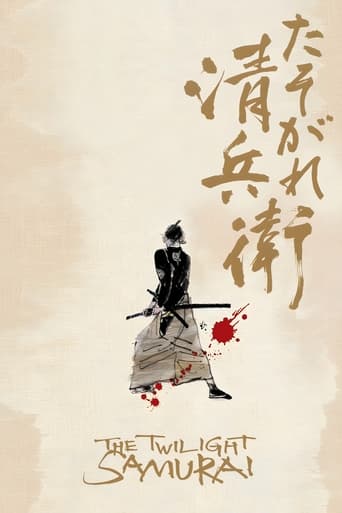
The Twilight Samurai
Yoji Yamada's contemporaneous, acclaimed jidaigeki about a low-ranking swordsman — a close peer to Kitano's Zatoichi.
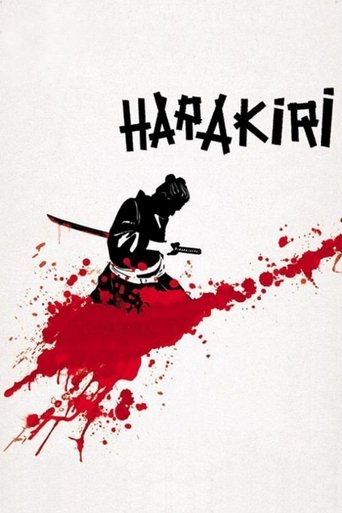
Harakiri
Masterpiece chambara about a wandering ronin confronting a clan; tonally and visually adjacent to Zatoichi's world.
How Good Is Zatoichi?
Ratings across IMDb, Rotten Tomatoes, Metacritic, and TMDB, plus our verdict.
Where to Watch Zatoichi
Streaming, rental, and purchase options across 40+ countries.
United States
USFree with Ads
1 YouTube Free
Rent
1 Amazon Video
Buy
3Amazon Video Amazon DVD / Blu-ray
 Barnes & Noble
Available in 3 countries
Frequently asked about Zatoichi
Common questions people search for, with answers written by us at MoviesPack.
Was Zatoichi based on a real person?
No, Zatoichi is a fictional character created by Japanese novelist Kan Shimozawa, who first appeared in a 1948 short story. The character was popularized through a long-running film series starring Shintaro Katsu, which began in 1962.
What is the best Zatoichi movie?
Opinions vary, but the 1962 original "The Tale of Zatoichi" starring Shintaro Katsu is widely regarded as a classic and the foundation of the series. Takeshi Kitano's 2003 "Zatoichi" is the most acclaimed modern entry, winning the Silver Lion at the Venice Film Festival.
Is Zatoichi actually blind, or is his blindness an act?
The film leaves this deliberately ambiguous. Zatoichi behaves as a blind man throughout — tapping his cane, tilting his head to listen, never making direct eye contact — yet his swordsmanship is impossibly precise, implying he perceives the world in ways that go beyond normal sight. The final scene reveals his eyes are in fact pale blue rather than clouded white, suggesting the blindness may be a performance or persona he has maintained. Kitano offers no definitive explanation, leaving it as an open question about identity and myth.
Why do the two geisha siblings, Osei and Okinu, spend the whole film pursuing vengeance?
Osei and Okinu are seeking revenge against the gangster clan responsible for murdering their parents when they were children. They disguised themselves as women — Okinu is revealed to be male — and worked as geisha entertainers while tracking down the culprits. Their storyline runs parallel to Zatoichi's conflict with the same criminal organization, and their paths converge when Zatoichi helps them finally confront the men responsible.
What is the significance of the rhythmic percussion and the farmers' tap-dancing finale?
Throughout the film, everyday sounds — chopping vegetables, hammering, rainfall — are edited to carry a musical rhythm, linking the mundane world to the film's underlying pulse. The climax builds into a full tap-dancing musical number performed by the villagers and cast, deliberately breaking cinematic realism. Kitano uses this to celebrate communal joy after violence, and the anachronistic stomping routine signals that the film is less a historical drama than a stylized, theatrical homage to the Zatoichi legend.
How does Zatoichi defeat the master swordsman Hattori at the end?
Hattori is a ronin who has been working for the Ginzo crime gang to support his ill wife, a fact that earns him some sympathy even as he remains an antagonist. When he and Zatoichi finally duel, the fight is over in a single, nearly imperceptible exchange of blows — Zatoichi cuts Hattori down before the eye can fully register the movement. The brevity of the duel underscores the film's recurring theme that true lethality is quiet and instantaneous, not the drawn-out spectacle of lesser swordsmen.
Why does Zatoichi gamble and cheat throughout the film if he is portrayed as a moral figure?
Zatoichi is a habitual dice gambler and openly cheats by using his acute hearing to determine which side of the dice lands face up inside the cup before it is revealed. Kitano frames this not as corruption but as a survival skill honed over a lifetime on society's margins — Zatoichi exists outside respectable social structures and operates by his own code. His cheating targets corrupt gamblers and yakuza operators rather than innocents, so the film treats it as a form of rough justice rather than moral failing.
Recent Updates
New Trailer: Zatoichi
Zatoichi now streaming on Apple TV Store (AU)
Zatoichi now streaming on JustWatch TV (AU)
Zatoichi now streaming on Kanopy (US)
Zatoichi now streaming on JustWatch TV (US)