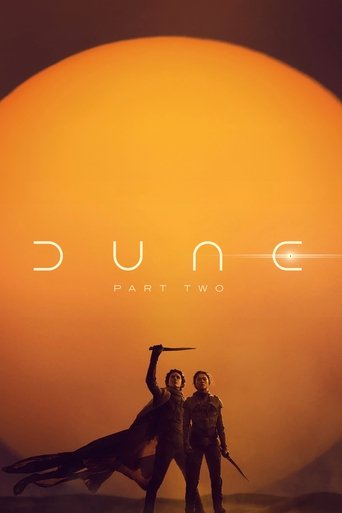
Movies Like Dune: Part Two
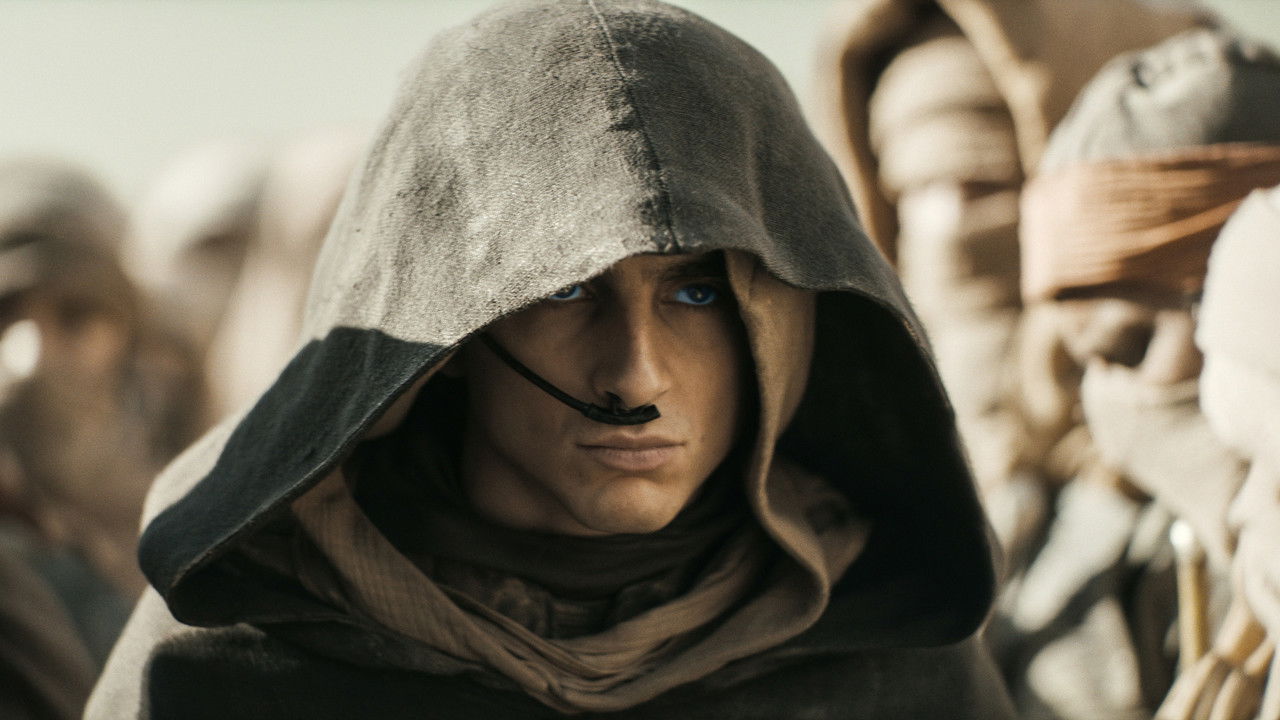
Follow the mythic journey of Paul Atreides as he unites with Chani and the Fremen while on a path of revenge against the conspirators who destroyed his family. Facing a choice between the love of his life and the fate of the known universe, Paul endeavors to prevent a terrible future only he can foresee.
Ranked by shared directors, cast, themes, genre, and era — not just generic recommendations.
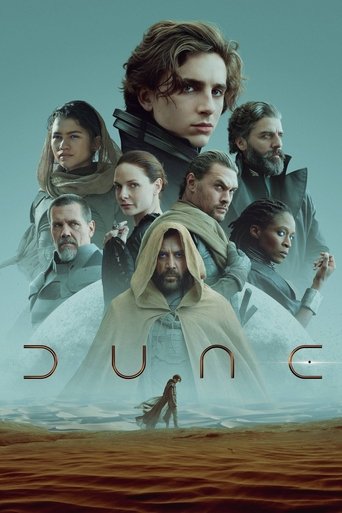
Dune
Direct predecessor in the same franchise, same director, overlapping cast, continuous story arc.
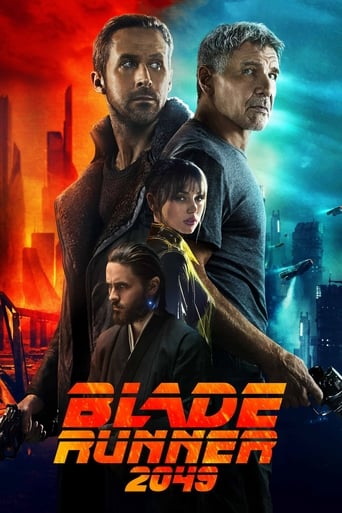
Blade Runner 2049
Denis Villeneuve directs; same deliberate pacing, visual grandeur, philosophical weight, and prestige sci-fi adult tone.

Arrival
Denis Villeneuve; cerebral sci-fi with allegorical depth, fate/destiny themes, and serious adult tone matching Dune.
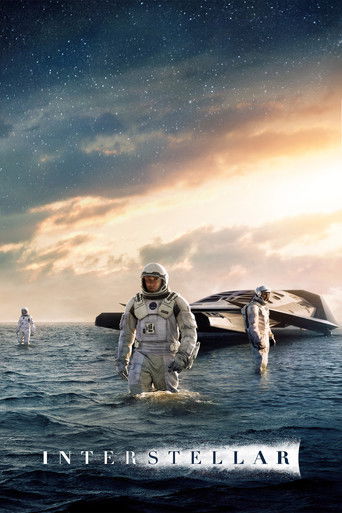
Interstellar
Prestige epic sci-fi; cosmic stakes, destiny, sacrificial hero arc, serious tone, and massive visual scope.
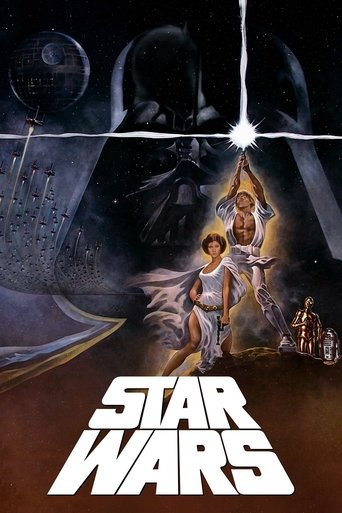
Star Wars
Space opera chosen-one myth, desert planet, oppressive empire, and the foundational franchise Dune directly influenced.
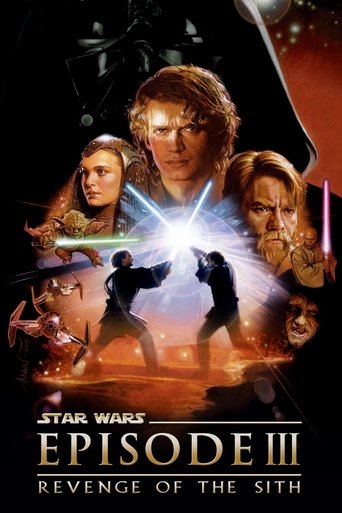
Star Wars: Episode III - Revenge of the Sith
Chosen one falls from grace under messianic prophecy, tragic arc, political empire collapse — strong thematic mirror.
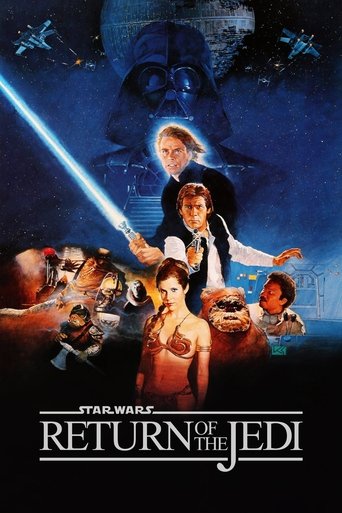
Return of the Jedi
Space opera culmination; desert world, galactic empire vs. rebellion, and hero destiny resolution at epic scale.
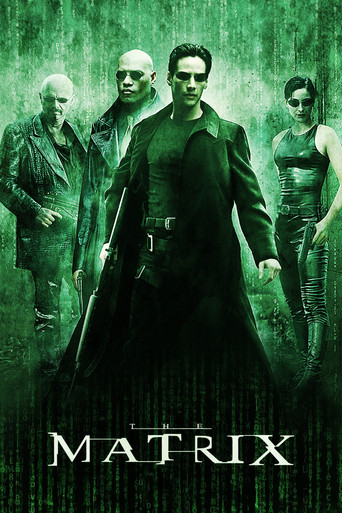
The Matrix
Chosen-one messiah prophecy, philosophical allegory, and reluctant hero accepting a world-altering destiny.
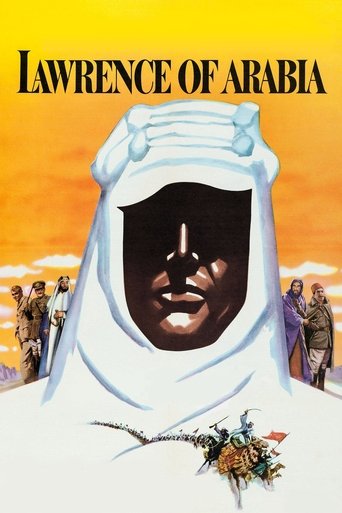
Lawrence of Arabia
Desert epic about a messianic outsider who leads an indigenous people; colonial allegory and fall from grace arc mirror Dune's themes precisely.

The Martian
Prestige sci-fi survival on a hostile desert planet; adult-oriented, serious tone with shared Greig Fraser DP connection.
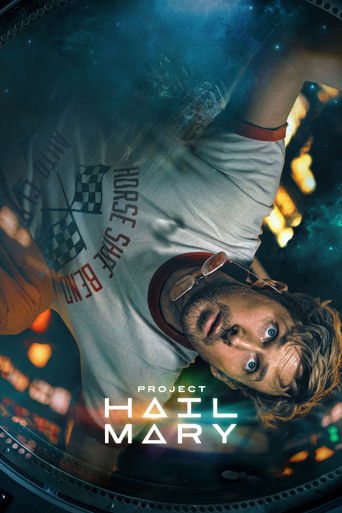
Project Hail Mary
High-prestige sci-fi adventure based on acclaimed novel; Greig Fraser DP; adult audience, cosmic-stakes survival narrative.
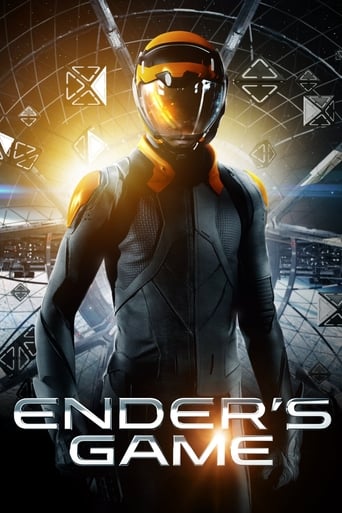
Ender's Game
Sci-fi epic based on beloved novel; chosen-one child prodigy trained to save humanity from alien threat, space opera scale.
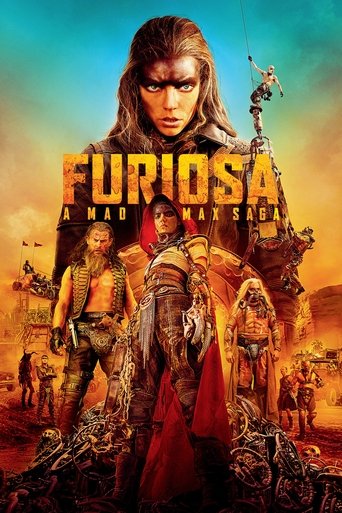
Furiosa: A Mad Max Saga
Epic post-apocalyptic desert revenge saga with a powerful protagonist arc, warlord antagonist, and operatic scale.

No Country for Old Men
Javier Bardem and Josh Brolin lead; shares Dune's fatalistic, ambiguous tone and themes of fate, power, and inevitability.
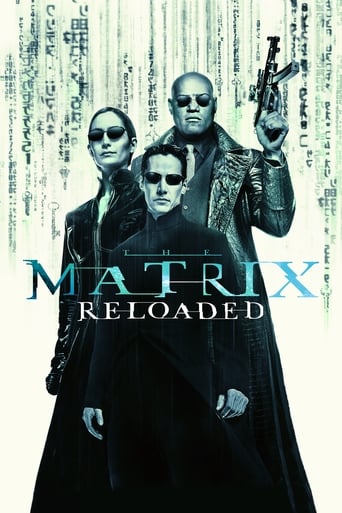
The Matrix Reloaded
Sequel deepening chosen-one mythology, prophecy complications, and the burden of messianic destiny — mirrors Dune Part Two's arc.

Star Trek Beyond
Space opera adventure with ensemble crew facing existential threat; shares genre and adult audience but lighter tone.

Mortal Engines
Epic sci-fi based on YA novel; dystopian wasteland, power struggles, and revenge arc, though weaker execution and tone.
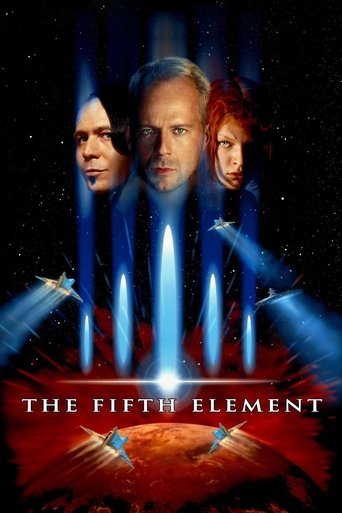
The Fifth Element
Sci-fi chosen-one saves the universe; shares space opera scale but far lighter, campy tone vs. Dune's gravity.
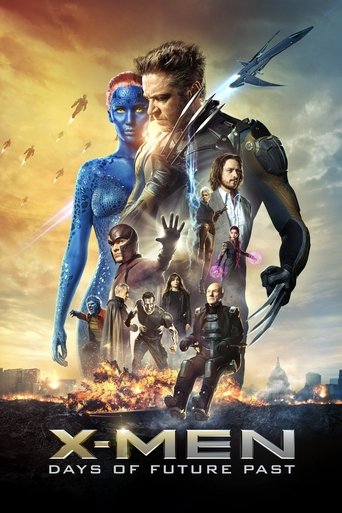
X-Men: Days of Future Past
Epic ensemble sci-fi with extinction stakes, political allegory, and time/fate manipulation — adult superhero cousin.

Chaos Walking
Dystopian alien-planet sci-fi based on YA novel; young hero on hostile world, though significantly lighter execution.
How Good Is Dune: Part Two?
Ratings across IMDb, Rotten Tomatoes, Metacritic, and TMDB, plus our verdict.
Where to Watch Dune: Part Two
Streaming, rental, and purchase options across 40+ countries.
United States
USIn Theaters
1 Fandango
Stream
3 HBO Max Amazon Channel
 YouTube TV
 HBO Max
Rent
4 Spectrum On Demand
 Amazon Video
 Apple TV Store
 Fandango At Home
Buy
6Amazon Video Amazon DVD / Blu-ray
 GRUVApple TV StoreFandango At Home
 Barnes & Noble
Available in 101 countries
Frequently asked about Dune: Part Two
Common questions people search for, with answers written by us at MoviesPack.
Is Dune 2 a hit or flop?
Dune: Part Two was a major hit. It grossed over $700 million worldwide on a roughly $190 million budget and earned strong critical acclaim.
What did Steven Spielberg say about Dune?
Steven Spielberg praised Dune: Part Two during a conversation with Denis Villeneuve, calling it one of the most brilliant science fiction films he had ever seen and comparing its scale and craftsmanship to classics like Lawrence of Arabia.
Why does Tarantino refuse to watch Dune?
Quentin Tarantino has said he has no interest in watching modern big-budget sequels and franchise films like Dune, explaining that he already saw the 1984 David Lynch version and does not feel a need to revisit the same material in new adaptations.
Why does Paul refuse to ride a sandworm at first, and what changes his mind?
Paul resists riding a sandworm because doing so would mean publicly accepting the Fremen messianic prophecy — a role he knows was manufactured by the Bene Gesserit and fears he cannot control. Chani's growing distance and the mounting pressure from Stilgar and the southern Fremen push him toward the act as the only way to unify the tribes against House Harkonnen. Riding the worm becomes his declaration that he is Muad'Dib, a threshold he had deliberately refused to cross.
What is the Water of Life, and what does it do to Paul when he drinks it?
The Water of Life is the bile of a drowned sandworm — a lethal substance that only a Reverend Mother can safely transmute within her own body. Paul drinks the raw, untransmuted form and falls into a coma-like trance in which his latent prescient abilities fully unlock, granting him simultaneous access to past and future timelines. He awakens with a complete vision of a holy war fought in his name spreading across the known universe — a future he understands is nearly inevitable now that he has stepped into the messianic role.
What does Paul see in his visions, and why does it terrify him?
Paul's visions show billions of deaths across countless worlds as Fremen armies wage jihad in his name after his rise to power. He understands that his prescience does not grant free will over outcomes — the war is the price of defeating the Emperor, and he cannot find a timeline where it is avoided entirely. His terror is that every path where he acts leads to slaughter, yet the paths where he is absent appear even worse, leaving him trapped between complicity and catastrophe.
Why does Chani ride away alone at the end instead of staying with Paul?
Chani has always rejected the messianic prophecy as Bene Gesserit manipulation, loving Paul as a man rather than a symbol. When he defeats the Emperor, takes Princess Irulan as a political wife, and calls for holy war, he becomes the very figure she warned against throughout the film. Her departure on a sandworm is a rejection of what he has chosen to become, and her final act — calling the worm herself without him — signals that she intends to fight for Arrakis's future on her own terms.
What is the significance of Feyd-Rautha's gladiatorial fight being shown in black and white?
The entire Giedi Prime sequence is shot in infrared, rendering the Harkonnen home world in stark black and white to reflect its industrial brutality and total absence of natural warmth. Feyd-Rautha's arena fight against ostensibly drugged prisoners — with one secretly unimpaired — is staged as spectacle designed to prove his cunning and cruelty rather than genuine martial skill. The visual bleakness deliberately contrasts with the sun-drenched gold of Arrakis, framing the two cultures as opposites and establishing Feyd as Paul's dark mirror.
Recent Updates
New Trailer: Dune: Part Two
New Teaser: Dune: Part Two
Dune: Part Two now streaming on Sooner (FR)
Dune: Part Two now streaming on ARTE Boutique (FR)
Dune: Part Two now streaming on Pathé Home (FR)