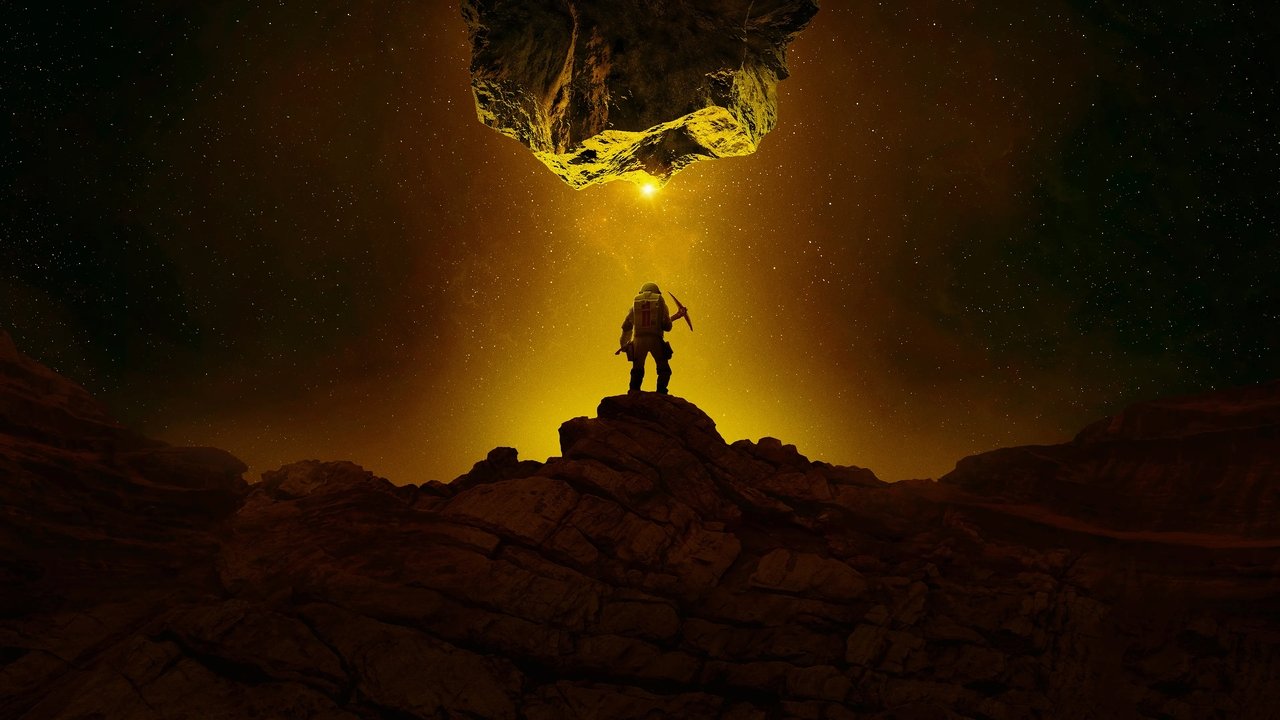
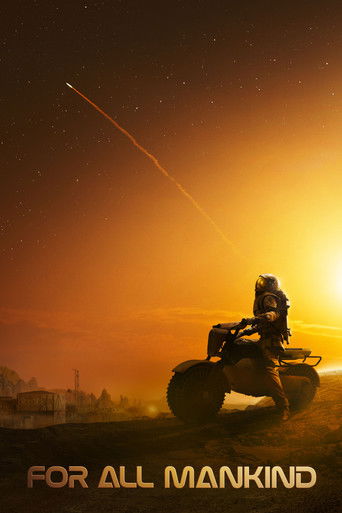
Shows Like For All Mankind
Explore an aspirational world where NASA and the space program remained a priority and a focal point of our hopes and dreams as told through the lives of NASA astronauts, engineers, and their families.
Ranked by shared creators, cast, themes, genre, and network — not just generic recommendations.
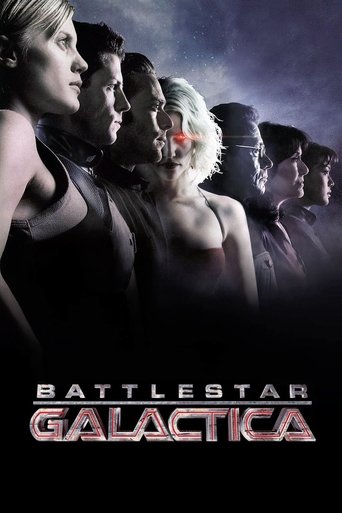
Battlestar Galactica
Ronald D. Moore showrunner; same prestige serialized sci-fi drama DNA, political tension, moral ambiguity
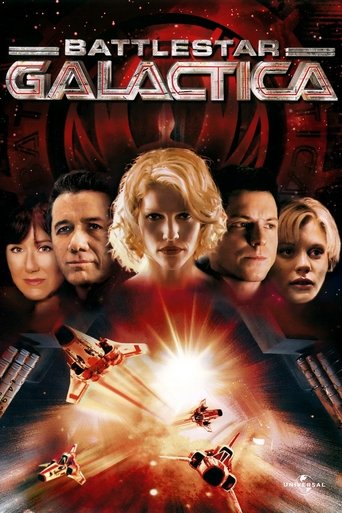
Battlestar Galactica
Ronald D. Moore creator; direct franchise entry that launched the 2004 series
Outlander
Ronald D. Moore showrunner; alternate-history serialized drama with strong character and political stakes

Caprica
Ronald D. Moore co-creator; BSG prequel, same prestige drama style and political/social themes
From the Earth to the Moon
NASA history anthology, moon landing era, same reverent tone toward astronauts and the space program
The Right Stuff
NASA Cold War space race drama, same period setting and institutional tension as For All Mankind

The Man in the High Castle
Prestige alternate-history drama, serialized, same genre-audience overlap and political stakes

The Americans
Cold War 1980s prestige drama, deeply serialized, same era and ideological-conflict tone; shares Costa Ronin
The Expanse
Hard sci-fi, political factions, serialized prestige drama; space realism and institutional conflict mirror FAM

Andor
Prestige serialized sci-fi drama with strong political thriller tone; different universe but same serious register
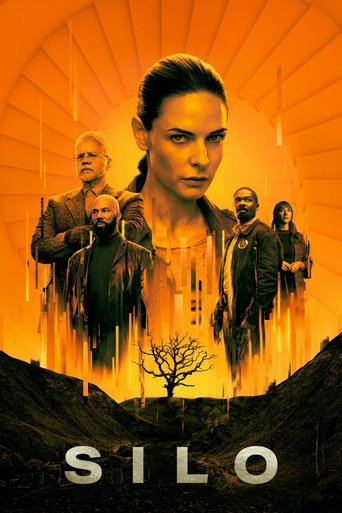
Silo
Dystopian sci-fi prestige drama, systemic corruption, serialized slow-burn; shares FAM's institutional paranoia

Years and Years
Near-future political drama, serialized, prestige British; spans decades of societal change like FAM
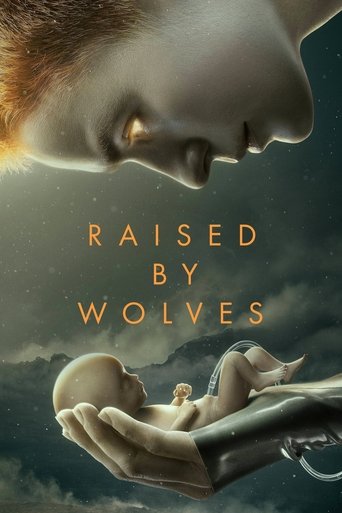
Raised by Wolves
Space colony survival, prestige sci-fi drama, serialized; shares FAM's themes of off-Earth settlement

Chernobyl
Cold War USSR institutional drama, prestige limited series; same era, ideological pressure, and moral weight as FAM
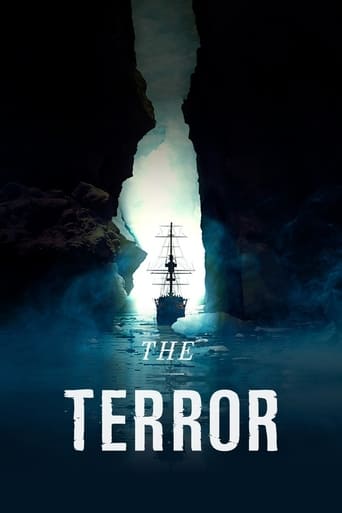
The Terror
Ronald D. Moore produced; prestige historical survival drama with same dark serialized tone
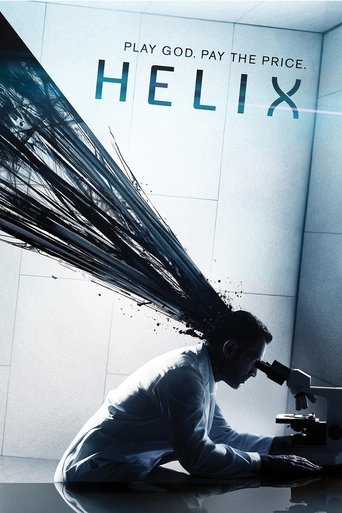
Helix
Ronald D. Moore co-creator; sci-fi thriller drama, though tonally different it shares the creator lineage
Stargate Universe
Darker, serialized space drama compared to prior Stargate entries; stranded crew survival echoes FAM stakes
Dark
Prestige serialized sci-fi with alternate timelines and dense mythology; rewards the same patient audience as FAM

Station Eleven
Prestige serialized sci-fi drama, non-linear, literary tone; shares FAM's emotional depth and near-future stakes
The Orville
Thoughtful serialized space drama with prestige aspirations; shares FAM's earnest love of exploration themes
How Good Is For All Mankind?
Ratings across IMDb and TMDB, plus our verdict.
Where to Watch For All Mankind
Streaming, rental, and purchase options across 40+ countries.
United States
USStream
4 Apple TV
 Apple TV Amazon Channel
 HBO Max Amazon Channel
 Discovery+ Amazon Channel
Buy
2 Amazon DVD / Blu-ray
 Amazon Video
Available in 85 countries
Frequently asked about For All Mankind
Common questions people search for, with answers written by us at MoviesPack.
What is the alternate history premise of For All Mankind?
The series posits that the Soviet Union landed on the Moon before the United States in 1969, forcing NASA to redouble its efforts and sparking a prolonged Space Race that never ends. This divergence reshapes decades of American political, social, and technological history, with each season jumping forward in time to show how the ongoing competition changes the world. The show uses this premise to explore paths not taken — including earlier gender and racial integration of the astronaut corps and accelerated development of space infrastructure.
Why does Ed Baldwin become such a driven and often self-destructive figure throughout the series?
Ed's identity is almost entirely built around being first — first to the Moon, first to prove America's dominance in space — and the Soviet landing robs him of that destiny before the story even begins. Each subsequent season layers on personal losses (his son Shane's death, the collapse of his marriage to Karen, the deaths of colleagues he feels responsible for) that deepen his compulsion to sacrifice everything for the mission. His arc is fundamentally about a man who can only define himself through achievement, making him both heroic and catastrophically blind to the people around him.
What really happened during the Jamestown base shootout and what does it mean for the series' central conflict?
The armed confrontation on the lunar surface at the end of Season 1 — where American and Soviet astronauts exchange fire over a water-ice discovery — marks the moment the Space Race tips from Cold War competition into something that can produce real casualties. It establishes that the Moon is not a neutral scientific frontier but contested territory where geopolitical stakes are lethal. This event haunts subsequent seasons, as both superpowers must decide how close to open war they are willing to push their proxy conflict in space.
Who is Danny Stevens and why does his arc carry so much moral weight?
Danny is the son of Gordo and Tracy Stevens, two of the original astronaut heroes, and grows up inside the mythology of the space program before joining it himself. His affair with Karen Baldwin — his surrogate mother figure and his father's old flame — along with his drug dependency and his role in the catastrophic Mars mission disaster make him the show's most explicit study in inherited trauma and the cost of living in the shadow of larger-than-life parents. His choices are rarely evil in intent but consistently catastrophic in consequence, and the show uses him to interrogate how institutions built on heroism can quietly destroy the people raised inside them.
What is the significance of the mysterious figure seen at the end of Season 4, and what does it suggest about the show's future direction?
The Season 4 finale reveals a surprise cameo that hints the timeline has diverged so dramatically from our own that entirely different historical figures have risen to global prominence, signaling that the alternate history is no longer just a backdrop but has produced a genuinely alien present. The show uses this moment to suggest that future seasons will move beyond the Space Race framing altogether and into territory where the divergence has compounded beyond recognition. It reframes the entire series as not just 'what if the Soviets won the Moon race' but a genuine exploration of how a single changed event cascades into an unrecognizable world.
Recent Updates
New Trailer: For All Mankind
New Teaser: For All Mankind