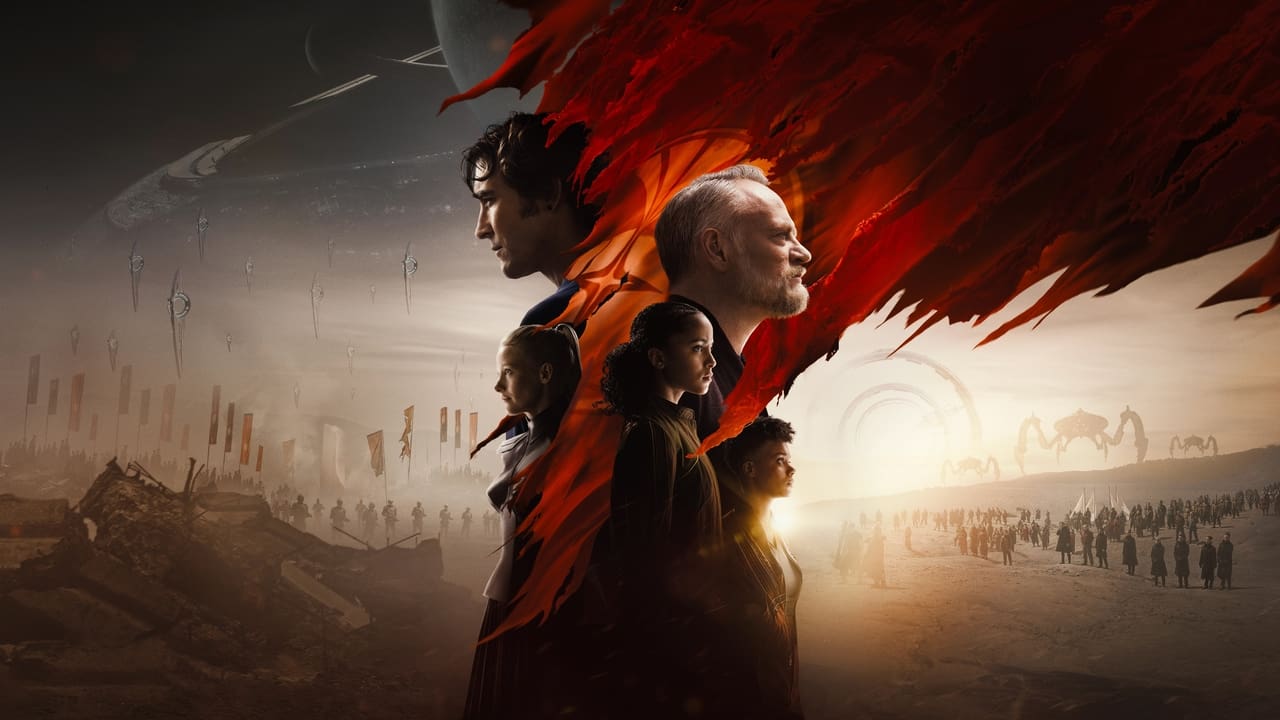

Shows Like Foundation
Follow a band of exiles on their monumental journey to save humanity and rebuild civilization amid the fall of the Galactic Empire.
Ranked by shared creators, cast, themes, genre, and network — not just generic recommendations.
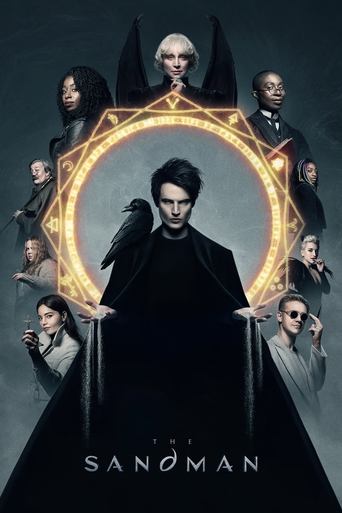
The Sandman
Co-created by David S. Goyer; epic fantasy based on literary source, mythic scope, serialized prestige drama
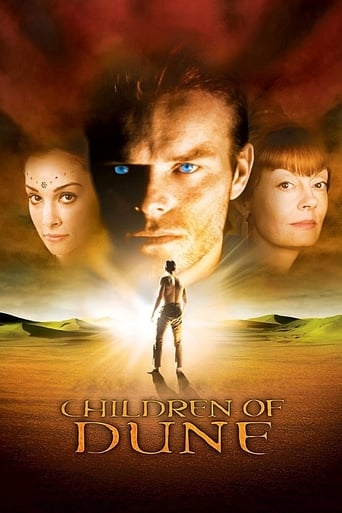
Frank Herbert's Children of Dune
Same niche: space-opera miniseries adapted from beloved sci-fi novels, prophecy-driven empire narrative
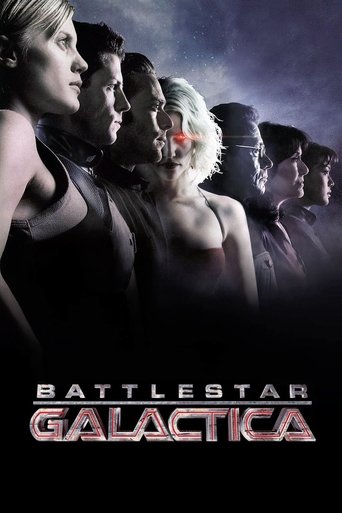
Battlestar Galactica
Prestige space-opera, philosophical serialized drama, civilizational survival stakes, adult audience
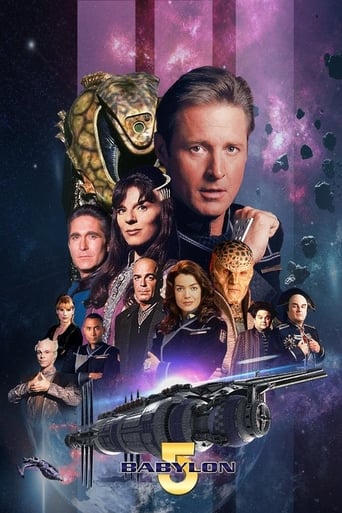
Babylon 5
Heavily serialized space opera with prophecy, galactic empire politics, and complex long-form arc
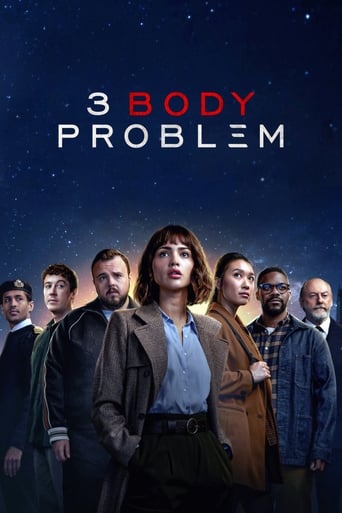
3 Body Problem
Prestige sci-fi based on beloved novels, civilizational existential threat, thoughtful serialized drama

The Wheel of Time
Epic based-on-novel fantasy series, prophecy, grand civilizational stakes, serialized prestige production

House of the Dragon
Based on novels, empire in decline, political intrigue, thoughtful serialized epic fantasy drama
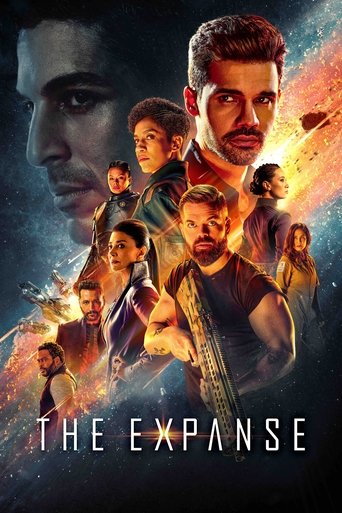
The Expanse
Hard sci-fi space opera, based on novels, political factions, civilizational stakes, highly serialized
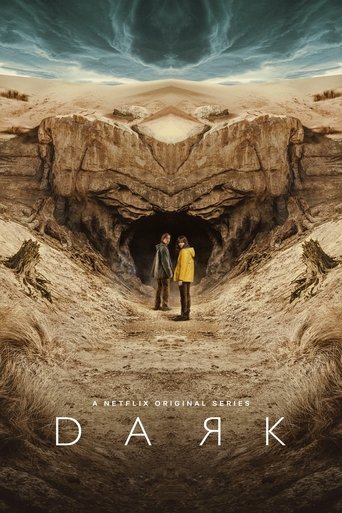
Dark
Cerebral serialized sci-fi, philosophical, complex interlocking narrative, meditative tone, adult audience
Star Trek: Voyager
Space opera with speculative philosophical themes, distant future, serialized sci-fi drama
Good Omens
Based on beloved novel, prophecy and apocalypse themes, prestige sci-fi/fantasy with literary sensibility
Black Mirror
Thoughtful prestige sci-fi, philosophical and cautionary, adult audience; anthology vs serialized is main gap

Severance
Cerebral serialized sci-fi, philosophical mystery, meditative and complex, prestige adult audience
Sense8
Ambitious serialized prestige sci-fi drama, philosophical and lyrical; globe-spanning scope with existential themes

Neon Genesis Evangelion
Philosophical sci-fi with civilizational/existential stakes; animated format is main gap from Foundation's tone

Mrs. Davis
Cerebral serialized sci-fi with philosophical and cautionary themes; lighter tone but thoughtful adult drama
Love, Death & Robots
Sci-fi anthology with grave philosophical themes; shares speculative tone but episodic and animated, not serialized

Andromeda
Space opera restoring a fallen civilization mirrors Foundation's premise; lower production quality and serialization
Raised by Wolves
Philosophical space-set sci-fi, civilizational rebirth theme, meditative and complex; bold but divisive execution
How Good Is Foundation?
Ratings across IMDb and TMDB, plus our verdict.
Where to Watch Foundation
Streaming, rental, and purchase options across 40+ countries.
United States
USStream
2 Apple TV
 Apple TV Amazon Channel
Available in 86 countries
Frequently asked about Foundation
Common questions people search for, with answers written by us at MoviesPack.
What is psychohistory and why can't it predict individual actions?
Psychohistory is a mathematical discipline developed by Hari Seldon that uses statistical modeling to predict the large-scale behavior of human civilizations across centuries. It treats populations as probabilistic systems, similar to how gas laws describe particle behavior in aggregate even though individual molecules move unpredictably. Because it operates on vast population averages, it cannot account for the choices of specific individuals — only the overall trajectory of billions of people over time. This limitation becomes a central tension in the show, as single actors like the Mule or members of the Second Foundation can potentially derail the entire Plan.
Why does the Galactic Empire maintain three cloned emperors simultaneously?
The Empire perpetuates a triumvirate of clones — Brother Dawn (youth), Brother Day (prime), and Brother Dusk (old age) — to project an illusion of imperial continuity and stability across generations. Each clone is grown from the genetic template of Cleon I, with their personalities shaped through rigorous conditioning to preserve his values and governance philosophy. When a Day ages into Dusk and a new Dawn matures into Day, the Empire presents this as the same eternal emperor rather than succession, suppressing any acknowledgment of mortality or change. The system breaks down emotionally when a clone begins developing genuine individuality, which is treated as a dangerous flaw threatening the entire ideological foundation of imperial rule.
Who is the mysterious figure known as the Beggar and what is her true identity?
Poly Verisof's companion introduced in early episodes, later revealed more fully, connects to Hari Seldon's deeper plan — but the most significant hidden-identity arc involves Gaal Dornick, who survives across enormous timespans through cryogenic suspension. The show gradually reveals that certain characters possess an innate psychic sensitivity that Seldon identified as the seed of the Second Foundation, which operates on mental rather than physical sciences. Gaal's seemingly impossible longevity and her visions of the future are not supernatural but the result of deliberate manipulation by Seldon, who encoded her survival into the Plan itself.
What happened at the Invictus and why did it matter to the Outer Reach colonies?
The Invictus was a legendary ghost warship of the Empire that had been lost for centuries, drifting on automated jump sequences through hyperspace with its crew long dead. When Hugo and the Anacreon and Thespis factions manage to board and take control of it, it represents an enormous shift in the power balance between the outer colonies and the Empire, because a single Imperial-class warship could devastate entire planets. The episode culminates in a devastating attack that destroys Terminus's orbital station and kills many colonists, demonstrating the catastrophic cost of using such weapons and forcing the Foundation to confront the limits of Seldon's non-violence doctrine.
What does Hari Seldon's continued presence as a digital consciousness mean for the Plan?
After his assassination, Hari Seldon's mind was preserved within the Prime Radiant — the holographic device that contains the psychohistorical equations — allowing him to appear as a projected advisor to Foundation leaders at critical junctures. His digital form can observe but not directly intervene, and his appearances are pre-programmed to deliver guidance only at specific crisis points he anticipated centuries in advance. This raises an unsettling question the show explores: whether his interventions are genuine responses to events or simply scripted contingencies, meaning the Foundation may be following a dead man's rigid script rather than adapting intelligently to reality. The tension between Seldon's determinism and the free will of those living through the crisis is one of the show's core philosophical threads.
Recent Updates
New Teaser: Foundation
New Trailer: Foundation