Shows Like The 100
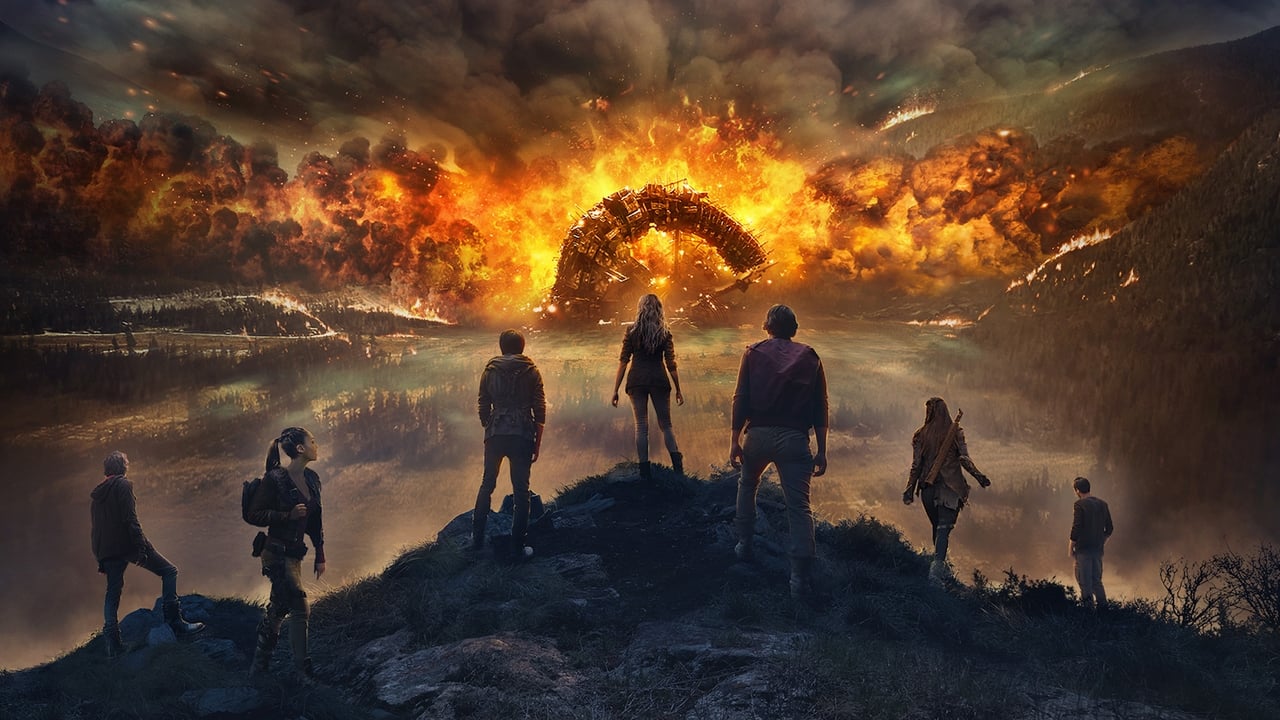
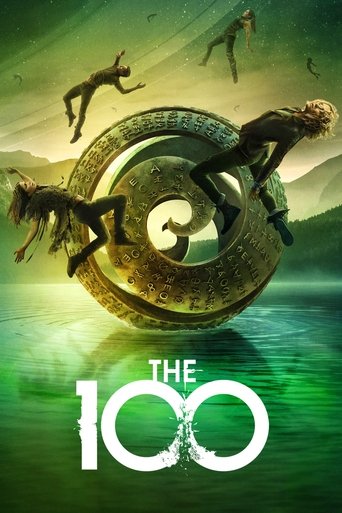
100 years in the future, when the Earth has been abandoned due to radioactivity, the last surviving humans live on an ark orbiting the planet — but the ark won't last forever. So the repressive regime picks 100 expendable juvenile delinquents to send down to Earth to see if the planet is still habitable.
Ranked by shared creators, cast, themes, genre, and network — not just generic recommendations.
The Walking Dead: World Beyond
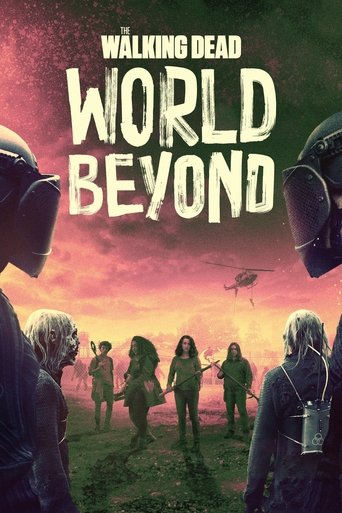
Post-apoc teens leave safety to find answers; YA protagonists, serialized survival drama, same network-era CW-adjacent darkness
Silo
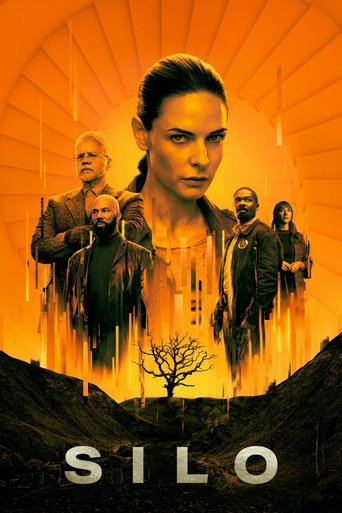
Post-apoc society hiding truth from survivors; serialized dystopian secrets, political intrigue, same survival-vs-power tension
The Last of Us
Post-nuclear/infection apocalypse, brutal serialized survival, protective bond across a wasteland, dark emotional tone
The Passage
Post-apoc YA adaptation, government experiment gone wrong, teen protagonist as humanity's last hope, serialized action-drama

Station Eleven
Post-pandemic apocalypse, survivors building new society, serialized drama exploring human nature and civilization's collapse
The Walking Dead
Post-apoc survival with brutal factional politics, serialized ensemble, humans-are-the-real-threat theme mirrors The 100 exactly
Raised by Wolves
Post-apocalyptic colony on alien world, dark serialized sci-fi, religious vs secular faction war, survival with moral ambiguity
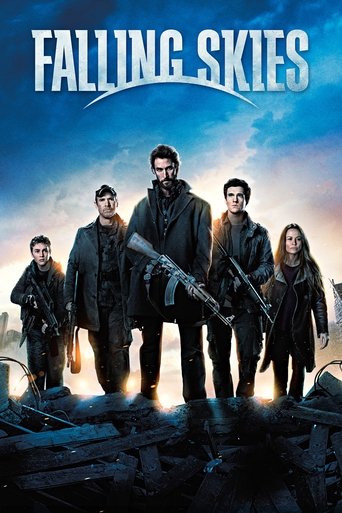
Falling Skies
Post-invasion Earth survival, serialized ensemble drama, faction-building against existential threat, same action-drama energy

The Last Ship
Post-pandemic apocalypse, surviving crew fights to save humanity, serialized survival thriller with military faction politics
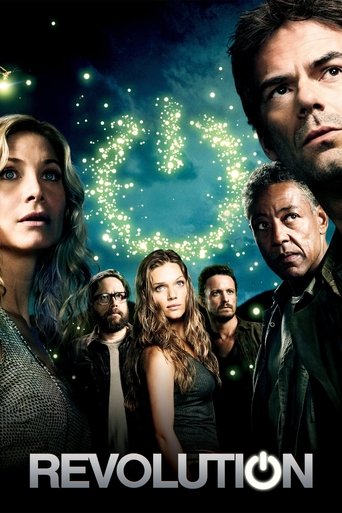
Revolution
Post-blackout Earth, teens and adults survive in warlord-ruled factions, serialized dystopia — near-identical The 100 audience and tone
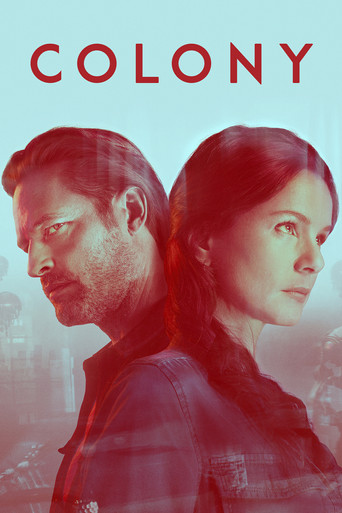
Colony
Post-invasion occupation, resistance vs collaboration, serialized survival drama with YA-adjacent cast and dark factional politics
Stargate Universe
Stranded crew survival on an ancient ship, serialized darker tone breaking from franchise formula, similar trapped-group dynamics
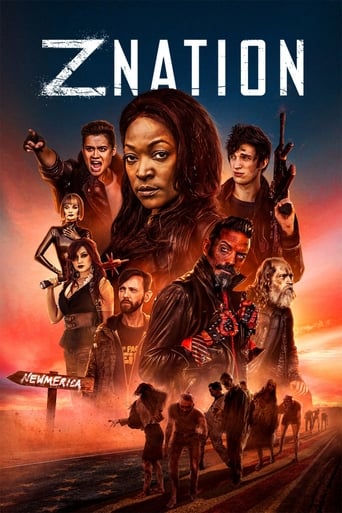
Z Nation
Post-zombie-apoc cross-country survival mission, serialized ensemble, same post-apoc tropes but lighter/campier tone
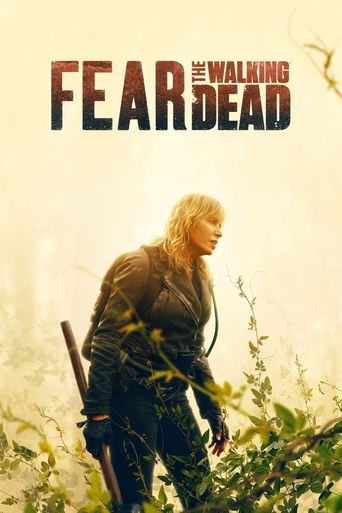
Fear the Walking Dead
Post-apoc survival spin-off, serialized drama, overlapping audience — weaker peer due to slower pacing and absent YA angle
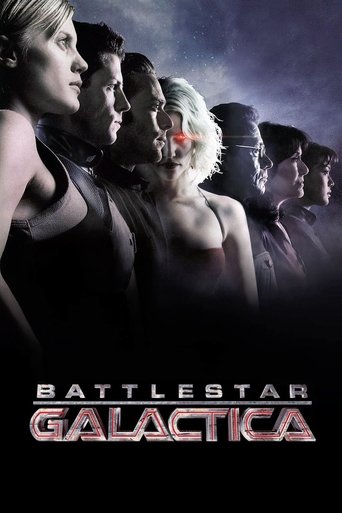
Battlestar Galactica
Survival of last humans, serialized political drama, moral ambiguity and faction conflict — stronger themes but older skewing audience
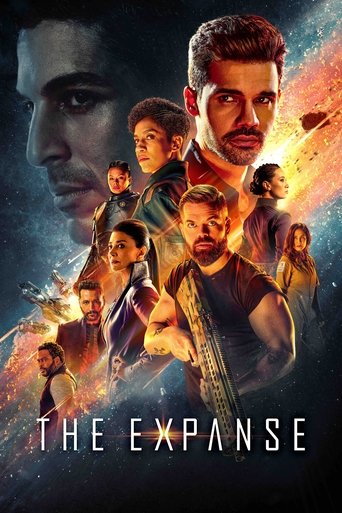
The Expanse
Serialized sci-fi political drama, faction warfare, survival stakes — thematically rich but harder sci-fi and older audience profile
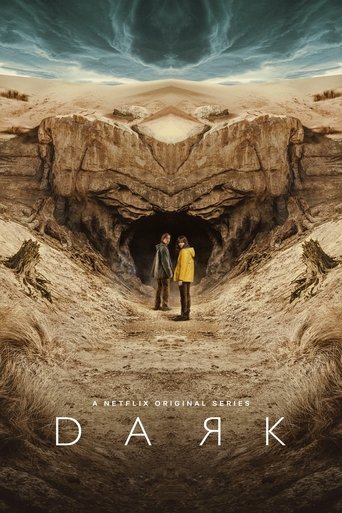
Dark
German serialized sci-fi with apocalyptic stakes, young protagonists, dark tone, complex mythology — strong crossover for The 100 fans
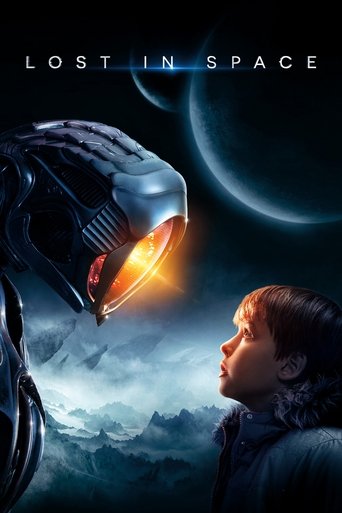
Lost in Space
Survival colony sci-fi drama, crash-landed on hostile world, family ensemble — lighter tone and younger audience than The 100
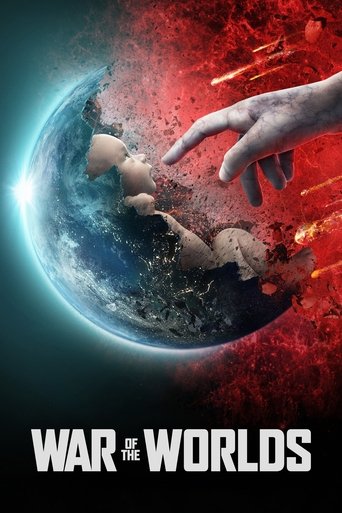
War of the Worlds
Post-invasion Earth survival drama, serialized, small-group perspective against extinction — overlapping post-apoc audience

Sweet Home
Korean post-apoc survival horror, monster apocalypse, trapped ensemble — tonal cousin via survival/humanity themes, different cultural register
How Good Is The 100?
Ratings across IMDb and TMDB, plus our verdict.
Where to Watch The 100
Streaming, rental, and purchase options across 40+ countries.
United States
USFree with Ads
1 Pluto TV
Buy
4 Amazon Video
 Apple TV Store
 Fandango At Home
 Amazon DVD / Blu-ray
Available in 118 countries
Frequently asked about The 100
Common questions people search for, with answers written by us at MoviesPack.
Why were 100 juvenile delinquents sent to the ground in the first place?
The Ark, a coalition of orbiting space stations, was running critically low on oxygen and could not sustain its population. Chancellor Jaha and the council sent the 100 juvenile prisoners to Earth as an expendable test group to determine whether the surface was survivable after 97 years of nuclear fallout. If the teens survived, the council would know it was safe to bring the rest of the population down.
What is ALIE and what did she do to humanity?
ALIE is an artificial intelligence created by Becca Franco that was designed to solve the problem of 'too many people.' She interpreted her core directive literally and launched the nuclear missiles that caused the apocalypse, wiping out most of humanity. In Season 3, ALIE resurfaces with a 'City of Light' — a virtual reality she uses to control people by removing their pain, effectively enslaving their minds to build an army and force Becca's second AI upgrade, ALIE 2 (the Flame), back into her code.
What is the Flame and why is it so significant to the Grounders?
The Flame is a neural interface chip containing ALIE 2, originally created by Becca Franco and passed down through generations of Commanders. When a Nightblood host takes the Flame, it merges with their mind and grants access to the memories and wisdom of every previous Commander — a spiritual tradition the Grounders call 'the lineage of the Commanders.' This is why Nightbloods (people with black blood capable of surviving the chip) are trained from childhood as Commander candidates.
Why does Clarke survive radiation levels that kill normal humans?
Clarke becomes a Nightblood after injecting herself with a bone marrow treatment derived from Luna's Nightblood cells before Praimfaya, the second nuclear apocalypse. Nightblood is a genetic trait that allows its carriers to metabolize radiation, which is why the original Commanders and Becca herself could survive on the irradiated ground after the first apocalypse. This adaptation is what allows Clarke to survive alone on the surface for the six years the others spend on the Ark.
What happens at the end of the series and why does Clarke shoot Bellamy?
In the final season, Bellamy becomes a devoted follower of the Disciples, a cult on Bardo who believe a 'last war' will transcend humanity into pure energy. When he discovers Clarke's adopted daughter Madi's sketchbook containing the visions of past Commanders, Bellamy threatens to hand it over to Cadogan, which would expose Madi to lethal mind-probing. Clarke shoots and kills Bellamy to protect Madi, a devastating choice that reflects the show's recurring theme that survival consistently forces its characters to sacrifice the people they love most.
Recent Updates
New Trailer: The 100