Shows Like S.W.A.T.
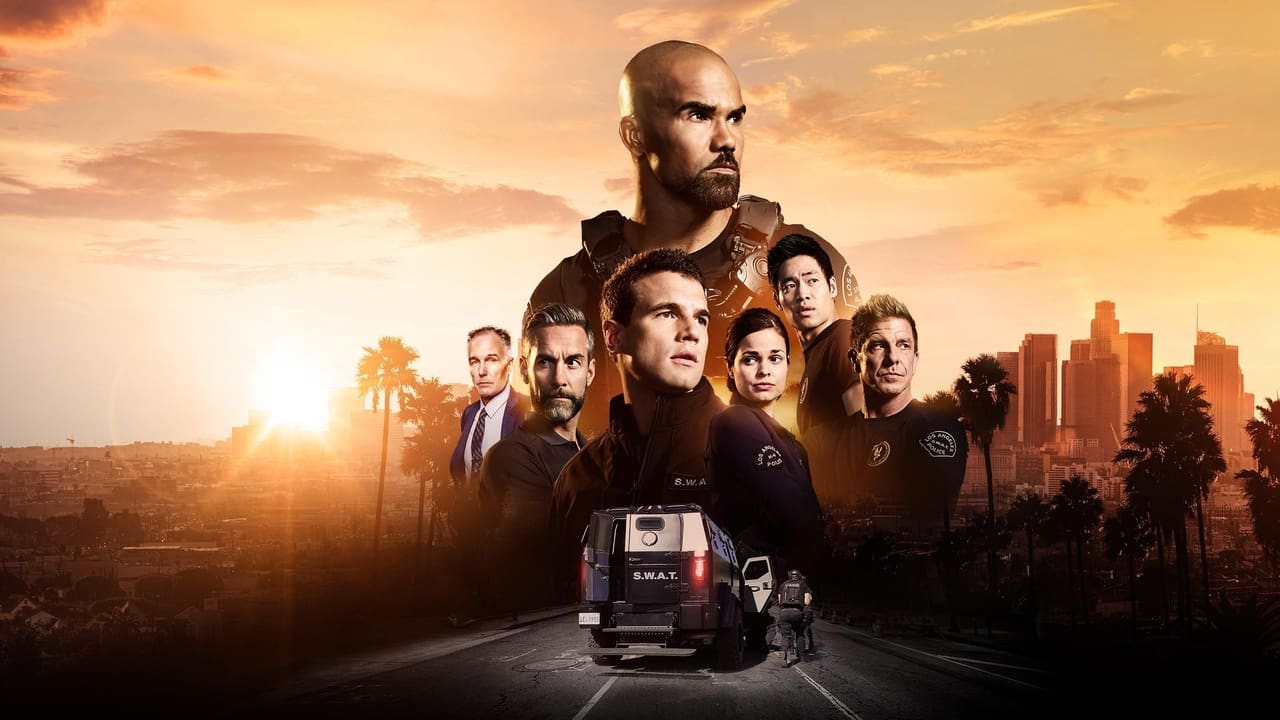
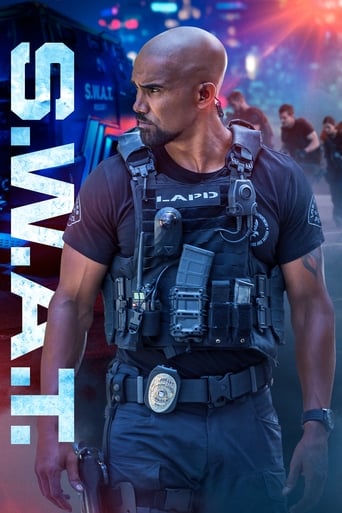
A Los Angeles S.W.A.T. sergeant is assigned to lead a highly skilled unit in the community where he grew up. Torn between loyalty to the streets, where the cops are sometimes the enemy, and allegiance to his brothers in blue, he strategically straddles the two worlds.
Ranked by shared creators, cast, themes, genre, and network — not just generic recommendations.
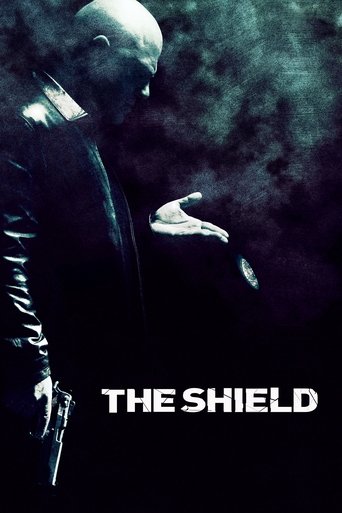
The Shield
Co-creator Shawn Ryan's original LAPD show; same LA streets, moral grey zones, and elite-unit intensity that define S.W.A.T.
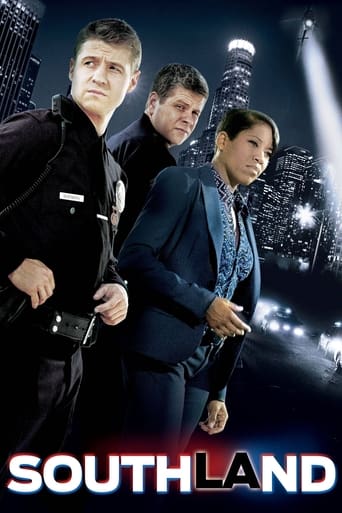
Southland
Gritty LAPD ensemble, LA community lens, serialized character arcs — nearly identical genre/tone/audience profile.
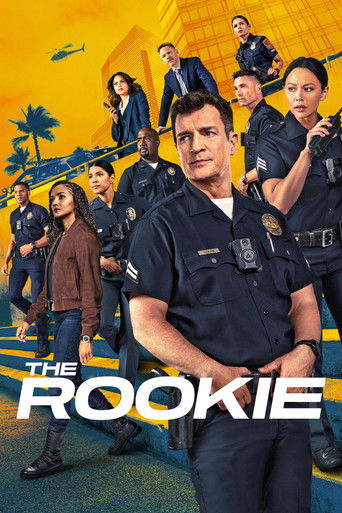
The Rookie
LAPD procedural-action, same broadcast-CBS demo, overlapping cast/crew pipeline, LA setting, police-training throughline.
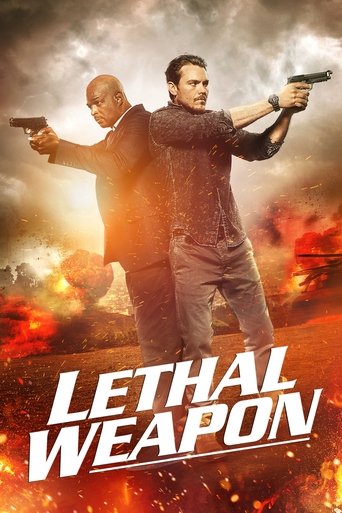
Lethal Weapon
LAPD buddy-cop action on broadcast, LA-set, same mainstream audience and action-procedural rhythm as S.W.A.T.

On Call
Modern LA-area police procedural-action, training-officer premise mirrors S.W.A.T.'s mentorship/community dynamics.
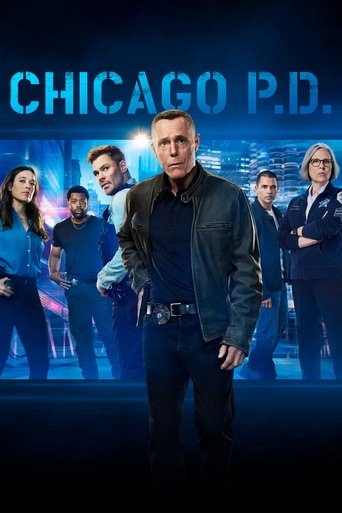
Chicago P.D.
Elite intelligence unit, heavy serialization, action-procedural hybrid — structural and tonal twin of S.W.A.T. on broadcast.
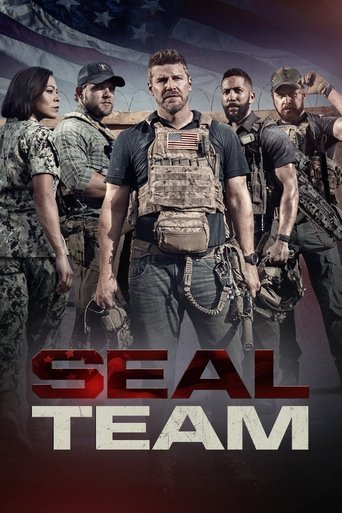
SEAL Team
CBS tactical-unit drama, same network/audience, elite-team camaraderie, mission-driven action with serialized character weight.
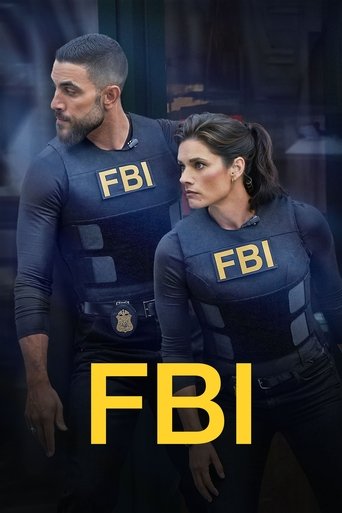
FBI
Dick Wolf CBS procedural-action, same primetime broadcast demo, ensemble law-enforcement team tackling high-stakes cases.
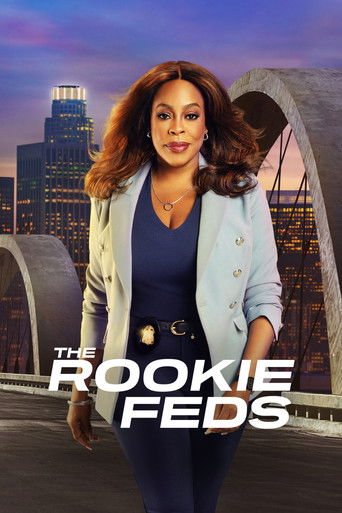
The Rookie: Feds
Spinoff of The Rookie, LA FBI procedural-action, shares S.W.A.T.'s broadcast DNA and overlapping viewer base.
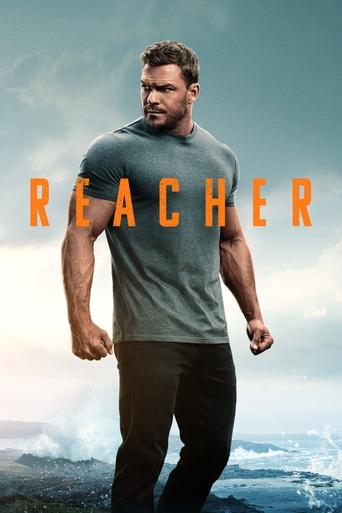
Reacher
Elite law-enforcement action hero, tactical competence fantasy, similar male-skewing action audience — different format/setting.
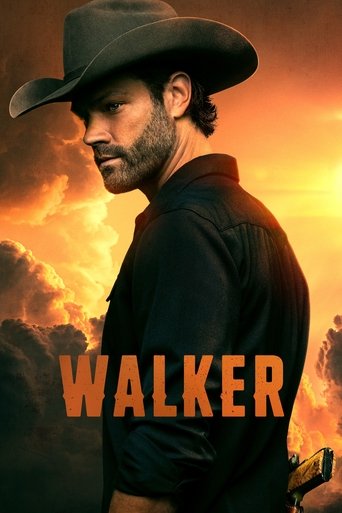
Walker
CBS/CW broadcast lawman drama, serialized family/duty tension, similar primetime procedural-action demo, different region.
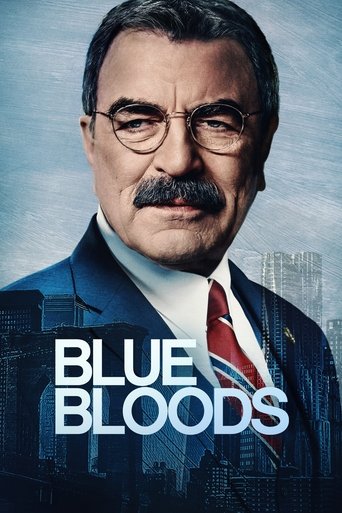
Blue Bloods
CBS police-family drama, overlapping S.W.A.T. viewership, law-enforcement duty/loyalty themes, same Friday-night demo.

9-1-1
LA first-responder ensemble on Fox/ABC, high-action procedural, overlapping audience — adjacent shelf, not tactical unit.
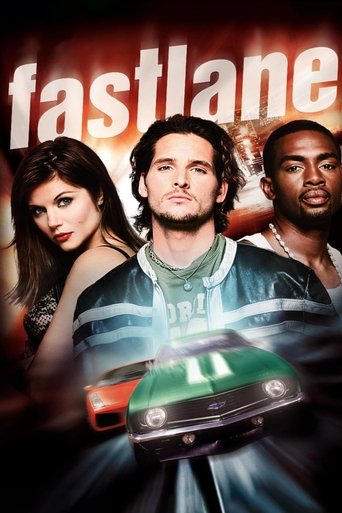
Fastlane
LA undercover buddy-cop action with slick visual energy; tonal cousin sharing the LAPD action aesthetic, lighter serialization.
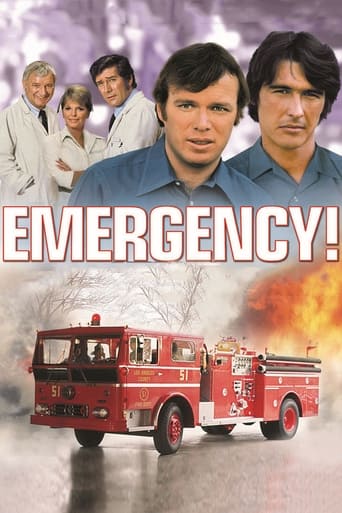
Emergency!
LA first-responder procedural sharing the public-service heroism tone and LA County setting; different era and department.
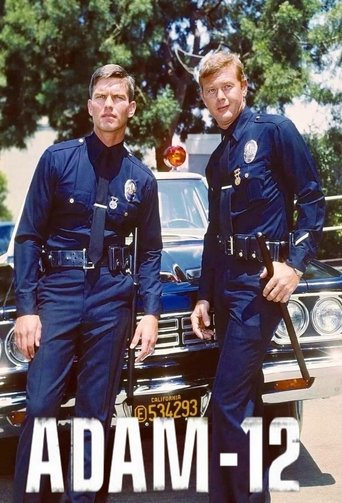
Adam-12
Classic LAPD patrol procedural; shares the LA law-enforcement legacy lineage S.W.A.T. explicitly reboot-references.

The Oath
Cop-gang drama exploring law-enforcement loyalty and corruption; darker niche cousin touching similar badge-vs-street tension.
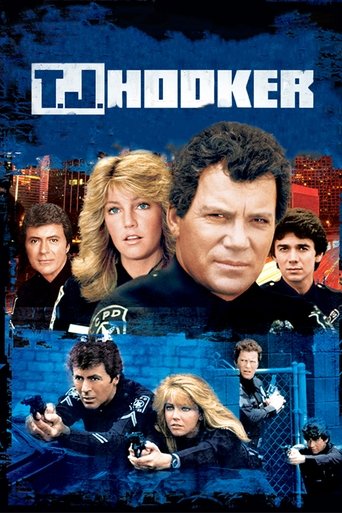
T. J. Hooker
Veteran cop training rookies on broadcast; tonal ancestor sharing the mentor-on-the-streets structure, very different era.
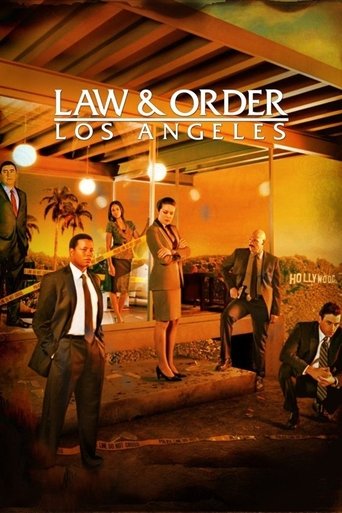
Law & Order: LA
LAPD Robbery-Homicide procedural in LA; shares city and network brand but skews courtroom-heavy vs. tactical action.

Police Woman
LAPD undercover procedural; distant ancestor in the LA law-enforcement drama lineage, very different era and format.
How Good Is S.W.A.T.?
Ratings across IMDb and TMDB, plus our verdict.
Where to Watch S.W.A.T.
Streaming, rental, and purchase options across 40+ countries.
United States
USStream
9 Netflix
 Amazon Prime Video
 Netflix Standard with Ads
 Amazon Prime Video with Ads
 Philo
Philo fuboTV
 YouTube TV
 Starz Amazon Channel
 Starz Roku Premium Channel
Buy
6 Amazon Video
 Apple TV Store
 Fandango At Home
 Amazon DVD / Blu-ray
 Barnes & Noble
 GRUV
GRUVAvailable in 131 countries
Frequently asked about S.W.A.T.
Common questions people search for, with answers written by us at MoviesPack.
Why does Hondo get passed over for the team sergeant position at the start of the series?
Despite being the most qualified candidate, Hondo is initially overlooked because LAPD brass are uncomfortable promoting a Black officer from the same South Los Angeles neighborhood the team polices, fearing community optics and internal politics. Commander Hicks ultimately chooses him after the previous sergeant is removed following a use-of-force scandal, framing Hondo's promotion as both a strategic and symbolic choice. This tension — whether Hondo was chosen on merit or as a PR move — runs through his early character arc as he works to prove the distinction doesn't matter.
What is the significance of Hondo's dual identity as both a SWAT officer and a product of South Los Angeles?
Hondo grew up in the very neighborhoods his team is called into, giving him relationships and cultural fluency that his colleagues lack but also placing him under constant scrutiny from the community who see him as either a bridge or a traitor. The show regularly uses this tension to explore whether policing from the inside can produce meaningful change, or whether the institution simply absorbs and neutralizes reformers. His childhood friend Leroy and later his father Daniel Sr. are recurring figures who represent the community's skepticism about Hondo's institutional role.
How does Street's relationship with his mother Kay shape his character and recurring storylines?
Kay Street is a drug addict and petty criminal whose cycles of relapse and manipulation repeatedly pull Jim Street into dangerous situations — including him once bending procedure to protect her from consequences, which nearly costs him his SWAT career. Her presence illustrates Street's core wound: a need for approval and stability that he never received at home, which drives both his recklessness and his fierce loyalty to the team as a surrogate family. The show uses her storylines to test whether Street can maintain professional boundaries when personal love is weaponized against him.
What happened between Deacon and the church that creates moral conflict for him throughout the series?
Deacon is a devout Christian whose faith is portrayed as genuine rather than performative, but the show places him in recurring situations where the ethics of lethal force and institutional loyalty clash with his religious convictions. A key thread involves his elders and congregation questioning whether a man of faith can serve in a unit whose mandate is to deploy overwhelming force, and Deacon must repeatedly reconcile Scripture with split-second decisions that result in deaths. Rather than resolving this cleanly, the series treats it as an ongoing tension that defines his character without easy answers.
Why does Hondo ultimately leave SWAT at the end of Season 6, and what does his departure represent thematically?
After years of navigating the gap between the LAPD's institutional interests and genuine community accountability, Hondo resigns when he concludes that the department is unwilling to make the structural reforms necessary for the team to operate with real community trust. His departure is framed not as defeat but as a principled refusal to keep providing legitimacy to a system he can no longer defend — the same critique his community had leveled at him from the beginning. His return in later seasons is conditional on meaningful change, turning his arc into a prolonged question about whether reform from within is possible or merely an illusion.
Recent Updates
New Trailer: S.W.A.T.
New Teaser: S.W.A.T.