Shows Like Naruto Shippūden
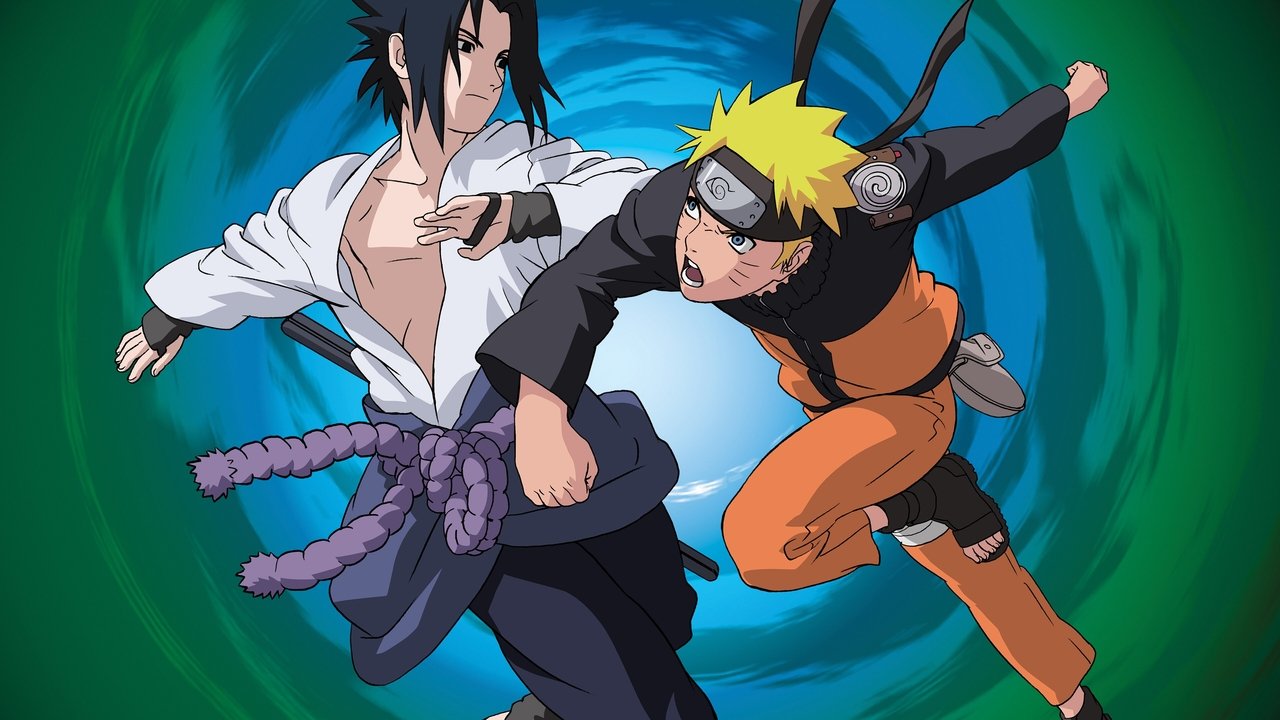
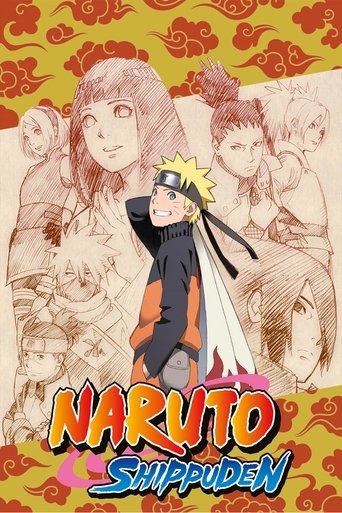
After 2 and a half years Naruto finally returns to his village of Konoha, and sets about putting his ambitions to work. It will not be easy though as he has amassed a few more dangerous enemies, in the likes of the shinobi organization; Akatsuki.
Ranked by shared creators, cast, themes, genre, and network — not just generic recommendations.
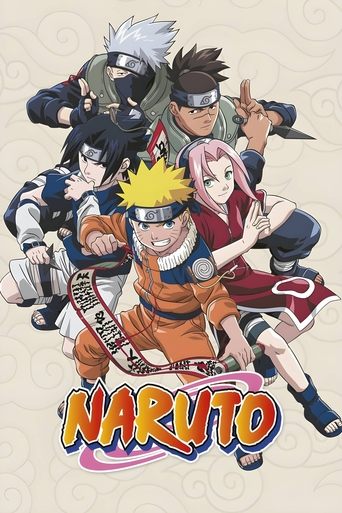
Naruto
Direct predecessor series — same characters, world, and cast; Shippūden is its sequel continuation.
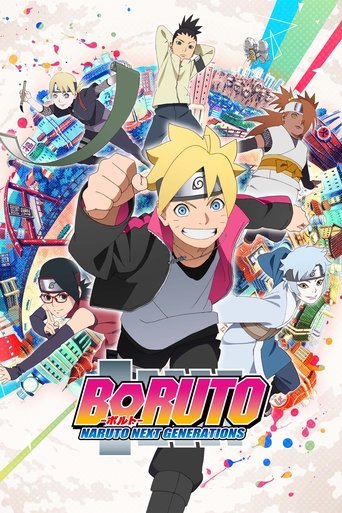
Boruto: Naruto Next Generations
Direct sequel set in same ninja world with many returning characters; franchise continuation.
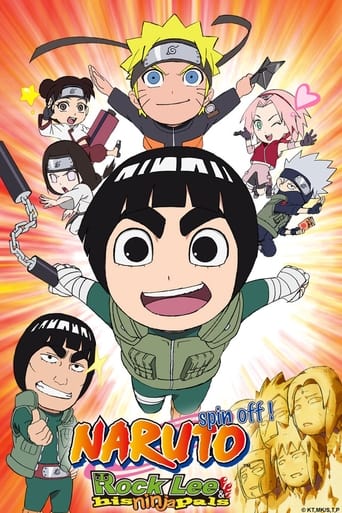
NARUTO Spin-Off: Rock Lee & His Ninja Pals
Naruto franchise spin-off featuring same cast and Hidden Leaf setting in chibi comedy format.
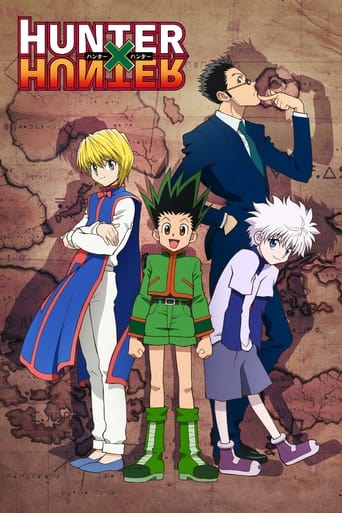
Hunter x Hunter
Premier serialized shounen: young male protagonist, power training, intense battles, rich world-building and dark escalation.

One Piece
Core 'Big Three' shounen: long-running, friendship themes, power progression, manga-based adventure with serialized arcs.
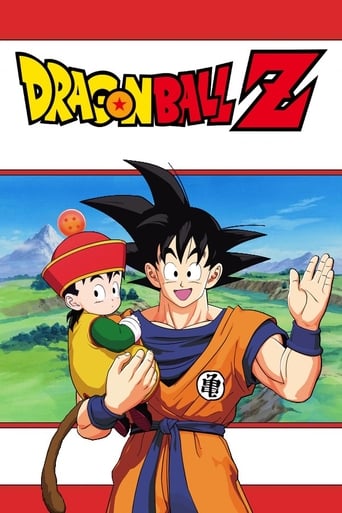
Dragon Ball Z
Foundational shounen action anime — martial arts power escalation, iconic rivalries, tournament and villain arcs.
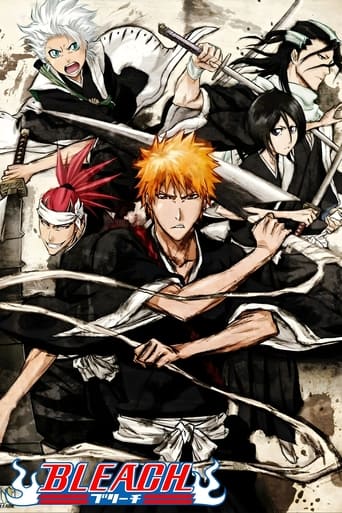
Bleach
'Big Three' peer: spiritual swordsman battles, power-up arcs, teen protagonist, shares cast member Noriaki Sugiyama.
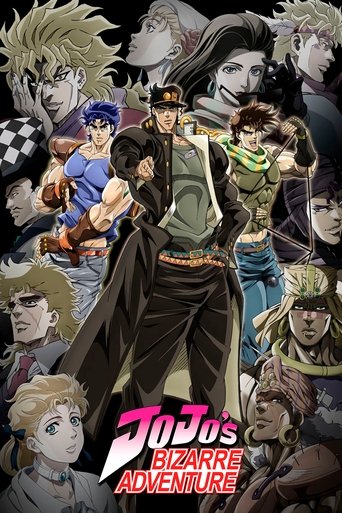
JoJo's Bizarre Adventure
Long-running manga adaptation, generational shounen action, creative fights, huge fan overlap with Naruto audience.
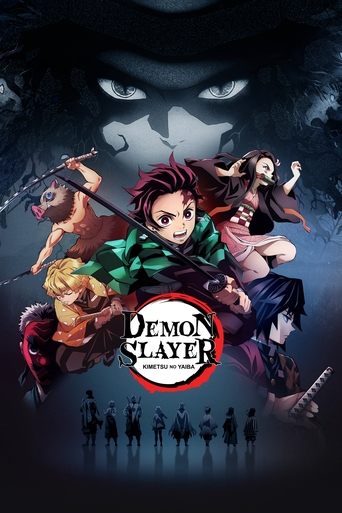
Demon Slayer: Kimetsu no Yaiba
Modern top-tier shounen: sword-based combat, tragic backstory, power ranking system, serialized arcs — same demographic.
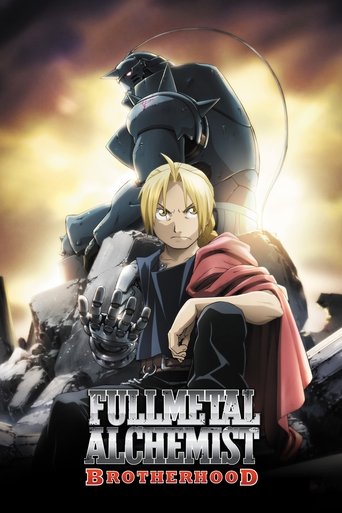
Fullmetal Alchemist: Brotherhood
Definitive serialized shounen: protagonist brothers, escalating power, emotional depth, villain organization — direct peer.
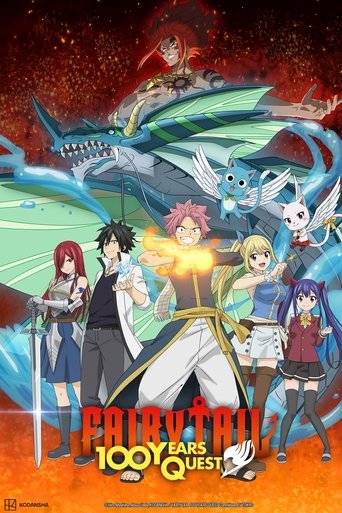
FAIRY TAIL 100 YEARS QUEST
Shounen sequel continuing Fairy Tail's guild magic battles — same power-of-friendship tone and audience as Shippūden.
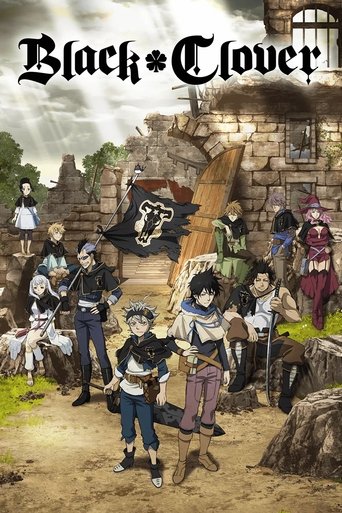
Black Clover
Direct shounen peer: underdog protagonist, rival dynamic, magic power training, village-to-elite arc mirrors Naruto structure.
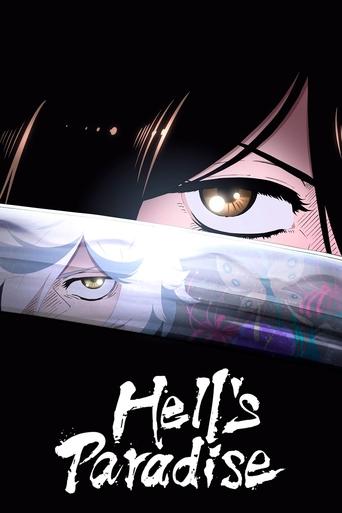
Hell's Paradise
Ninja assassin lead, dark fantasy action, based on manga, shounen — shares ninja theme and gritty tone with late Shippūden.
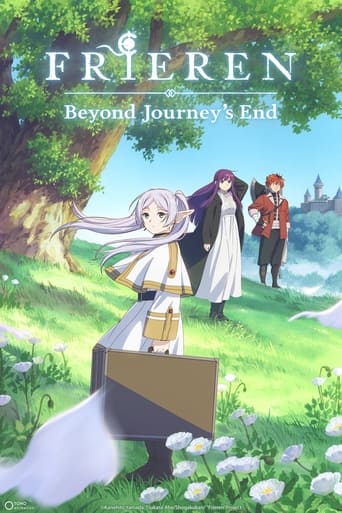
Frieren: Beyond Journey's End
High-quality shounen fantasy adventure with combat and deep world-building; reflective tone is a tonal evolution Naruto fans seek.
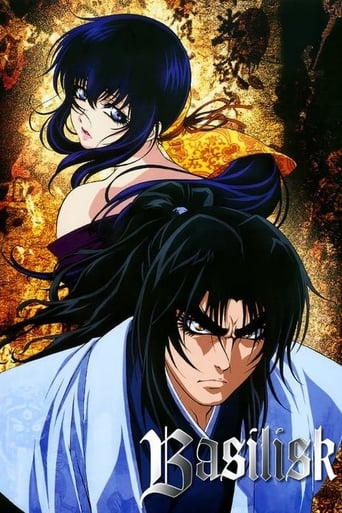
Basilisk
Ninja clan warfare anime, manga-based, feudal Japan setting — same ninja action shelf, darker and more mature tone.

Dragon Quest: The Adventure of Dai
Shounen manga adaptation with young hero, monster battles, team power growth — classic adjacent fantasy adventure shelf.
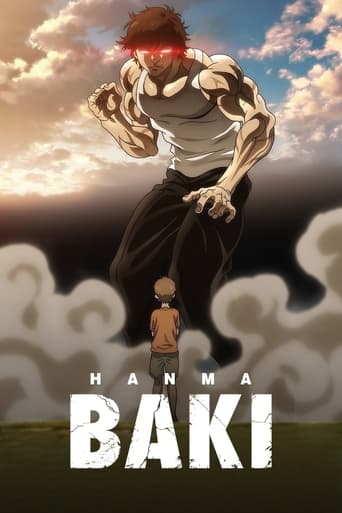
Baki Hanma
Intense hand-to-hand combat anime, manga-based, extreme power progression — shares fight-focused audience, darker tone.

Hunter x Hunter
Original HxH adaptation — same story as 2011 version; slightly older production adjacent to Naruto's era and style.
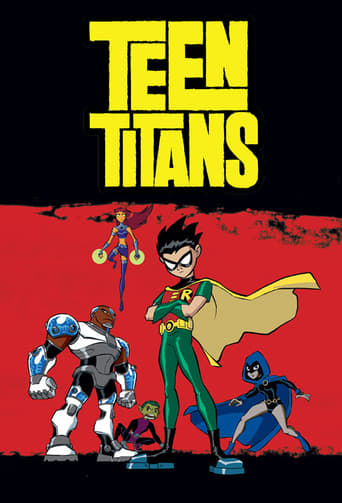
Teen Titans
Anime-inspired Western superhero action; team of teen heroes with serialized arcs — tonal cousin for action-animation fans.
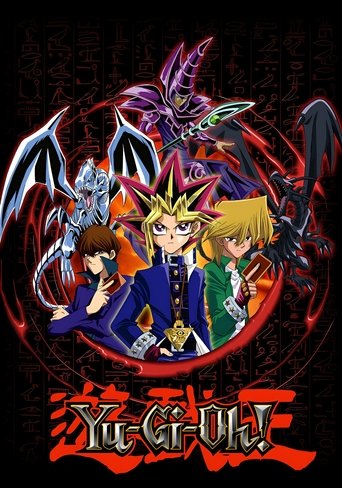
Yu-Gi-Oh! Duel Monsters
Classic era shounen anime with strong rivalries and tournament arcs; shares Junko Takeuchi and same generation audience.
How Good Is Naruto Shippūden?
Ratings across IMDb and TMDB, plus our verdict.
Where to Watch Naruto Shippūden
Streaming, rental, and purchase options across 40+ countries.
United States
USStream
3 Crunchyroll Amazon Channel
 Crunchyroll
 Hulu
HuluBuy
3 Apple TV Store
 Fandango At Home
 Amazon DVD / Blu-ray
Available in 129 countries
Frequently asked about Naruto Shippūden
Common questions people search for, with answers written by us at MoviesPack.
What is the true purpose of Madara Uchiha's Eye of the Moon Plan?
The Eye of the Moon Plan, also called the Infinite Tsukuyomi, aimed to trap all of humanity inside an eternal dream-world genjutsu cast through the Rinne Sharingan projected onto the moon. Madara believed this would end all conflict and suffering by removing free will and immersing everyone in an illusion of perfect happiness. In practice it would have dissolved individual consciousness, making it a form of mass subjugation disguised as salvation.
Why did Itachi Uchiha massacre his entire clan, including his parents?
Itachi carried out the Uchiha Clan Massacre on orders from Konoha's elders and the Third Hokage, who feared an imminent coup that the clan had been secretly planning. Rather than allow a civil war that could destabilize the village and potentially trigger a Fourth Great Ninja War, Itachi chose to bear the role of mass murderer alone, sparing only Sasuke. He deliberately made himself Sasuke's hated enemy so that Sasuke would have the motivation to grow strong, and he accepted being branded a traitor to protect Konoha's stability from the shadows.
What is the nature of the relationship between Naruto's Nine-Tails (Kurama) and the other Tailed Beasts?
All nine Tailed Beasts are fragments of the Ten-Tails, split apart by the Sage of Six Paths, Hagoromo Ōtsutsuki, after he sealed the Ten-Tails within himself and became its jinchūriki. Each beast received a portion of the Sage's chakra and was given a name and identity, making them sentient beings rather than mindless monsters. Kurama's extreme hostility toward humans stemmed from centuries of being sealed, weaponized, and treated as a tool, but after Naruto earns his trust, Kurama becomes a willing partner and one of the series' most significant redemption arcs.
What does Obito Uchiha's backstory reveal about why he became the chief antagonist?
Obito was originally an idealistic ninja who loved his teammate Rin, but he was crushed under rubble during a mission and rescued by Madara, who manipulated his grief and anger. The decisive break came when Obito witnessed Kakashi kill Rin — an act Rin had engineered herself to prevent Kirigakure from using her as a weapon — and the trauma caused him to abandon his belief in the ninja world entirely. Madara exploited this despair to turn Obito into the masked figure known as Tobi, positioning him as the executor of the Eye of the Moon Plan.
What is the significance of Naruto and Sasuke's final battle at the Valley of the End?
The battle revisits the same location as their first clash in the original series, framing their conflict as a cyclical tragedy that mirrors the ancient rivalry between the Sage of Six Paths' two sons, Asura and Indra — whose reincarnations Naruto and Sasuke are revealed to be. Sasuke's goal is to kill the current five Kage and become a lone revolutionary who bears the hatred of the world so future generations can be built on a clean foundation, while Naruto refuses to abandon him regardless of ideology. Their mutual loss of an arm symbolizes that neither fully won, and Sasuke's acknowledgment of defeat marks his genuine change of heart rather than a forced reconciliation.
Recent Updates
New Teaser: Naruto Shippūden
New Trailer: Naruto Shippūden