
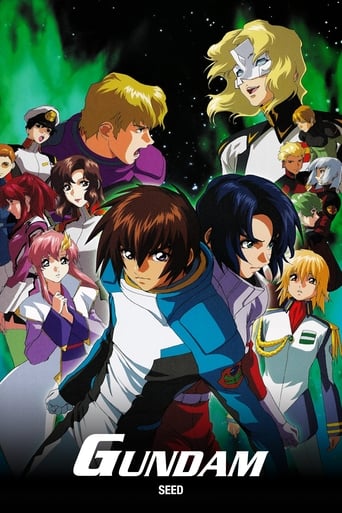
Shows Like Mobile Suit Gundam SEED
Cosmic Era 71. Mankind has developed into two subspecies: Naturals, who reside on Earth, and Coordinators, genetically enhanced humans capable of withstanding the rigors of space who inhabit orbital colonies known as PLANTs. The story revolves around a young Coordinator named Kira Yamato, who becomes involved in the war between the two races after a neutral space colony secretly developing mobile suits for the Earth Alliance is attacked by the PLANTs' military force, ZAFT.
Ranked by shared creators, cast, themes, genre, and network — not just generic recommendations.
Mobile Suit Gundam Wing
Same franchise; closest tonal match to SEED — melodrama, child soldiers, romance, space colonies vs Earth political war
Mobile Suit Gundam 00
Same franchise; real robot mecha, ideological war, child soldiers, serialized drama — direct SEED-era successor feel
Mobile Suit Gundam: Iron-Blooded Orphans
Same franchise; oppressed underclass fighting Earth authority, grim serialized drama, mecha warfare
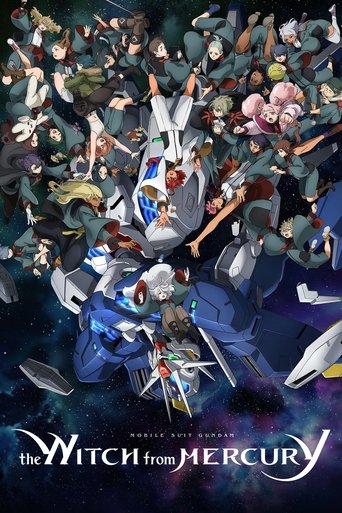
Mobile Suit Gundam: The Witch from Mercury
Same franchise; school-politics setting, corporate conspiracy, real robot mecha, serialized drama with romance
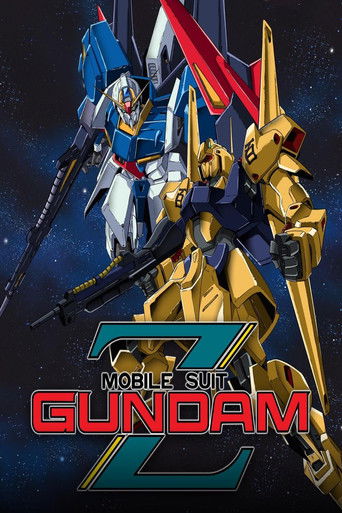
Mobile Suit Zeta Gundam
Same franchise; direct Gundam sequel, darker serialized war drama, moral ambiguity — foundational to SEED's tone
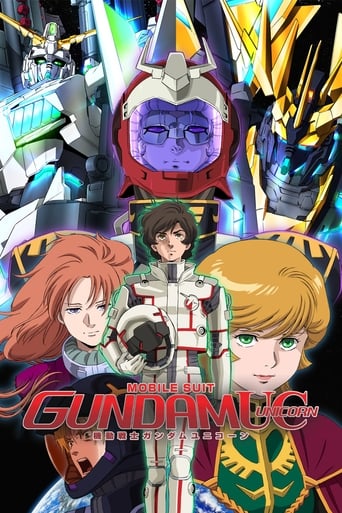
Mobile Suit Gundam Unicorn
Same franchise; UC-era prestige OVA, psychic pilots, space colony independence war, high production values

Mobile Suit Gundam Unicorn RE:0096
Same franchise; TV re-edit of Unicorn OVA, same story — space colony politics, mecha, psychic powers
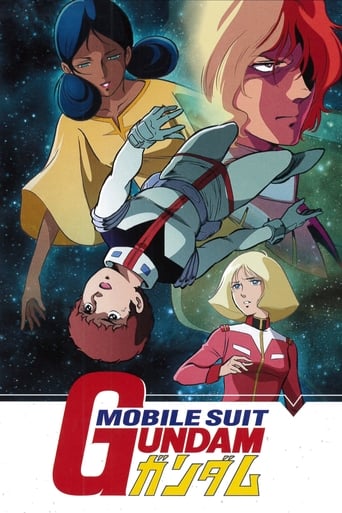
Mobile Suit Gundam
Same franchise; the original that SEED directly reimagines — Naturals/Coordinators mirrors Zeon/Federation divide
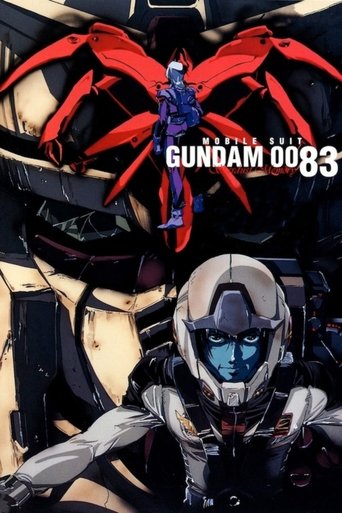
Mobile Suit Gundam 0083: Stardust Memory
Same franchise; UC OVA, military real robot mecha, space war, solid serialized action drama
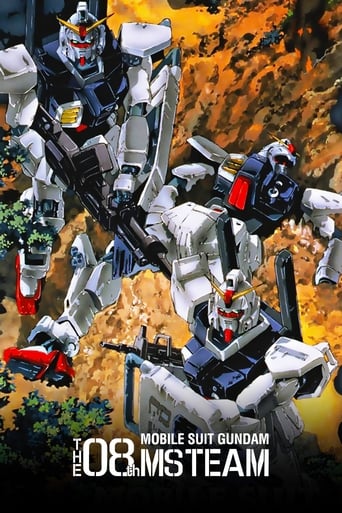
Mobile Suit Gundam: The 08th MS Team
Same franchise; star-crossed lovers across enemy lines — mirrors SEED's Kira/Lacus/Athrun romance dynamics

Mobile Suit Gundam 0080: War in the Pocket
Same franchise; OVA focused on war's human cost, anti-war themes central to SEED's message
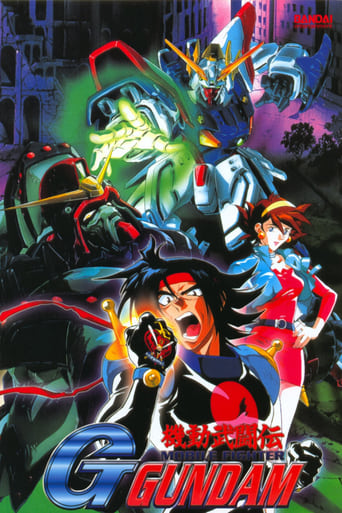
Mobile Fighter G Gundam
Same franchise; alternate-universe Gundam, super-robot tone diverges but core franchise audience overlap is total
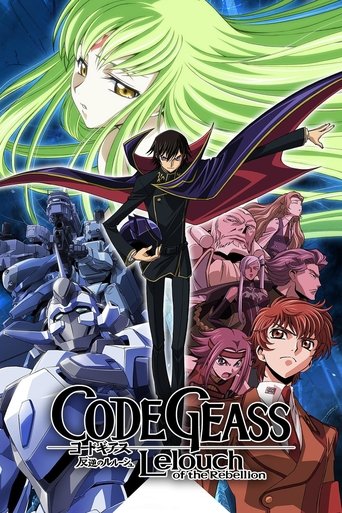
Code Geass: Lelouch of the Rebellion
Real robot mecha, political war, moral ambiguity, serialized drama — the closest non-Gundam peer to SEED in tone and audience
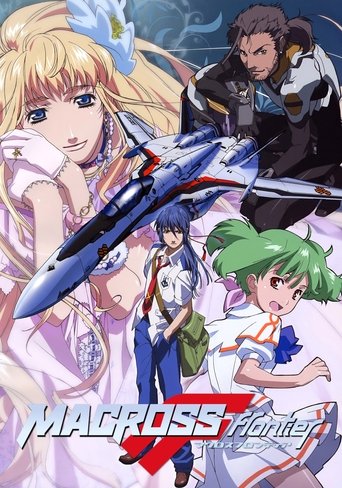
Macross Frontier
Space opera mecha, love triangle, war against alien threat, serialized — direct demographic and tonal peer to SEED
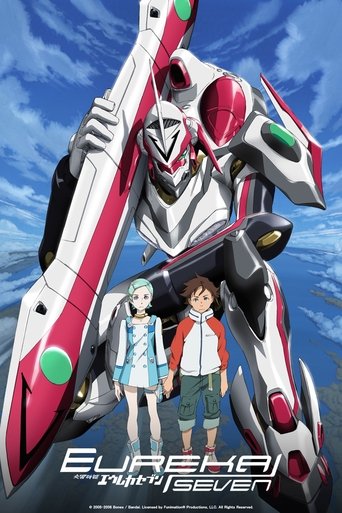
Eureka Seven
Real robot mecha, interspecies romance, coming-of-age, military conflict — shares SEED's emotional serialized structure
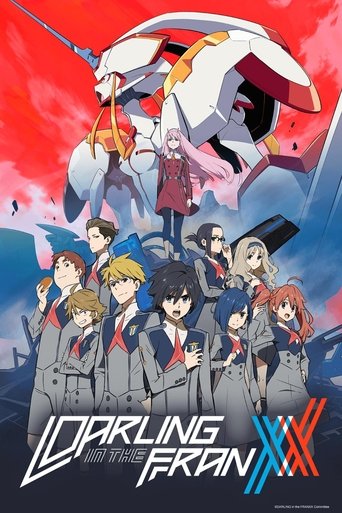
DARLING in the FRANXX
Real robot mecha, dystopia, teen pilots, romance central to plot — heavily SEED-inspired structure and melodrama

Aldnoah.Zero
Earth vs Mars colony war, real robot mecha, teen protagonist, serialized — premise mirrors SEED's Naturals vs Coordinators
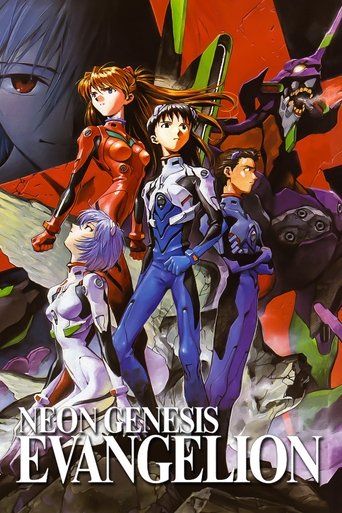
Neon Genesis Evangelion
Foundational real robot mecha anime, psychological teen pilots, serialized war drama — essential peer for any Gundam viewer
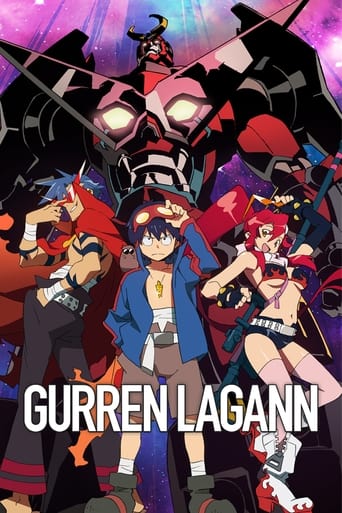
Gurren Lagann
Mecha coming-of-age, serialized escalating war drama, same young-adult anime audience — tonal cousin but strong crossover
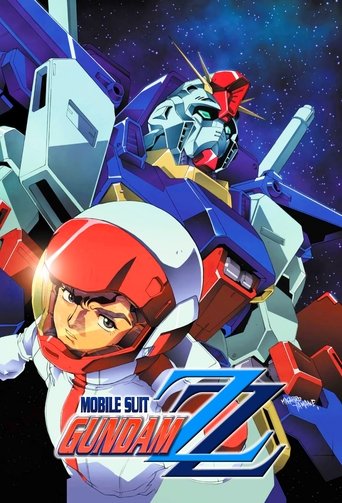
Mobile Suit Gundam ZZ
Same franchise; direct Zeta Gundam sequel, same UC continuity, Neo-Zeon war — complete franchise viewing includes this
How Good Is Mobile Suit Gundam SEED?
Ratings across IMDb and TMDB, plus our verdict.
Where to Watch Mobile Suit Gundam SEED
Streaming, rental, and purchase options across 40+ countries.
United States
USStream
5 Hulu
Hulu Netflix
 Crunchyroll
 Crunchyroll Amazon Channel
 Netflix Standard with Ads
Buy
1 Amazon DVD / Blu-ray
Available in 97 countries
Frequently asked about Mobile Suit Gundam SEED
Common questions people search for, with answers written by us at MoviesPack.
Why does Kira Yamato fight for the Earth Alliance even though he is a Coordinator?
Kira joins the Earth Alliance not out of ideology but to protect his Natural friends who are trapped aboard the Archangel. Because he is a Coordinator — genetically enhanced to be superior — he is the only one capable of piloting the stolen Strike Gundam, making him indispensable regardless of which side he technically belongs to. This forced loyalty creates constant inner conflict, as he is repeatedly ordered to fight Coordinators he has no personal quarrel with, and the tension between obligation to friends and his own identity as a Coordinator drives much of his arc through the series.
What is ZAFT's true goal and how does it differ from Patrick Zala's personal agenda?
ZAFT begins the war seeking political recognition and a safe homeland for Coordinators who face discrimination and violence from Earth's governments. However, Patrick Zala's grief over his wife Lenore — killed in the Bloody Valentine nuclear attack — gradually warps the organization's mission into a genocidal campaign to exterminate all Naturals. By the series' final arc, Zala has secretly developed the GENESIS superweapon to deliver a mass extinction strike on Earth, a plan that even many within ZAFT oppose, illustrating how legitimate grievance can be hijacked by extremism.
What is the significance of Athrun Zala shooting down Kira, and why does it haunt him?
Athrun and Kira were childhood best friends before the war separated them into opposing factions, so when Athrun kills what he believes is Kira during the battle at Orb, it represents the complete destruction of his last emotional anchor outside ZAFT ideology. The act is made more agonizing because Kira had just sacrificed his own life to destroy GENESIS, meaning Athrun believed he killed his best friend to protect a cause he was already losing faith in. Kira's survival — thanks to the Freedom Gundam's armor and miraculous circumstances — allows reconciliation, but the moment crystallizes how the war forces personal love to be sacrificed on the altar of faction loyalty.
What are the Destiny Plan and the philosophical divide between Lacus Clyne and Durandal — and does SEED establish this conflict?
The Destiny Plan itself is fully articulated in the sequel series Gundam SEED Destiny rather than the original SEED, but the philosophical groundwork is laid here: Lacus and her faction believe in individual freedom and peaceful coexistence between Naturals and Coordinators, while more extreme Coordinator voices — embodied by Patrick Zala — argue that coexistence is impossible and one side must dominate. SEED ends with the defeat of Zala's genocide plot and a fragile ceasefire, suggesting that neither total war nor one faction's supremacy is the answer, though the series deliberately leaves the deeper question of long-term coexistence unresolved.
Why does Kira survive being shot down in his Strike Gundam, and what changes after his resurrection?
Kira's survival is partly miraculous — he ejects before the Strike is fully destroyed — but the series also implies that his exceptional Coordinator genetics and sheer will allow him to endure injuries that would kill a Natural pilot. After being recovered by Lacus Clyne, he undergoes a profound ideological shift: rather than fighting for either side, he resolves to protect the people he loves regardless of faction, and Lacus provides him with the powerful Freedom Gundam to act on that conviction. This rebirth transforms Kira from a reluctant soldier conscripted by circumstance into an active moral agent who refuses to kill when disabling an enemy unit is possible — a stance that defines his combat style for the rest of the war.
Recent Updates
New Teaser: Mobile Suit Gundam SEED
New Trailer: Mobile Suit Gundam SEED