Shows Like The Closer
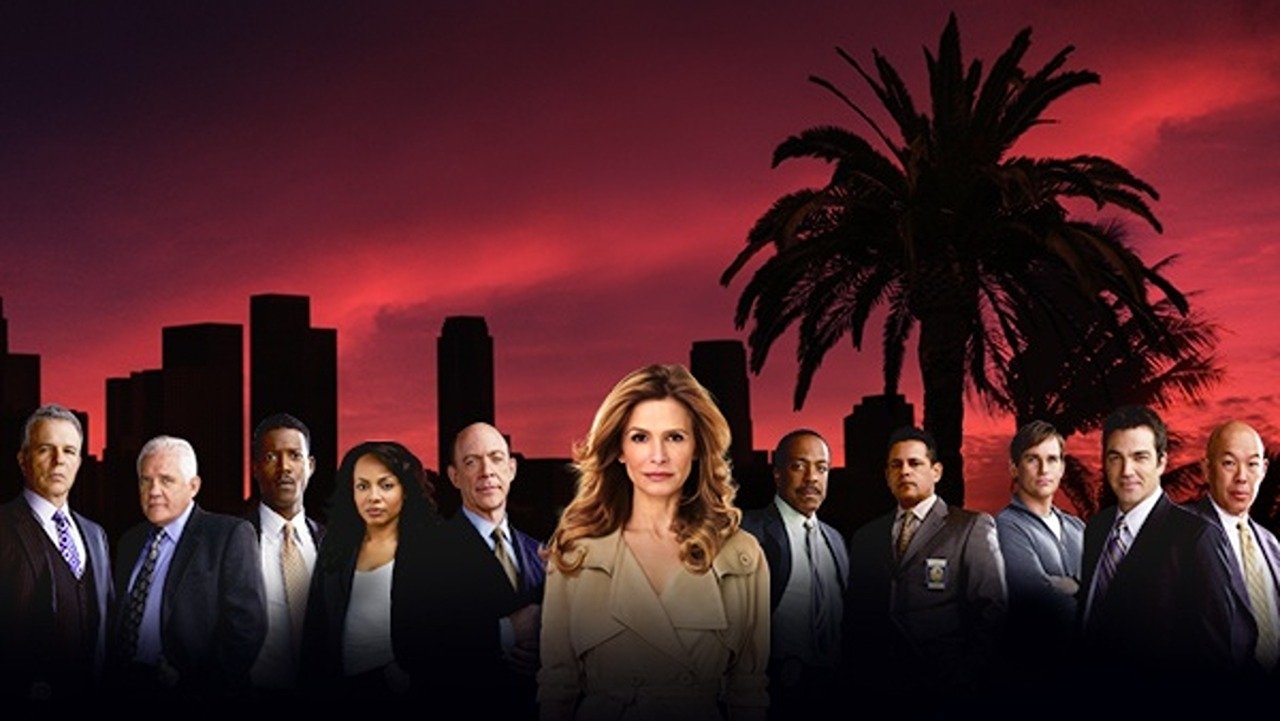
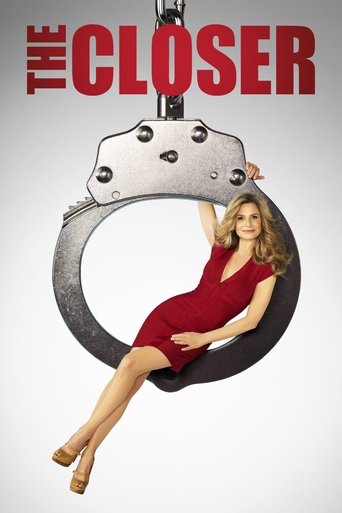
Deputy Police Chief Brenda Leigh Johnson transfers from Atlanta to LA to head up a special unit of the LAPD that handles sensitive, high-profile murder cases. Johnson's quirky personality and hard-nosed approach often rubs her colleagues the wrong way, but her reputation as one of the world's best interrogator eventually wins over even her toughest critics.
Ranked by shared creators, cast, themes, genre, and network — not just generic recommendations.
Major Crimes
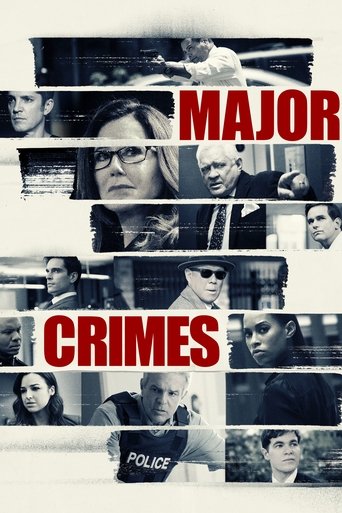
Direct spinoff by creator James Duff, same LAPD unit, 5 shared cast members including Bailey & Denison
Prime Suspect
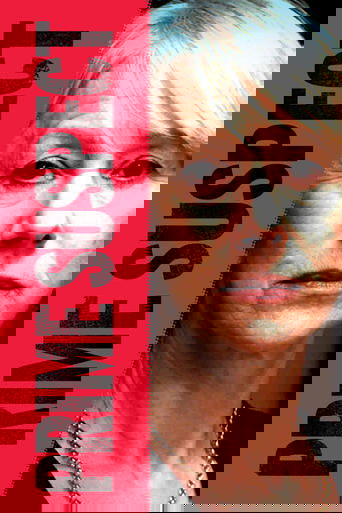
Prestige female detective fighting male-dominated force, landmark crime drama, same moral complexity
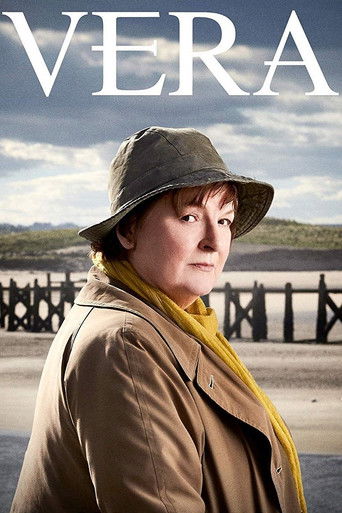
Vera
Strong-willed, unorthodox female detective lead solving murders; same procedural tone and character depth
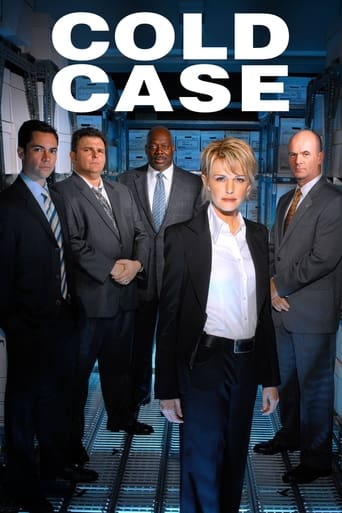
Cold Case
Female detective lead in a specialized homicide unit, CBS crime procedural, exact same era and audience
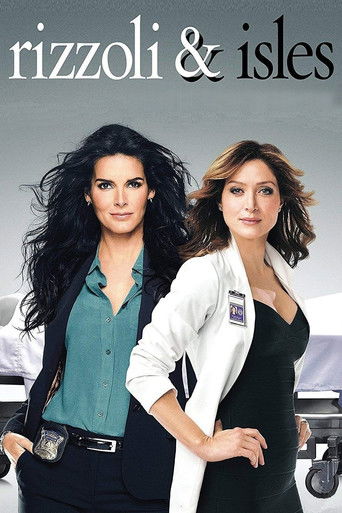
Rizzoli & Isles
Female-led crime procedural on TNT, same network DNA, strong central woman detective solving murders
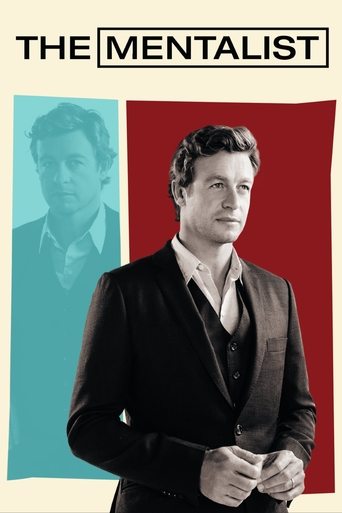
The Mentalist
Protagonist's genius-level interrogation and psychological insight mirrors Brenda's; CBS procedural, same era
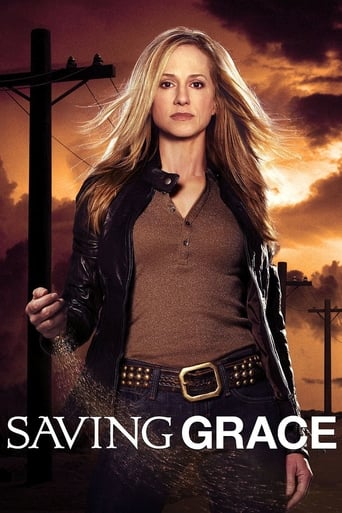
Saving Grace
TNT crime drama, female detective lead (Holly Hunter), morally complex, same network and 2005–2010 era
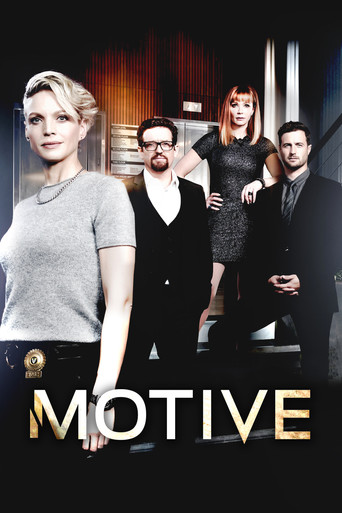
Motive
Female homicide detective protagonist, murder-of-the-week procedural format, same core audience appeal
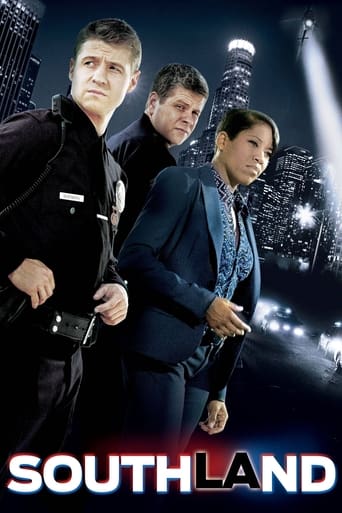
Southland
LAPD procedural on TNT, gritty and character-driven, overlapping cast/crew culture and same network
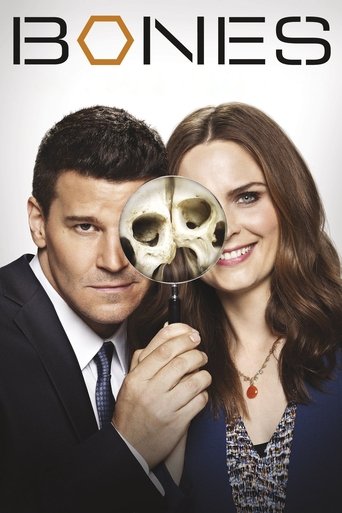
Bones
Female-led crime procedural, Fox, exact same 2005 launch era, specialist investigator solving murder cases
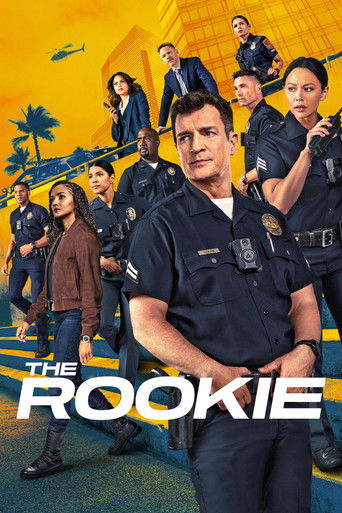
The Rookie
LAPD procedural, LA setting, strong character dynamics, but male lead and different tone/era
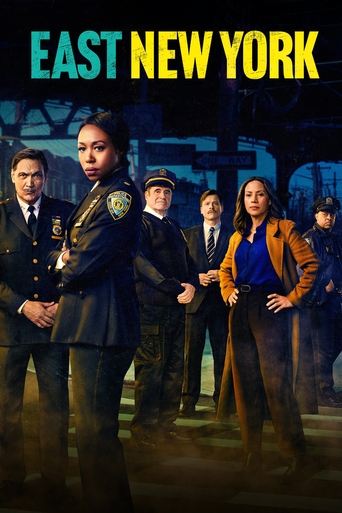
East New York
Female deputy inspector leads diverse precinct with creative policing methods; structural parallel to Brenda
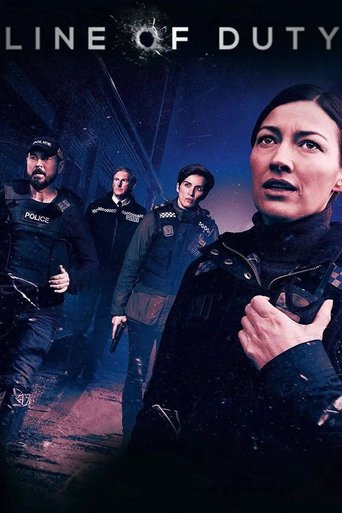
Line of Duty
Prestige police procedural, institutional tension, interrogation-heavy scenes, different country/focus
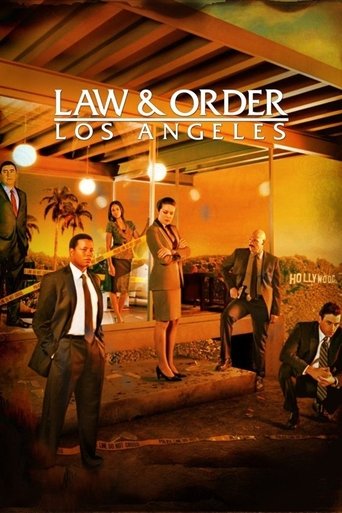
Law & Order: LA
LAPD setting, crime procedural format, overlapping audience, but legal focus and no strong female lead
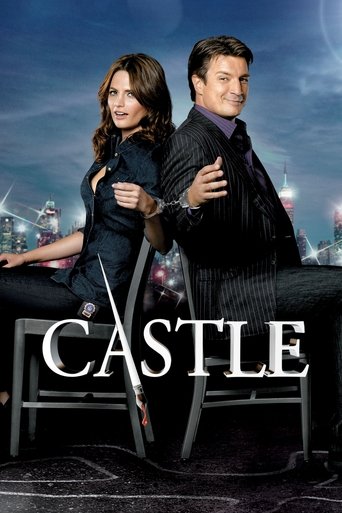
Castle
Female NYPD detective lead, procedural crime drama, lighter tone but same era viewer base
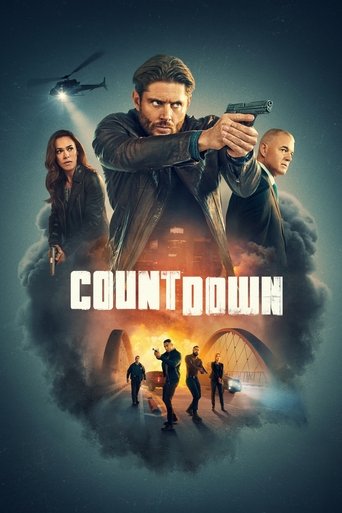
Countdown
LAPD detective joins elite task force, LA setting and LAPD keywords match, but action-thriller slant
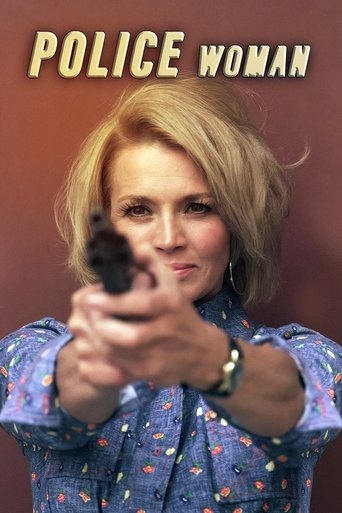
Police Woman
Pioneering female LAPD undercover cop; thematic ancestor but undercover format and 1970s era feel distant
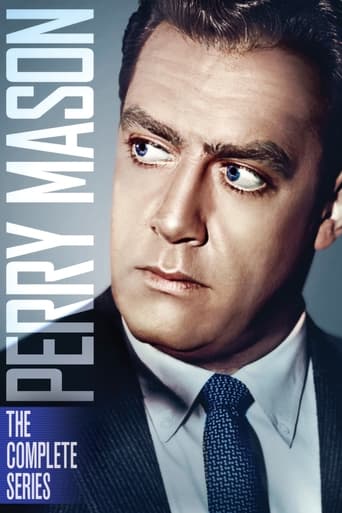
Perry Mason
LA-set crime/legal drama, high ratings, but defense attorney protagonist and black-and-white era differ widely
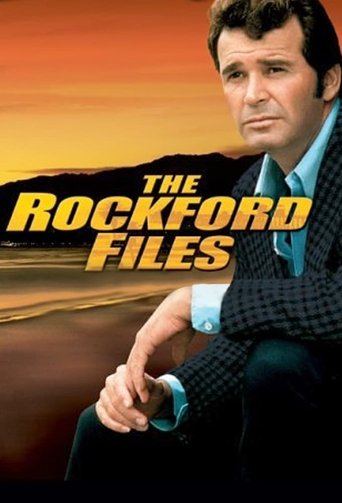
The Rockford Files
Classic LA crime drama, witty anti-hero investigator; tonal and era gap too wide for close similarity
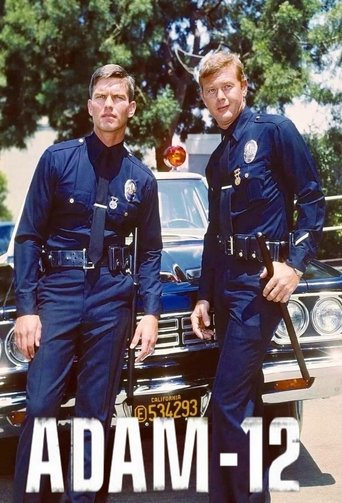
Adam-12
LAPD procedural heritage, but patrol-level street drama vs. elite detective unit; era mismatch
How Good Is The Closer?
Ratings across IMDb and TMDB, plus our verdict.
Where to Watch The Closer
Streaming, rental, and purchase options across 40+ countries.
United States
USStream
2 Netflix
 Netflix Standard with Ads
Buy
5 Amazon Video
 Fandango At Home
 Apple TV Store
 Amazon DVD / Blu-ray
 GRUV
GRUVAvailable in 40 countries
Frequently asked about The Closer
Common questions people search for, with answers written by us at MoviesPack.
Why does Brenda Leigh Johnson rely so heavily on interrogation rather than forensic evidence?
Brenda's approach stems from her background in the CIA and her belief that the truth is most efficiently extracted through psychological pressure and manipulation of a suspect's own words. She views the interrogation room as a controlled environment where she holds the advantage, and her exceptional skill at reading people allows her to exploit inconsistencies and emotional vulnerabilities. This philosophy sometimes puts her at odds with colleagues who prefer evidence-first investigations, but her closure rate validates the method.
What is the significance of Brenda's complicated relationship with her Southern roots throughout the series?
Brenda's Georgia accent and Southern manners are deliberately weaponized — she uses the cultural expectation of a polite, non-threatening Southern woman to disarm suspects and witnesses who underestimate her. At the same time, the series explores genuine tension between her upbringing and her uncompromising career ambitions, which strained her early relationships and contributed to her professional transience before landing in Los Angeles. Her parents' visits to LA frequently expose the gap between who she is professionally and the daughter they raised.
How does the Phillip Stroh storyline function as an overarching threat across the later seasons?
Phillip Stroh is introduced as a defense attorney who is himself a serial predator, and his repeated escapes from legal consequences expose the limits of Brenda's interrogation-driven methods — she can close cases, but procedural violations she orchestrates allow Stroh to walk free. He becomes a direct personal threat to Brenda in the final season, culminating in a confrontation that forces her to act outside the law in a way the series frames as morally ambiguous rather than triumphant. The Stroh thread is deliberately left unresolved in The Closer, carrying over into the spinoff Major Crimes.
Why does Brenda ultimately leave the LAPD at the end of the series?
Brenda's departure is precipitated by a civil lawsuit brought by the family of a murder suspect who was killed after she deliberately allowed his identity to leak to a gang seeking revenge — a moral compromise she made to close a case involving the deaths of several children. The lawsuit and the internal investigation that follows make her position in the LAPD untenable, and she accepts a position as a federal prosecutor in Washington DC rather than face the institutional fallout. The ending deliberately refuses to exonerate her, leaving viewers to weigh her career-long ends-justify-means logic against this specific consequence.
What drives the recurring friction between Brenda and Deputy Chief Will Pope?
Brenda and Pope have a prior romantic history that predates the series, and Pope was instrumental in bringing her to Los Angeles, which creates a power imbalance that both characters navigate uneasily throughout the show. Pope frequently shields Brenda from political consequences she creates through her reckless interrogation tactics, partly out of lingering personal loyalty and partly because her closure rate protects his own career. As the series progresses, his protectiveness shifts toward genuine frustration as her moral compromises become harder to contain.