Shows Like Cold Case
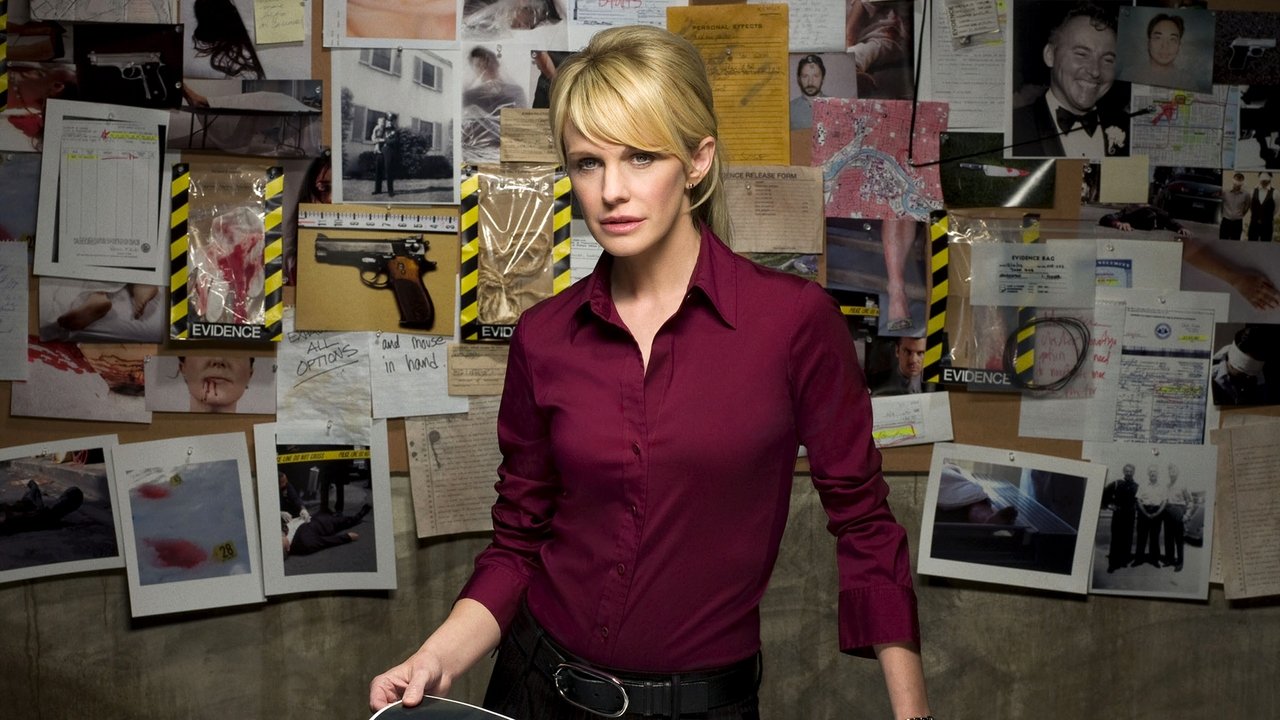
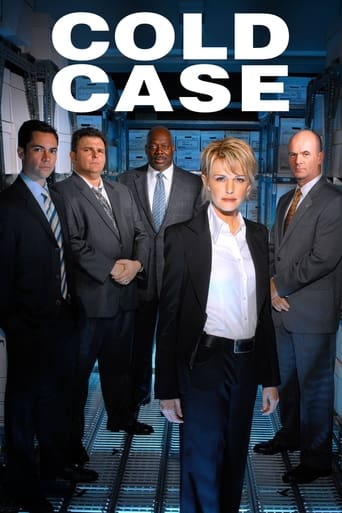
The Philadelphia homicide squad's lone female detective finds her calling when she is assigned cases that have never been solved. Detective Lilly Rush combines her natural instincts with the updated technology available today to bring about justice for all the victims she can.
Ranked by shared creators, cast, themes, genre, and network — not just generic recommendations.
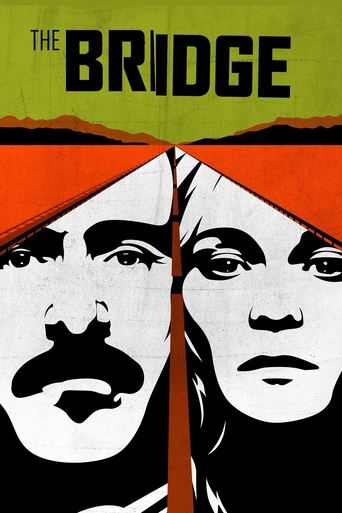
The Bridge
Created by Meredith Stiehm (same showrunner as Cold Case); female detective lead, serious crime procedural tone.
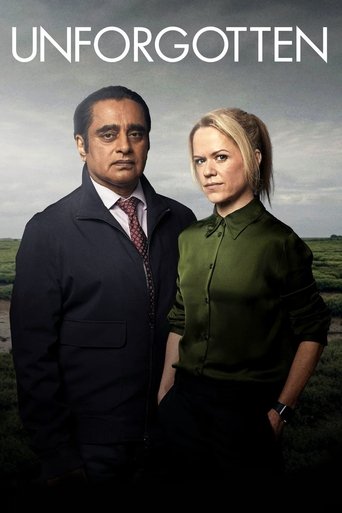
Unforgotten
Identical premise: detectives reopen historic cold cases; same contemplative tone, strong character work around victims.
Waking the Dead
Cold-case squad applies modern forensics to old crimes; same niche, same serialized-case structure, same era audience.
Prime Suspect
Pioneering female detective in male-dominated homicide; serious, character-driven crime drama; direct spiritual ancestor.

The Closer
Female detective lead running a specialized homicide unit; same CBS/cable network procedural tone and audience.
Vera
Brilliant, unconventional female detective solving murder cases; serious crime drama, strong victim empathy.
Marcella
Female detective returning to homicide squad; dark, serious tone; comparable lead performance and emotional weight.
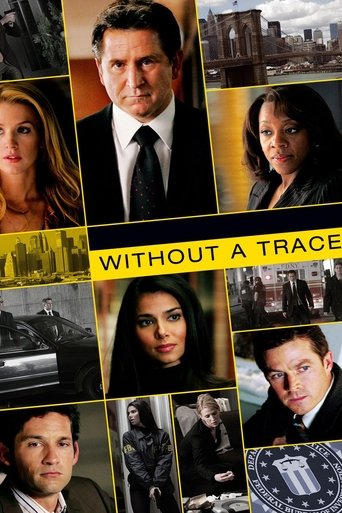
Without a Trace
CBS procedural (same network/era), team investigates cold/missing-person cases; near-identical audience overlap with Cold Case.
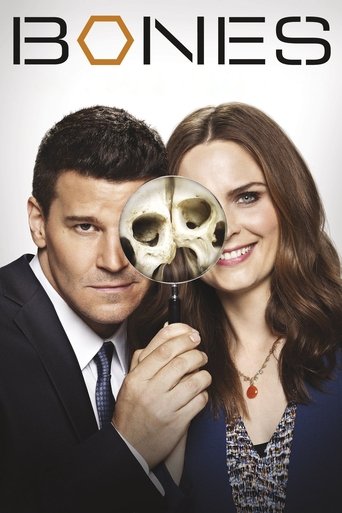
Bones
Female forensic specialist + FBI detective solve cold/murder cases; same broadcast-procedural audience, victim-centred storytelling.

Rizzoli & Isles
Female homicide detective lead, network procedural format, similar audience; lighter tone and comedic edge separates it from Cold Case.
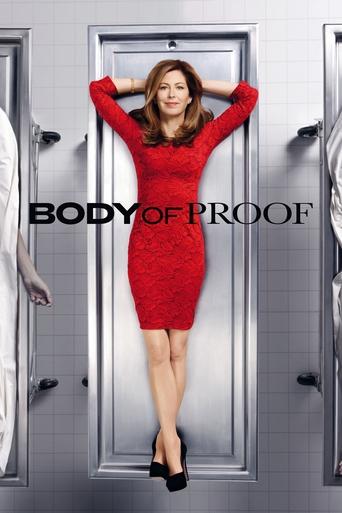
Body of Proof
Philadelphia setting, female professional lead in a crime procedural; same CBS-era network audience even if medical-examiner framing differs.

Unforgettable
Female detective with exceptional memory solving homicide cases; same broadcast procedural mould, similar viewer base.
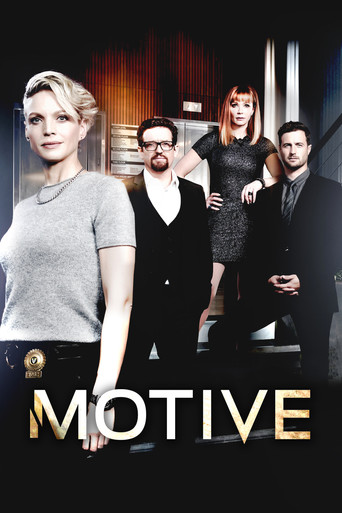
Motive
Female homicide detective lead, weekly case format, serious tone; genre-adjacent though killer-first structure differs.
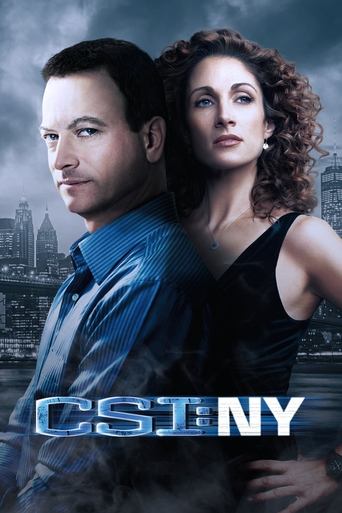
CSI: NY
Same CBS procedural era/audience; forensics-heavy murder investigations, though ensemble-led without a singular female detective focus.
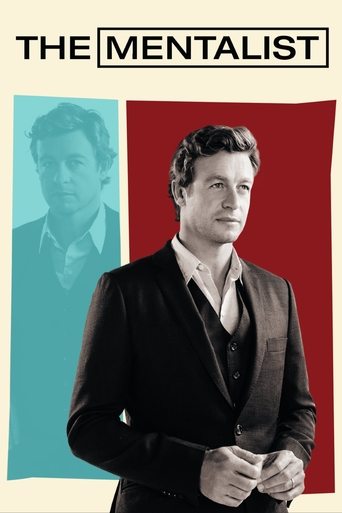
The Mentalist
CBS procedural from the same era; crime-solving via keen observation and empathy for victims, overlapping Cold Case audience.
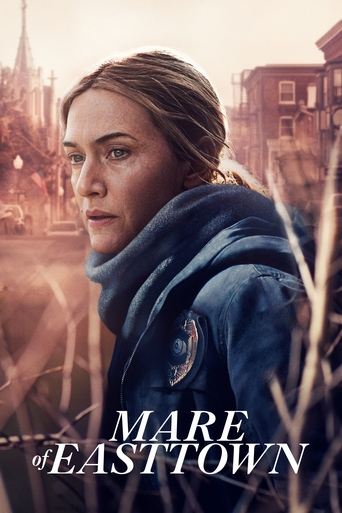
Mare of Easttown
Pennsylvania female detective, victim empathy, strong character depth; but prestige limited-series format differs from network procedural.
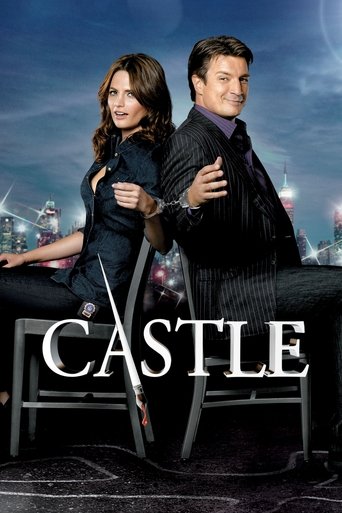
Castle
Female homicide detective lead, same network procedural audience; lighter comedy-crime tone is a significant departure from Cold Case's drama.
The Mysteries of Laura
Female detective procedural, overlapping audience; comedic domestic framing makes it tonally lighter than Cold Case.
Midsomer Murders
Long-running crime procedural with loyal audience overlap; cozy British tone and male lead are very different from Cold Case.

How to Get Away with Murder
Philadelphia setting and crime/mystery genre shared; but legal-thriller framing and serialized soap structure diverge from Cold Case.
How Good Is Cold Case?
Ratings across IMDb and TMDB, plus our verdict.
Where to Watch Cold Case
Streaming, rental, and purchase options across 40+ countries.
United States
USStream
1 YouTube TV
Free with Ads
2 The Roku Channel
 Amazon MX Player
Buy
1 Amazon Video
Available in 107 countries
Frequently asked about Cold Case
Common questions people search for, with answers written by us at MoviesPack.
Why does Detective Lilly Rush specialize in cold cases and what drives her obsession with solving them?
Lilly Rush is drawn to cold cases because she feels a deep moral obligation to victims who were forgotten or failed by the justice system the first time around. Her own difficult childhood — marked by an absent, alcoholic mother — gives her a personal identification with people who were overlooked or dismissed. Solving old cases is her way of restoring dignity to victims and proving that no one should simply be left behind.
What is the significance of the ghostly apparitions that appear to Lilly at the end of each episode?
At the close of nearly every episode, after the case is solved, Lilly briefly sees the spirit or vision of the victim at peace — often smiling or simply walking away. These apparitions are a stylistic device representing the victim finally finding rest and justice after years of being forgotten. The show treats them as symbolic rather than supernatural, underscoring the emotional catharsis of closure for both the detective and the audience.
How does the show handle the portrayal of the original detectives who failed to solve the cases years earlier?
The original investigators are portrayed with nuance rather than as straightforward villains — some were hampered by the investigative limitations and social prejudices of their era, while others genuinely missed key evidence or made honest mistakes. A smaller number are depicted as having deliberately buried cases due to corruption, racism, or personal conflicts of interest. The show consistently uses flashbacks to contrast past investigative blind spots with the fresh perspective Lilly's team brings decades later.
What happened to Lilly Rush in the Season 7 finale and was the storyline ever resolved?
In the series finale Lilly is shot and nearly killed by Joseph Fitch, a criminal she had been pursuing, and is seen sinking underwater in a visually ambiguous sequence. The episode ends without a definitive on-screen confirmation that she survives, though the imagery and context strongly imply she lives. CBS cancelled the show before a planned Season 8 could resolve the cliffhanger, leaving her fate officially open-ended, though show creator Meredith Stiehm later confirmed the intention was always for Lilly to survive.
How does the show use music from the era of each case, and what narrative purpose does it serve?
Each episode is scored almost entirely with period-accurate songs from the year the original crime occurred, replacing a traditional underscore with tracks that place viewers inside the emotional and cultural world of the victim. As the case transitions from past to present, the music shifts accordingly, making the soundtrack a storytelling tool that signals which timeline the audience is in. The final resolution of each case is typically underscored by a song that reflects the victim's inner life, reinforcing the show's theme of restoring individual humanity to people reduced to unsolved files.
Recent Updates
New Trailer: Wet Hot American Summer