Movies Like The Prince of Egypt
The strong bond between two Royal Egyptian brothers is challenged when their chosen responsibilities set them at odds, with extraordinary consequences.
Ranked by shared directors, cast, themes, genre, and era — not just generic recommendations.
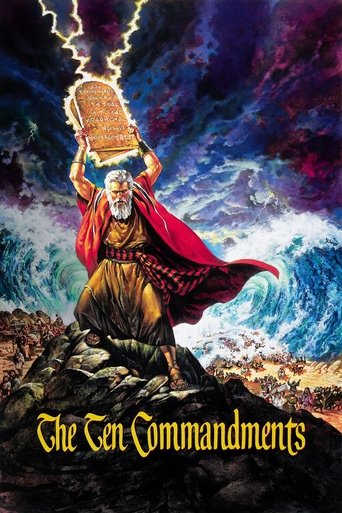
The Ten Commandments
Same Moses/Exodus story — the definitive live-action telling of the exact narrative.
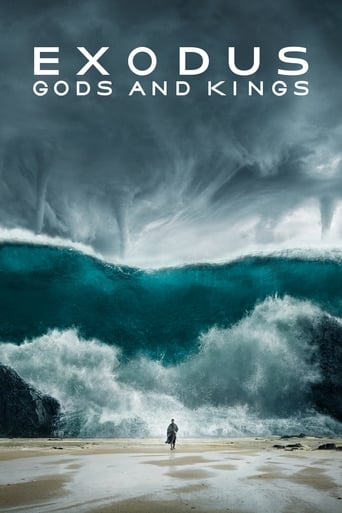
Exodus: Gods and Kings
Modern retelling of Moses vs. Ramses — same source story, different tone.

Joseph: King of Dreams
DreamWorks' direct animated companion piece — same studio, same biblical-Egypt setting, same musical-drama style.
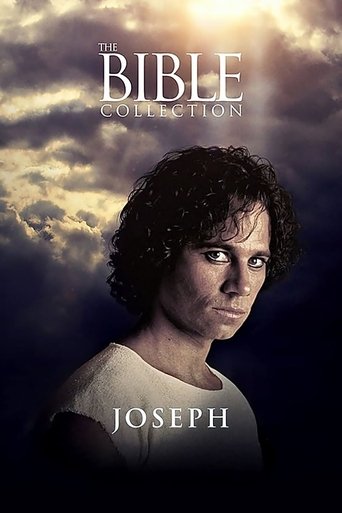
Joseph
Old Testament epic set in ancient Egypt with similar themes of brotherhood, slavery, and divine destiny.

Joseph and the Amazing Technicolor Dreamcoat
Biblical musical about Joseph in Egypt — closely matches the musical/scriptural format.

Ben-Hur
Sweeping biblical-era epic about brothers turned rivals against an empire — same grand scale and faith themes.
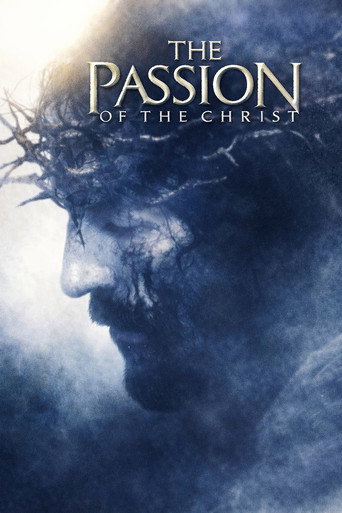
The Passion of the Christ
Major biblical drama with comparable reverent tone and scriptural fidelity.
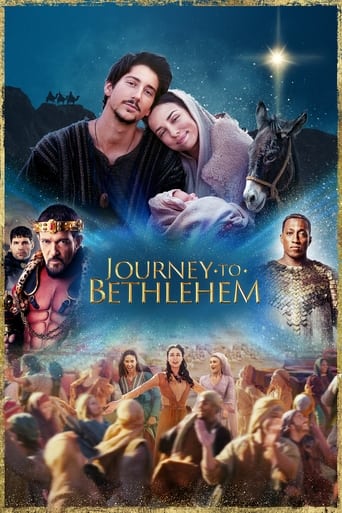
Journey to Bethlehem
Biblical musical drama in the same family-faith lane.
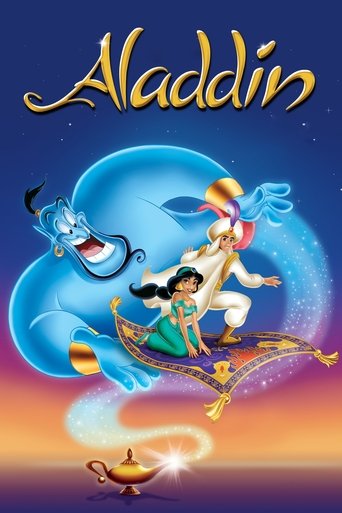
Aladdin
Classic 90s animated musical set in an ancient Middle Eastern kingdom — closest Disney analogue in style and era.

Hacksaw Ridge
Faith-driven historical drama about a man called by conviction to defy power — overlapping themes of conscience and divine purpose.
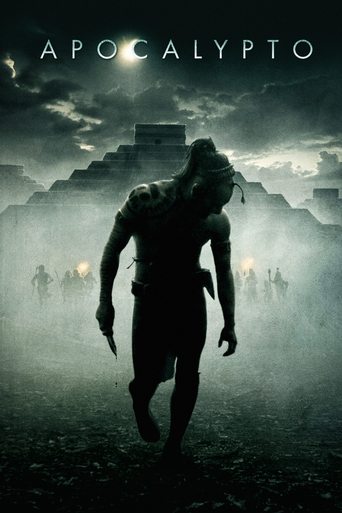
Apocalypto
Visceral ancient-civilization epic about escape from oppression — similar scope and intensity, different culture.
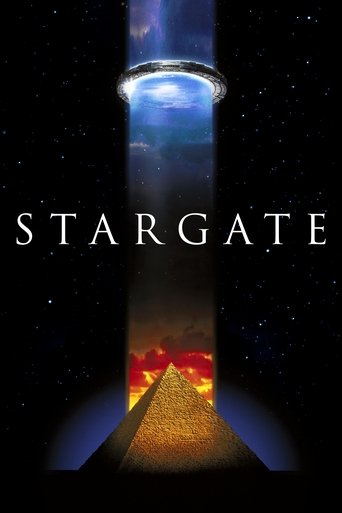
Stargate
Ancient Egypt iconography, pyramids, and Ra mythology recast as adventure — overlapping aesthetic.

The Mummy
Same era of release with Egypt setting — adventure tone differs but shares the visual mythology.
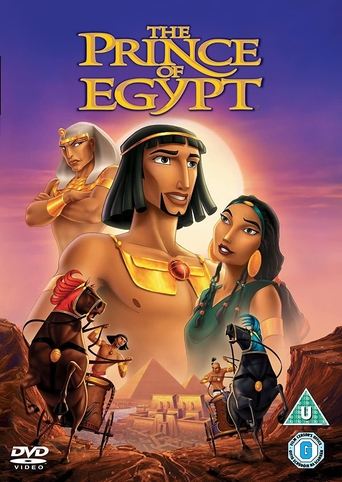
The Prince of Egypt: From Dream to Screen
Behind-the-scenes documentary of the source film itself — for fans wanting to go deeper.

Tangled
Animated musical adventure with sweeping score and royal coming-of-age arc.

Frozen
Big animated musical centered on a sibling bond strained by destiny — emotional throughline echoes Moses/Ramses.

Coco
Heartfelt animated musical about identity, family, and heritage — comparable emotional weight.
How Good Is The Prince of Egypt?
Ratings across IMDb, Rotten Tomatoes, Metacritic, and TMDB, plus our verdict.
Where to Watch The Prince of Egypt
Streaming, rental, and purchase options across 40+ countries.
United States
USStream
2 Netflix
 Netflix Standard with Ads
Rent
3 Amazon Video
 Apple TV Store
 Fandango At Home
Buy
5Amazon Video Amazon DVD / Blu-rayApple TV StoreFandango At Home
 Barnes & Noble
Available in 96 countries
Frequently asked about The Prince of Egypt
Common questions people search for, with answers written by us at MoviesPack.
Why does Moses flee Egypt after killing the overseer?
Moses kills an Egyptian overseer who is brutally beating a Hebrew slave. When Pharaoh Seti learns of the act, Moses faces execution, and the reality of his Hebrew origins — which he has just discovered from Rameses — collapses the identity he has built as an Egyptian prince. With no place left in the palace and his life in danger, he flees into the desert.
What is the significance of the burning bush scene?
The burning bush is Moses's direct encounter with God, who identifies himself as the God of Abraham, Isaac, and Jacob — the God of Moses's Hebrew ancestors. The bush burns but is not consumed, signifying God's eternal and indestructible nature. Through it, Moses receives his commission to return to Egypt and lead the Israelites to freedom, a calling he initially resists because he feels unworthy and inadequate as a speaker.
Why does Rameses refuse to free the Hebrews even after the plagues devastate Egypt?
Rameses's refusal is rooted in both pride and the weight of legacy: his father Seti warned him that a weak link in their dynasty's chain could bring the whole empire down. Freeing the slaves would mean admitting defeat to his former brother and acknowledging that Moses's God is more powerful than Egypt's gods, which Rameses — as both Pharaoh and living embodiment of divine authority — cannot accept. His hardened resolve is depicted as a tragic flaw that ultimately costs him his son's life.
What happens to the Egyptian firstborn during the final plague, and how is it depicted?
The tenth plague, the death of the firstborn, passes over the Hebrew households marked with lamb's blood on their doorposts but claims the life of every firstborn Egyptian, including Rameses's own son. The film depicts this as a ghostly green mist silently moving through Egypt at night — a visually restrained but devastating sequence that shows the aftermath through Rameses cradling his dead child rather than showing the deaths directly.
How does the film portray the relationship between Moses and Rameses, and does it change the biblical source?
The film invents a close brotherly bond between Moses and Rameses that is not present in the Book of Exodus, where their personal relationship is largely unexplored. This narrative choice makes their conflict the emotional core of the story — framing the Exodus not just as a theological confrontation but as a personal tragedy between two men who loved each other. The filmmakers have acknowledged this was a deliberate dramatic addition to give the story emotional stakes beyond the theological.
Recent Updates
The Prince of Egypt now streaming on Amazon Prime Video with Ads (GB)
The Prince of Egypt now streaming on Amazon Prime Video (GB)
New Trailer: The Prince of Egypt
The Prince of Egypt now streaming on Sooner (FR)
The Prince of Egypt now streaming on Pathé Home (FR)