Movies Like Pulp Fiction
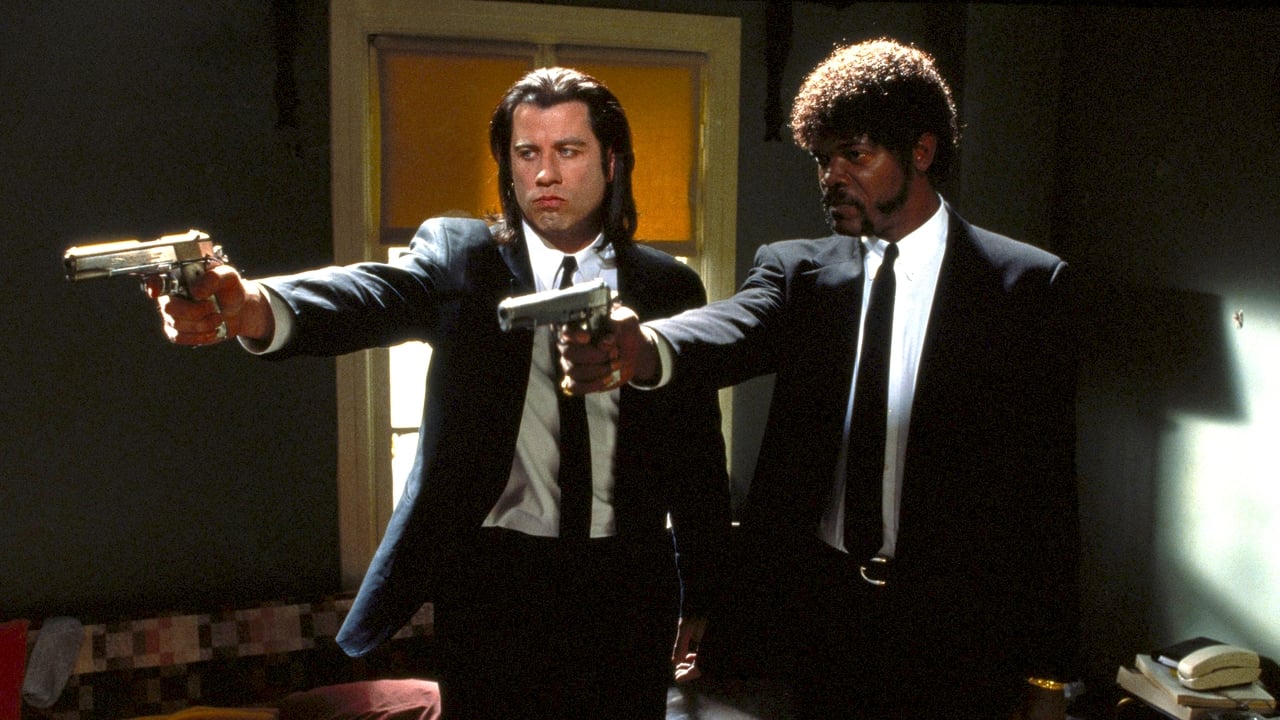
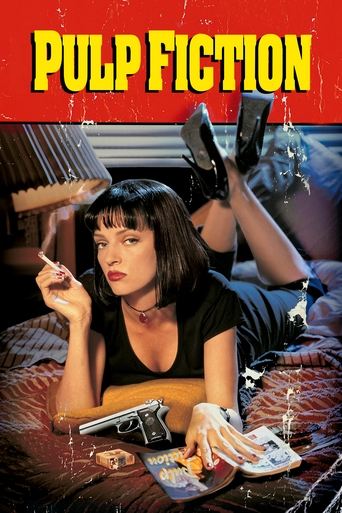
A burger-loving hit man, his philosophical partner, a drug-addled gangster's moll and a washed-up boxer converge in this sprawling, comedic crime caper. Their adventures unfurl in three stories that ingeniously trip back and forth in time.
Ranked by shared directors, cast, themes, genre, and era — not just generic recommendations.
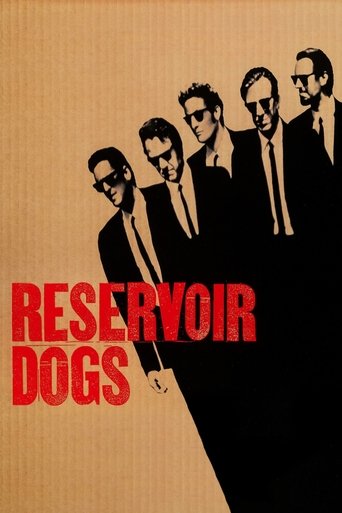
Reservoir Dogs
Tarantino debut: same director, DP, cast (Keitel/Roth), nonlinear crime with dark humor and stylized dialogue
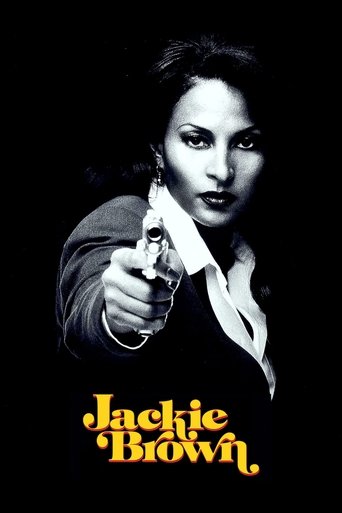
Jackie Brown
Tarantino's neo-noir follow-up; same LA setting, Samuel L. Jackson, crime caper tone and sharp dialogue
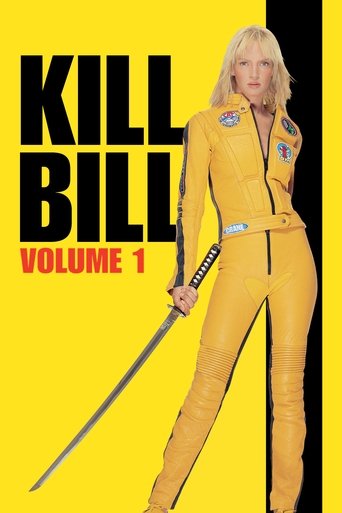
Kill Bill: Vol. 1
Tarantino/Uma Thurman reunion; chapter-based nonlinear structure, stylized violence, same auteur sensibility
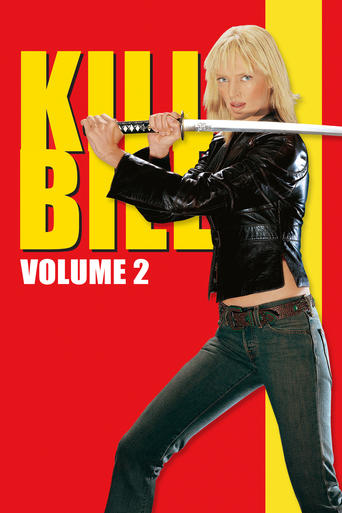
Kill Bill: Vol. 2
Tarantino continuation with Uma Thurman; dialogue-heavy counterpart to Vol. 1, same universe and craft
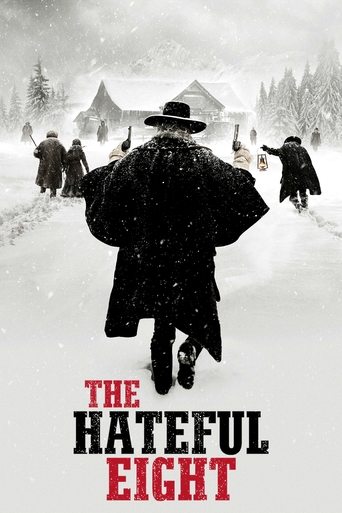
The Hateful Eight
Tarantino ensemble with Samuel L. Jackson and Tim Roth; chapter structure, tension-through-talk, dark humor

GoodFellas
Scorsese crime masterpiece: nonlinear narration, dark humor woven into violence, ensemble mob story
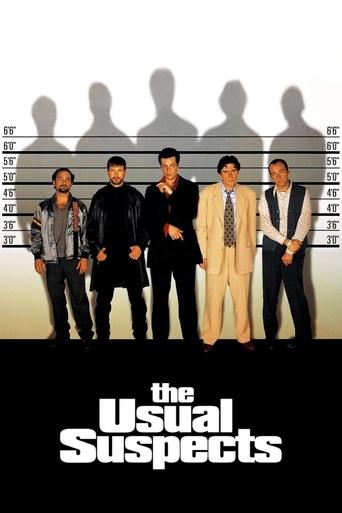
The Usual Suspects
Neo-noir crime thriller with nonlinear unreliable narration, ensemble cast, LA setting and criminal mastermind
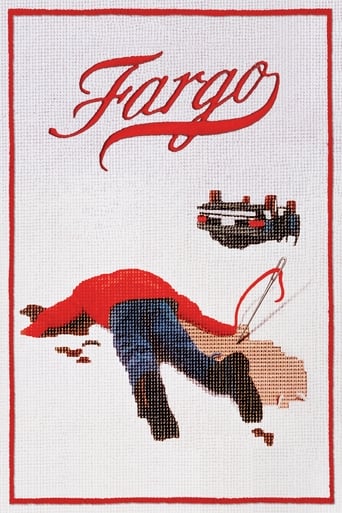
Fargo
Coen Brothers crime dark comedy: absurdist violence, quirky characters, literary neo-noir — spiritual twin

The Big Lebowski
Coen Brothers: crime comedy with LA setting, memorable ensemble, rambling philosophical dialogue, cult tone
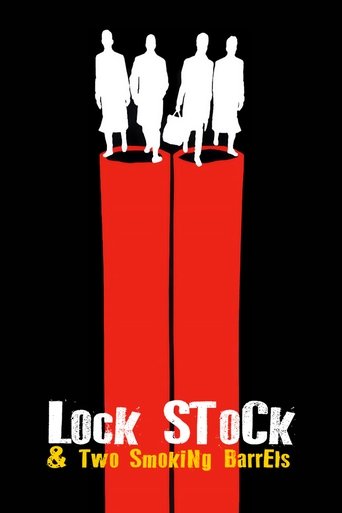
Lock, Stock and Two Smoking Barrels
Crime comedy ensemble with interlocking storylines, stylized violence, sharp wit — direct Pulp Fiction heir
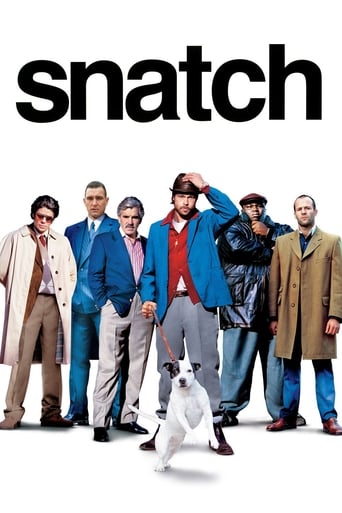
Snatch
Guy Ritchie: nonlinear crime comedy ensemble, overlapping heist plots, same irreverent energy
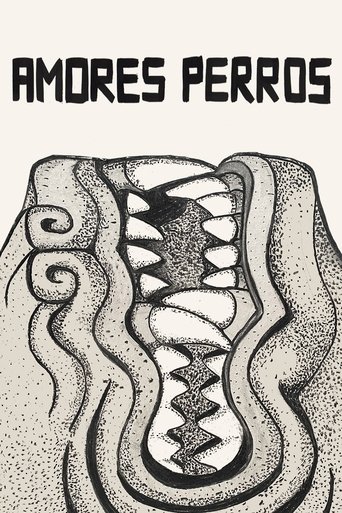
Amores Perros
Multiple intersecting storylines, violent crime underpinning, same nonlinear-anthology narrative DNA
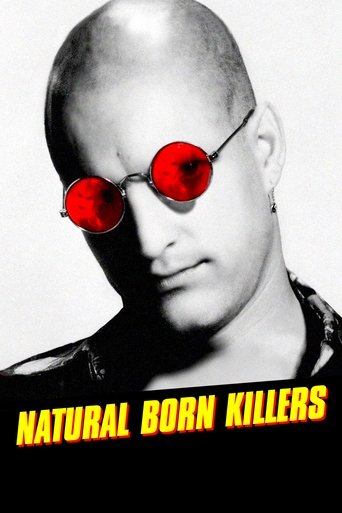
Natural Born Killers
Crime/satire from same 1994 wave; Tarantino wrote the story; stylized violence and pop-culture provocation
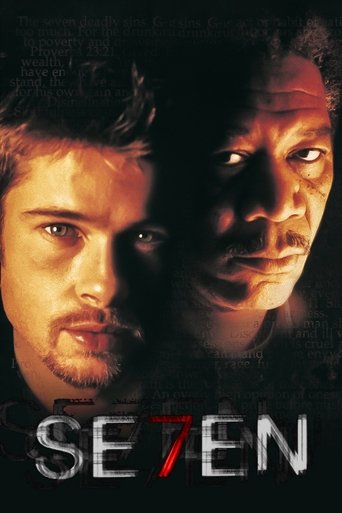
Se7en
Mid-90s dark crime thriller with philosophical undercurrent, shocking violence, literary ambition
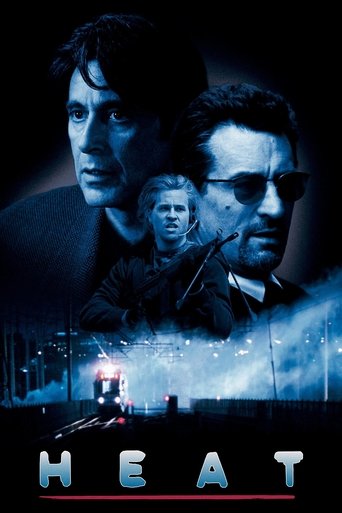
Heat
LA crime epic with meticulous ensemble craft; shares audience with Pulp Fiction's crime/thriller fans
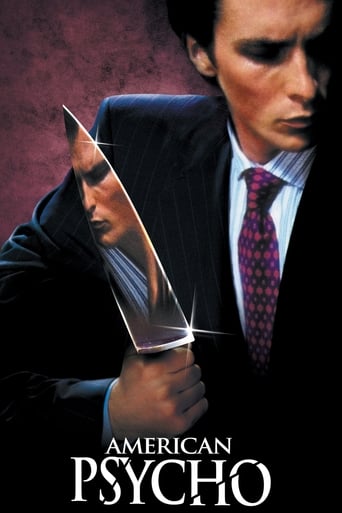
American Psycho
Dark crime satire with same DP (Sekula); sharp wit alongside graphic violence, character-study noir
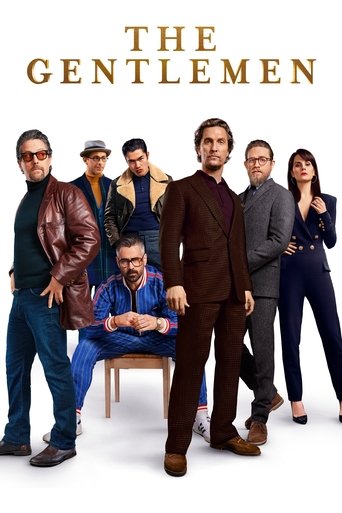
The Gentlemen
Modern crime comedy ensemble with Guy Ritchie's Tarantino-influenced style; sharp dialogue, schemes
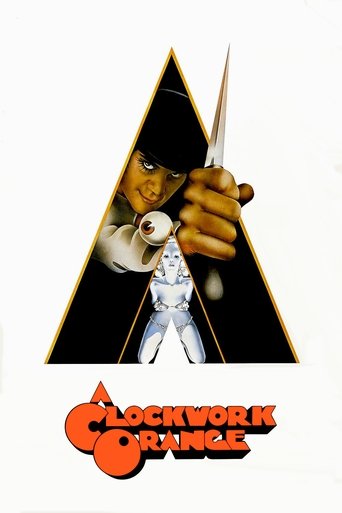
A Clockwork Orange
Crime/dark satire classic; extreme stylized violence paired with wit — canonical Pulp Fiction reference point
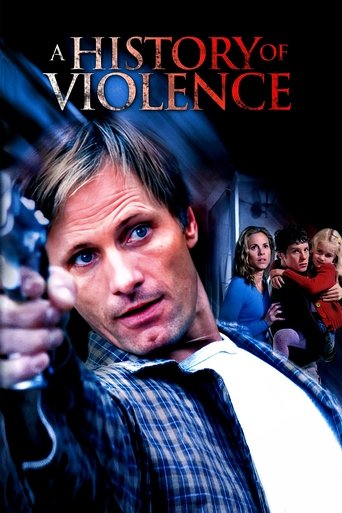
A History of Violence
Crime thriller deconstructing violence and identity; literary tone and sudden brutal set-pieces
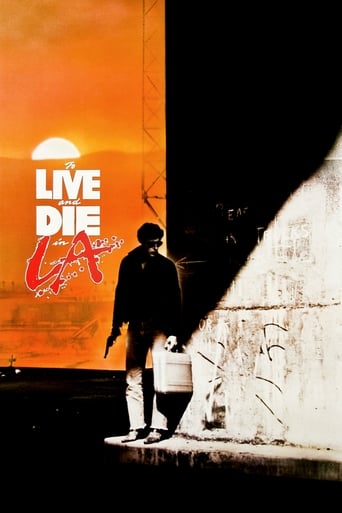
To Live and Die in L.A.
Stylish LA neo-noir crime thriller; kinetic energy and moral ambiguity anticipate Tarantino's aesthetic
How Good Is Pulp Fiction?
Ratings across IMDb, Rotten Tomatoes, Metacritic, and TMDB, plus our verdict.
Where to Watch Pulp Fiction
Streaming, rental, and purchase options across 40+ countries.
United States
USStream
8 Amazon Prime Video
 fuboTV
 Paramount Plus Premium
 Paramount Plus Essential
 Paramount+ Amazon Channel
 YouTube TV
 Paramount+ Roku Premium Channel
 Amazon Prime Video with Ads
Rent
4 Amazon Video
 Apple TV Store
 Fandango At Home
 Spectrum On Demand
Buy
5 Amazon DVD / Blu-rayAmazon VideoApple TV StoreFandango At Home
 Barnes & Noble
Available in 62 countries
Frequently asked about Pulp Fiction
Common questions people search for, with answers written by us at MoviesPack.
Why is Pulp Fiction so famous?
Pulp Fiction is famous for its non-linear storytelling, sharp dialogue, and genre-blending mix of crime, dark comedy, and pop-culture references. Released in 1994, it revitalized John Travolta's career, cemented Quentin Tarantino as a major filmmaker, and is widely credited with reshaping American independent cinema.
How many Oscars did the movie Pulp Fiction win?
Pulp Fiction won one Academy Award, for Best Original Screenplay, shared by Quentin Tarantino and Roger Avary. It was nominated for seven Oscars in total, including Best Picture, Best Director, and three acting nominations.
What is the movie Pulp Fiction actually about?
Pulp Fiction interweaves several Los Angeles crime stories involving two hitmen, a gangster's wife, and a boxer who refuses to throw a fight. The film tells these stories out of chronological order, exploring themes of violence, redemption, and chance.
Was Johnny Depp in Pulp Fiction?
No, Johnny Depp was not in Pulp Fiction. The main cast includes John Travolta, Samuel L. Jackson, Uma Thurman, Bruce Willis, Ving Rhames, and Harvey Keitel.
What is inside the briefcase that Vincent and Jules retrieve for Marsellus Wallace?
The film deliberately never reveals what is inside the briefcase. The glowing contents are a classic MacGuffin — a plot device whose specific identity is irrelevant to the story. The combination lock is set to 666 and the case belongs to Marsellus, which has led to widespread fan speculation ranging from diamonds to Marsellus's soul, but Tarantino has confirmed it was intentionally left ambiguous.
Why does Jules decide to quit working for Marsellus Wallace after the shooting at Brett's apartment?
Jules interprets the moment when all of Marvin's friend's bullets missed him and Vincent at close range as a divine miracle — an act of God intervening in his life. This experience convinces him that he needs to "walk the earth" and fundamentally change his ways, abandoning his life as a hitman. Vincent dismisses it as a freak occurrence, but Jules is unwilling to interpret it any other way.
Why is the film's timeline presented out of chronological order?
Tarantino structures the film non-linearly to create thematic resonance rather than simple narrative momentum. Ending on the diner scene — which is chronologically earlier than Vincent's death — allows Vincent Vega to remain alive at the close of the film, giving the audience a final image of him at his most human. The structure also connects seemingly unrelated storylines into a unified portrait of the Los Angeles criminal underworld.
What is the significance of the Ezekiel 25:17 speech Jules delivers before executions?
Jules recites a version of Ezekiel 25:17 as a ritualistic prelude to killing — though the passage as spoken is largely Tarantino's invention and only loosely based on the actual biblical text. By the film's end, Jules reinterprets the speech on his own terms: he no longer sees himself as "the tyranny of evil men" but as striving to become "the righteous man." The evolving meaning of the monologue tracks Jules's spiritual transformation across the story.
What happens to Mia Wallace after her overdose, and why does Vincent take her to his dealer instead of a hospital?
After Mia accidentally snorts Vincent's heroin thinking it is cocaine, Vincent panics and drives her to his drug dealer Lance's house rather than a hospital because he fears Marsellus Wallace's reaction to knowing she nearly died on his watch. Lance administers an adrenaline shot directly to her heart, reviving her. Mia and Vincent agree by the end of the scene not to tell Marsellus what happened.
Recent Updates
Pulp Fiction now streaming on fuboTV (CA)
Pulp Fiction now streaming on Super Channel Amazon Channel (CA)
New Trailer: Pulp Fiction
Pulp Fiction now streaming on Sooner (FR)
Pulp Fiction now streaming on Pathé Home (FR)