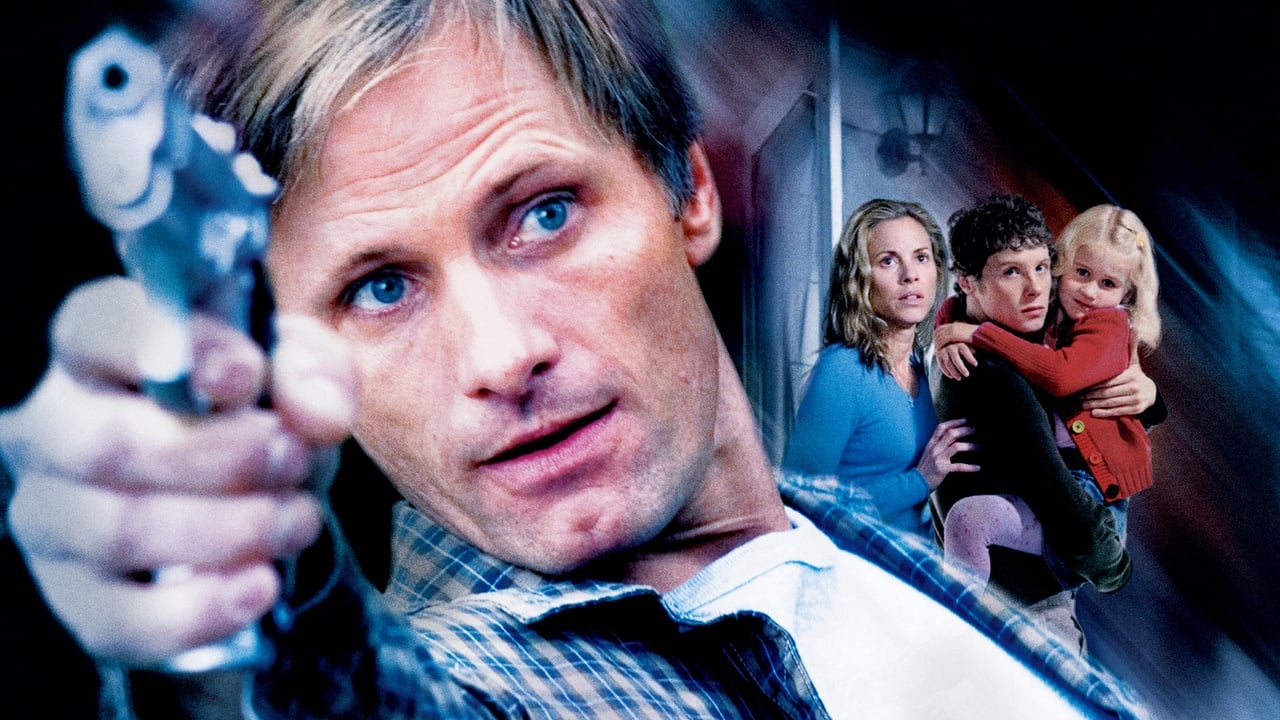
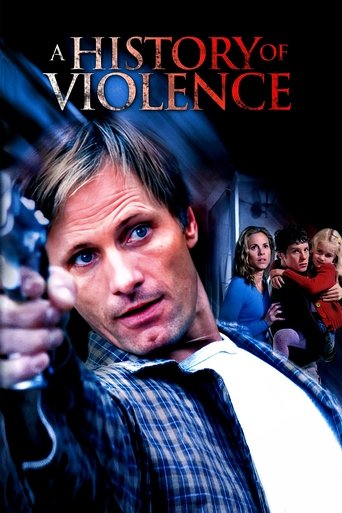
Movies Like A History of Violence
An average family is thrust into the spotlight after the father commits a seemingly self-defense murder at his diner.
Ranked by shared directors, cast, themes, genre, and era — not just generic recommendations.
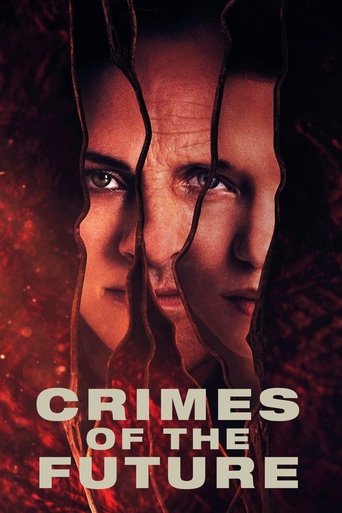
Crimes of the Future
Cronenberg + Viggo Mortensen reunited; body-horror thriller with same director's signature transgressive style.
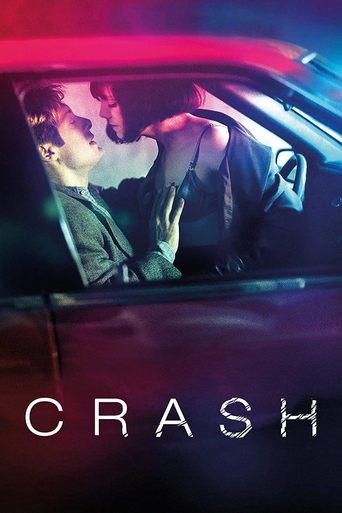
Crash
David Cronenberg directing, shares Peter MacNeill in cast, same DP Suschitzky; transgressive thriller about hidden desires beneath normalcy.
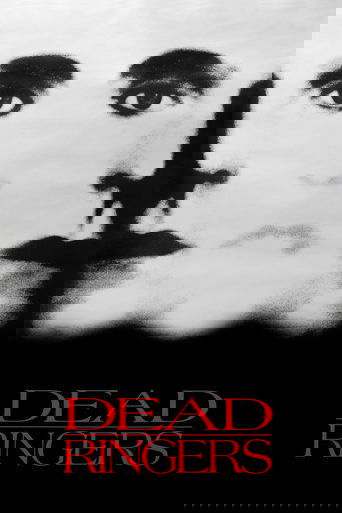
Dead Ringers
Cronenberg directing, same DP; explores dual identity and hidden darkness beneath respectable surface — core AHoV theme.
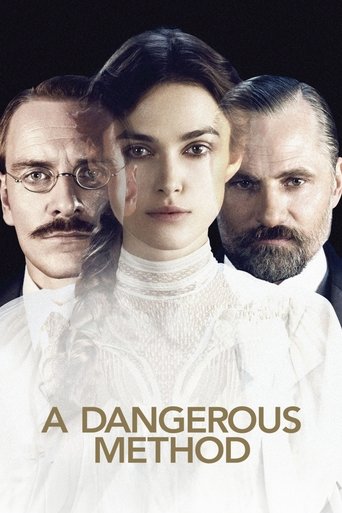
A Dangerous Method
Cronenberg + Viggo Mortensen; cerebral drama about repressed identity and violent impulses breaking through civilized veneer.
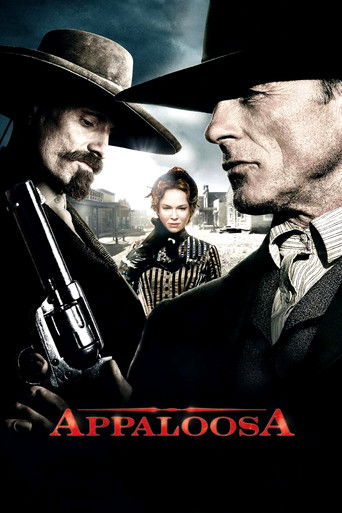
Appaloosa
Viggo Mortensen + Ed Harris together on screen; story of men defined by violence maintaining order in a lawless small community.
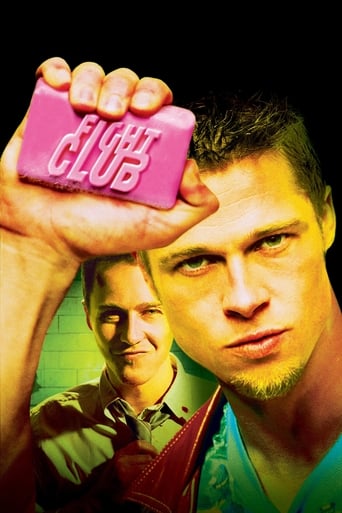
Fight Club
Dual identity and violent alter-ego shattering a suburban man's constructed life; thematic mirror of AHoV.
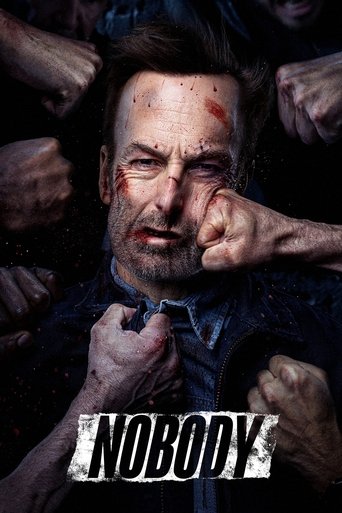
Nobody
Suburban family man with a violent past resurfaces when his home is threatened; near-identical premise and tone to AHoV.
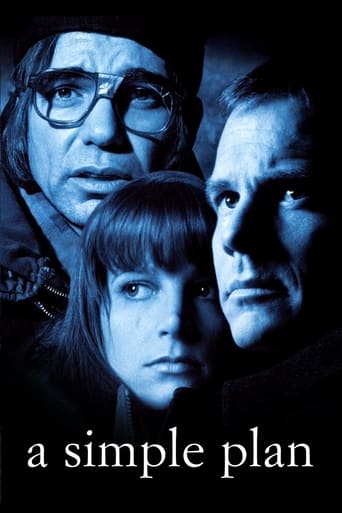
A Simple Plan
Ordinary small-town man drawn into crime and violence that unravels his normal life; same rural-America disruption of identity.
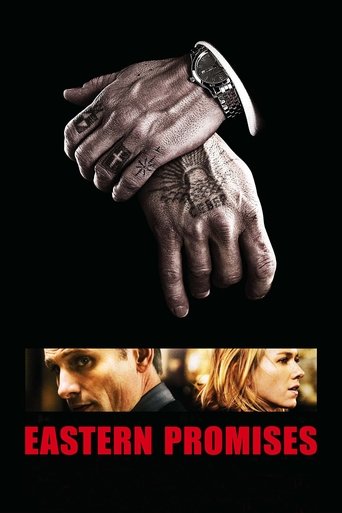
Eastern Promises
Cronenberg directing Viggo Mortensen as a man with a hidden criminal identity inside organized crime — a spiritual sequel to AHoV.
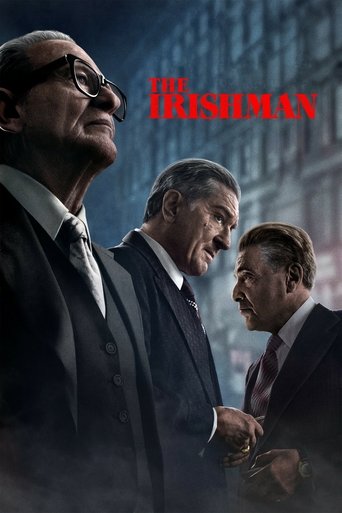
The Irishman
Irish mob, family relationships, and a man whose violent past consumes his domestic life; thematically resonant.
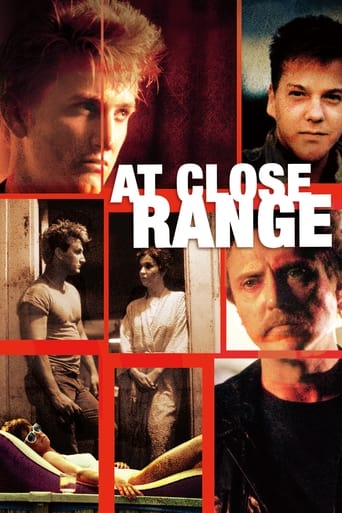
At Close Range
Rural Pennsylvania crime family, organized crime threatening domestic life; dark tone matches AHoV's small-town violence.
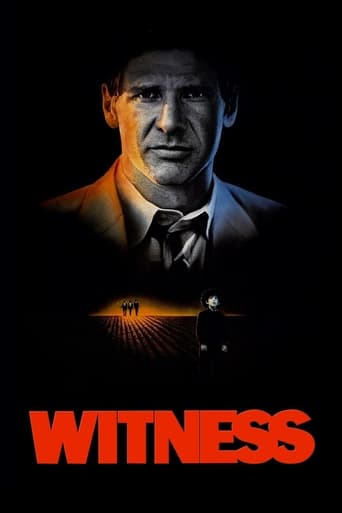
Witness
Philadelphia-area small-town thriller where violence intrudes on peaceful community; similar outsider-danger-in-rural-America tension.
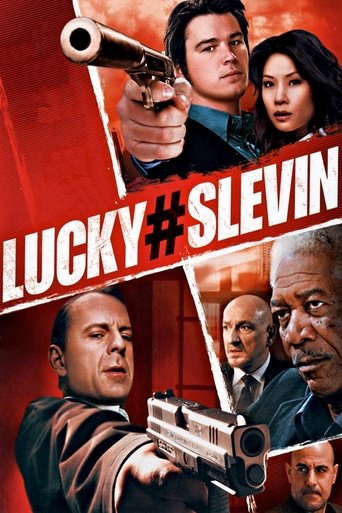
Lucky Number Slevin
Mistaken identity pulls an ordinary man into mob violence; shares AHoV's crime-noir identity-disruption DNA.
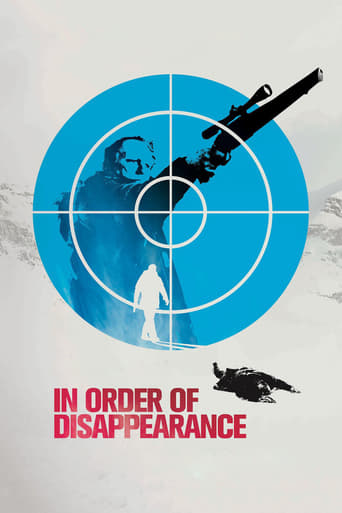
In Order of Disappearance
Upstanding citizen with hidden capacity for violence takes on organized crime to avenge family; direct thematic parallel.
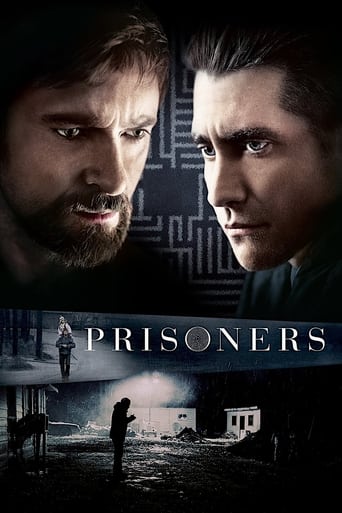
Prisoners
Decent family man in small-town America crosses moral lines into brutal violence; same quiet-to-savage masculine arc.
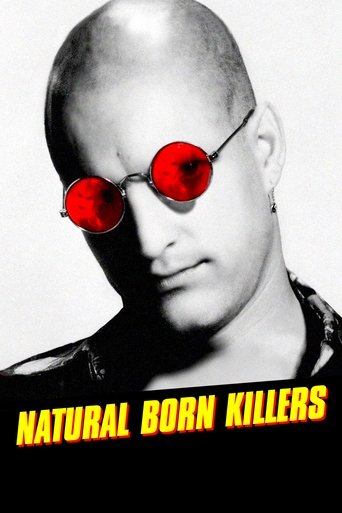
Natural Born Killers
Provocative American meditation on violence as identity; shares AHoV's thesis about violence embedded in the national character.
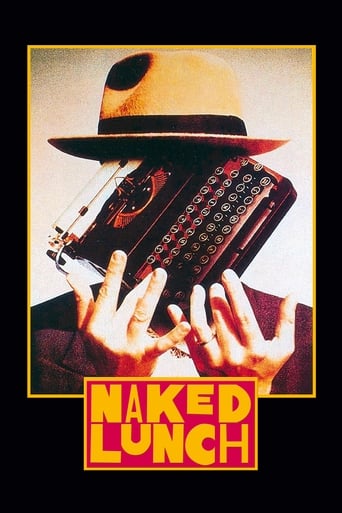
Naked Lunch
Cronenberg directing; surreal identity dissolution — same auteur but very different tone and genre.
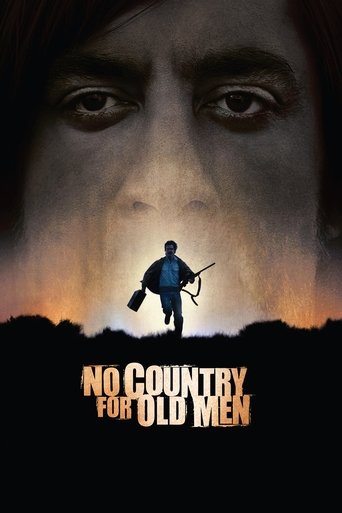
No Country for Old Men
Small-town American violence erupting into ordinary lives; fatalistic crime-thriller exploring violent men and moral collapse.
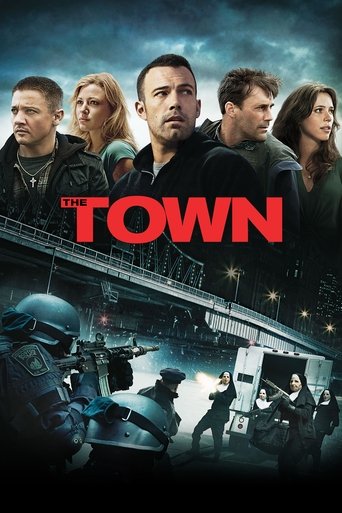
The Town
Crime drama about a man trying to leave behind a violent Irish-mob past while protecting domestic life.
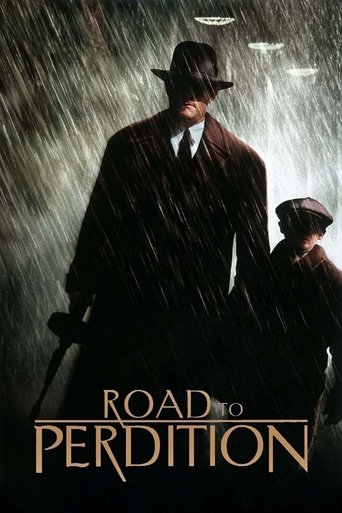
Road to Perdition
Mob enforcer's past violence destroys his family; fatherhood, identity, and organized crime in period American setting.
How Good Is A History of Violence?
Ratings across IMDb, Rotten Tomatoes, Metacritic, and TMDB, plus our verdict.
Where to Watch A History of Violence
Streaming, rental, and purchase options across 40+ countries.
United States
USStream
4 HBO Max Amazon Channel
 Cinemax Amazon Channel
 HBO Max
 Cinemax Apple TV channel
Rent
4 Spectrum On Demand
 Amazon Video
 Apple TV Store
 Fandango At Home
Buy
5Amazon VideoApple TV StoreFandango At Home Amazon DVD / Blu-ray
 Barnes & Noble
Available in 83 countries
Frequently asked about A History of Violence
Common questions people search for, with answers written by us at MoviesPack.
Is History of violence worth watching?
A History of Violence (2005) holds a 7.4 audience rating and was nominated for two Academy Awards, including Best Adapted Screenplay for Josh Olson and Best Supporting Actor for William Hurt. David Cronenberg's thriller runs a tight 96 minutes and is frequently cited on critics' best-of-the-decade lists.
What movie took 48 years to film?
Richard Linklater's Boyhood (2014) was filmed over 12 years, not 48. The movie often cited as taking around 48 years to complete is The Other Side of the Wind, an Orson Welles film begun in 1970 and finally released in 2018.
Who is Tom Stall really, and what is his true past?
Tom Stall is actually Joey Cusack, a former Philadelphia mob enforcer who was deeply embedded in organized crime. He left that life behind decades earlier, relocated to small-town Indiana, and built a new identity as a mild-mannered diner owner and family man. His past is forcibly uncovered after he kills two armed robbers in his diner, which brings national media attention and alerts his former criminal associates to his whereabouts.
Why does Carl Fogarty come to Millbrook looking for Tom?
Carl Fogarty, played by Ed Harris, is a Philadelphia mob figure who knew Joey Cusack personally. He carries a disfigured eye that Joey gouged out years before Joey left the criminal life, and he harbors a deep personal vendetta in addition to being sent to retrieve Joey on behalf of mob boss Richie Cusack. Fogarty's arrival is driven as much by a desire for revenge as by any organizational obligation.
What happens when Tom travels to Philadelphia to confront his brother Richie?
Tom visits his brother Richie Cusack, who runs a major crime operation and views Joey's return as a liability — evidence of a past that could expose the family. Richie has arranged for Tom to be killed, but Tom reverts fully to his violent past self and kills Richie's men before fatally shooting Richie. The scene makes explicit that Tom has not simply buried Joey Cusack — that capacity for lethal, calculating violence is still very much alive inside him.
How does Tom's son Jack mirror his father's arc during the film?
Jack begins the film as a passive, non-confrontational teenager who backs down from a bully. After learning his father's true identity, Jack beats the bully viciously at school, suggesting he has inherited — or unlocked — the same violent capability within himself. Cronenberg uses Jack's transformation as a commentary on how violence can be both learned and genetic, questioning whether the Cusack tendency toward brutality is inescapable across generations.
What does the final dinner scene signify?
Tom returns home after killing Richie and silently sits down at the dinner table while his family — who know everything — gradually take their seats around him. No words are spoken and no forgiveness is explicitly offered or denied. Cronenberg leaves the ending deliberately ambiguous: the family's return to the table could represent a fragile reconciliation, or simply the grim acknowledgment that they have no choice but to absorb what Tom is into their domestic life.
Recent Updates
New Trailer: A History of Violence
A History of Violence now streaming on Sooner (FR)
A History of Violence now streaming on ARTE Boutique (FR)
A History of Violence now streaming on Pathé Home (FR)
A History of Violence now streaming on Premiere Max (FR)