Movies Like Princess Mononoke
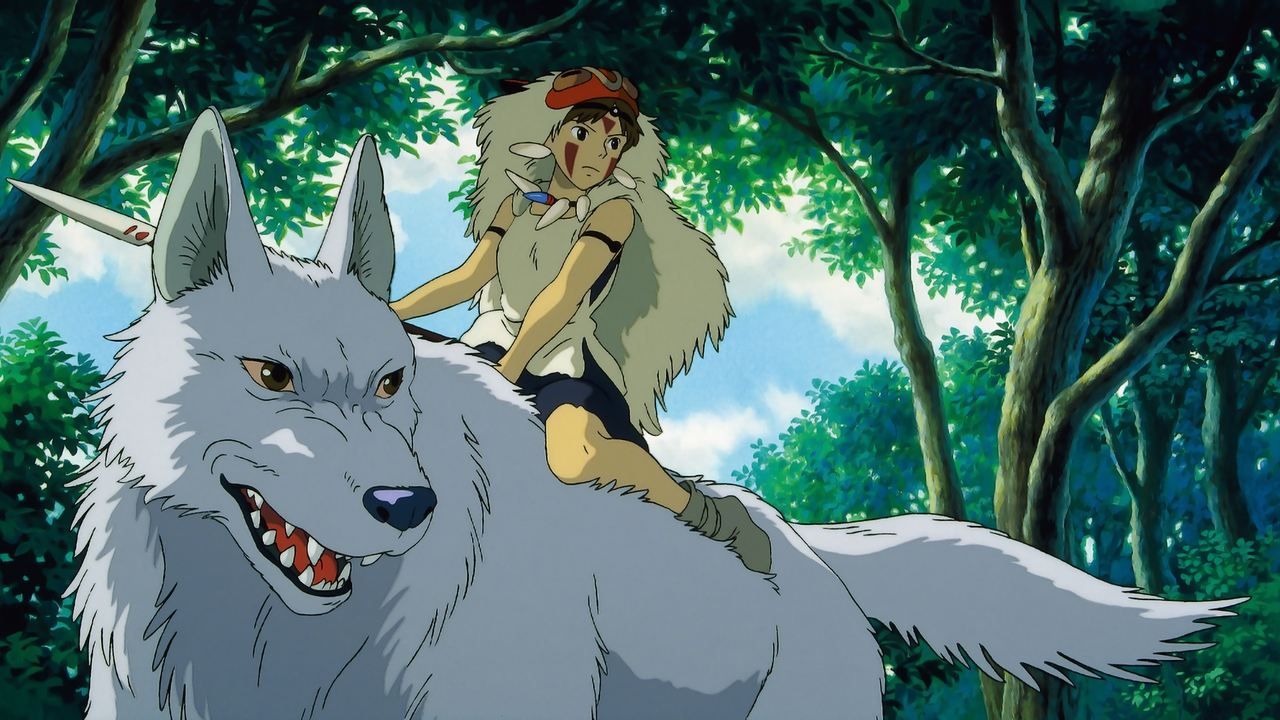
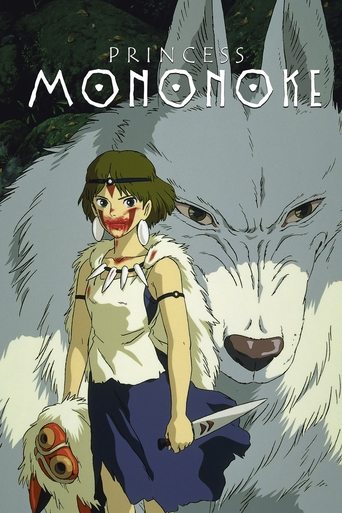
Ashitaka, a prince of the disappearing Emishi people, is cursed by a demonized boar god and must journey to the west to find a cure. Along the way, he encounters San, a young human woman fighting to protect the forest, and Lady Eboshi, who is trying to destroy it. Ashitaka must find a way to bring balance to this conflict.
Ranked by shared directors, cast, themes, genre, and era — not just generic recommendations.
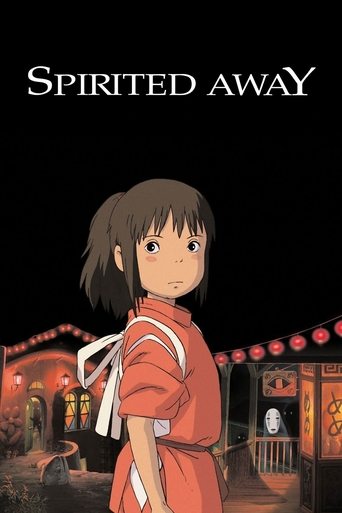
Spirited Away
Same director (Miyazaki), Ghibli flagship; spirit world, courage, and nature themes directly echo Mononoke.
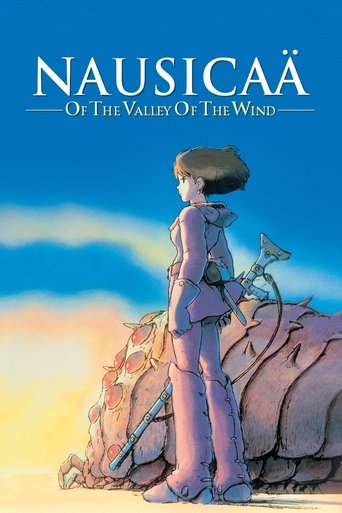
Nausicaä of the Valley of the Wind
Same director; shares human-vs-nature, ecology, giant creatures, and a warrior princess protagonist almost identically.
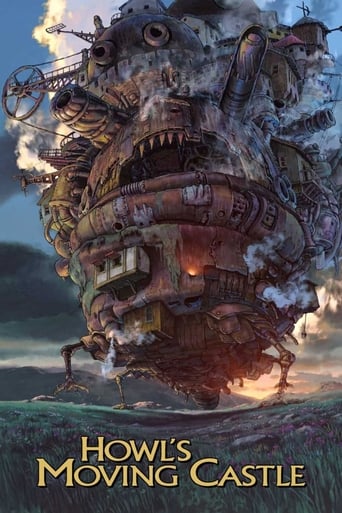
Howl's Moving Castle
Same director, Ghibli; war, nature, strong female lead, spirits, and Miyazaki's anti-war environmentalism throughout.
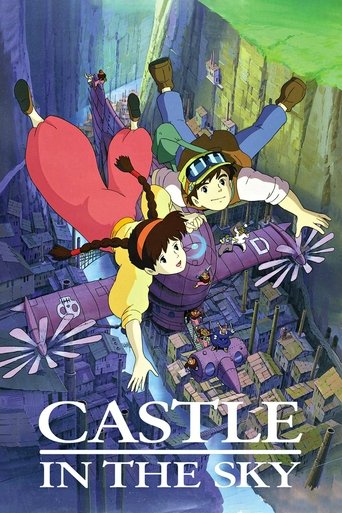
Castle in the Sky
Same director (Miyazaki), Ghibli; adventure, nature-reclaiming-civilisation, strong young protagonists, spirits.
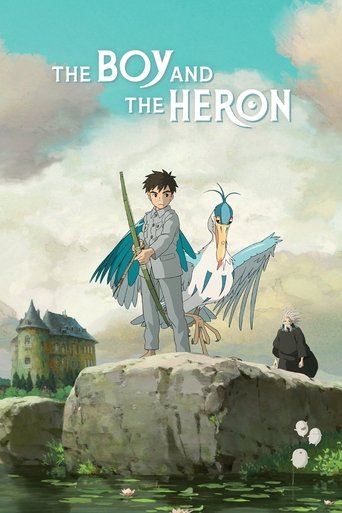
The Boy and the Heron
Same director (Miyazaki), Ghibli; spirit world, coming-of-age, loss, parallel realm — unmistakable Mononoke DNA.
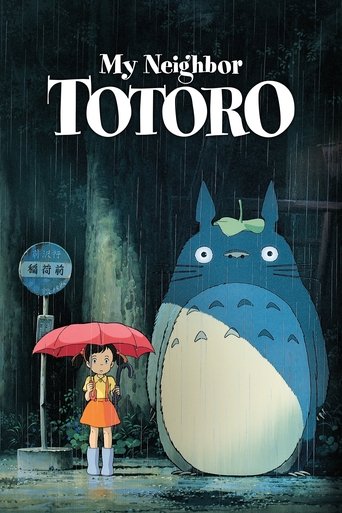
My Neighbor Totoro
Same director, Ghibli; forest spirits and human-nature reverence, though lighter in tone than Mononoke.
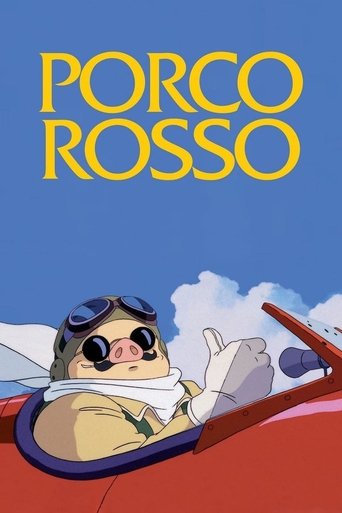
Porco Rosso
Same director, Ghibli; transformation curse, moral ambiguity, and Miyazaki's adventure sensibility in a historical setting.
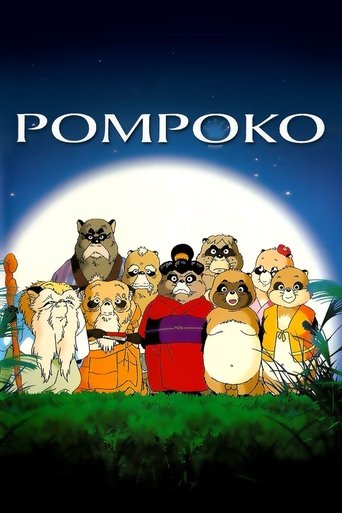
Pom Poko
Studio Ghibli / Isao Takahata; animals fight deforestation and human encroachment — thematically the closest non-Miyazaki Ghibli match.
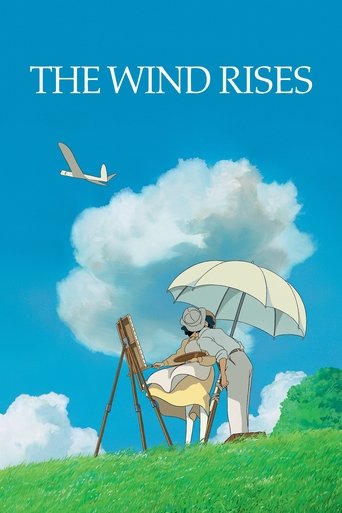
The Wind Rises
Same director, Ghibli; historical Japan, ambition vs consequence, adult animation — Miyazaki at his most mature.
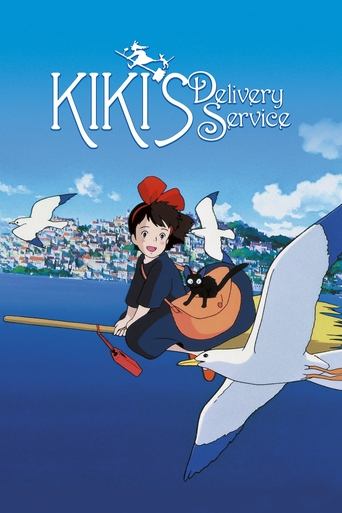
Kiki's Delivery Service
Same director (Miyazaki), Ghibli; coming-of-age, magic, independence and finding one's place — quintessential Ghibli peer.
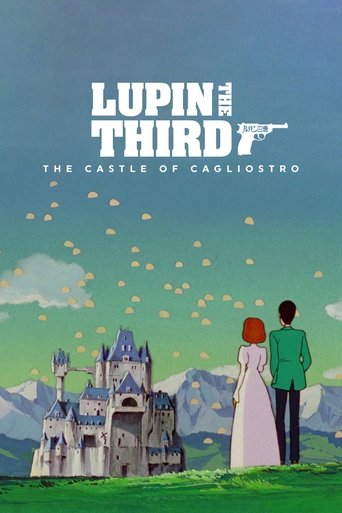
The Castle of Cagliostro
Miyazaki's first feature; adventure, heroism, historical setting — same directorial voice, different thematic register.
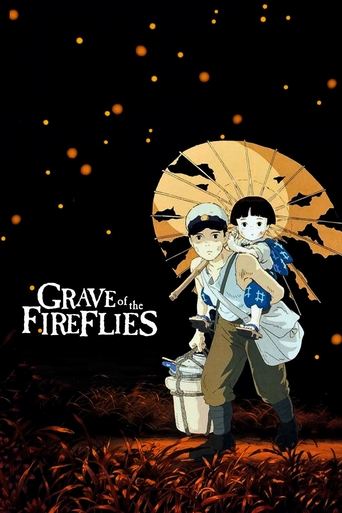
Grave of the Fireflies
Ghibli / Isao Takahata; war, survival, Japanese history, emotional weight — tonal and studio companion to Mononoke.
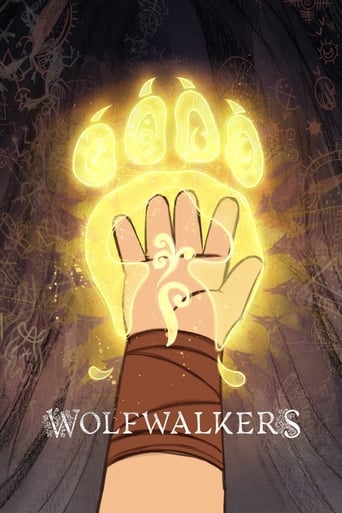
Wolfwalkers
Non-Ghibli but shares wolf, feral child, forest, colonial destruction of nature — the closest Western animation to Mononoke's themes.
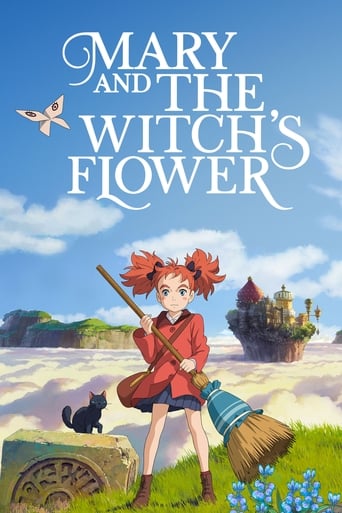
Mary and The Witch's Flower
Director Yonebayashi is a Ghibli alumnus; same animation aesthetic, magic, and adventure spirit as Mononoke.
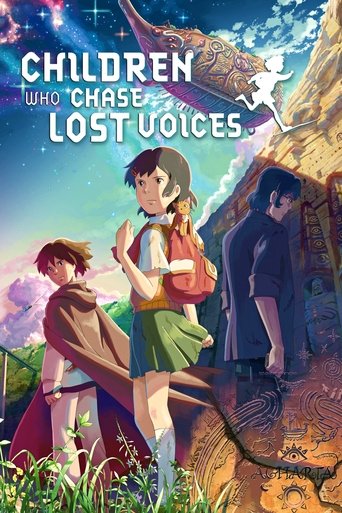
Children Who Chase Lost Voices
Openly Ghibli-inspired by Shinkai; spirit world, life/death, female protagonist, and nature mythology align closely.
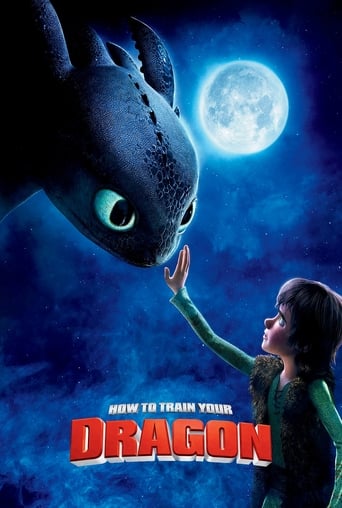
How to Train Your Dragon
Human-animal coexistence, breaking cycles of violence, nature respect — same moral core in a Western animated package.
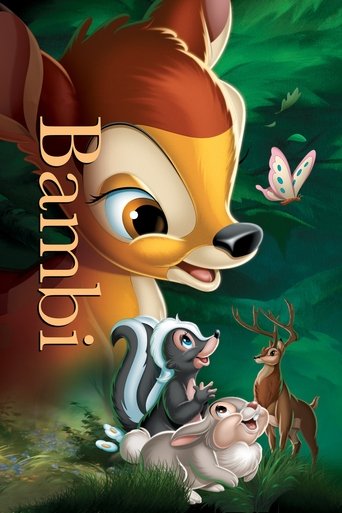
Bambi
Foundational human-vs-nature animated myth; deforestation grief and animal perspective parallel Mononoke's ecological heart.
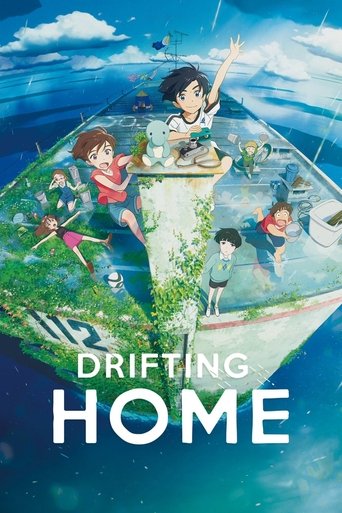
Drifting Home
Ghibli-influenced anime; supernatural displacement, childhood, and emotional journeying share Mononoke's introspective spirit.
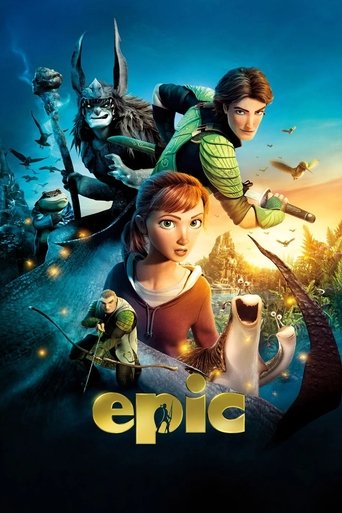
Epic
Forest ecosystem under siege, good/evil nature forces, miniature world — loose thematic cousin to Mononoke's forest spirit conflict.
How Good Is Princess Mononoke?
Ratings across IMDb, Rotten Tomatoes, Metacritic, and TMDB, plus our verdict.
Where to Watch Princess Mononoke
Streaming, rental, and purchase options across 40+ countries.
United States
USIn Theaters
6 Fandango
 Atom Tickets
 Cinemark
 Cinepolis Cinemas
 Harkins Theatres
 Marcus Theatres
Stream
2 HBO Max Amazon Channel
 HBO Max
Rent
3 Amazon Video
 Apple TV Store
 Fandango At Home
Buy
6Amazon VideoFandango At Home Barnes & NobleApple TV Store
 GRUV
GRUV Amazon DVD / Blu-ray
Available in 131 countries
Frequently asked about Princess Mononoke
Common questions people search for, with answers written by us at MoviesPack.
Why is Princess Mononoke a good movie?
Princess Mononoke is widely praised for its hand-drawn animation, complex environmental themes, and morally ambiguous characters who are neither pure heroes nor villains. It blends Japanese folklore with an epic narrative about the clash between industrial progress and nature, earning an 8.3 audience rating and acclaim as one of Studio Ghibli's defining works.
Why did Miyazaki refuse Oscar?
Hayao Miyazaki skipped the 2003 Academy Awards ceremony, where Spirited Away won Best Animated Feature, in protest of the United States' involvement in the Iraq War. He later said he did not want to visit a country that was bombing Iraq.
What is Studio Ghibli's saddest film?
Grave of the Fireflies, directed by Isao Takahata in 1988, is widely regarded as Studio Ghibli's saddest film. It follows two siblings struggling to survive in Japan during the final months of World War II.
What film did Hayao Miyazaki walk out of?
Hayao Miyazaki reportedly walked out of a screening of Pixar's Cars, which he found uninteresting. He has also been critical of various CGI-driven and AI-generated animation projects.
Why does Ashitaka get cursed at the beginning of the film?
Ashitaka is cursed after he kills a boar god named Nago who had been transformed into a demon by a festering iron ball lodged in his body. Though Ashitaka kills Nago to save his village, the dying demon god's hatred transfers to Ashitaka's arm as a spreading mark that grants him superhuman strength but will eventually kill him. His curse is the direct result of human interference — specifically, the iron ball fired from Irontown — causing the boar's corruption.
Who is San (Princess Mononoke) and why does she hate humans?
San is a human girl who was abandoned in the forest as an infant by her parents, who offered her to the wolf goddess Moro to escape the wolf's wrath. Moro raised San as her own daughter, and San grew up fully identifying as a wolf rather than a human. Her hatred of humans stems from their relentless destruction of the forest and its gods, and from the primal betrayal of being abandoned by her own kind; she sees herself as a defender of the forest and considers humans — including herself biologically — to be the enemy.
What is the Forest Spirit (Shishigami) and what happens when it is decapitated?
The Forest Spirit is an ancient deity that takes the form of a giant deer with a human-like face by day and transforms into the luminous giant Nightwalker after dark; it has the power to both give and take life with a touch. When Lady Eboshi shoots off its head, the Spirit's body becomes a vast destructive black ooze that spreads across the land, killing everything it touches as it desperately searches for its severed head. Once Ashitaka and San return the head to it, the Spirit reclaims it, releases a wave of life energy that restores the forest, and then dissolves — suggesting it was never meant to be a permanent physical presence but rather a force of nature cycling between creation and destruction.
Why does Ashitaka say he can see with 'eyes unclouded by hate,' and what does that theme mean in the film?
Ashitaka's village elder instructs him to travel west and witness the conflict between humans and the forest gods with eyes unclouded by hate — meaning he must not take sides blindly or let anger distort his perception. This phrase captures the film's central moral stance: Miyazaki deliberately refuses to portray either Lady Eboshi's industrialized humans or the forest gods as purely evil, instead showing that both have legitimate grievances and destructive capacities. Ashitaka's role is not to be a hero who defeats a villain but a witness who tries to break the cycle of hatred by holding empathy for all sides simultaneously.
Does the curse on Ashitaka's arm ever fully heal, and what is the significance of the ending?
The curse is not entirely erased — the scar remains on Ashitaka's arm — but the Forest Spirit's final release of life energy halts its spread and removes its lethal progression. The ending is deliberately bittersweet: the forest begins to regrow, but it has been irrevocably changed, and San tells Ashitaka she can never forgive humankind even though she loves him. Ashitaka says he will live in Irontown and visit her, accepting that reconciliation between humans and nature is an ongoing struggle rather than a resolved peace, which reflects Miyazaki's view that the conflict is permanent and requires constant, conscious effort rather than a final victory.
Recent Updates
Princess Mononoke now streaming on Verleihshop (DE)
New Trailer: Princess Mononoke
Princess Mononoke now streaming on Sooner (FR)
Princess Mononoke now streaming on ARTE Boutique (FR)
Princess Mononoke now streaming on Premiere Max (FR)