Movies Like Oppenheimer
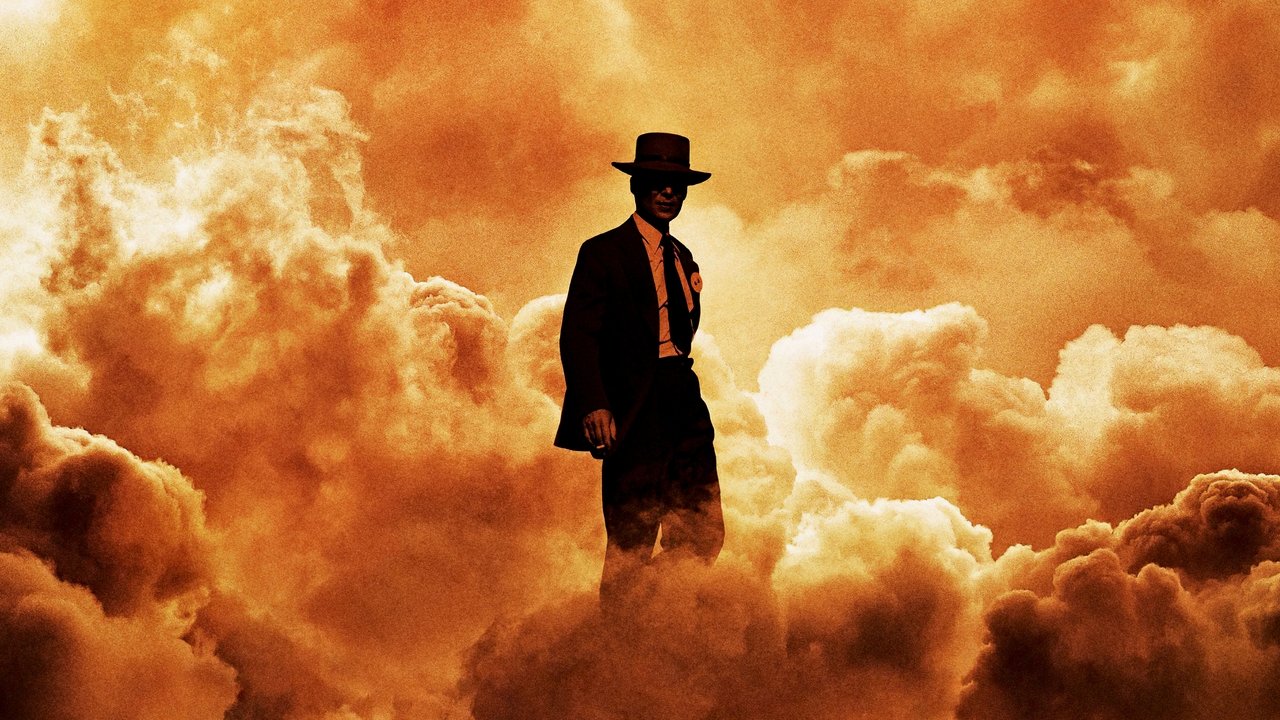
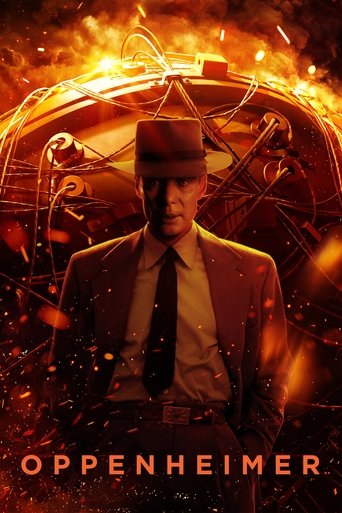
The story of J. Robert Oppenheimer's role in the development of the atomic bomb during World War II.
Ranked by shared directors, cast, themes, genre, and era — not just generic recommendations.
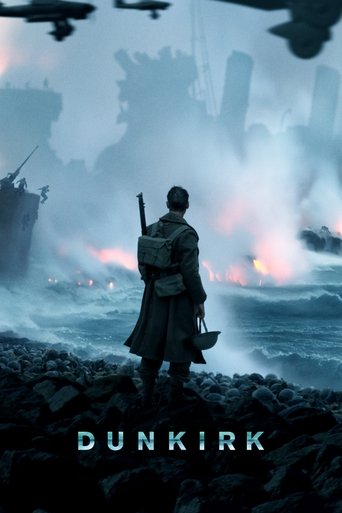
Dunkirk
Christopher Nolan WWII epic, same DP, Cillian Murphy cast, immersive large-scale prestige filmmaking.
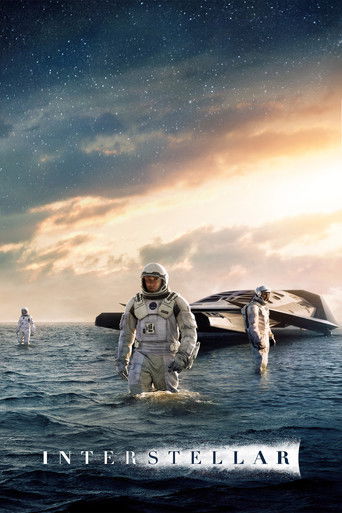
Interstellar
Christopher Nolan, same DP, Casey Affleck cast, ambitious cerebral drama with epic scope and moral weight.
The Imitation Game
WWII biopic about a genius scientist/mathematician with moral stakes, code-breaking, same tone and audience.
Schindler's List
Prestige WWII biographical drama about moral courage and complicity; shared tone, era, and awards-level gravitas.
Fat Man and Little Boy
Directly covers the Manhattan Project: same historical events, Los Alamos, atomic bomb development, Groves vs. scientists.
Tenet
Christopher Nolan, same DP, Kenneth Branagh cast; high-concept thriller but different genre and tone from Oppenheimer.
Hacksaw Ridge
WWII prestige biopic about moral conviction and true story heroism; similar audience and gravitas, different focus.
Saving Private Ryan
Landmark WWII drama with serious adult tone and historical authenticity; different angle but overlapping audience.
Nuremberg
Rami Malek cast, WWII aftermath courtroom drama exploring ethics and guilt; same era and moral weight.
Maestro
Same-era prestige biopic with complex personal and professional life of a brilliant figure; similar awards audience.
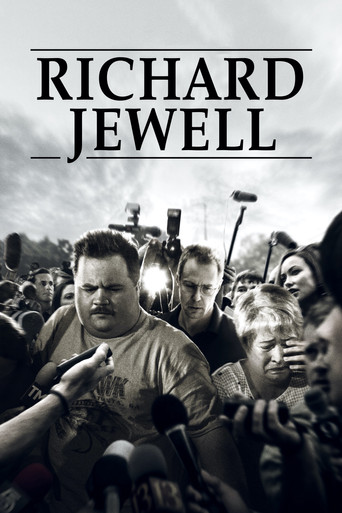
Richard Jewell
True-story biopic about a man wrongly targeted by the government; shares the interrogation and institutional-abuse themes.
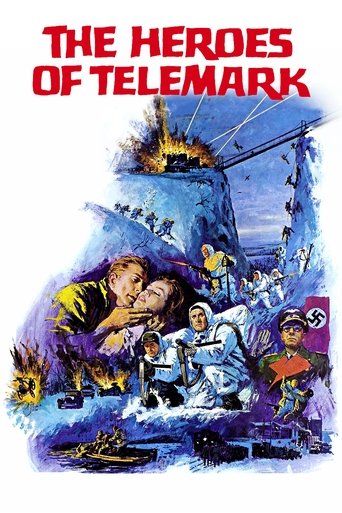
The Heroes of Telemark
WWII true story about sabotaging Nazi atomic program — directly adjacent to Oppenheimer's nuclear stakes.
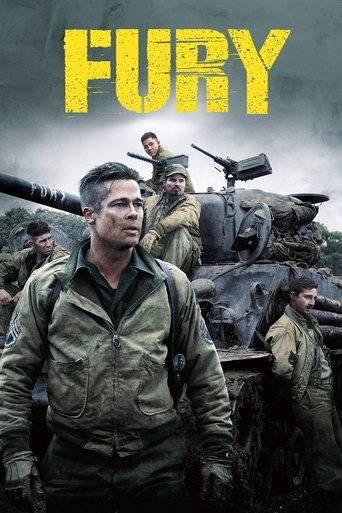
Fury
Gritty WWII drama set in the 1940s European theatre; serious tone, adult audience, shared era and moral darkness.
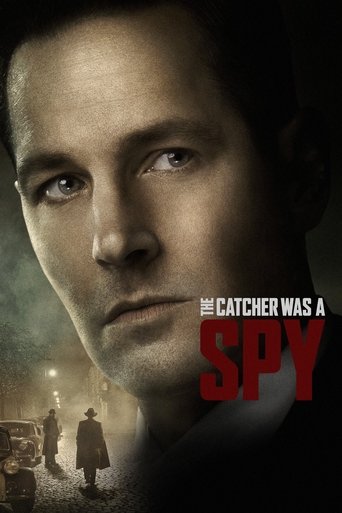
The Catcher Was a Spy
WWII true-story biopic about a covert operative hunting Nazi atomic scientists — thematically very close.

Sicario
Emily Blunt, Denis Villeneuve — prestige adult thriller with moral ambiguity and institutional complicity.
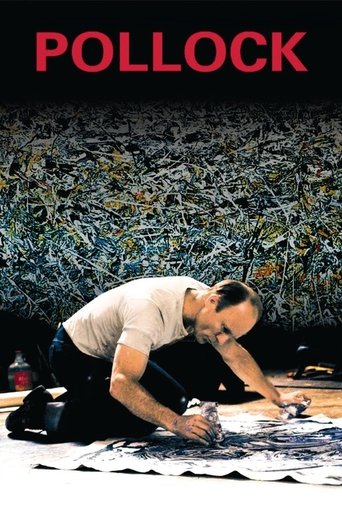
Pollock
Biopic of a tortured genius in the 1940s-50s; shares the 'brilliant man undone by his demons' biographical arc.
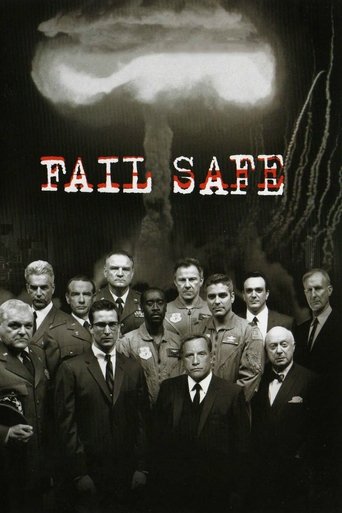
Fail Safe
Nuclear weapons moral dilemma thriller; Cold War atomic anxiety directly descends from Oppenheimer's legacy.
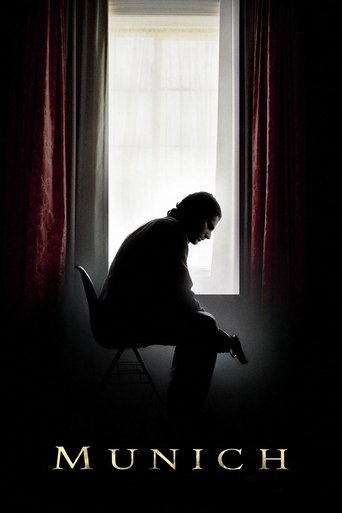
Munich
Spielberg prestige drama about government-sanctioned killing and moral erosion; same adult gravitas and ethical dread.
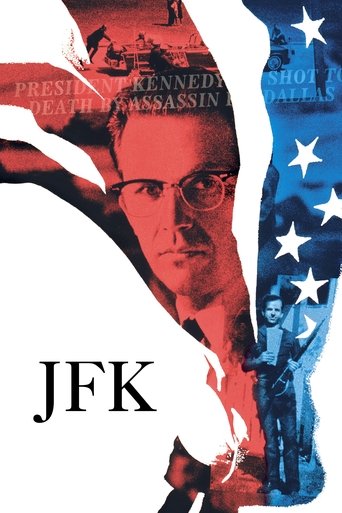
JFK
Political/historical epic with paranoia, government conspiracy, and institutional power; same cerebral adult audience.
The Insider
True-story drama about a man destroyed by the system he served; shares guilt, betrayal, and moral-dilemma DNA.
How Good Is Oppenheimer?
Ratings across IMDb, Rotten Tomatoes, Metacritic, and TMDB, plus our verdict.
Where to Watch Oppenheimer
Streaming, rental, and purchase options across 40+ countries.
United States
USIn Theaters
1 Fandango
Stream
3 Peacock Premium
 YouTube TV
 Peacock Premium Plus
Free with Ads
1 Fandango at Home Free
Rent
4 Amazon Video
 Apple TV Store
 Fandango At Home
 Spectrum On Demand
Buy
6 Amazon DVD / Blu-rayAmazon VideoApple TV StoreFandango At Home
 Barnes & Noble
 Zavvi
ZavviAvailable in 69 countries
Frequently asked about Oppenheimer
Common questions people search for, with answers written by us at MoviesPack.
Is the movie Oppenheimer historically accurate?
Oppenheimer is largely based on the Pulitzer Prize-winning biography American Prometheus by Kai Bird and Martin J. Sherwin, and most key events, including the Trinity test and the 1954 security hearing, follow the historical record. Nolan compresses timelines, composites some characters, and dramatizes private conversations, but the broader arc of Oppenheimer's life and his clash with Lewis Strauss is considered historically faithful.
What is the controversial scene in Oppenheimer?
The most controversial scene depicts Oppenheimer (Cillian Murphy) and Jean Tatlock (Florence Pugh) having sex while Oppenheimer reads from the Bhagavad Gita, which drew criticism in India for misusing a sacred Hindu text. The film's nudity also led to it being banned or edited in several countries, and some critics objected to the omission of the Japanese victims of Hiroshima and Nagasaki.
What is special about the Oppenheimer movie?
Oppenheimer was shot on a combination of IMAX 65mm and 65mm large-format film, including the first-ever sequences filmed in IMAX black-and-white, and the Trinity test was recreated using practical effects rather than CGI. It won seven Academy Awards, including Best Picture, Best Director for Christopher Nolan, and Best Actor for Cillian Murphy.
Why does the film use two different color timelines — color and black-and-white?
The color sequences show events from Oppenheimer's subjective perspective, labeled 'Fission,' and depict his memories and the 1954 security hearing that strips him of his clearance. The black-and-white sequences, labeled 'Fusion,' follow Lewis Strauss and are presented as his objective, third-person testimony to a Senate confirmation hearing in 1959. Nolan uses this contrast to signal whose point of view and what emotional truth is being conveyed at any given moment.
What actually happens during the Trinity test, and why does Oppenheimer hesitate afterward?
The Trinity test on July 16, 1945, is the world's first successful detonation of a nuclear device in the New Mexico desert. The blast succeeds beyond many expectations, and in that moment Oppenheimer famously recalls the Bhagavad Gita line 'Now I am become Death, the destroyer of worlds.' His hesitation stems from the dawning realization that what he has built cannot be uncreated — the weapon will inevitably be used on human targets, and the scientific triumph is inseparable from the moral catastrophe that follows at Hiroshima and Nagasaki.
Why does Lewis Strauss work so hard to destroy Oppenheimer's reputation?
The film presents two interlocking motivations. First, Oppenheimer publicly embarrassed Strauss before the Institute for Advanced Study by implying, in front of colleagues, that Strauss was paranoid about Einstein discussing Oppenheimer's fate with him — when in fact Einstein was saying Oppenheimer had learned the same lesson he had: America would turn on them both. Second, Strauss blamed Oppenheimer for undermining the U.S. hydrogen bomb program and for counseling restraint over nuclear proliferation, which Strauss saw as a threat to American supremacy. The security hearing was Strauss's vehicle for revenge.
What does Oppenheimer's conversation with Einstein at the pond mean, and what did they actually say?
The conversation at the pond at the Institute for Advanced Study is shown early and then revisited at the film's end. The audience does not hear it until the final scene, when we learn Oppenheimer told Einstein that he feared their work — the chain reaction they set in motion — might one day destroy the world. Einstein's response is essentially that the world had already moved on from Oppenheimer; the judgment of history was already underway. The scene reframes the entire film: Oppenheimer's guilt is not just about the bombs dropped in 1945 but about setting off a permanent, irreversible chain reaction in human civilization.
Was Oppenheimer actually a Soviet spy, as the 1954 hearing implied?
The film depicts the security hearing allegations but does not portray Oppenheimer as a spy. He had past associations with Communist Party members, including his brother Frank and his former girlfriend Jean Tatlock, and he knew people who passed secrets to the Soviets — most notably housemate Haakon Chevalier, who relayed an approach from a Soviet contact. Oppenheimer reported the approach only vaguely and inconsistently, which became a central strike against him in 1954. The film presents him as a man who was politically naive and sometimes dishonest under pressure, but not a traitor — a reading consistent with the historical record and his 2022 posthumous security clearance reinstatement.
Recent Updates
New Trailer: Oppenheimer
New Teaser: Oppenheimer
Oppenheimer now streaming on Sooner (FR)
Oppenheimer now streaming on ARTE Boutique (FR)
Oppenheimer now streaming on Pathé Home (FR)