Movies Like Pollock
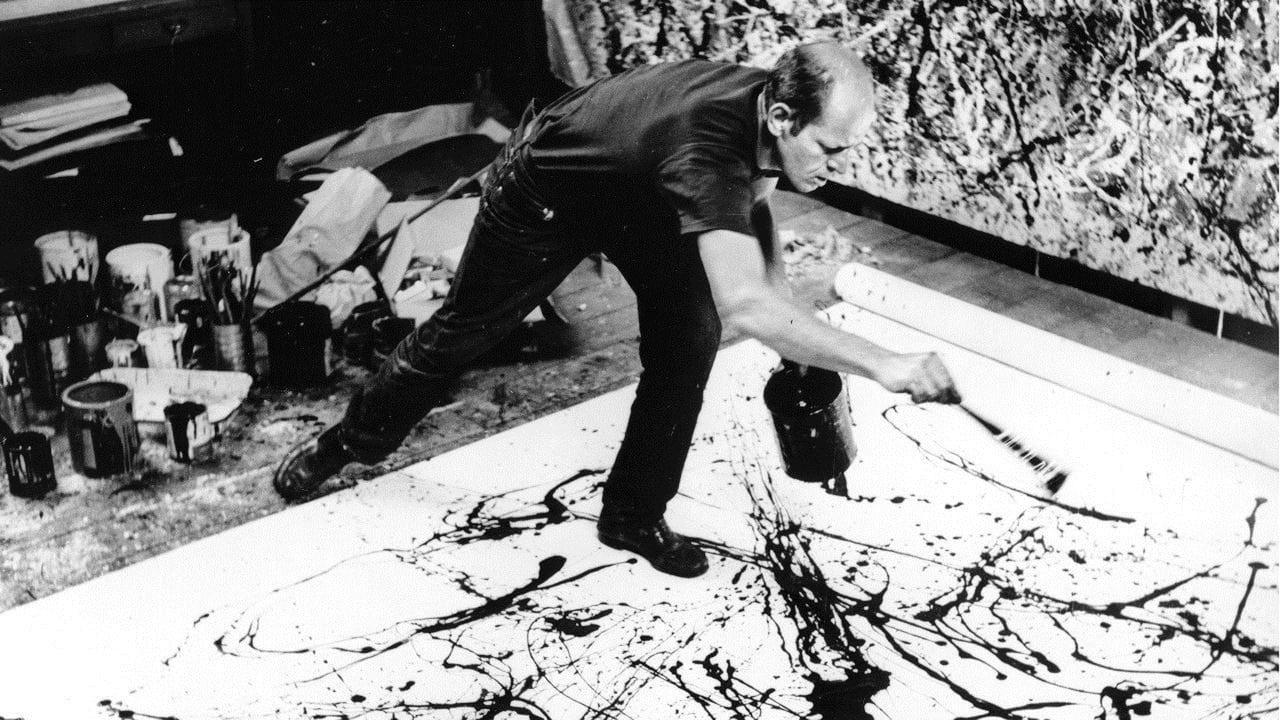
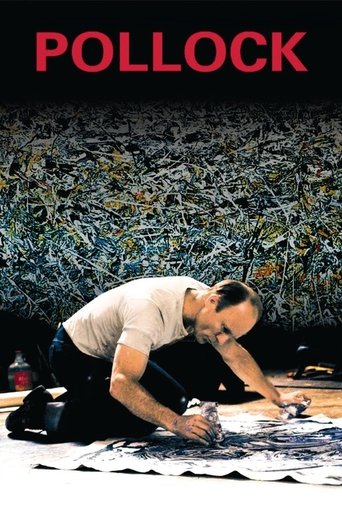
In August of 1949, Life Magazine ran a banner headline that begged the question: "Jackson Pollock: Is he the greatest living painter in the United States?" The film is a look back into the life of an extraordinary man, a man who has fittingly been called "an artist dedicated to concealment, a celebrity who nobody knew." As he struggled with self-doubt, engaging in a lonely tug-of-war between needing to express himself and wanting to shut the world out, Pollock began a downward spiral.
Ranked by shared directors, cast, themes, genre, and era — not just generic recommendations.
Lust for Life
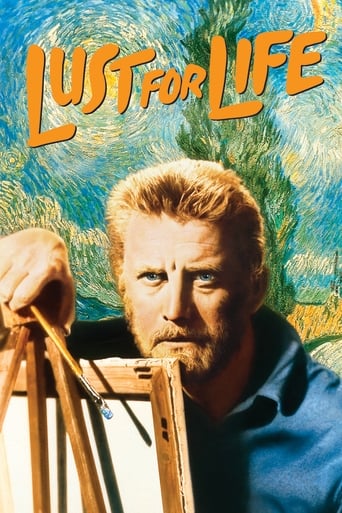
Tortured painter biography (Van Gogh); same genre, tone, and alcoholic self-destruction arc as Pollock
At Eternity's Gate
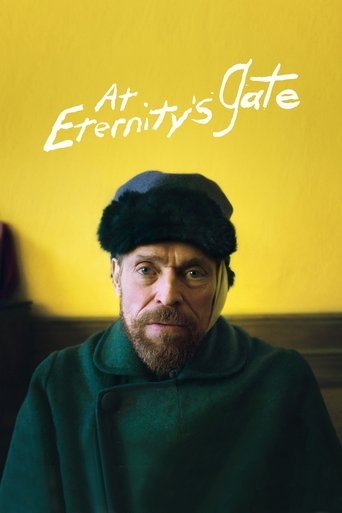
Van Gogh painter bio; immersive portrait of artistic genius and mental torment, same niche as Pollock
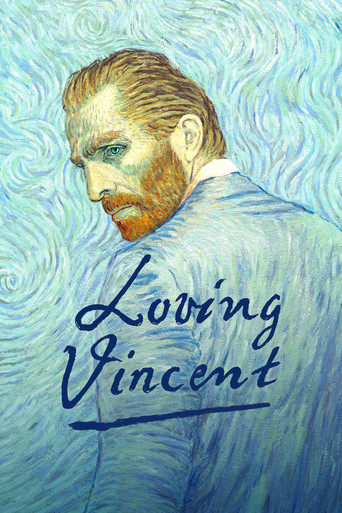
Loving Vincent
Van Gogh painter biography; same audience of art-drama viewers drawn to tortured-artist narratives
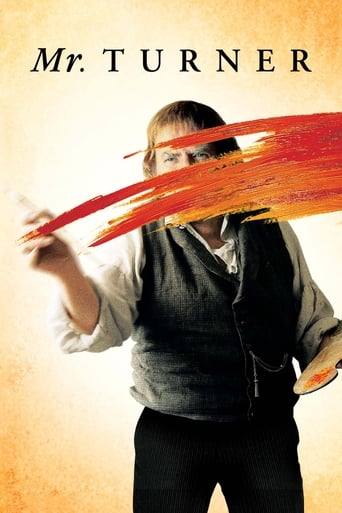
Mr. Turner
Painter biography (J.M.W. Turner); serious adult drama about eccentric artistic genius, same shelf as Pollock
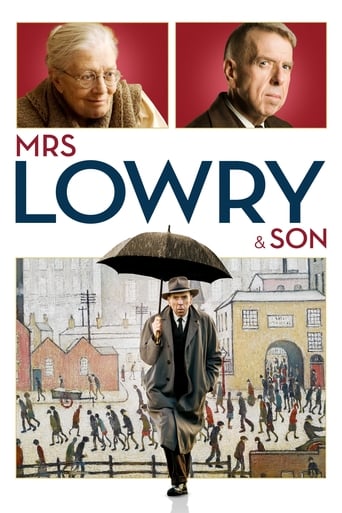
Mrs Lowry & Son
Painter biography (L.S. Lowry); intimate drama about an artist's inner life and difficult relationships
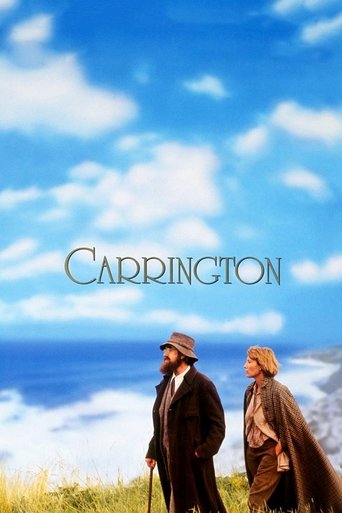
Carrington
Painter biography (Dora Carrington); complex emotional bonds, artistic identity, and self-destruction
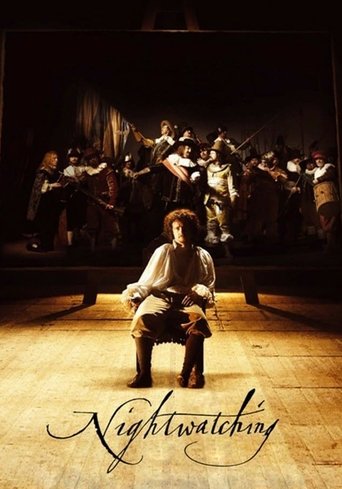
Nightwatching
Painter biography (Rembrandt); drama about artistic controversy and the painter's turbulent personal life

Final Portrait
Artist biography (Giacometti); intimate drama about a struggling, obsessive painter-sculptor and his process
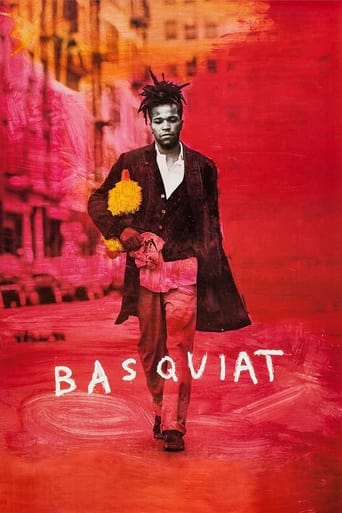
Basquiat
Painter biography of Jean-Michel Basquiat; New York art world, self-destruction, genius — closest modern peer to Pollock

Frida
Painter biography (Frida Kahlo); alcoholism, turbulent relationships, artistic passion — exact same tonal and thematic space
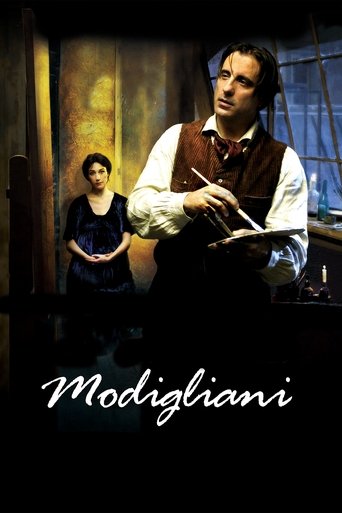
Modigliani
Painter biography (Amedeo Modigliani); poverty, alcoholism, artistic rivalry — direct peer to Pollock in the tortured-artist biopic genre
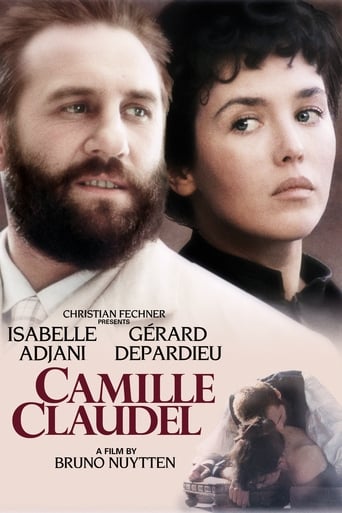
Camille Claudel
Sculptor biography; obsessive artistic genius, destructive relationships, and psychological collapse — same audience as Pollock
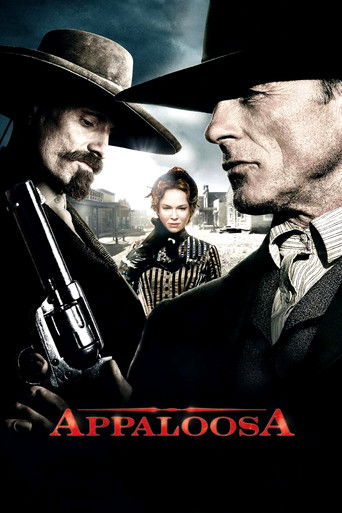
Appaloosa
Also directed by Ed Harris; serious character-driven drama with strong performances, different genre (Western)
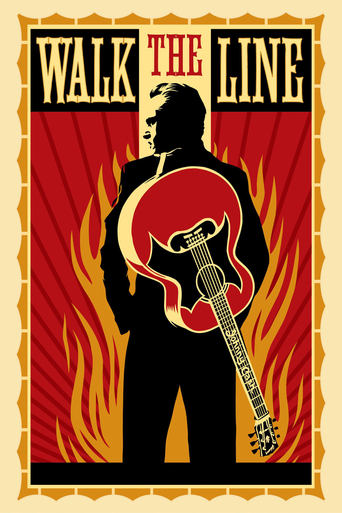
Walk the Line
Musician biography with addiction and turbulent romance; same prestige-biopic tone and self-destructive-artist arc

A Star Is Born
Alcoholism, self-destruction, and creative brilliance in a relationship drama; tonal overlap with Pollock's arc
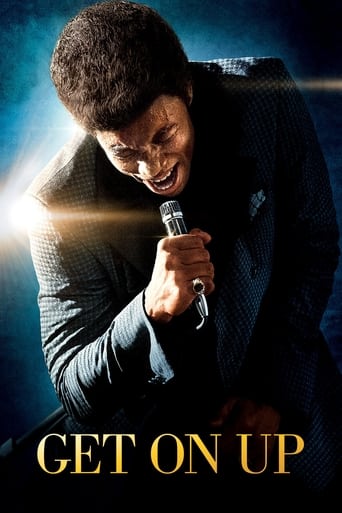
Get On Up
Musician biography with breaking-the-fourth-wall narration; prestige historical biopic about a difficult creative genius

Back to Black
Musician biography with addiction and self-destruction; same prestige-biopic sub-genre as Pollock, different art form
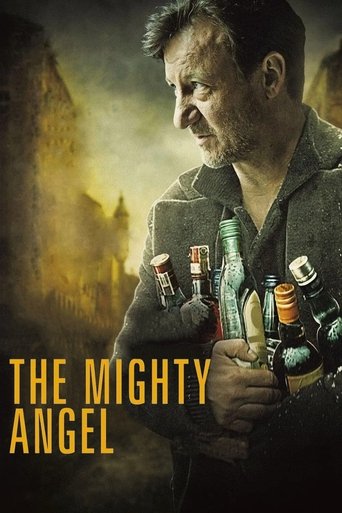
The Mighty Angel
Intense drama about alcoholism and addiction's grip on a creative man; shares Pollock's unflinching look at self-destruction
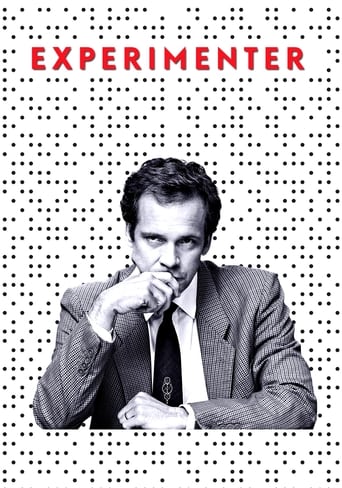
Experimenter
Biography of a controversial intellectual figure; breaking-the-fourth-wall style and adult prestige drama tone
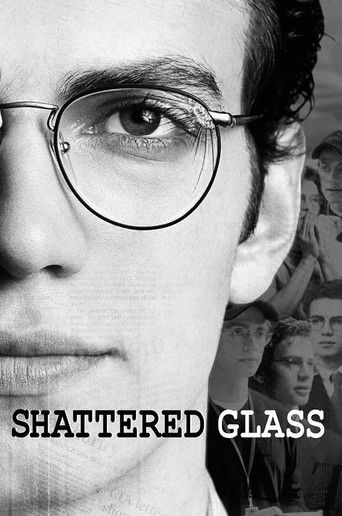
Shattered Glass
True-story biography of a brilliant but self-sabotaging figure; same prestige drama audience, different creative field
How Good Is Pollock?
Ratings across IMDb, Rotten Tomatoes, Metacritic, and TMDB, plus our verdict.
Where to Watch Pollock
Streaming, rental, and purchase options across 40+ countries.
United States
USStream
3 Amazon Prime Video
 Amazon Prime Video with Ads
 Howdy Amazon Channel
Free with Ads
2 The Roku Channel
 Tubi TV
Rent
3 Amazon Video
 Apple TV Store
 Fandango At Home
Buy
4 Amazon DVD / Blu-rayAmazon VideoApple TV StoreFandango At Home
Available in 51 countries
Frequently asked about Pollock
Common questions people search for, with answers written by us at MoviesPack.
Is Pollock a good movie?
Pollock holds a 7/10 rating and was widely praised by critics, particularly for Ed Harris's lead performance and Marcia Gay Harden's portrayal of Lee Krasner. Harden won the Academy Award for Best Supporting Actress, and Harris received a Best Actor nomination.
How accurate is the Pollock movie?
The film is generally considered faithful to the broad arc of Pollock's life, drawing heavily on Steven Naifeh and Gregory White Smith's Pulitzer Prize-winning biography Jackson Pollock: An American Saga. Some events are compressed or dramatized for narrative purposes, but key relationships, the drip-painting breakthrough, and the 1956 car crash are depicted closely to the historical record.
Why is Pollock rated R?
Pollock is rated R for language, sexuality, and depictions of alcohol abuse. The film contains strong profanity, brief nudity, and scenes of heavy drinking and domestic conflict.
What was Jackson Pollock diagnosed with?
Jackson Pollock struggled with alcoholism throughout his adult life and underwent Jungian psychoanalysis in the 1930s and 1940s. He was variously described by physicians and biographers as suffering from depression and was sometimes characterized as having bipolar tendencies, though no single definitive diagnosis is universally agreed upon.
What is the significance of the moment Jackson Pollock accidentally drips paint on the floor?
While working in his Springs, Long Island studio, Pollock spills paint on a canvas laid flat on the floor and realizes the dripped, splattered marks have their own raw energy. This accident becomes the origin of his signature 'drip technique,' where he abandons the easel entirely and paints by flinging, pouring, and dripping enamel from sticks and hardened brushes onto unstretched canvas. The scene functions as the film's artistic turning point, marking his breakthrough into the work that would define Abstract Expressionism.
Why does Lee Krasner stay with Pollock despite his alcoholism and abuse?
Lee Krasner, a serious painter herself, recognizes Jackson's genius early and effectively subordinates her own career to manage his life, his sobriety, and his relationship with dealers like Peggy Guggenheim. The film portrays her devotion as a mix of artistic conviction, love, and a belief that without her structure he would collapse entirely. Her eventual decision to leave for Europe in 1956 — after he begins openly seeing Ruth Kligman — is framed as the breaking point when she can no longer sustain that role.
What causes Pollock's creative decline in the later part of the film?
After his sober, productive years in Springs producing the great drip paintings of 1947-1950, Pollock relapses into heavy drinking once Hans Namuth's filming of him at work makes him feel like a performing fraud. The famous scene where he overturns the Thanksgiving dinner table after a shoot marks the return of the alcoholism. From that point he largely abandons the drip technique, struggles to paint, and spirals into depression and infidelity.
How does the film depict Pollock's death, and was it really an accident?
The film shows Pollock drunk behind the wheel of his Oldsmobile convertible in August 1956, driving Ruth Kligman and her friend Edith Metzger on a back road near his home. He loses control, the car flips, and Pollock and Metzger are killed while Kligman survives. The movie deliberately leaves his state of mind ambiguous — his reckless driving and despair suggest something closer to suicidal self-destruction than a simple accident, consistent with the historical record.
What does the Hans Namuth filming sequence symbolize in the story?
Photographer Hans Namuth films Pollock painting on glass from below, capturing the drip process for posterity, but Pollock grows agitated by repeating his 'spontaneous' gestures on command. The sequence symbolizes the collision between authentic creation and public spectacle — once the act of painting becomes a performance, Pollock feels it has been falsified. His immediate relapse into drinking after the shoot dramatizes the idea that fame and self-consciousness destroyed the very conditions that allowed his art to exist.
Recent Updates
New Trailer: Pollock
Pollock now streaming on Premiere Max (FR)
Pollock now streaming on VIVA by videofutur (FR)
Pollock now streaming on Sooner (FR)
Pollock now streaming on Amazon Video (FR)