Movies Like Fury
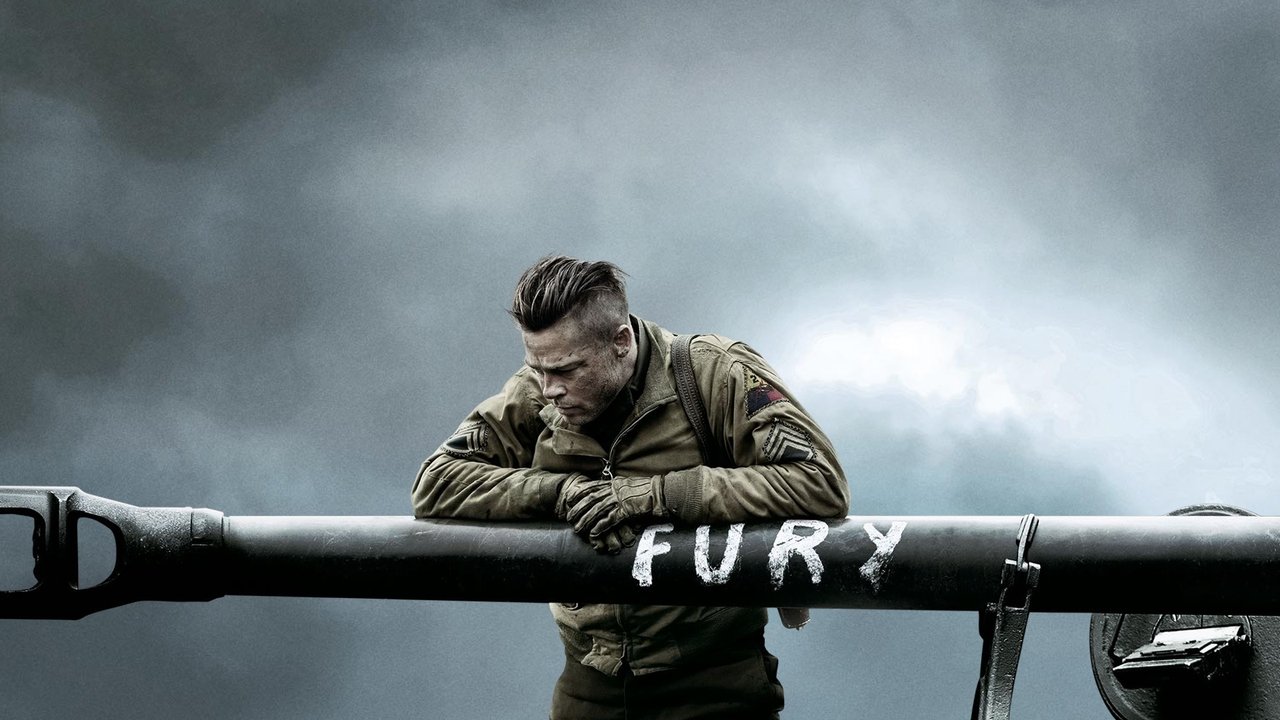
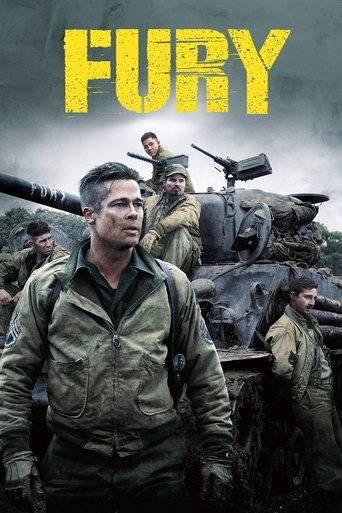
April, 1945. As the Allies make their final push in the European Theatre, a battle-hardened army sergeant named Wardaddy commands a Sherman tank and her five-man crew on a deadly mission behind enemy lines. Outnumbered and outgunned, and with a rookie soldier thrust into their platoon, Wardaddy and his men face overwhelming odds in their heroic attempts to strike at the heart of Nazi Germany.
Ranked by shared directors, cast, themes, genre, and era — not just generic recommendations.
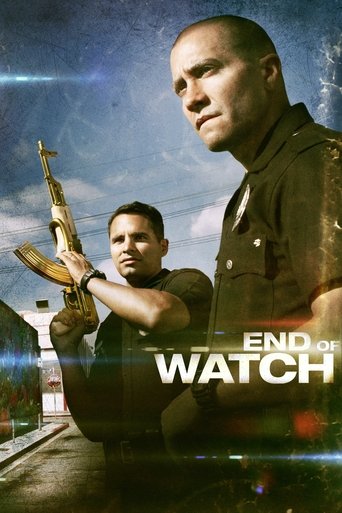
End of Watch
Same director (Ayer), same DP, shares Michael Peña; gritty buddy-duo under fire with ambush and brutality themes.
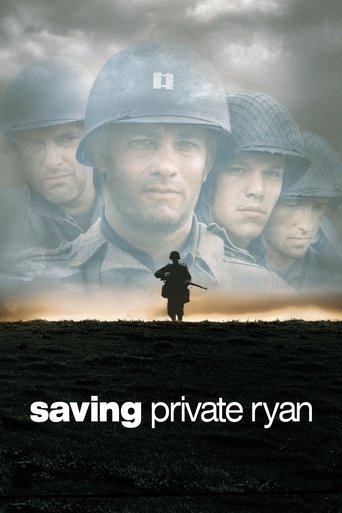
Saving Private Ryan
Gold-standard WWII combat; small squad behind enemy lines, D-Day brutality, heroism under impossible odds — closest spiritual match.
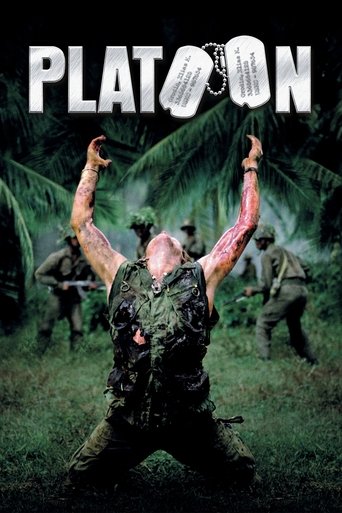
Platoon
Rookie soldier morally forged by brutal war; ambush, battle, and squad dynamics mirror Fury's rookie-Norman arc almost exactly.
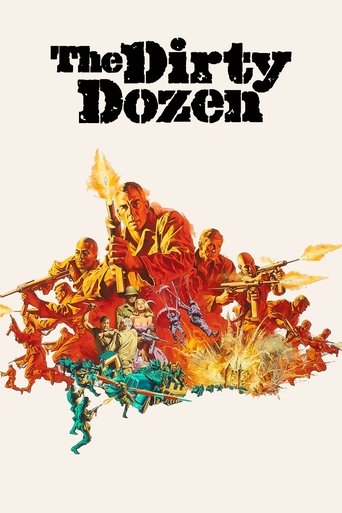
The Dirty Dozen
WWII suicide squad mission behind Nazi lines; ragtag crew, brutal violence, same European-theatre tone.
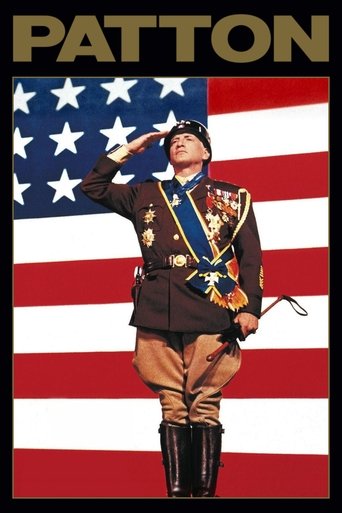
Patton
Definitive WWII tank commander film; armored warfare across Europe, the exact military context of Fury.
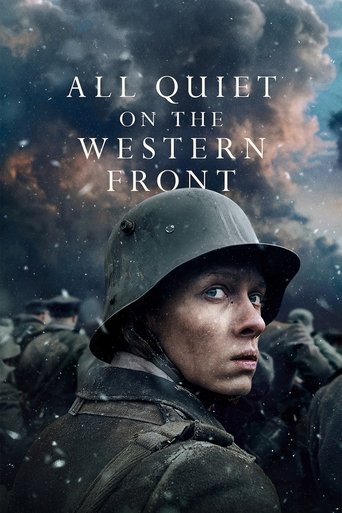
All Quiet on the Western Front
Tank warfare, grinding European battle, young soldiers destroyed by war; brutal and unsentimental like Fury.
Battle of the Bulge
WWII tank battle in European theatre, 1944 setting — direct tactical and visual overlap with Fury's tank warfare.

The Beast
A tank crew stranded behind enemy lines, crew conflict inside an armored vehicle — structurally the closest single-tank film to Fury.
Cross of Iron
WWII from the German side on the Eastern Front; brutal squad combat, morally complex soldiers, Peckinpah's unflinching violence.
Enemy at the Gates
WWII Stalingrad; grinding close-quarters battle, heroism vs. overwhelming Nazi force, 1940s European war atmosphere.
A Bridge Too Far
WWII Allied operation in Holland; tanks, soldiers, European theatre, beating-the-odds mission behind German lines.
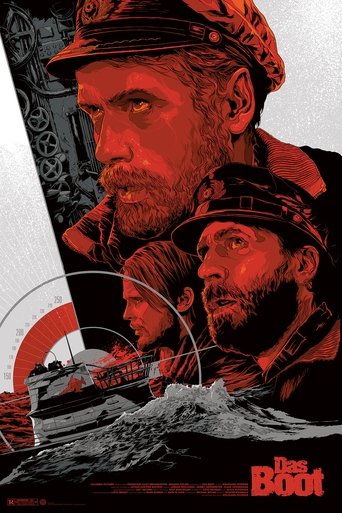
Das Boot
Claustrophobic WWII crew in enclosed vessel, relentless tension, brutal survival — mirrors Fury's tank-crew intimacy perfectly.
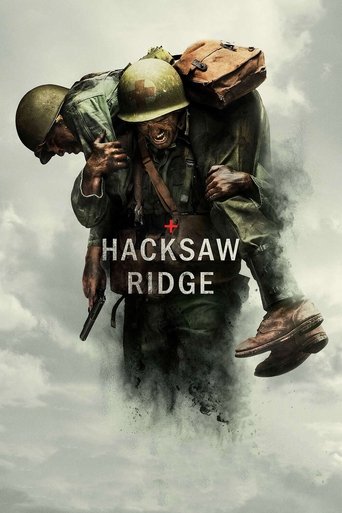
Hacksaw Ridge
WWII frontline brutality, bravery and heroism against impossible odds; visceral combat matching Fury's intensity.
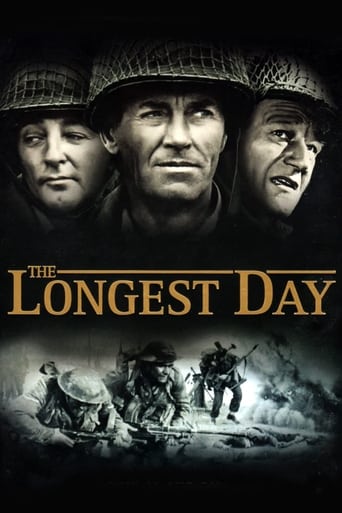
The Longest Day
Epic D-Day WWII combat; Allied soldiers in European theatre, battle-focused narrative with overlapping era and tone.
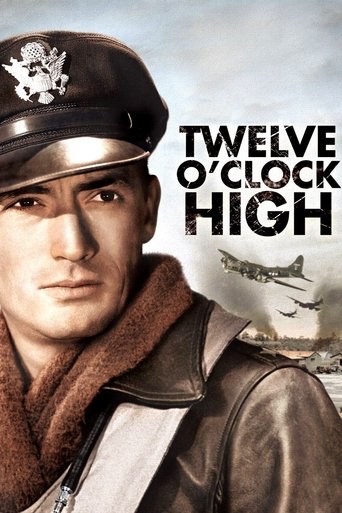
Twelve O'Clock High
WWII unit under pressure, hardened commander forging a demoralized crew into a fighting force — same Wardaddy dynamic.
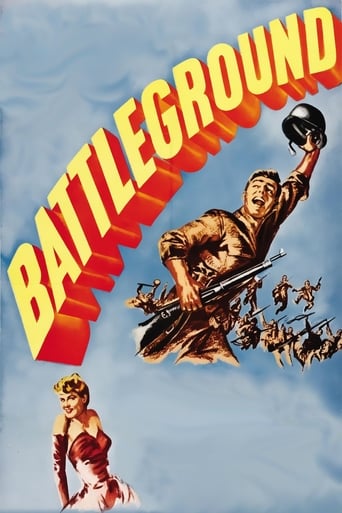
Battleground
101st Airborne in Bastogne, December 1944 — same Battle of the Bulge period as Fury, squad survival under siege.
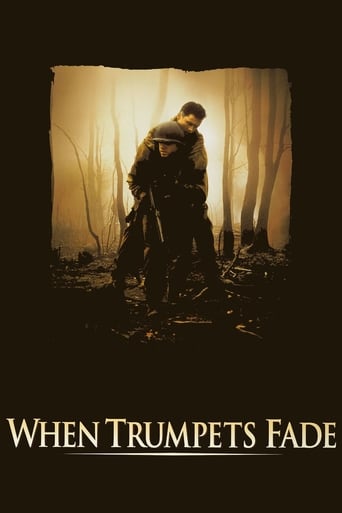
When Trumpets Fade
Small-scale WWII infantry survival in Germany; anti-heroic soldier reluctantly leading, grim and unglamorous like Fury.

Hell Is for Heroes
WWII squad on the Siegfried Line; outnumbered GIs, European front, Steve McQueen's anti-hero parallels Pitt's Wardaddy.
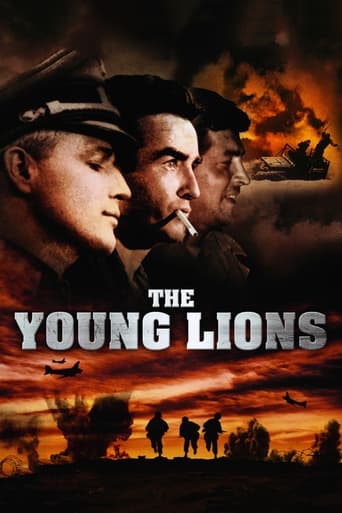
The Young Lions
WWII from both American and German soldier perspectives; war's moral weight and human cost, same era and geography.
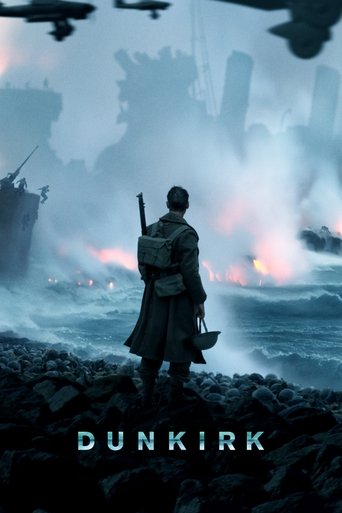
Dunkirk
WWII survival under overwhelming German force; British soldiers beating the odds, same European-theatre period.
How Good Is Fury?
Ratings across IMDb, Rotten Tomatoes, Metacritic, and TMDB, plus our verdict.
Where to Watch Fury
Streaming, rental, and purchase options across 40+ countries.
United States
USRent
3 Amazon Video
 Apple TV Store
 Fandango At Home
Buy
6Amazon VideoApple TV Store Amazon DVD / Blu-rayFandango At Home
 Barnes & Noble
 Zavvi
ZavviAvailable in 82 countries
Frequently asked about Fury
Common questions people search for, with answers written by us at MoviesPack.
Is the movie Fury based on a true story?
Fury is not based on a single true story, but director David Ayer drew on extensive historical research and real accounts from American tank crews who fought in Germany in 1945. The specific characters and the final crossroads battle are fictional, though the tactical disadvantage Shermans faced against German Tigers is historically accurate.
Did anyone survive Fury?
Norman Ellison, the rookie assistant driver played by Logan Lerman, is the only member of the Fury crew to survive the final battle. He escapes by hiding beneath the disabled tank and is found alive by American troops the next morning.
Why did the SS soldier let Norman live?
The young Waffen-SS soldier who finds Norman under the tank makes eye contact with him and silently walks away instead of alerting the others. The film leaves his motive ambiguous, suggesting either pity, war-weariness, or a recognition that Norman was just a scared young soldier like himself.
Why does Wardaddy force Norman to shoot the captured German soldier?
Sergeant Collier (Wardaddy) forces Norman to execute the SS prisoner to break him in and harden him for the brutality of tank warfare. Norman, a clerk typist with no combat training, refuses, so Wardaddy physically overpowers him and pulls the trigger with his hand. The scene establishes Wardaddy's belief that mercy gets crews killed and that Norman must abandon his civilian conscience to survive.
What is the significance of the apartment scene with the two German women?
The scene in the Nuremberg apartment is a deliberate pause meant to show what the crew is fighting for and what they have lost. Wardaddy treats Emma and her cousin Irma with rough decency, allowing Norman a brief, tender connection with Emma over a shared meal and piano music. The fragile normalcy is shattered when the rest of the crew barges in drunk and crude, and is destroyed entirely when a German artillery strike kills Emma moments later, reinforcing the film's thesis that war annihilates anything human.
Why does the Fury crew choose to stay and fight the SS battalion at the crossroads?
After the tank is disabled by a mine at a strategic crossroads, Wardaddy decides to hold the position because losing it would allow an entire SS battalion to attack a poorly defended supply depot and field hospital in their rear. The other crew members initially want to flee, but they choose to stay out of loyalty to Wardaddy, who tells them this is his home. The stand is a deliberate suicide mission framed as a final act of brotherhood.
Why does the SS soldier spare Norman at the end of the film?
After Norman escapes the destroyed Fury by crawling out the bottom escape hatch and hiding under the tank, a young SS soldier shines a flashlight on him and silently chooses not to report him. The moment mirrors Norman's own arc from the film's opening, where he hesitated to kill, and suggests the German sees a fellow frightened boy rather than an enemy. It is the film's one act of unearned mercy, deliberately contrasted with the brutality Wardaddy taught Norman was necessary.
What do the biblical quotes Wardaddy and Boyd exchange mean?
Boyd 'Bible' Swan repeatedly quotes Isaiah 6:8, 'Here am I. Send me,' framing the crew's mission as righteous sacrifice. Wardaddy surprises everyone by completing the verse himself in the final battle, revealing he knows scripture intimately despite his cynicism. The exchange suggests Wardaddy has long accepted that his role is to be the instrument of violence God or fate has summoned, and that he sees his own death as the fulfillment of a calling rather than a tragedy.
Recent Updates
New Trailer: Fury
New Teaser: Fury
Fury now streaming on Sooner (FR)
Fury now streaming on Pathé Home (FR)
Fury now streaming on Premiere Max (FR)