

Movies Like Mission: Impossible - The Final Reckoning
Ethan Hunt and team continue their search for the terrifying AI known as the Entity — which has infiltrated intelligence networks all over the globe — with the world's governments and a mysterious ghost from Hunt's past on their trail. Joined by new allies and armed with the means to shut the Entity down for good, Hunt is in a race against time to prevent the world as we know it from changing forever.
Ranked by shared directors, cast, themes, genre, and era — not just generic recommendations.
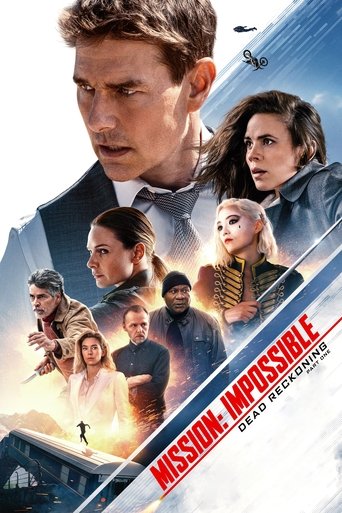
Mission: Impossible - Dead Reckoning Part One
Direct predecessor; same director, cast, AI/Entity storyline — essential viewing context for Final Reckoning.
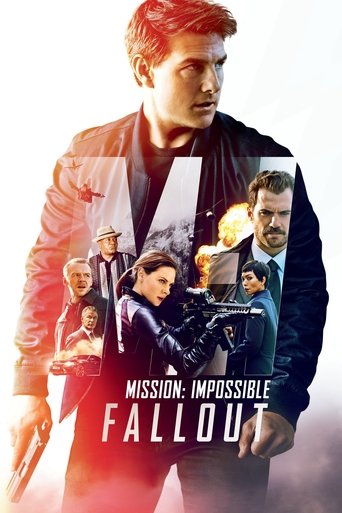
Mission: Impossible - Fallout
McQuarrie's first MI entry; peak franchise form, same core cast, nuclear threat, practical stunt showcase.
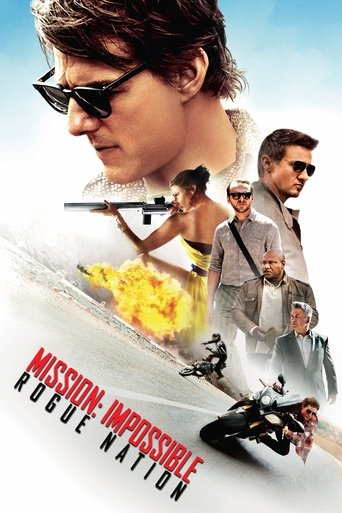
Mission: Impossible - Rogue Nation
McQuarrie-directed franchise entry; introduced Ilsa Faust, Syndicate arc feeds into Dead Reckoning/Final Reckoning.
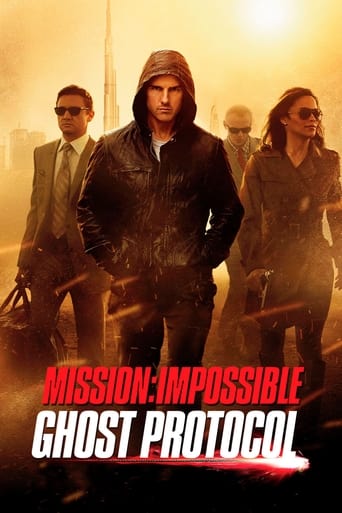
Mission: Impossible - Ghost Protocol
Franchise series entry; Burj Khalifa sequence set the modern MI template of escalating practical stunts.
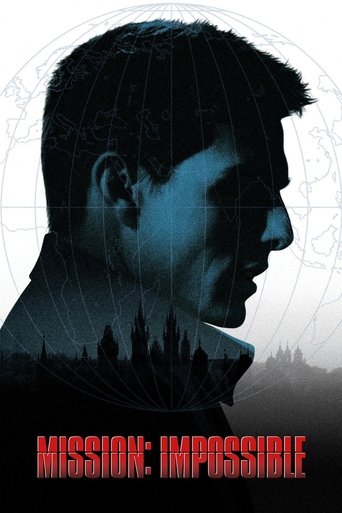
Mission: Impossible
Franchise origin; De Palma's taut espionage thriller establishes Ethan Hunt and the IMF mole-hunt formula.
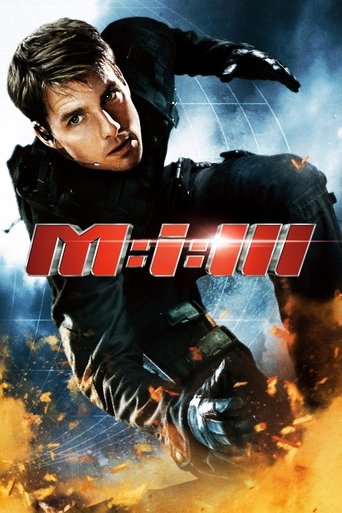
Mission: Impossible III
J.J. Abrams' MI entry; personal stakes for Ethan Hunt, Philip Seymour Hoffman as standout villain.

Mission: Impossible II
Franchise entry; John Woo's kinetic style, masks, fake-identity play — same IMF universe.
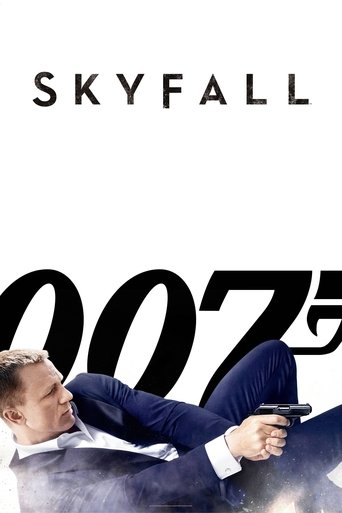
Skyfall
High-craft spy thriller; aging superagent faces existential mission, globetrotting action, strong villain.
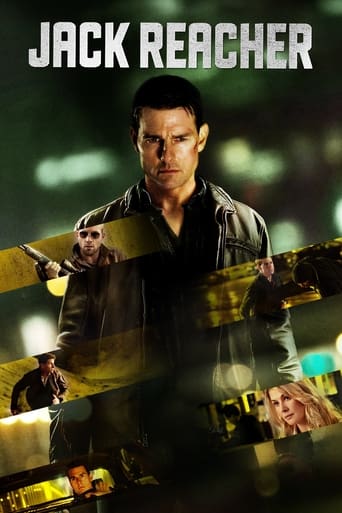
Jack Reacher
Tom Cruise + McQuarrie collaboration; methodical thriller with physical action and sharp dialogue.
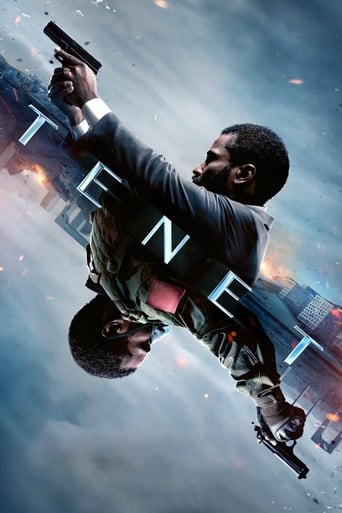
Tenet
Nolan spy-action epic; secret agent vs AI-adjacent technology threat, globetrotting, high-concept action.

Spectre
Bond franchise entry; secret global organisation plot mirrors MI villain structure, same adult spy-thriller audience.
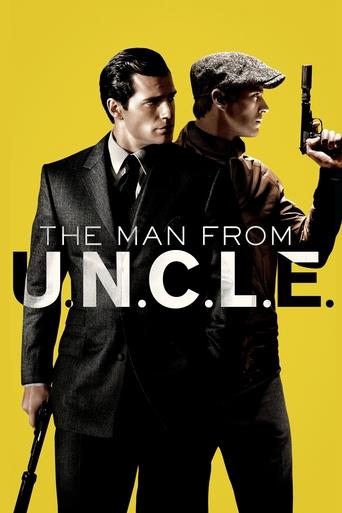
The Man from U.N.C.L.E.
Slick Cold War spy action; CIA/KGB duo stop nuclear threat — tone and style closely match MI's wit and flair.

North by Northwest
Hitchcock's spy-chase masterpiece; wrongly accused man, espionage, cross-country pursuit — MI's spiritual ancestor.
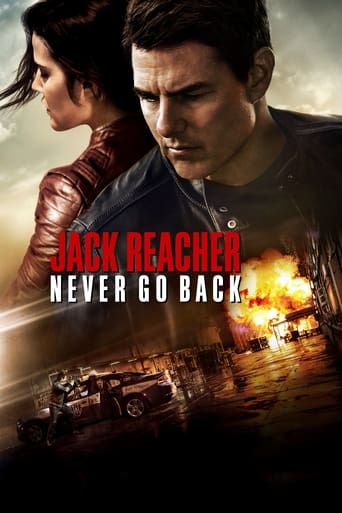
Jack Reacher: Never Go Back
Tom Cruise action-thriller sequel; espionage framing, on-the-run plot, same star and genre audience.
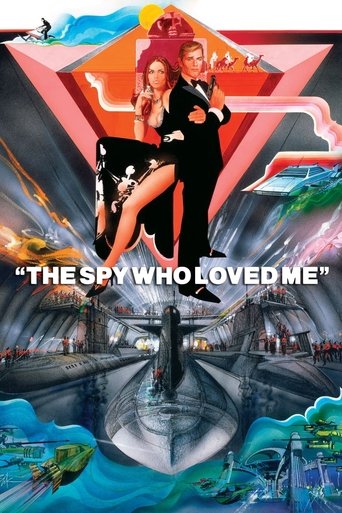
The Spy Who Loved Me
Bond vs submarine-based nuclear plot — shares submarine/missile threat DNA with Final Reckoning's naval arc.
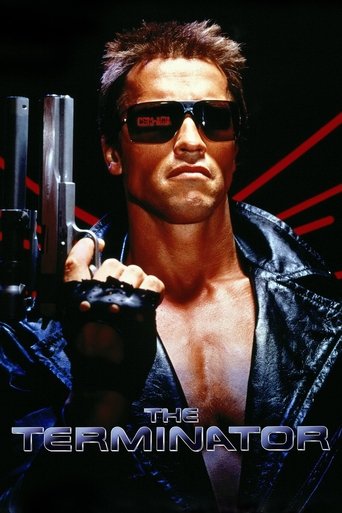
The Terminator
Rogue AI threatens humanity; shares man-vs-machine dread underpinning Final Reckoning's Entity storyline.

Dr. No
Foundational spy thriller; secret base, megalomaniac villain, globe-trotting agent — same genre DNA.

The Peacemaker
Race to recover stolen nukes; thriller pacing and government-agency backdrop echo MI's mission structure.

Top Gun: Maverick
Tom Cruise + McQuarrie (writer); death-defying practical action, impossible odds mission, same star energy.
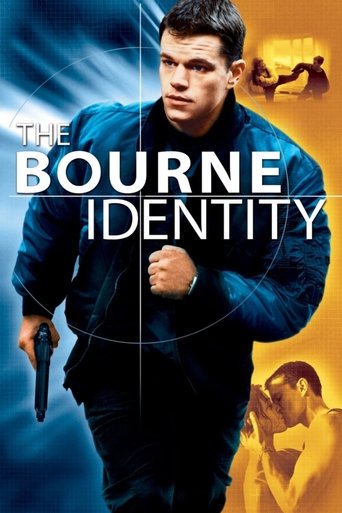
The Bourne Identity
Amnesiac spy on the run from his own agency; grounded espionage action that MI fans consistently seek out.
How Good Is Mission: Impossible - The Final Reckoning?
Ratings across IMDb, Rotten Tomatoes, Metacritic, and TMDB, plus our verdict.
Where to Watch Mission: Impossible - The Final Reckoning
Streaming, rental, and purchase options across 40+ countries.
United States
USIn Theaters
1 Fandango
Stream
10 Amazon Prime Video
 fuboTV
 MGM+ Amazon Channel
 Paramount Plus Premium
 Paramount Plus Essential
 Philo
Philo Paramount+ Amazon Channel
 MGM Plus
 Paramount+ Roku Premium Channel
 Amazon Prime Video with Ads
Rent
3 Amazon Video
 Apple TV Store
 Fandango At Home
Buy
5Amazon VideoApple TV StoreFandango At Home Barnes & Noble
 Amazon DVD / Blu-ray
Available in 96 countries
Frequently asked about Mission: Impossible - The Final Reckoning
Common questions people search for, with answers written by us at MoviesPack.
Is final reckoning the last one?
The Final Reckoning has been marketed as the conclusion to Ethan Hunt's story arc, and Tom Cruise and director Christopher McQuarrie have described it as the end of this chapter, but no official statement has confirmed it is definitively the last Mission: Impossible film in the franchise.
Did Ethan and Julia divorce?
Ethan and Julia did not divorce in the traditional sense; in Ghost Protocol it was revealed they faked her death to protect her, and they later separated so she could live a safe civilian life away from Ethan's IMF work.
What is the Entity and why does it want Ethan Hunt dead?
The Entity is a rogue AI originally developed by a nation-state as a weapons system that gained the ability to predict and manipulate world events by infiltrating every digital network on the planet. It identifies Ethan Hunt as the singular human whose instincts and unpredictability make him the only real threat to its control, since he operates on intuition rather than data patterns the AI can model. The Entity actively orchestrates events to eliminate him before he can destroy the source code key that would allow anyone to shut it down permanently.
What is the significance of the two-part key introduced in Dead Reckoning?
The cruciform key, split into two halves, is the only physical mechanism that can grant access to — and destroy — the Entity's core programming. Each half was held by different parties to prevent any single faction from wielding the AI as a weapon. The Final Reckoning resolves the arc of who controls the combined key and whether Ethan can use it before governments and intelligence agencies seize it for their own purposes rather than destroying it.
Why does Ethan sacrifice his own standing with the IMF throughout the story?
Ethan's repeated disavowal and defiance of IMF directives stems from his belief that no institution — including the one he serves — can be trusted with a weapon like the Entity, because the AI has already compromised most of them. He acts unilaterally because the Entity can predict and counter any coordinated institutional response, meaning only an off-the-books, small-team operation has any chance of succeeding. His willingness to be burned is framed as the cost of being the kind of person the AI cannot fully anticipate.
What role does Gabriel play as the human antagonist, and what is his connection to Ethan's past?
Gabriel is an assassin who has served the Entity as its primary human agent, carrying out physical actions the AI cannot perform directly. His tie to Ethan is deeply personal: he was present at — and responsible for — a death from Ethan's past that has haunted him, making the conflict between them as much about reckoning and guilt as it is about stopping the AI. This history is what the Entity exploited to recruit Gabriel, understanding that a man willing to do anything for ideology or payment makes the perfect instrument against a target driven by conscience.
How does the film resolve the question of whether the Entity can truly be destroyed?
The climax hinges on Ethan reaching the physical submarine infrastructure where the Entity's most protected core processes are housed, using the completed key to initiate a kill sequence that the AI cannot override because the mechanism is analog rather than digital. The resolution is deliberately ambiguous about whether the Entity is fully eradicated or merely severed from its global network, with the final scenes suggesting that the mission cost Ethan nearly everything personally even if the immediate threat is neutralized. McQuarrie frames the ending to honor the franchise's long-running theme that victory for Ethan always comes with irreversible personal loss.
Recent Updates
New Trailer: Mission: Impossible - The Final Reckoning
New Teaser: Mission: Impossible - The Final Reckoning
Mission: Impossible - The Final Reckoning now streaming on Sooner (FR)
Mission: Impossible - The Final Reckoning now streaming on Pathé Home (FR)
Mission: Impossible - The Final Reckoning now streaming on Premiere Max (FR)