Movies Like Fight Club
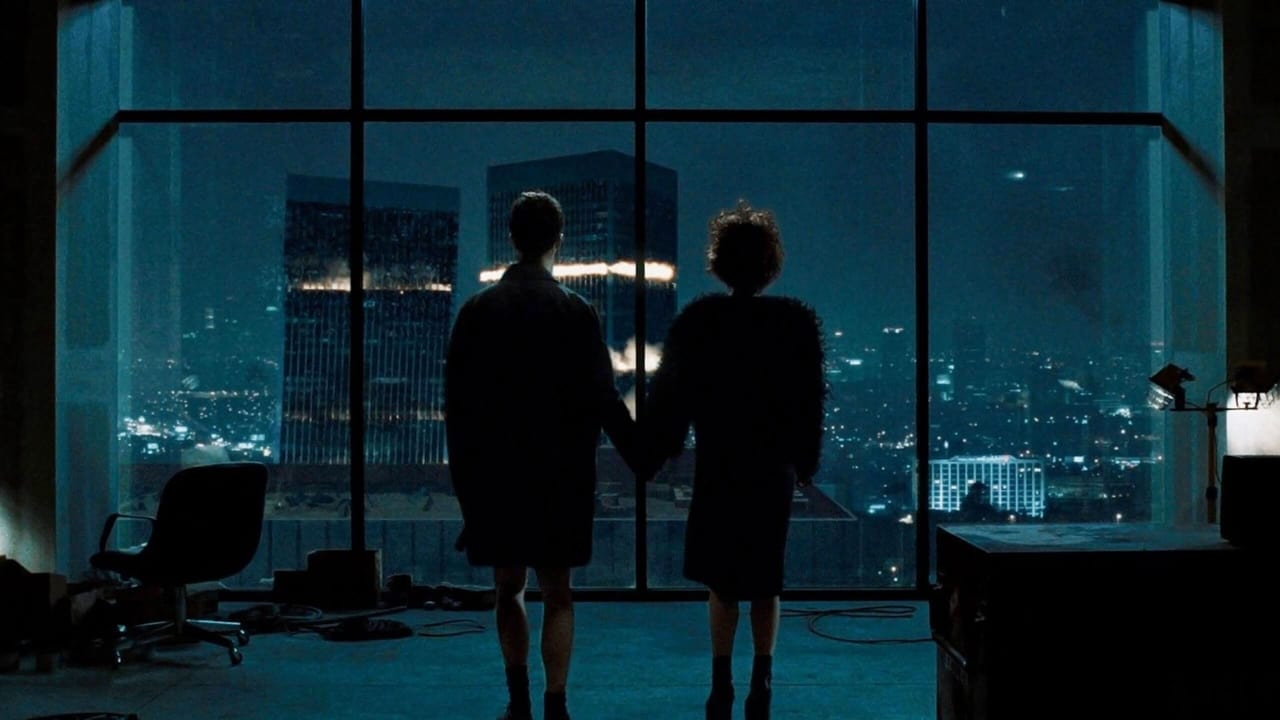
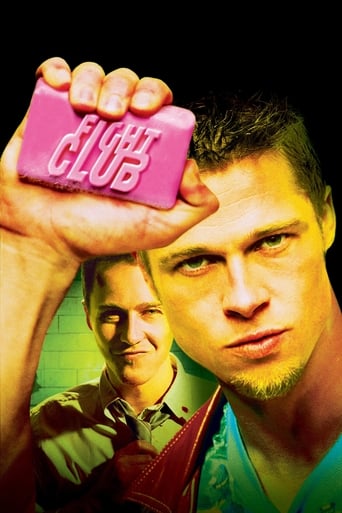
A ticking-time-bomb insomniac and a slippery soap salesman channel primal male aggression into a shocking new form of therapy. Their concept catches on, with underground "fight clubs" forming in every town, until an eccentric gets in the way and ignites an out-of-control spiral toward oblivion.
Ranked by shared directors, cast, themes, genre, and era — not just generic recommendations.
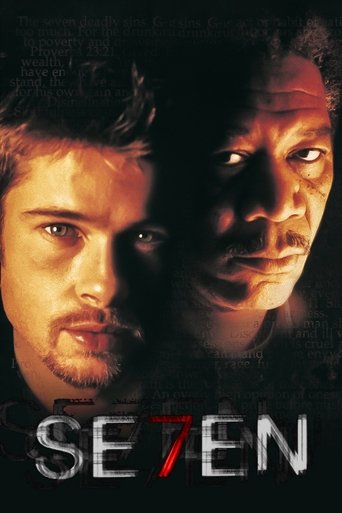
Se7en
Same director Fincher, Brad Pitt, identical dark-industrial tone, nihilistic worldview, male rage, gritty psychological intensity
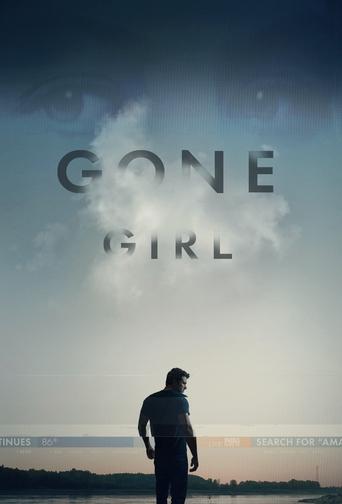
Gone Girl
Fincher directing, unreliable narrator, dark satirical edge on identity and performance of self, adult psychological thriller
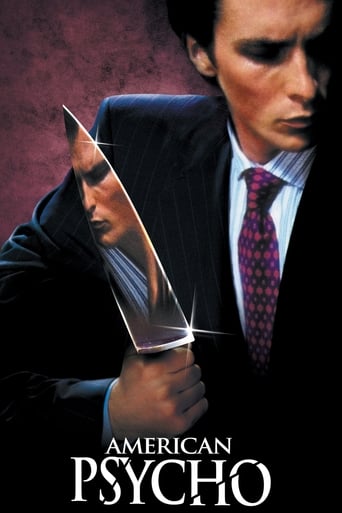
American Psycho
Identical DNA: male identity crisis, dark satire, violent nihilism, unreliable narrator, critique of masculinity/consumerism
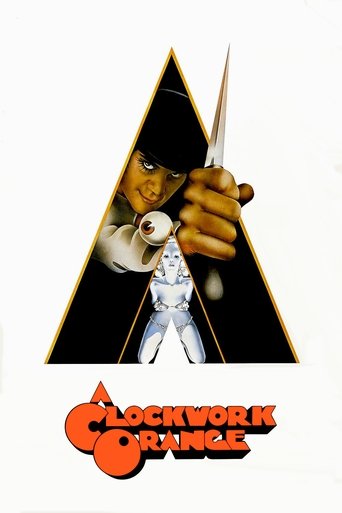
A Clockwork Orange
Anarchist male violence as social critique, dark provocative satire, nihilism, fourth-wall transgression, cult adult audiences
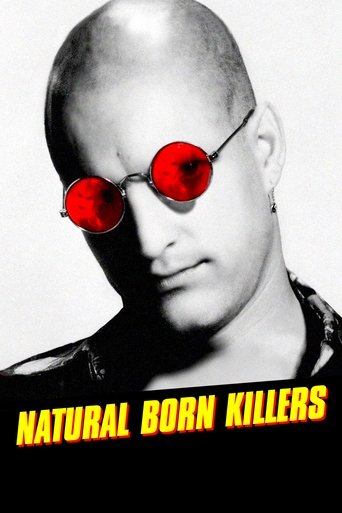
Natural Born Killers
Nihilistic rage, dark satire of media and violence, anarchic anti-establishment tone, adult provocateur film of same era
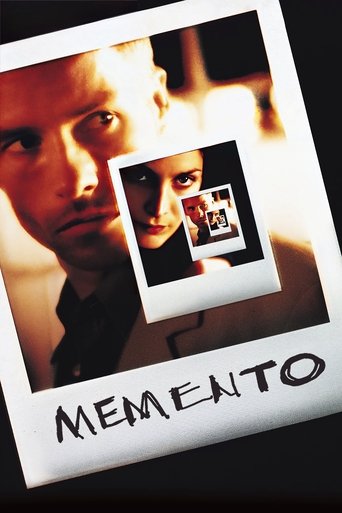
Memento
Fractured identity, unreliable narrator, psychological thriller with twist, dark cerebral tone — same intellectual adult audience

The Girl with the Dragon Tattoo
Fincher directing, dark industrial aesthetic, Jeff Cronenweth DP, gritty psychological thriller for adult audiences
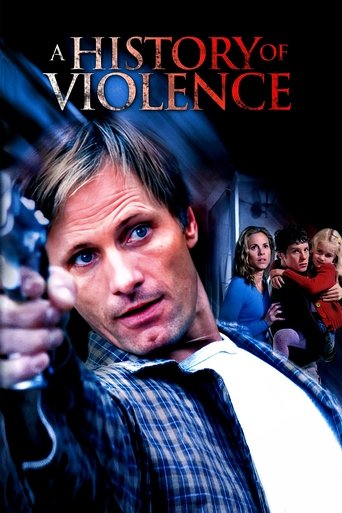
A History of Violence
Dual identity, hidden violent self beneath normal exterior, male rage theme, dark adult thriller with literary ambitions

The Talented Mr. Ripley
Dual identity, fabricated self, murderous alter ego, psychological thriller — same year, same adult audience as Fight Club

Nocturnal Animals
Dark literary thriller, male rage and vulnerability as central theme, layered narrative, moody Fincher-adjacent tone

Donnie Darko
Unreliable narrator, suburban alienation, nihilistic undertone, surreal psychological thriller — same cult adult audience
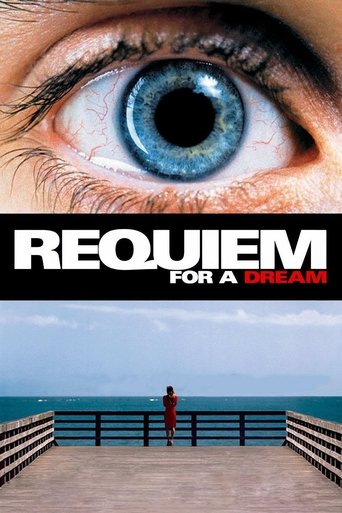
Requiem for a Dream
Relentless nihilism, self-destruction as theme, dark provocateur filmmaking, same year/adult arthouse audience as Fight Club

The Double
Doppelgänger/alter ego identity fracture, dystopian surrealism, paranoia — Fight Club's existential DNA in miniature

Black Swan
Dissociative identity breakdown, psychological horror, dual personality, dark obsessive tone — gender-shifted Fight Club energy

The Social Network
Fincher directing, same narcissistic male protagonist archetype, sharp dark screenplay — tonal peer though no violence/DID
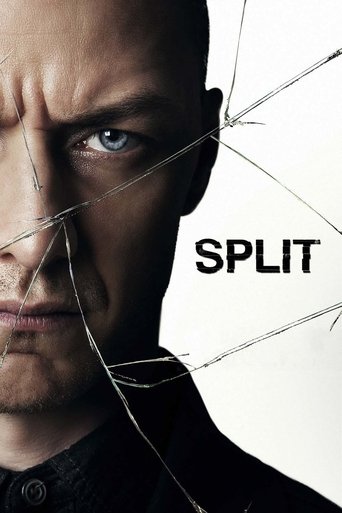
Split
Dissociative identity disorder as core mechanic — shares Fight Club's DID theme but shifts into horror rather than thriller-drama

Psycho
Alter ego, split personality, hidden murderous self — foundational DID thriller, different era but direct thematic ancestor

Apocalypse Now
Nihilism, descent into primal violence, dark masculine journey to oblivion — thematic echo of Fight Club's anarchist endgame

Apt Pupil
Dark obsessive male psychology, secret identity, nihilism creeping in — adult psychological thriller with same brooding tone
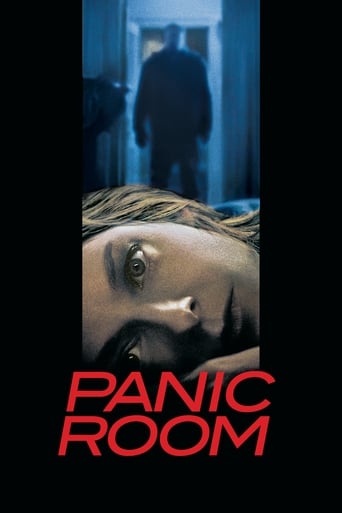
Panic Room
Fincher directing, same craft and visual style — but home invasion thriller lacks Fight Club's identity/nihilism core themes
How Good Is Fight Club?
Ratings across IMDb, Rotten Tomatoes, Metacritic, and TMDB, plus our verdict.
Where to Watch Fight Club
Streaming, rental, and purchase options across 40+ countries.
United States
USIn Theaters
1 Fandango
Rent
3 Amazon Video
 Apple TV Store
 Fandango At Home
Buy
5Amazon Video Barnes & Noble
 Amazon DVD / Blu-rayApple TV StoreFandango At Home
Available in 131 countries
Frequently asked about Fight Club
Common questions people search for, with answers written by us at MoviesPack.
Why is Fight Club so controversial?
Fight Club is controversial for its graphic bare-knuckle violence, its depiction of an anti-consumerist terrorist group (Project Mayhem) that bombs corporate buildings, and its nihilistic tone. It was also criticized on release for what some reviewers saw as glamorizing fascism and toxic masculinity, and has since been embraced by audiences whose readings often contradict author Chuck Palahniuk's and director David Fincher's stated intent as satire.
What is the whole point of the movie Fight Club?
The film is a satire of consumerism, corporate conformity, and a crisis of modern masculinity, showing how the Narrator's rejection of those forces leads him to create Tyler Durden and Project Mayhem as an equally destructive overcorrection. Director David Fincher and author Chuck Palahniuk have described it as a critique of, not an endorsement of, Tyler's worldview.
Is Fight Club a movie about mental illness?
Mental illness is central to the plot: the unnamed Narrator suffers from chronic insomnia and is revealed to have dissociative identity disorder, with Tyler Durden being a hallucinated alternate personality. The film is not a clinical study of these conditions but uses them as a narrative device.
Is Lauren Sanchez in Fight Club?
No. Lauren Sanchez is not credited in Fight Club (1999); the principal female role, Marla Singer, is played by Helena Bonham Carter.
Who is Tyler Durden and what is his relationship to the Narrator?
Tyler Durden is a dissociative identity — a second personality the Narrator unconsciously created as an idealized alter ego. The Narrator, suffering from insomnia and corporate alienation, projected everything he wished he could be onto this imagined figure. Throughout the film they appear to interact as two separate people, but every action Tyler takes is physically performed by the Narrator himself.
When does the Narrator first realize Tyler Durden is not real?
The revelation comes when Marla calls and uses Tyler's name interchangeably with the Narrator's, prompting him to investigate. He then calls the hotels where Tyler supposedly traveled and discovers that he himself checked in under Tyler's name and behaved as Tyler. The montage of rewound scenes drives home that the Narrator was always alone wherever Tyler seemed to be present.
Why does Marla Singer matter to the plot if she mostly appears in the background?
Marla is the grounding tether to reality that Tyler's personality tries to keep the Narrator away from. Because she is a real external person who knew both 'identities,' she represents the threat of exposure — her presence forces the two personalities into conflict. Her genuine emotional connection with the Narrator is also what ultimately pulls him back enough to reject Tyler's plan.
What is Project Mayhem's final goal, and does it succeed?
Project Mayhem's endgame is Operation Latte Thunder: detonating explosives in the basements of major credit card company buildings to erase consumer debt records and collapse the financial system. At the film's end the buildings do explode, suggesting the plan largely succeeds despite the Narrator shooting himself through the cheek to 'kill' Tyler. The final scene shows the skyline collapsing while the Narrator and Marla watch, implying societal disruption is now underway.
Why does the Narrator shoot himself at the end, and does Tyler actually die?
The Narrator shoots himself through the cheek because, as Tyler is a dissociative projection inhabiting the same body, he reasons that a real but non-fatal gunshot can destroy the alter ego without killing himself. The act symbolizes reclaiming control of his own mind — choosing identity over the idealized fantasy. Tyler vanishes after the shot, indicating the dissociation is broken, though the film leaves the Narrator's long-term psychological state deliberately ambiguous.
Recent Updates
Fight Club now streaming on Pathé Home (FR)
Fight Club now streaming on Premiere Max (FR)
Fight Club now streaming on VIVA by videofutur (FR)
Fight Club now streaming on Amazon Video (FR)
Fight Club now streaming on Rakuten TV (FR)