Shows Like Twin Peaks
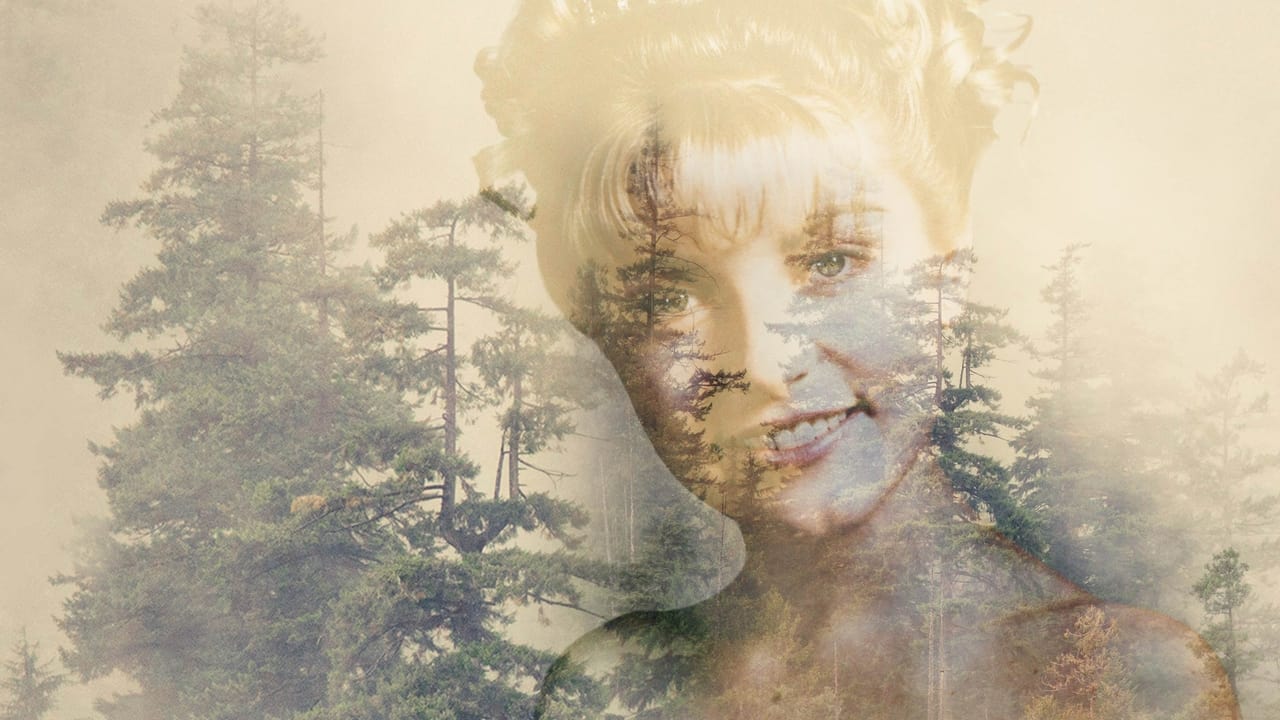
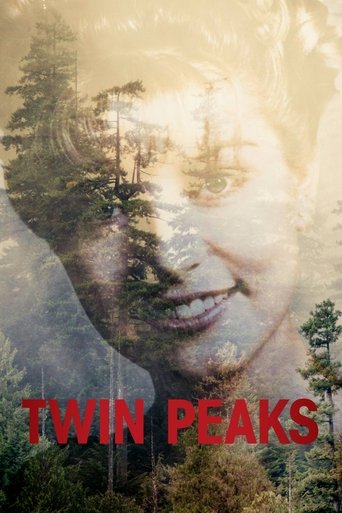
The body of Laura Palmer is washed up on a beach near the small Washington state town of Twin Peaks. FBI Special Agent Dale Cooper is called in to investigate her strange demise only to uncover a web of mystery that ultimately leads him deep into the heart of the surrounding woodland and his very own soul.
Ranked by shared creators, cast, themes, genre, and network — not just generic recommendations.
The X-Files
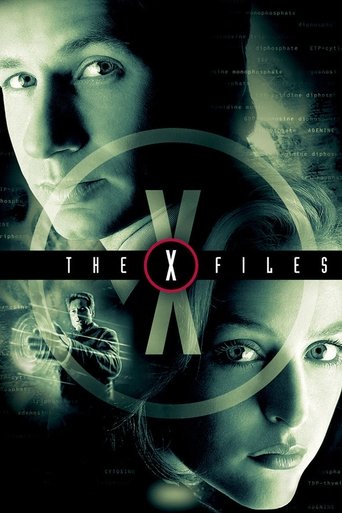
FBI agents investigating paranormal phenomena; born in Twin Peaks' wake and shares its mythology-arc DNA.
American Gothic
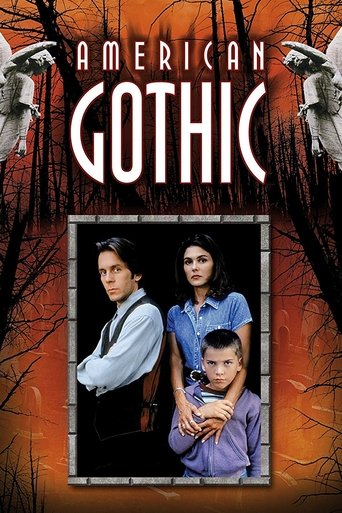
TMDB-flagged similar; evil small-town sheriff with supernatural powers, dead girl ghost, Lynch-era gothic tone.
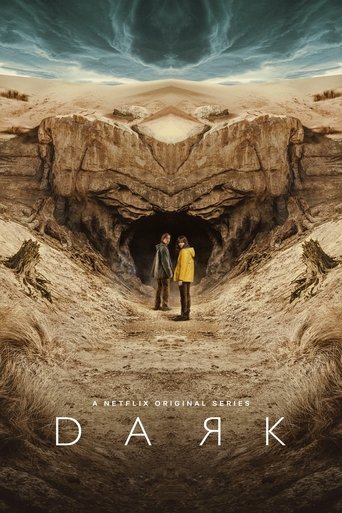
Dark
Missing child in a small town opens a surreal multi-generational mystery; matching 8.7 rating and dreamlike dread.
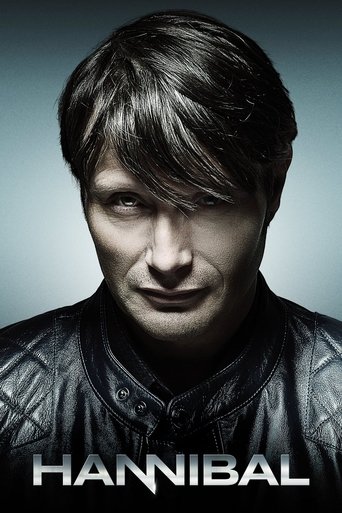
Hannibal
FBI profiler descends into psychological darkness; operatic surrealism and dread that channels Lynch's visual grammar.
True Detective
Ritualistic murder in a strange landscape, philosophical detectives, neo-noir atmosphere; season 1 echoes TP's mood.
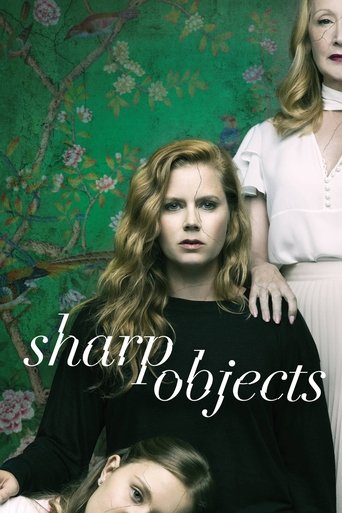
Sharp Objects
Reporter returns to gothic small town for murdered girls case; secrets, trauma, and hallucinatory sequences.
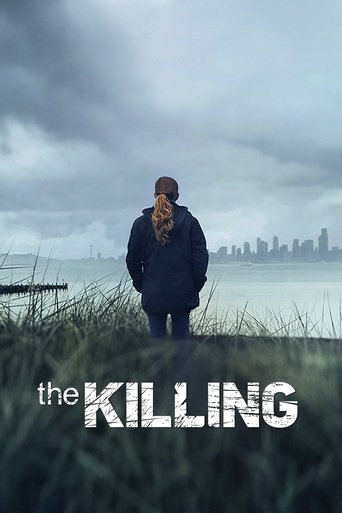
The Killing
Seattle-set, rain-soaked investigation into a murdered teenage girl; rain, secrets, and procedural grief mirror TP.
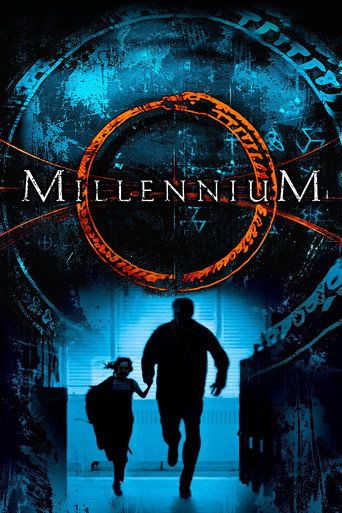
Millennium
Chris Carter follow-up; ex-FBI profiler fights darkness; surrealism, serial killers, conspiracy, and 1990s dread.
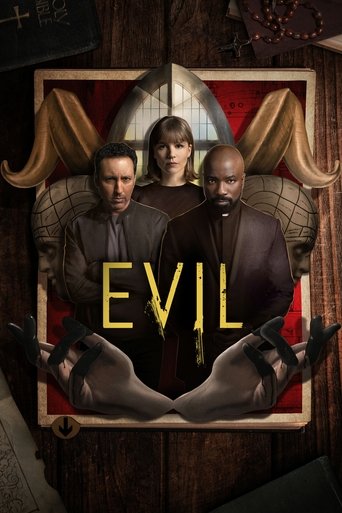
Evil
Paranormal investigations blending skepticism and genuine dread; possession and demonic echoes of the Black Lodge.
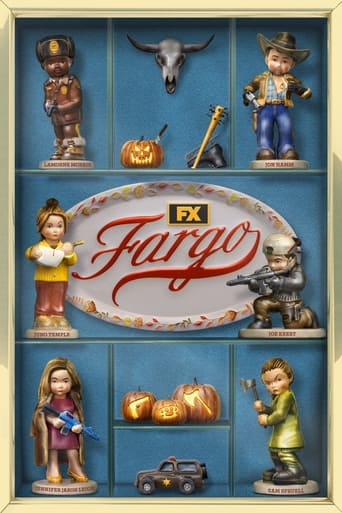
Fargo
Dark crime in a quirky snowbound small town; Coen-esque surrealism, odd locals, and unexpected evil — Lynchian cousin.
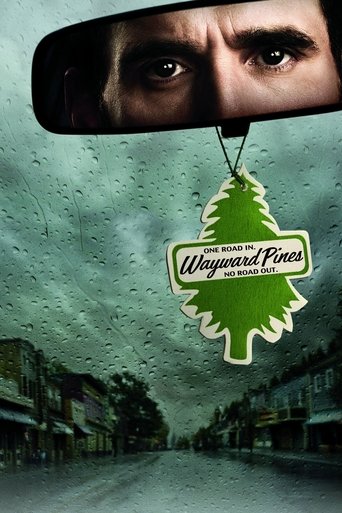
Wayward Pines
Secret agent trapped in a perfect-seeming small town hiding a terrifying truth; directly inspired by Twin Peaks.
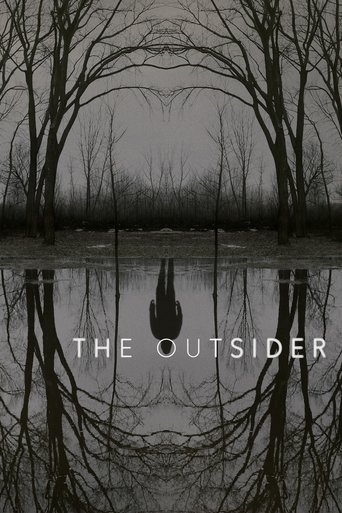
The Outsider
Small-town child murder with a supernatural doppelgänger element; same collision of crime procedural and uncanny horror.
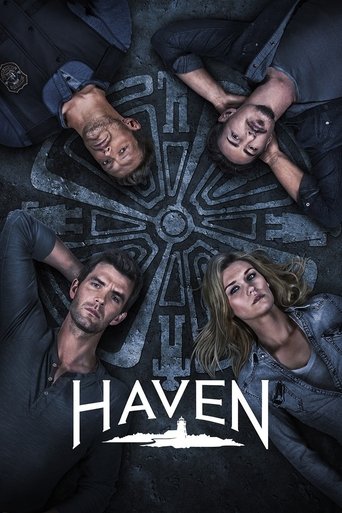
Haven
FBI agent in a mysterious Maine small town with paranormal afflictions; rural supernatural mystery in the TP template.
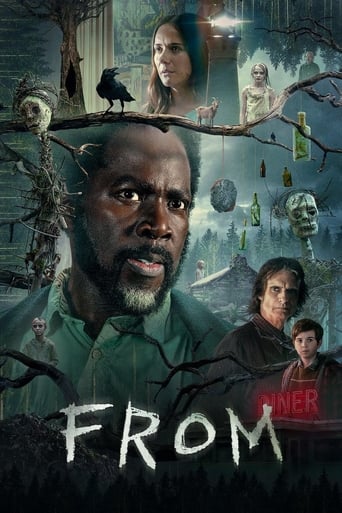
FROM
Trapped small-town, dark forest, unknowable supernatural threat, and a mystery that deepens without easy answers.

The OA
Surreal, mythological storytelling; another dimension, unexplained phenomena, and dreamlike narrative structure.
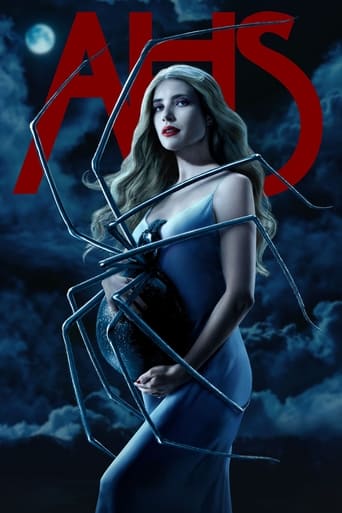
American Horror Story
Anthology horror with serial killers, possession, and surreal horror aesthetics; shares TP's transgressive darkness.
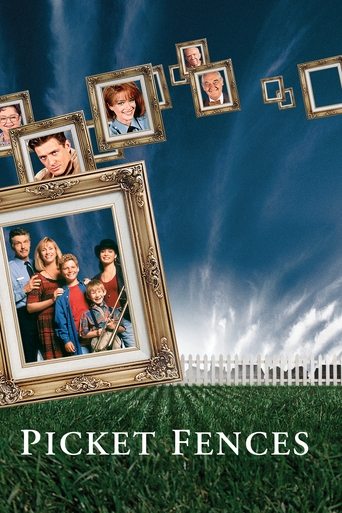
Picket Fences
Quirky small-town sheriff drama with bizarre murders and dark secrets; shares TP's small-town-as-facade premise.
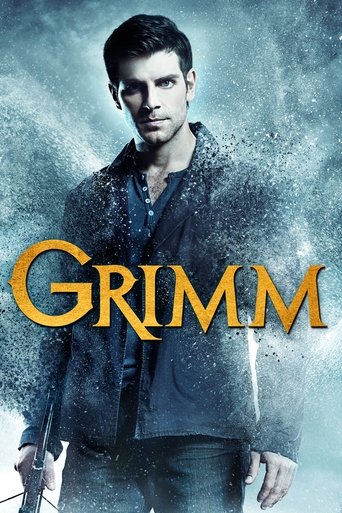
Grimm
Detective uncovering a hidden supernatural world; procedural with mythological darkness beneath normal-looking surface.
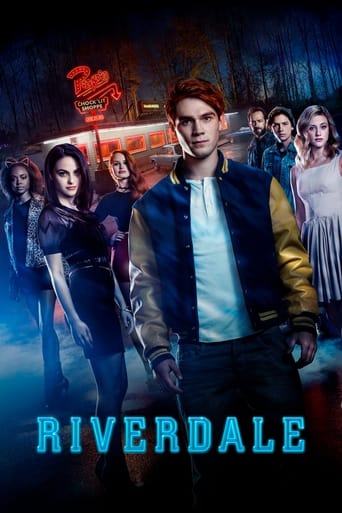
Riverdale
Explicitly Twin Peaks-inspired (murdered girl, dark small town, diner); execution is teen soap but the DNA is there.
How Good Is Twin Peaks?
Ratings across IMDb and TMDB, plus our verdict.
Where to Watch Twin Peaks
Streaming, rental, and purchase options across 40+ countries.
United States
USStream
7 Paramount Plus Premium
 Paramount Plus Essential
 Paramount+ Amazon Channel
 MUBI
MUBI Paramount+ Roku Premium Channel
 MUBI Amazon Channel
 Paramount Plus Apple TV channel
Free with Ads
4 Pluto TVParamount Plus PremiumParamount Plus EssentialParamount Plus Apple TV channel
Buy
3 Apple TV Store
 Fandango At Home
 Amazon Video
Available in 73 countries
Frequently asked about Twin Peaks
Common questions people search for, with answers written by us at MoviesPack.
Who killed Laura Palmer and why?
Laura Palmer was killed by her own father, Leland Palmer, who was possessed by the supernatural entity BOB at the time. BOB is a malevolent spirit from the Black Lodge who had been inhabiting Leland for years and sexually abusing Laura since she was a child. Laura refused to let BOB possess her as well, which ultimately led to her murder. The revelation reframes the entire mystery as a tragedy about abuse, trauma, and the evil lurking beneath the surface of a seemingly idyllic small town.
What is the Black Lodge and why is it significant?
The Black Lodge is a supernatural realm existing in a pocket dimension accessible near Twin Peaks, described as the shadow self of the White Lodge — a place of pure goodness. It manifests as a red-curtained room with a black-and-white zigzag floor, inhabited by entities including BOB, the Man from Another Place (the Arm), and spirits who speak in reversed speech. The Lodge feeds on fear and is tied to the town's strange history, including ancient Owl Cave petroglyphs and the Glastonbury Grove entrance. It represents the Jungian concept of the shadow: the darkness that exists alongside the light in every person and place.
What happens to Agent Cooper at the end of Season 2?
At the end of Season 2, Cooper enters the Black Lodge to rescue Annie Blackburn and is pursued through its corridors by BOB and doppelgangers of people he knows. He fails to escape before dawn and becomes trapped, while his BOB-possessed doppelganger exits the Lodge and walks free in the real world. The final image — Cooper smashing his head into a mirror and laughing maniacally as BOB's reflection grins back — confirms that the man who returned is not the real Cooper. His soul remains imprisoned in the Lodge, a cliffhanger that went unresolved for 25 years until Twin Peaks: The Return.
What is the significance of the owls and the phrase 'the owls are not what they seem'?
The phrase, delivered by the Giant to Cooper, is one of the show's central cryptic warnings. Owls in Twin Peaks are associated with surveillance and the presence of supernatural entities — they appear repeatedly near Lodge-related events and are linked to the ancient Owl Cave drawings. The implication is that owls are vessels or manifestations used by Black Lodge spirits to observe and move through the world undetected. It is part of the show's broader theme that ordinary, familiar things in Twin Peaks conceal something sinister underneath.
Why does BOB need a human host and what is his relationship to Leland Palmer?
BOB is an entity from the Black Lodge who requires a human vessel to exist and act in the physical world, feeding on pain and suffering. He first appeared to Leland Palmer when Leland was a child at Pearl Lakes, and gradually took possession of him over decades. Leland was not fully aware of his actions when BOB was in control, and when confronted with the truth before his death, Leland wept and claimed he did not know BOB was using him. This ambiguity — whether Leland was a victim or a willing participant — is one of the show's most debated moral questions, and creator David Lynch deliberately left the boundary between possession and culpability unresolved.
Recent Updates
New Teaser: Twin Peaks