Shows Like Fargo
A close-knit anthology series dealing with stories involving malice, violence and murder based in and around Minnesota.
Ranked by shared creators, cast, themes, genre, and network — not just generic recommendations.
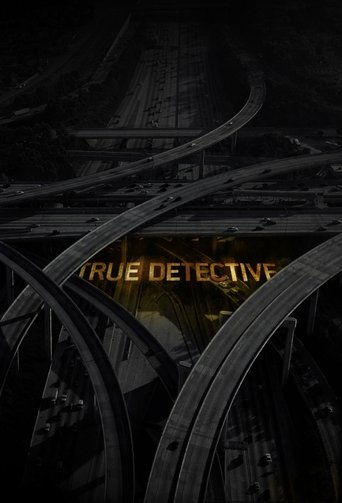
True Detective
Prestige anthology neo-noir crime drama; same era, same audience, same literary ambition and tonal darkness.
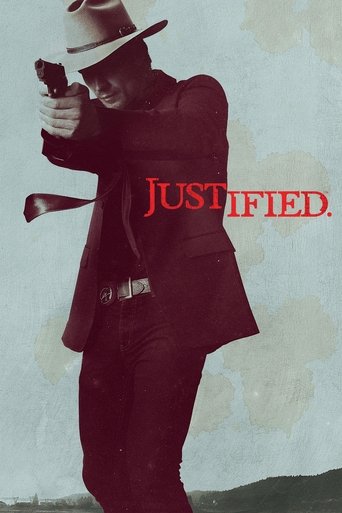
Justified
Literary crime drama with a quirky, darkly comic sensibility, morally complex characters, and rural American setting.
MINDHUNTER
Prestige crime drama, serial killer focus, cold procedural tone, Netflix anthology-adjacent; same prestige audience.
The Killing
Nordic noir–influenced crime drama, cold/wintry setting, slow-burn murder investigation, same prestige-drama audience.
American Crime Story
Prestige anthology crime drama with strong writing and ensemble cast; shares format and tonal seriousness with Fargo.
Barry
Dark comedy crime drama with deadpan Midwestern-adjacent humor, violence, and morally absurd situations.
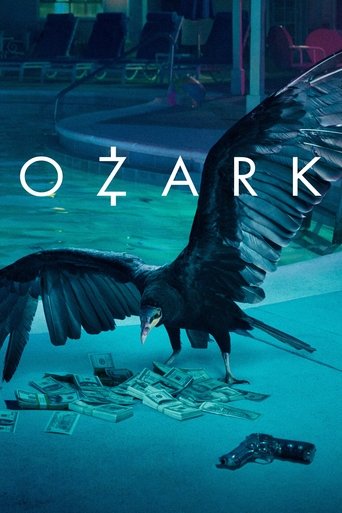
Ozark
Prestige crime drama, neo-noir, ordinary people pulled into criminal world, similar tone and audience to Fargo.
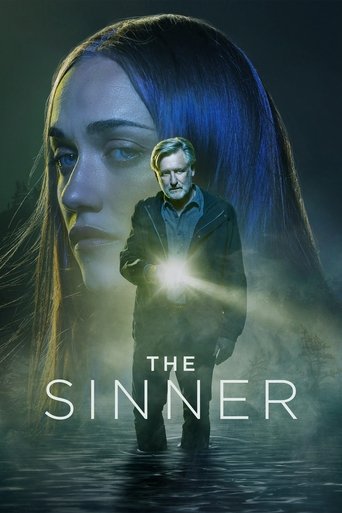
The Sinner
Anthology crime drama with a haunted detective and psychologically layered murder mysteries; same prestige niche.
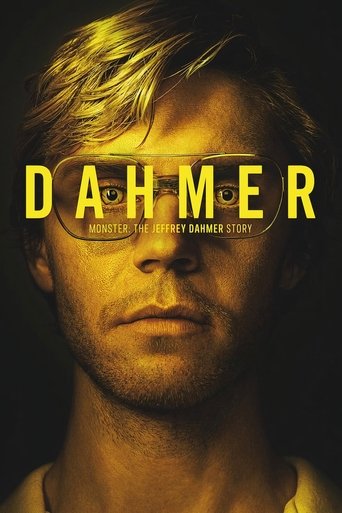
DAHMER - Monster: The Jeffrey Dahmer Story
Crime anthology miniseries exploring criminal psychology and systemic failure; shares anthology format and dark subject matter.
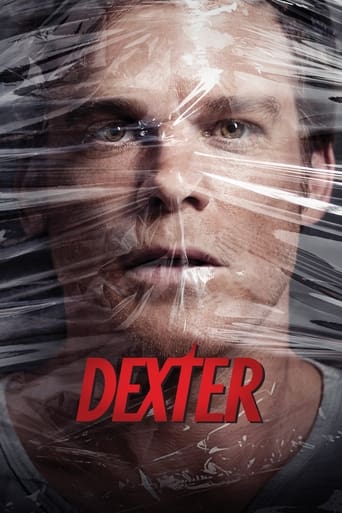
Dexter
Neo-noir crime drama following a killer; shares dark tone, violence, and morally complex protagonist with Fargo.
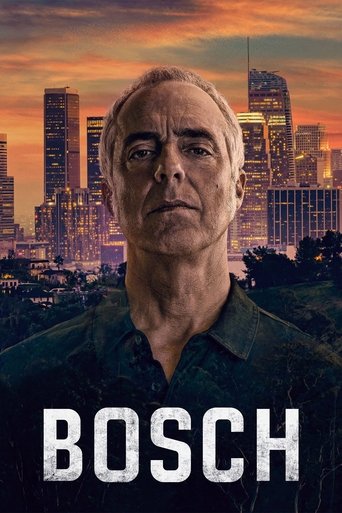
Bosch
Neo-noir crime drama with a principled detective navigating moral ambiguity; strong writing, similar prestige feel.
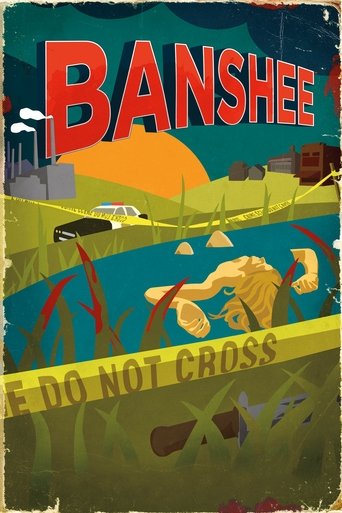
Banshee
Crime drama with an impostor figure in a small community; pulpy and violent, shares criminal-in-plain-sight tension.
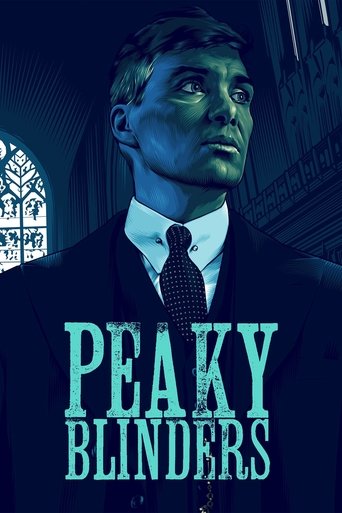
Peaky Blinders
Prestige crime drama with a charismatic criminal lead, period atmosphere, and cinematic production values.
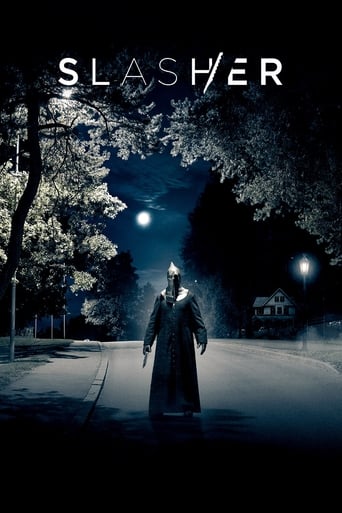
Slasher
Crime-horror anthology with serial killer focus; shares anthology format but skews more horror than Fargo's neo-noir.
Accused
Crime anthology series showing ordinary people in criminal situations from the defendant's POV; format overlap with Fargo.
Fortitude
Nordic noir murder mystery in an isolated Arctic community; cold setting and small-town tension echo Fargo's atmosphere.
Murder in a Small Town
Small-town detective drama with a psychologically weary investigator; tonal and setting parallels to Fargo.
Them
Anthology limited series exploring terror in America; shares anthology DNA and unsettling atmosphere, skews horror.
L.A.'s Finest
Created by Noah Hawley (Fargo showrunner); shares his precise, literary storytelling style despite being sci-fi horror.
Grimm
Detective neo-noir with dark genre elements; the neo-noir thread connects it distantly, though tone and genre diverge.
How Good Is Fargo?
Ratings across IMDb and TMDB, plus our verdict.
Where to Watch Fargo
Streaming, rental, and purchase options across 40+ countries.
United States
USStream
1 Hulu
HuluBuy
5 Fandango At Home
 Amazon Video
 Apple TV Store
 Barnes & Noble
 Amazon DVD / Blu-ray
Available in 121 countries
Frequently asked about Fargo
Common questions people search for, with answers written by us at MoviesPack.
Is Fargo the TV series connected to the Coen Brothers film?
The show exists in the same fictional universe as the 1996 Coen Brothers film, sharing its Minnesota setting, dark-comedy tone, and the recurring theme that evil often arrives from outside a close-knit community. Each season is an anthology with new characters and a new crime story, though subtle references and recurring motifs — including the 'true story' title card — tie them together thematically. The shared universe is more spiritual than literal, meaning characters and plotlines do not directly cross over.
What is the significance of the mysterious UFO in Season 1?
A UFO briefly appears above Lester Nygaard's car during a climactic scene, and no in-universe explanation is ever given. Noah Hawley has described it as a representation of fate or a higher cosmic force intervening in the story, consistent with the Coen Brothers' motif that the universe operates on inscrutable, indifferent logic. It also reinforces the show's Magical Realism streak — strange, unexplained phenomena punctuate each season to signal that the normal rules of cause and effect have been suspended.
Why does Lorne Malvo (Season 1) choose to corrupt Lester Nygaard rather than simply use him?
Malvo is depicted less as a conventional hitman and more as a near-mythological agent of chaos who takes a philosophical interest in ordinary people's hidden capacity for violence and self-interest. He targets Lester because he senses repressed resentment beneath Lester's meek exterior and treats his corruption as a kind of experiment or game. By the end of the season, Lester has fully internalized Malvo's worldview — becoming selfish and murderous — which Malvo regards as the natural outcome of removing social constraints.
What does the 'true story' title card mean when the events depicted are fictional?
The opening card — 'This is a true story. The events depicted took place in Minnesota' — is a direct lift from the 1996 film and is deliberately false, a piece of deadpan dark humor that frames the absurd violence to follow as mundane reality. It sets up the show's central tension: horrific things happen to and among ordinary midwesterners whose politeness and conflict-avoidance make the carnage more, not less, disturbing. The device also nods to the way true-crime media sensationalizes real suffering, implicating the audience in their own appetite for it.
How does each season's anthology structure serve the show's overarching themes?
Each season explores how evil enters and destabilizes a specific American community at a specific historical moment — 2006 Minnesota, 1979 Sioux Falls, 1950s Kansas City, and so on — allowing Hawley to examine different eras of American violence, capitalism, and moral compromise without repeating a formula. The anthology format also reinforces the show's fatalistic worldview: no protagonist's hard-won victory carries forward, and the cycle of crime and consequence simply begins again with new people. Recurring symbols like the mythology-within-mythology and ordinary people pushed to extremes unify the seasons thematically even as the casts and plots change entirely.
Recent Updates
New Trailer: Fargo