Shows Like The Good Doctor
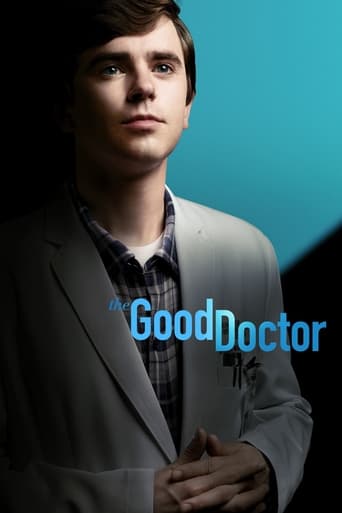
Shaun Murphy, a young surgeon with autism and savant syndrome, relocates from a quiet country life to join a prestigious hospital's surgical unit. Unable to personally connect with those around him, Shaun uses his extraordinary medical gifts to save lives and challenge the skepticism of his colleagues.
Ranked by shared creators, cast, themes, genre, and network — not just generic recommendations.
House
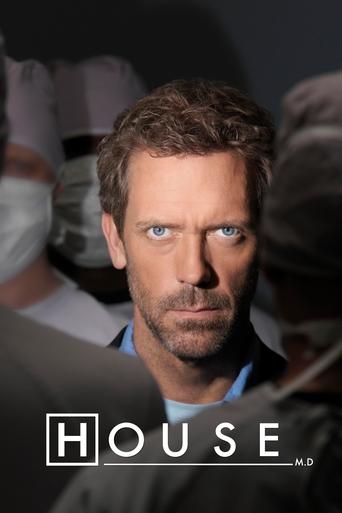
Same creator David Shore; same 'brilliant but socially unconventional doctor' premise; diagnostic medical drama.
Brilliant Minds
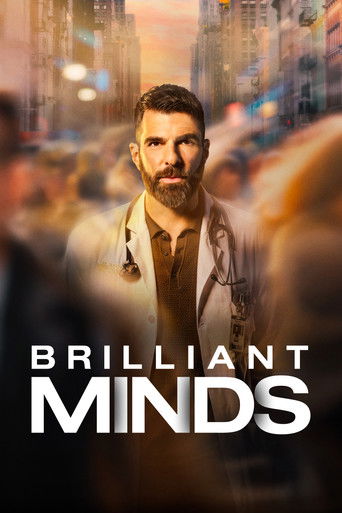
Gifted doctor with a neurological condition (face blindness) solving complex cases; same eccentric-genius-heals framing.
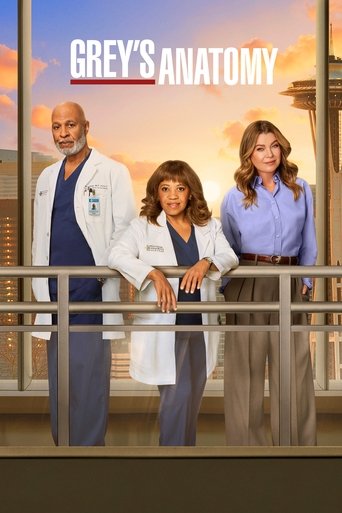
Grey's Anatomy
Long-running serialized hospital drama; emotional character arcs + surgery cases; overlapping audience and tone.
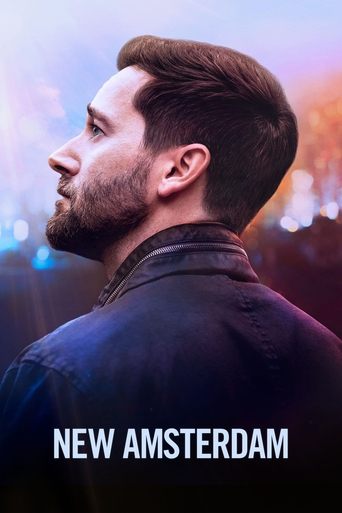
New Amsterdam
Idealistic doctor challenging hospital norms; warm, hopeful tone; serialized character drama alongside cases.
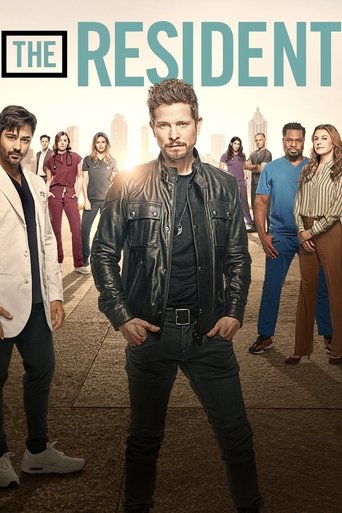
The Resident
Idealistic young doctor mentored by unconventional senior; hospital drama with systemic-critique thread.
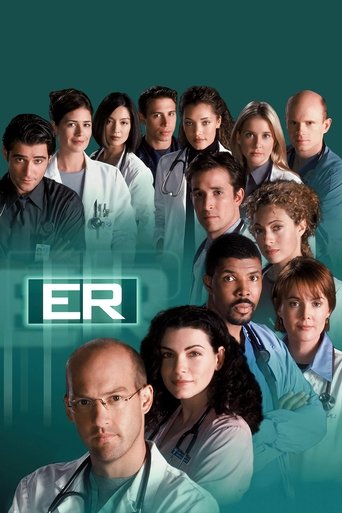
ER
Definitive serialized hospital ensemble drama; same emotional stakes, character growth, and medical-case structure.
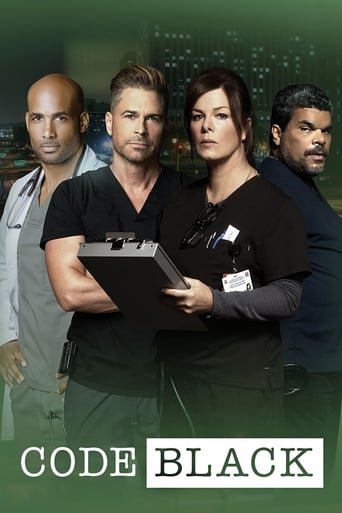
Code Black
Emotionally driven hospital drama in a high-pressure setting; residents growing under fire; same audience.
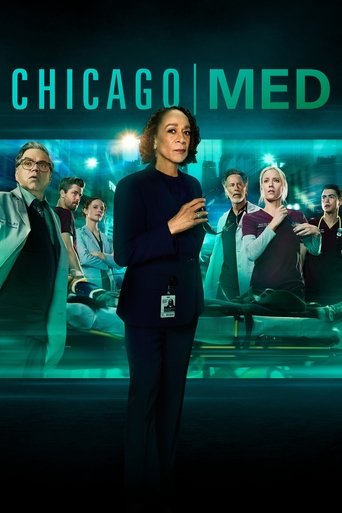
Chicago Med
Serialized hospital drama; ethical dilemmas + character relationships; proven co-watch with Good Doctor viewers.

PULSE
ER residents navigating medical crises and personal drama; contemporary hospital procedural-drama hybrid.
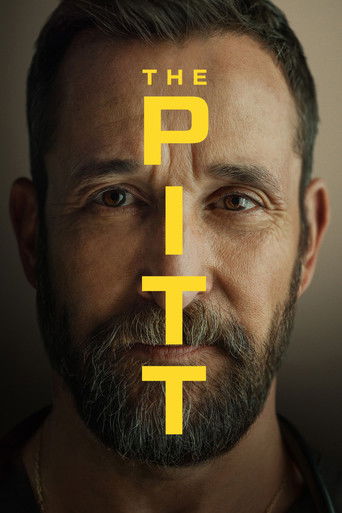
The Pitt
New prestige ER drama (Max); real-time trauma-bay storytelling; same engaged hospital-drama audience.
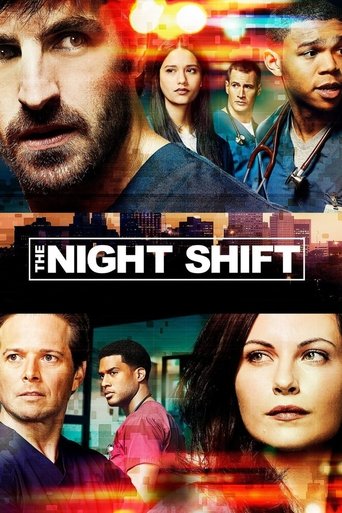
The Night Shift
Hospital drama with unconventional doctors; emotional serialization and medical cases; same network-drama audience.
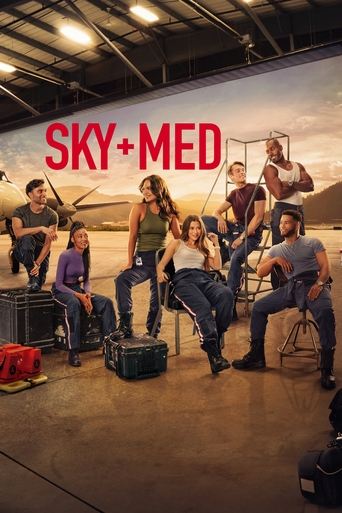
SkyMed
Medical drama with young professionals in high-stakes rescues; character-driven but air-ambulance niche shifts setting.
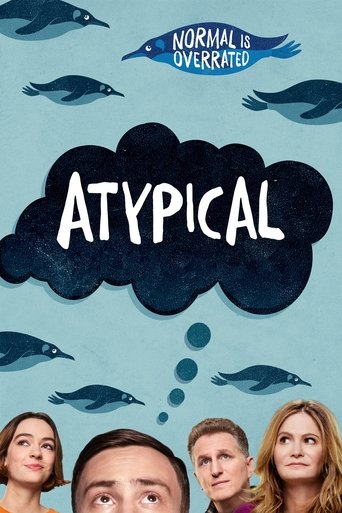
Atypical
Autism at the center; heartfelt and empathetic tone; different genre (comedy/teen) but shares The Good Doctor's core theme.
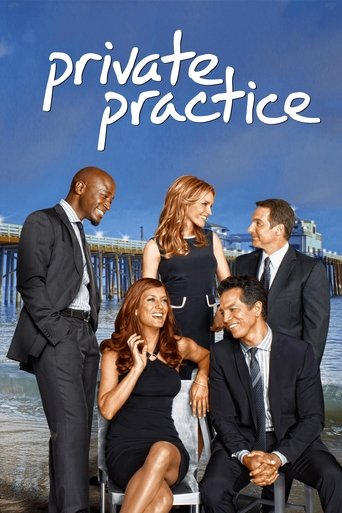
Private Practice
Grey's Anatomy spinoff; outpatient medical drama; overlapping audience but lighter serialization.
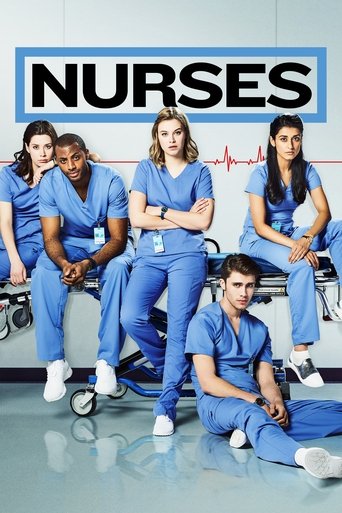
Nurses
Hospital-set drama following frontline medical staff; similar emotional beats but nurse-POV shifts the lens.
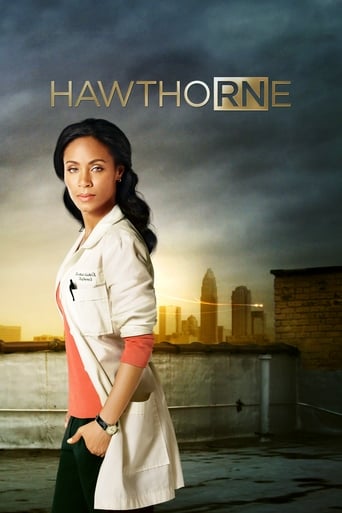
Hawthorne
Nurse-led hospital drama; compassionate protagonist fighting institutional limits; tonal overlap with Good Doctor.
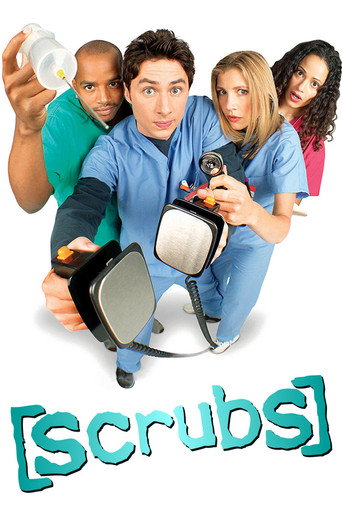
Scrubs
Hospital setting with earnest young doctor protagonist; lighter/comedic tone but shares heart and growth arc.
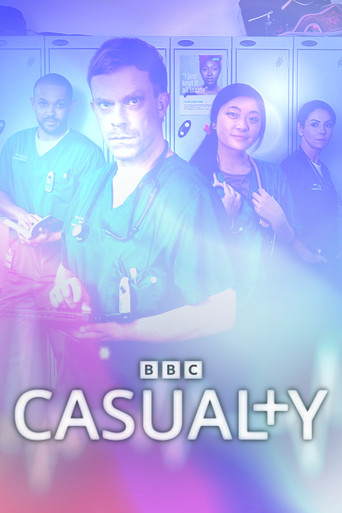
Casualty
Long-running UK hospital drama; soap structure and older pacing differ but emotional medical drama DNA overlaps.

Doogie Kamealoha, M.D.
Young prodigy doctor navigating professional brilliance vs. personal immaturity; lighter tone but same gifted-outsider hook.
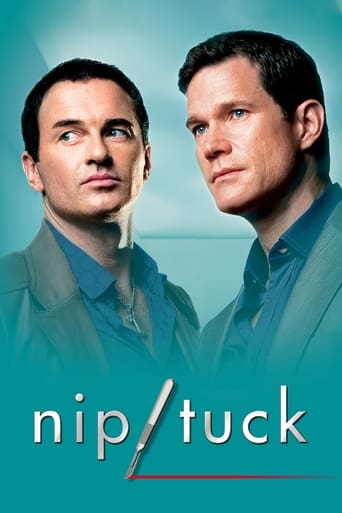
Nip/Tuck
Medical setting (plastic surgery) but dark, provocative, and adult-soap in tone; shares only the 'doctor drama' label.
How Good Is The Good Doctor?
Ratings across IMDb and TMDB, plus our verdict.
Where to Watch The Good Doctor
Streaming, rental, and purchase options across 40+ countries.
United States
USStream
1 Hulu
HuluBuy
6 Amazon DVD / Blu-ray
 Amazon Video
 Apple TV Store
 Fandango At Home
 Barnes & Noble
 Zavvi
ZavviAvailable in 132 countries
Frequently asked about The Good Doctor
Common questions people search for, with answers written by us at MoviesPack.
Why does Shaun Murphy talk to his dead brother Steve in his head?
Shaun's older brother Steve was his closest protector and only real companion during their shared childhood of abuse and homelessness. Steve died after falling from a boxcar while the two were running away from home together, leaving Shaun with profound guilt and grief. Shaun internalizes Steve's voice as a coping mechanism and a source of courage, particularly in moments when he doubts himself or feels isolated from the people around him.
How does Shaun's autism and savant syndrome actually help him diagnose patients?
Shaun has exceptional visual memory and pattern recognition, allowing him to instantly recall medical literature and cross-reference rare symptom combinations that neurotypical doctors might overlook. He frequently visualizes the human body in three dimensions, mentally dissecting anatomy to identify the source of a problem before anyone else in the room. However, the show also portrays this as a double-edged trait — his literal interpretation of information sometimes leads him down the wrong diagnostic path when the critical clue is emotional or social rather than physiological.
What is the significance of the toy scalpel Shaun carries throughout the series?
The toy scalpel was a gift from his brother Steve, given to Shaun when he expressed his dream of becoming a surgeon as a child. It serves as a physical talisman connecting him to Steve's memory and to the moment his life's ambition was first articulated. Shaun holds onto it during moments of crisis, and it represents the promise Steve made that Shaun's difference was a gift, not a flaw.
Why does Dr. Aaron Glassman take such a personal interest in Shaun's career and wellbeing?
Glassman encountered Shaun as a child and recognized both his extraordinary mind and the neglect he was suffering, informally becoming a mentor and father figure. He championed Shaun's admission to San Jose St. Bonaventure Hospital against considerable opposition from the board, staking his professional reputation on Shaun's ability to succeed. Their relationship is further complicated by Glassman's own losses — including the estrangement from his daughter — which make Shaun a surrogate he feels compelled to protect and guide.
Does Shaun ever fully overcome his communication difficulties, or does the show treat them as permanent?
The show portrays Shaun's growth as real but bounded — he learns specific social scripts, develops genuine romantic and collegial relationships, and becomes more adept at reading emotional context over time. However, the series is careful not to frame this as a cure or a trajectory toward neurotypicality; Shaun's autism remains a core part of who he is rather than an obstacle to be eliminated. His progress is shown as him expanding his own toolkit for navigating a world built for different minds, not as him becoming someone fundamentally different.
Recent Updates
New Trailer: The Good Doctor