Shows Like The Pitt
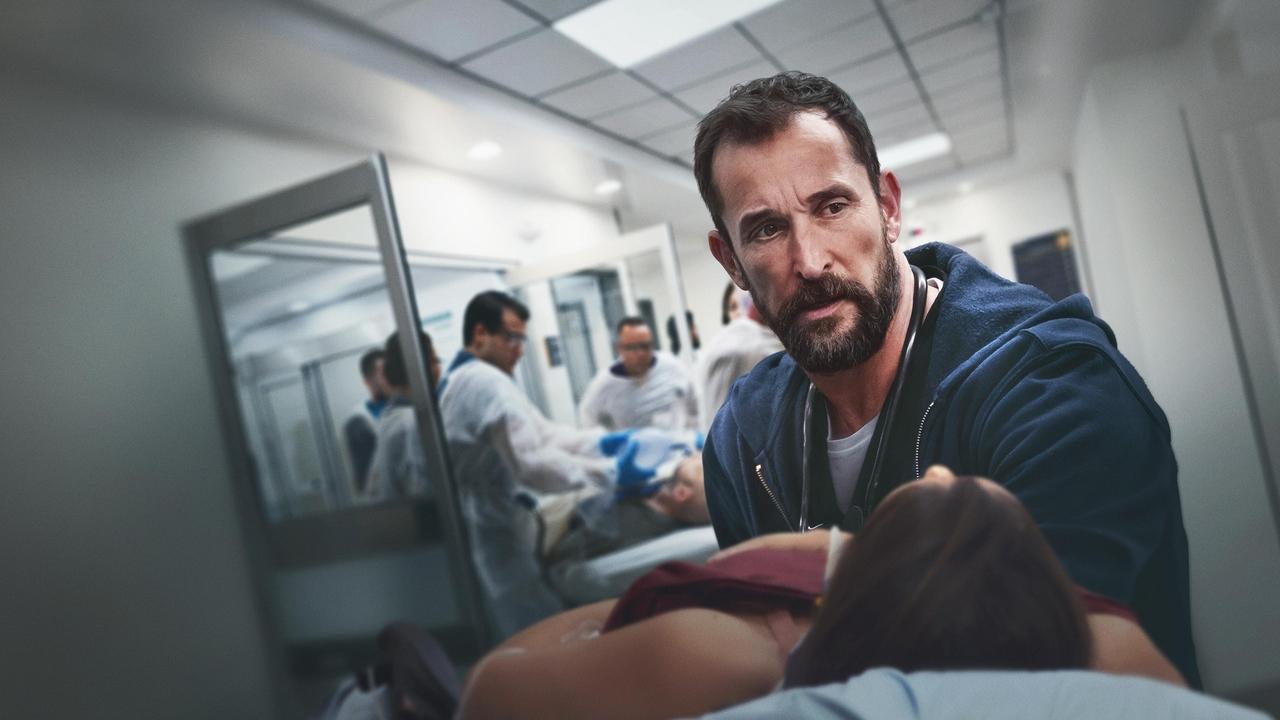
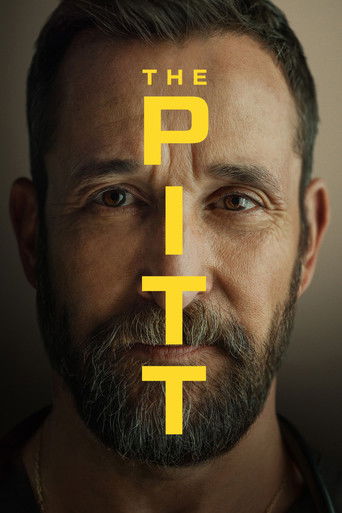
The staff of Pittsburgh's Trauma Medical Center work around the clock to save lives in an overcrowded and underfunded emergency department.
Ranked by shared creators, cast, themes, genre, and network — not just generic recommendations.
ER
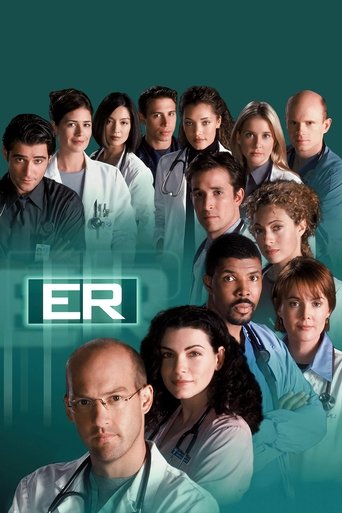
R. Scott Gemmill wrote/EP'd ER for years; The Pitt is its direct spiritual successor with Noah Wyle reprising an ER-doctor archetype.
Code Black
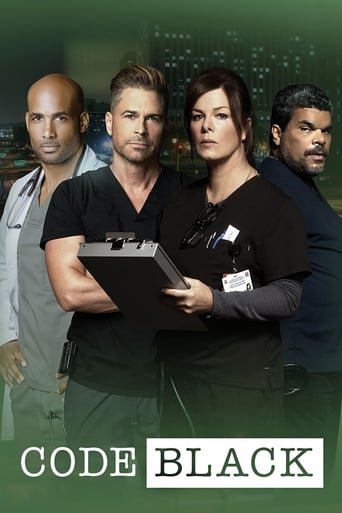
Nearly identical premise: overcrowded, under-resourced ER with gritty realism and ensemble staff navigating a broken system.
Transplant
Gritty serialized ER drama with character-first storytelling, systemic critique, and same prestige-TV tone as The Pitt.
Five Days at Memorial
Prestige limited series set inside a hospital under extreme crisis; same unflinching look at overwhelmed medical staff and ethical stakes.

PULSE
Direct contemporary peer: ER residents, same procedural-serialized format, same 2025 prestige-medical-drama audience.
The Resident
Hospital drama with systemic critique angle — corrupt administration vs. idealistic doctors — same serious tone and adult audience.
St. Elsewhere
Pioneered the underfunded urban teaching hospital drama The Pitt inhabits; gritty, ensemble, same DNA as ER and The Pitt.
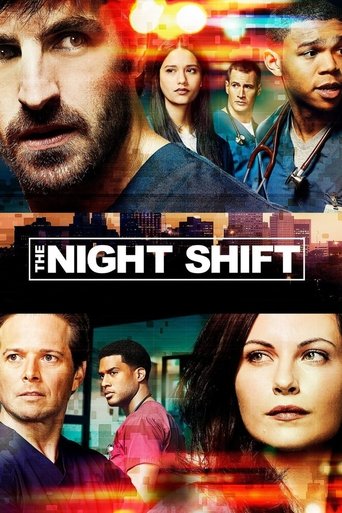
The Night Shift
ER-set serialized drama with trauma/adrenaline focus and ensemble cast; slightly more action-leaning but same ED premise.
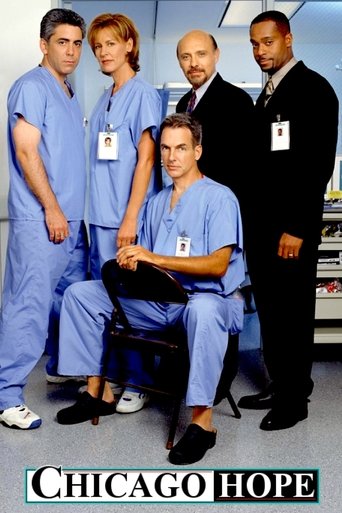
Chicago Hope
90s prestige hospital drama; same era and credibility as ER, adult audience, serialized character arcs in a hospital setting.
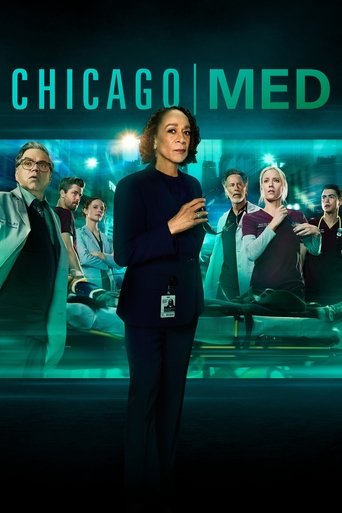
Chicago Med
ED-focused procedural-serialized hybrid; same hospital setting and audience, though less prestige and more franchise procedural.
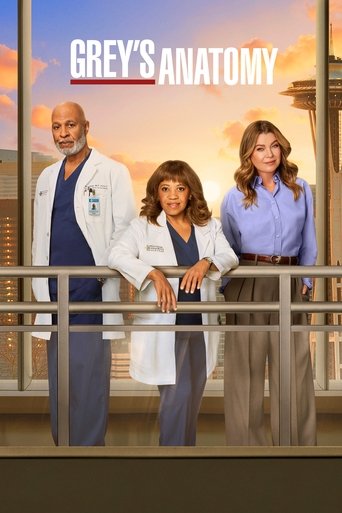
Grey's Anatomy
Biggest hospital drama in TV history; same audience and setting, though tone skews soap where The Pitt stays grounded.
Casualty
UK's flagship ED drama; same emergency-department setting and ensemble realism, long-running institutional credibility.
Getting On
UK hospital drama (later US remake) with unflinching realism about underfunded ward staff; shares The Pitt's institutional-critique tone.
The Good Doctor
Hospital procedural-serialized drama with large overlapping audience; tone is warmer but same medical-workplace genre shelf.

SkyMed
Medical emergency drama with ensemble staff under pressure; air ambulance setting is adjacent but same life-or-death stakes genre.
Saving Hope
Canadian hospital drama with same ensemble structure; supernatural subplot keeps it off the peer shelf but medical setting overlaps.
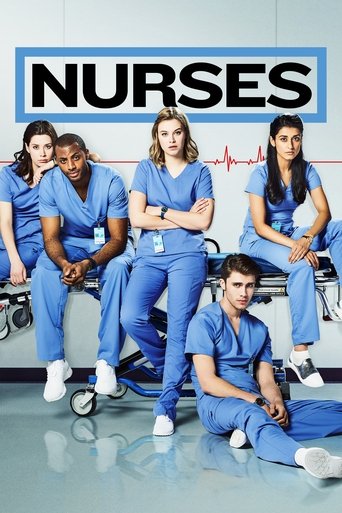
Nurses
Hospital ensemble drama from same Canadian prestige-TV pipeline as Transplant; lower stakes but same frontline-staff perspective.
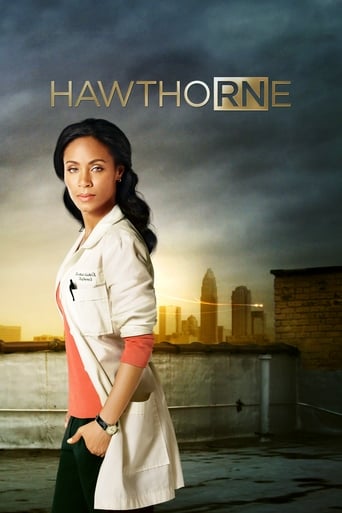
Hawthorne
Nursing-focused hospital drama; shares the frontline-care-under-pressure theme but targets a softer network audience.

Doctor Odyssey
Medical drama with ensemble cast and procedural cases; Ryan Murphy's camp tone and cruise-ship setting distance it from The Pitt.
How Good Is The Pitt?
Ratings across IMDb and TMDB, plus our verdict.
Where to Watch The Pitt
Streaming, rental, and purchase options across 40+ countries.
United States
USStream
2 HBO Max Amazon Channel
 HBO Max
Available in 94 countries
Frequently asked about The Pitt
Common questions people search for, with answers written by us at MoviesPack.
What is the significance of the show's real-time format and how does it shape the storytelling?
The Pitt is structured so that each episode represents one hour of a single 15-hour overnight shift in a Pittsburgh trauma center, with the full season covering one continuous day. This real-time constraint forces every character decision and patient crisis to unfold without time-jumps, heightening the sense of urgency and making fatigue, moral compromise, and split-second choices feel immediate. The format echoes the ER genre tradition but strips away the usual narrative breathing room, so character revelations must emerge organically from the chaos rather than through reflection.
Why is Dr. Robby haunted by the events of the COVID-19 pandemic, and how does that trauma drive his behavior during the shift?
Dr. Michael 'Robby' Robinavitch lost his mentor and father figure during the pandemic surge and carries guilt over decisions made under impossible resource constraints — choices he believes cost lives that might otherwise have been saved. This unresolved grief manifests as an obsessive protectiveness over his residents and a tendency to shoulder responsibility that should be distributed across his team. Throughout the shift, situations that mirror pandemic-era triage dilemmas trigger visible psychological fractures, revealing how many frontline workers normalized trauma they never actually processed.
What does the recurring tension between the attending physicians and hospital administration represent thematically?
The friction between Robby's team and the administrators reflects the show's core argument that modern American emergency medicine has been restructured around financial metrics at the expense of patient care and staff wellbeing. Administrators push for faster patient throughput and cost containment while the floor staff deal with the downstream consequences — boarding patients in hallways, insufficient staffing, and moral injury from being unable to provide the standard of care they were trained to deliver. This tension is not framed as individual villainy but as systemic pressure that corrupts well-meaning people at every level of the hierarchy.
How does the show handle the fentanyl overdose storylines, and what do they reveal about the Pitt's community?
Multiple overdose cases arrive throughout the shift, and the show depicts the staff cycling through compassion fatigue — some residents show genuine empathy while others struggle to conceal frustration at repeat patients they have already Narcan-revived several times. The cases function as a lens on the Pittsburgh neighborhood itself, illustrating how the opioid crisis intersects with poverty, lack of mental health infrastructure, and systemic neglect. Rather than resolving these cases neatly, the show frequently ends them in ambiguity — patients who survive the overdose leave without resources, suggesting the ER is a revolving door rather than a solution.
What happens with the mass casualty event late in the season and how do the characters' earlier decisions come back to matter?
In the final hours of the shift, a multi-vehicle accident sends a wave of critical patients into an already overwhelmed department, forcing triage decisions that directly test every shortcut and staffing gap established earlier in the day. Robby must rely on residents he has been simultaneously protecting and undertrusting, and the outcomes of those cases hinge on whether he has given them enough autonomy to act independently under pressure. The sequence is constructed so that minor choices made in hour one — a resident's confidence knocked by an earlier rebuke, a supply cabinet left understocked — cascade into life-or-death consequences, reinforcing the show's thesis that systemic dysfunction has compounding effects.
Recent Updates
New Teaser: The Pitt
New Trailer: The Pitt