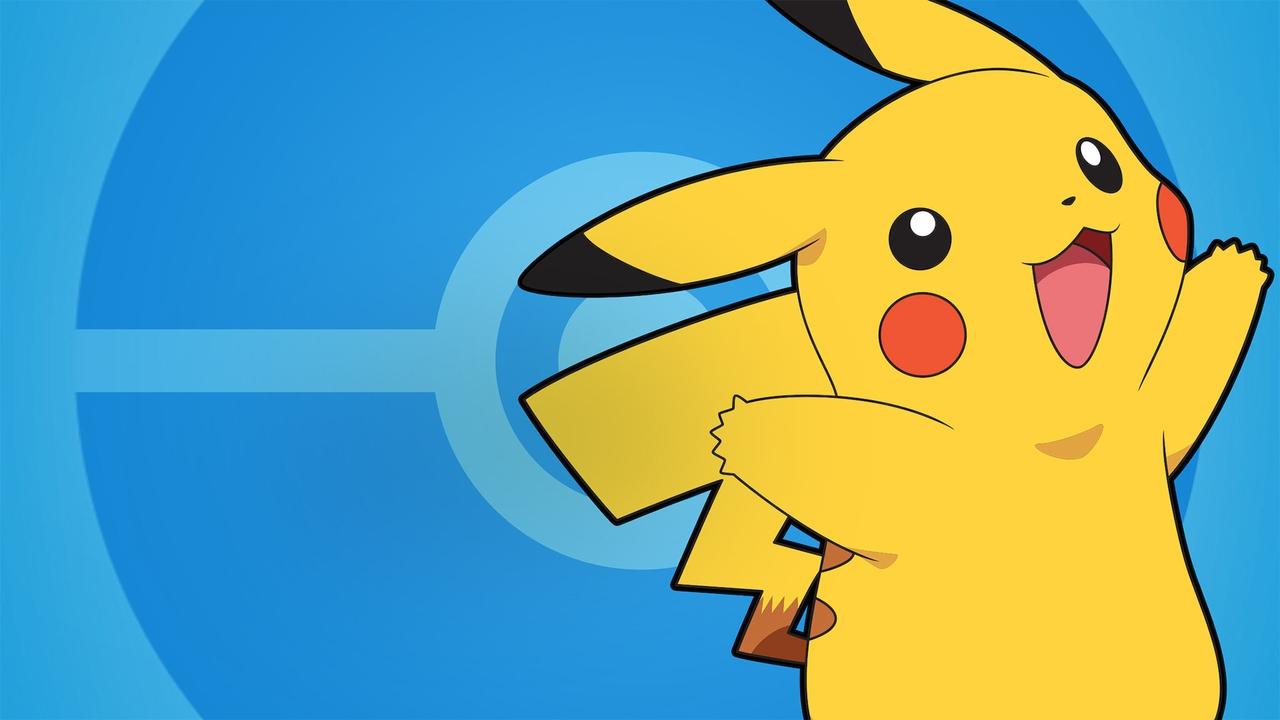

Shows Like Pokémon
Join Ash accompanied by his partner Pikachu, as he travels through many regions, meets new friends and faces new challenges on his quest to become a Pokémon Master.
Ranked by shared creators, cast, themes, genre, and network — not just generic recommendations.
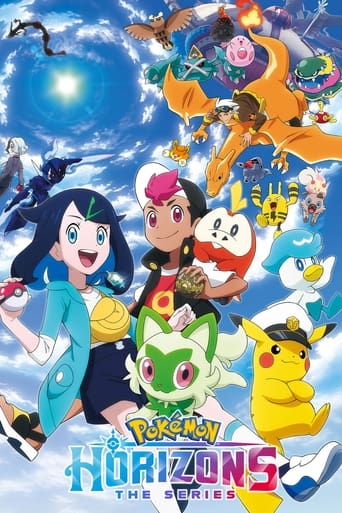
Pokémon Horizons
Direct franchise continuation — same Pokémon universe, same creature-adventure format, new protagonists
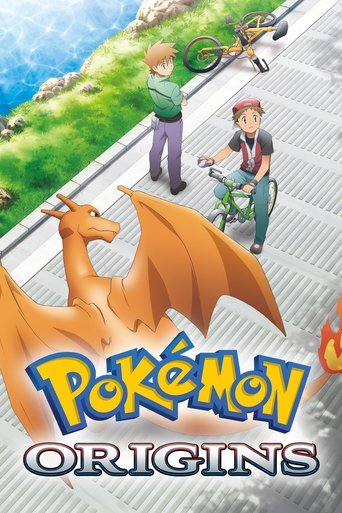
Pokémon Origins
Same Pokémon franchise, Kanto retelling based on the original games, same creature-collecting premise
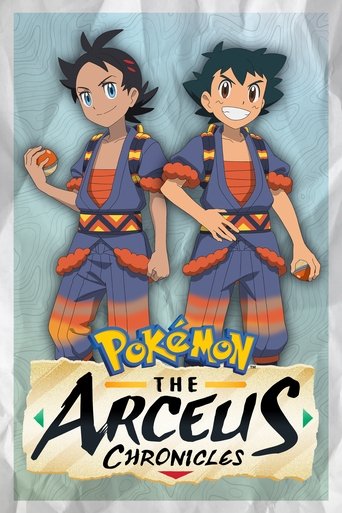
Pokémon: The Arceus Chronicles
Same Pokémon franchise, same cast, same universe — miniseries spinoff of the main series
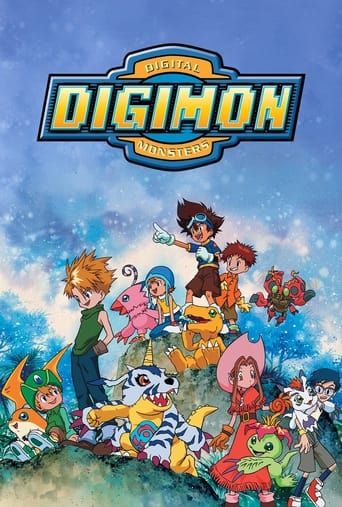
Digimon: Digital Monsters
Quintessential creature-taming proxy-battle kids anime; same genre, tone, and target audience as Pokémon
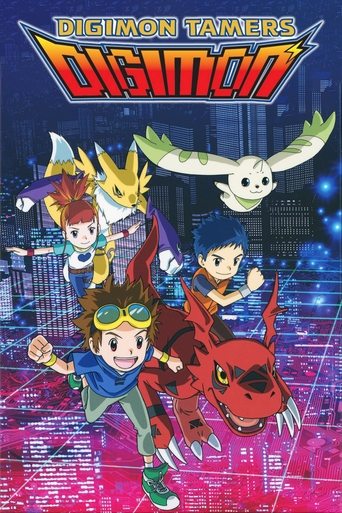
Digimon Tamers
Digimon franchise — creature partners, kids as tamers, proxy battles; same audience and format
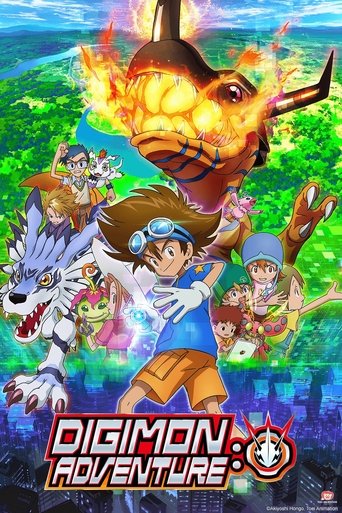
Digimon Adventure:
Digimon reboot — creature evolution, tournament battles, kids adventure; direct genre and audience peer
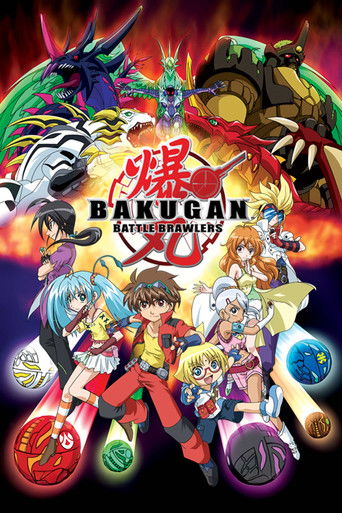
Bakugan Battle Brawlers
Kids creature/proxy-battle anime based on a toy line; same demographic, creature collecting, battle tournaments
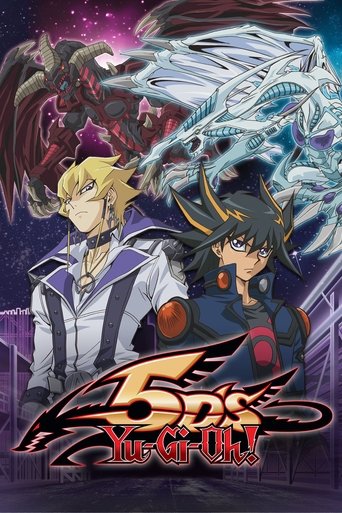
Yu-Gi-Oh! 5D's
Shounen proxy-battle anime (card game vs creatures); same kids tournament-focused format and energy
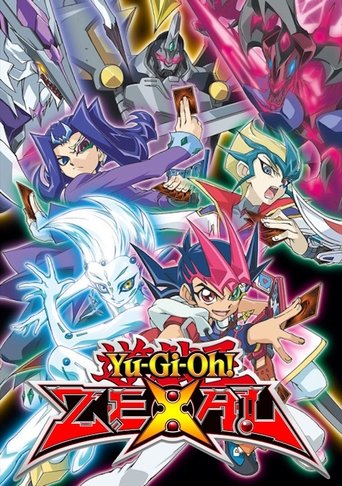
Yu-Gi-Oh! Zexal
Shounen card-battle anime with monster proxies; same kids tournament structure and adventure episodics
Digimon Adventure:
Original Digimon — the closest peer to Pokémon; creature partners, kids heroes, parallel world adventure
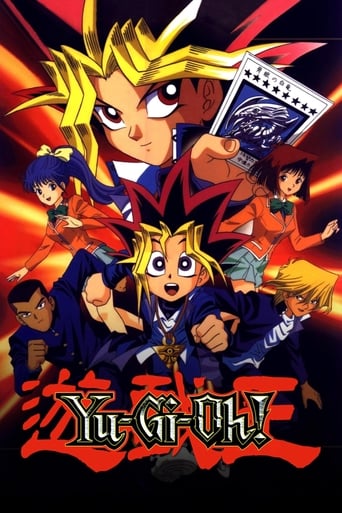
Yu-Gi-Oh!
Original Yu-Gi-Oh! — iconic proxy-battle tournament anime; same kids demographic, game-based adventure
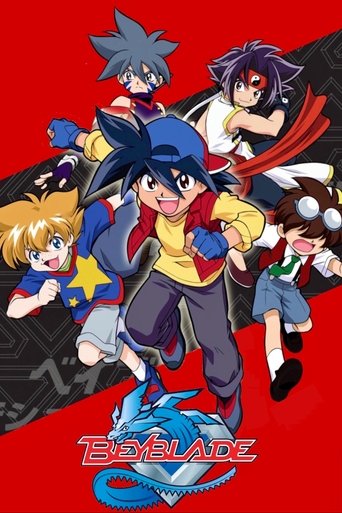
Beyblade
Kids competitive spinning-top battle anime; same creature/proxy-battle format, tournament arcs, young protagonist

One Piece
Long-running shounen adventure anime with friendship/quest core; same era and audience, broader scope
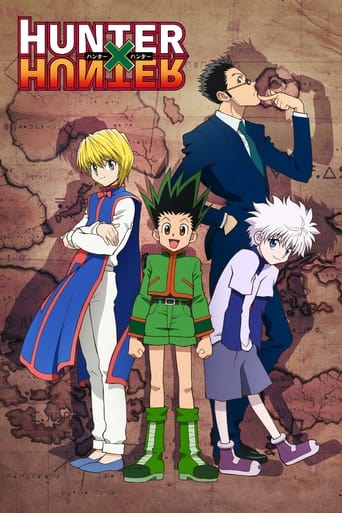
Hunter x Hunter
Shounen adventure/tournament anime with creature-hunting licence arc; shares quest, friendship, and tournament DNA
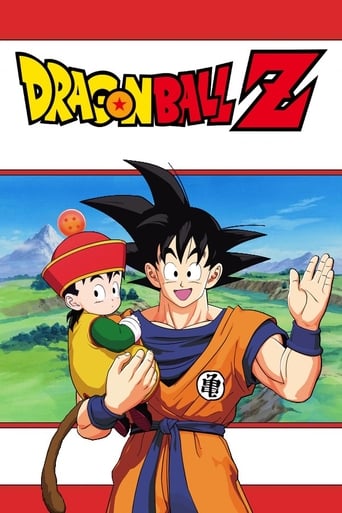
Dragon Ball Z
Iconic shounen battle anime with tournament arcs; same broad audience but darker and more combat-focused
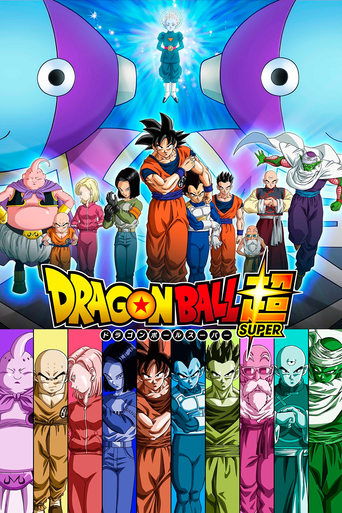
Dragon Ball Super
Continuation of Dragon Ball — tournament arcs, adventure, same shounen sensibility; adjacent audience shelf
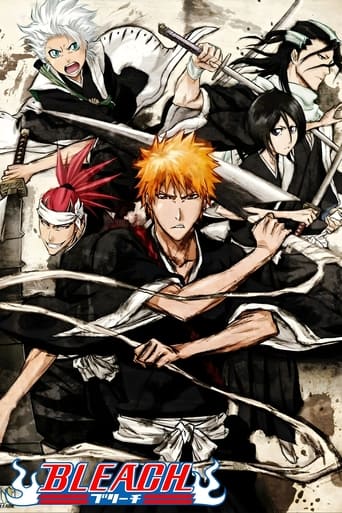
Bleach
Big-three shounen anime; high school protagonist gains powers, episodic arcs — adjacent to Pokémon's audience growth
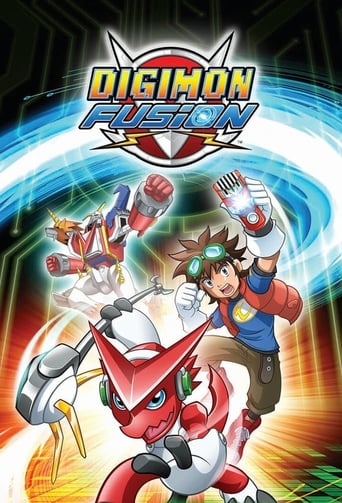
Digimon Fusion
Later Digimon entry with fusion mechanic; creature battles and kids heroes but less direct peer than earlier Digimon
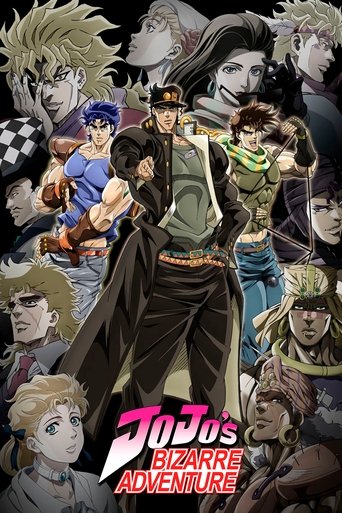
JoJo's Bizarre Adventure
Adventurer-driven anime with eccentric battles; tonal cousin for older Pokémon fans but wildly different tone/audience
How Good Is Pokémon?
Ratings across IMDb and TMDB, plus our verdict.
Where to Watch Pokémon
Streaming, rental, and purchase options across 40+ countries.
United States
USStream
3 Netflix
 Disney Plus
 YouTube TV
Free with Ads
1 Tubi TV
Buy
4 Apple TV Store
 GRUV
GRUV Amazon DVD / Blu-ray
 Amazon Video
Available in 124 countries
Frequently asked about Pokémon
Common questions people search for, with answers written by us at MoviesPack.
Why does Ash's Pikachu refuse to go into its Poké Ball?
When Ash first received Pikachu, the Pokémon was defiant and disobedient, refusing to battle or follow Ash's commands. After Ash shielded Pikachu from a flock of wild Spearow with his own body, Pikachu saw that Ash genuinely cared for it and chose to stay by his side — but from that point on, Pikachu insisted on traveling outside its Poké Ball as a sign of their bond of trust rather than a trainer-owned possession dynamic.
What happened to Ash at the end of the first episode that set the tone for the series?
At the climax of the first episode, Ash and Pikachu are cornered by hundreds of angry Spearow. Ash throws himself in front of Pikachu to protect it, and in response Pikachu releases a massive thunderbolt that drives the flock away. The two then witness a mysterious golden Pokémon flying through a rainbow — widely interpreted as Ho-Oh — which foreshadows Ash's destiny as a Pokémon trainer and hints at legendary Pokémon existing beyond the world he knows.
Why does Mewtwo harbor so much hatred toward humans in Pokémon: The First Movie?
Mewtwo was created by scientists who cloned it from the DNA of the ancient Pokémon Mew, essentially bringing it into existence as a living weapon. When Mewtwo became aware of its own nature and that it was being exploited by Team Rocket's Giovanni, it felt profound betrayal — it had no say in being created, no identity beyond serving others, and no understanding of love or choice. This existential anger drives its desire to destroy both humans and the original Pokémon to create a world ruled by clones.
What is the significance of Ash turning to stone and Pikachu's tears reviving him in Pokémon: The First Movie?
When Ash runs between Mew and Mewtwo's clashing energy blasts to stop their battle, he is turned to stone — a consequence of being caught in the crossfire of godlike power. Pikachu's tearful, desperate attempts to revive Ash, joined by the tears of all the other Pokémon present, ultimately restore him to life. The scene illustrates the film's central theme that love and genuine emotional bonds — not battle strength — are the most powerful force in the Pokémon world, and it is the only moment in the anime where Pikachu's tears have this magical restorative effect.
Why does Team Rocket follow Ash throughout the series instead of reporting back to Giovanni?
Jessie, James, and Meowth were tasked by Giovanni with capturing rare or powerful Pokémon, and they became fixated on Ash's Pikachu after recognizing that its electric power far exceeded a normal specimen. Each failed attempt to capture Pikachu became a point of obsession and pride — admitting failure and returning empty-handed would mean disgrace within Team Rocket. Over time the trio also developed a complicated, quasi-familial attachment to their rivalry with Ash, which kept them pursuing him across every region even as Giovanni largely forgot about them.
Recent Updates
New Trailer: Pokémon