Shows Like Marvel's Daredevil
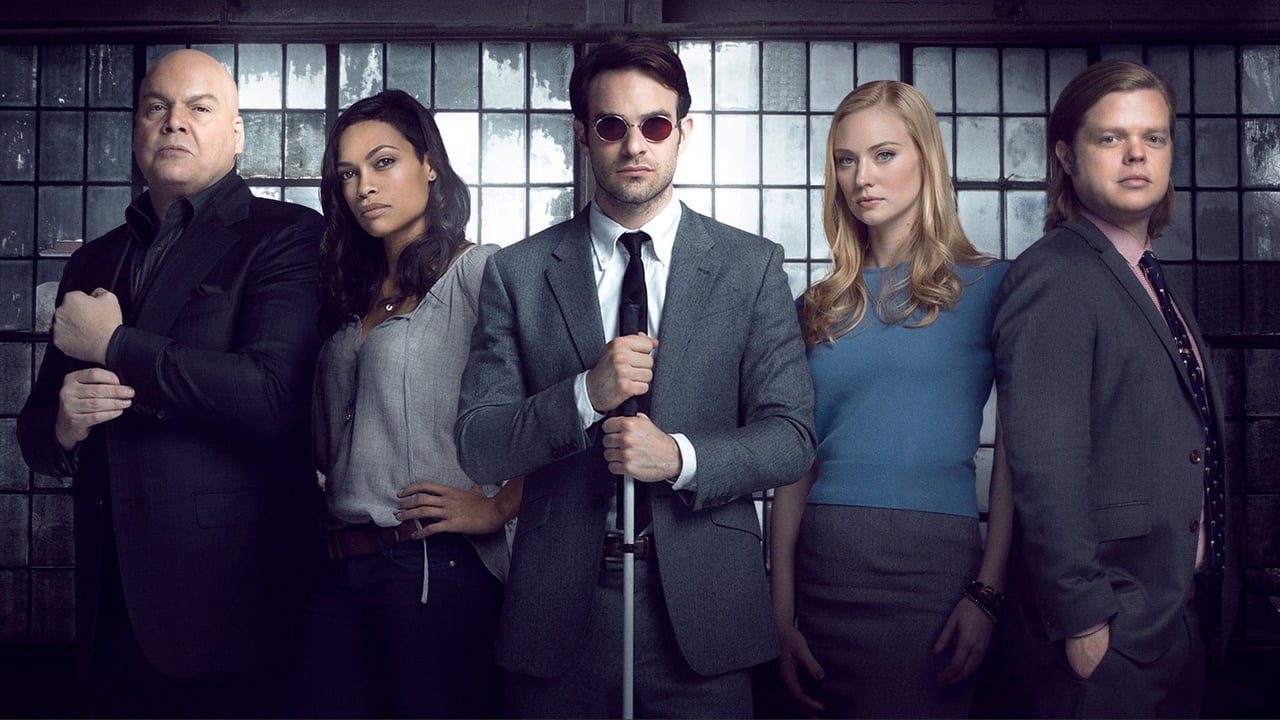
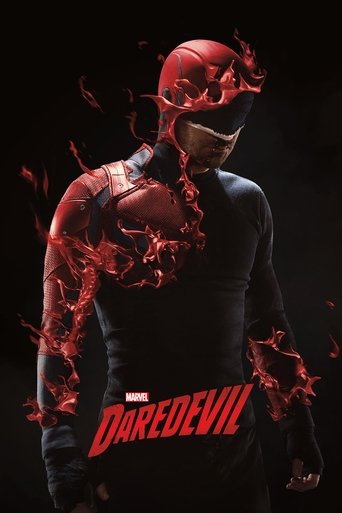
Lawyer-by-day Matt Murdock uses his heightened senses from being blinded as a young boy to fight crime at night on the streets of Hell’s Kitchen as Daredevil.
Ranked by shared creators, cast, themes, genre, and network — not just generic recommendations.
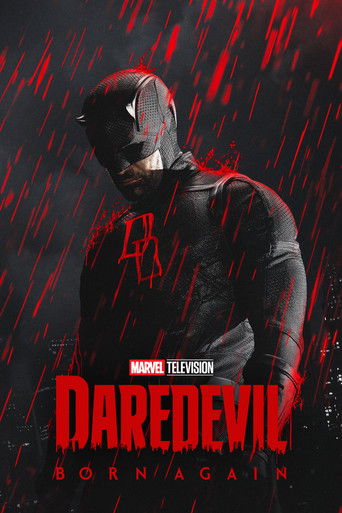
Daredevil: Born Again
Direct continuation with same lead cast (Cox, D'Onofrio); same character, same Hell's Kitchen world, MCU canon sequel.
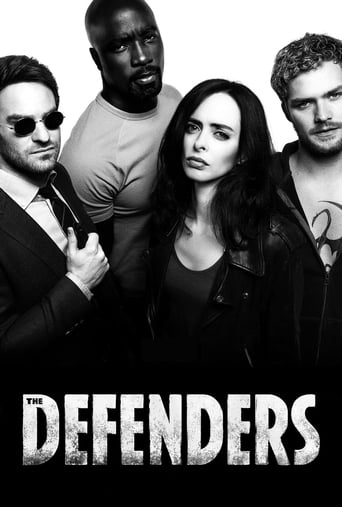
Marvel's The Defenders
Direct crossover — Daredevil is a main character; same Netflix MCU universe, same street-level tone.
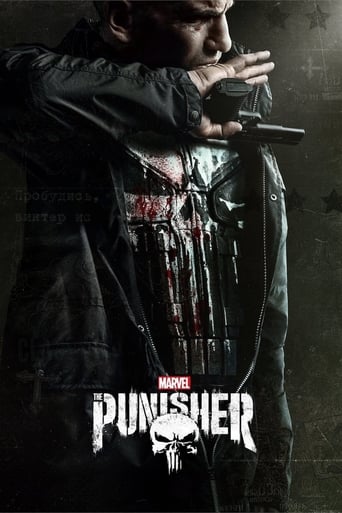
Marvel's The Punisher
Netflix MCU peer show; Punisher debuted in Daredevil S2, same dark vigilante tone and production quality.

Marvel's Jessica Jones
Netflix MCU street-level show; same dark neo-noir NYC tone, high-quality villain writing, same universe.

Marvel's Luke Cage
Netflix MCU franchise entry; same street-level hero in NYC, shares Defenders cast, same production slate.

High Potential
Created by Drew Goddard (Daredevil's creator); crime procedural DNA, though lighter in tone.
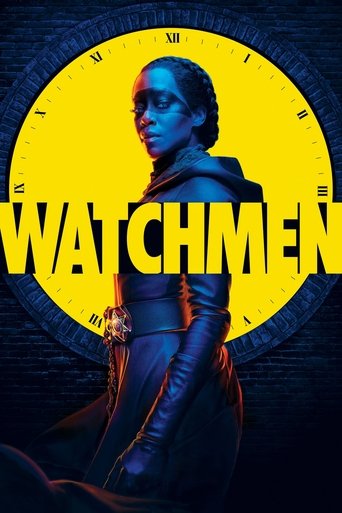
Watchmen
Dark, morally complex superhero/vigilante drama; deconstructs the genre with literary ambition; graphic-novel source.

Gotham
Dark crime city, corruption-soaked setting, pre-superhero vigilante origins; similar gritty broadcast tone.
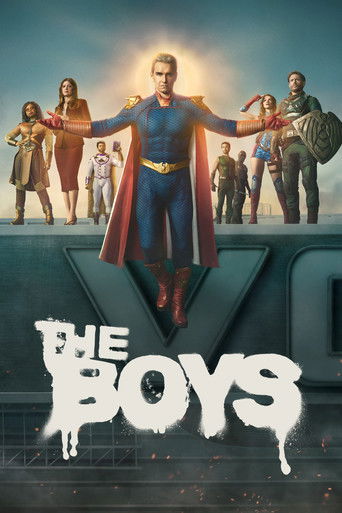
The Boys
Dark subversive superhero drama; corrupt power structures, street-level violence, morally grey protagonists.
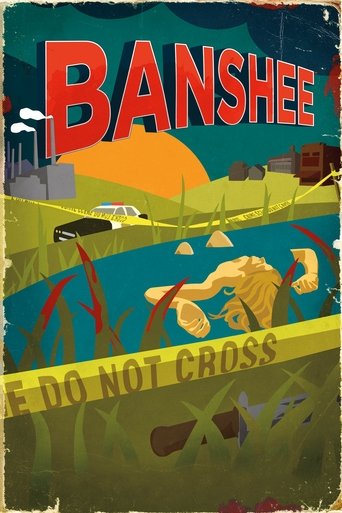
Banshee
Ex-con vigilante with secret identity fights crime and corruption in a small city; brutal action, noir crime tone.
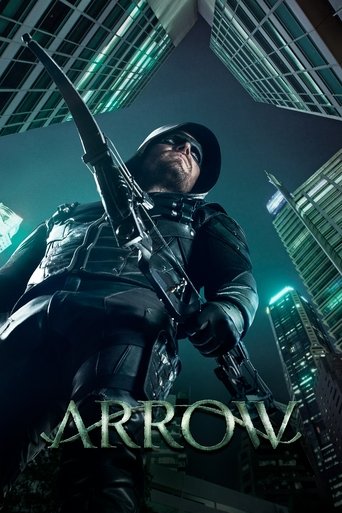
Arrow
Dark masked vigilante fighting urban crime and corruption; early seasons match Daredevil's street-level grounded tone.
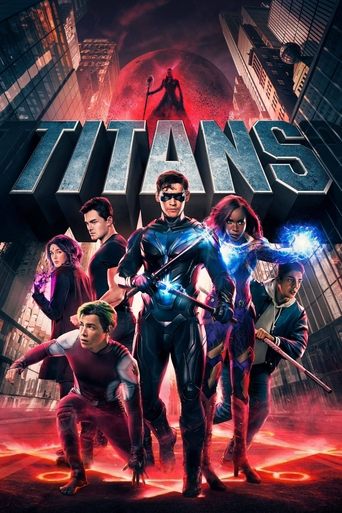
Titans
Gritty, dark live-action comic adaptation; secret identities, violent vigilantes, mature superhero storytelling.
True Detective
Dark crime noir with obsessive investigators, corrupt institutions, and atmospheric dread; tonal near-twin.
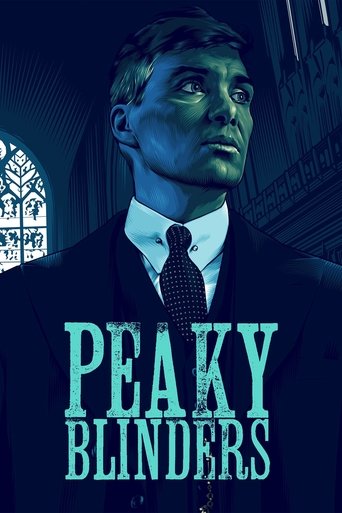
Peaky Blinders
Crime kingpin drama with a charismatic villain (like Fisk), moral ambiguity, stylized violence, strong character arcs.
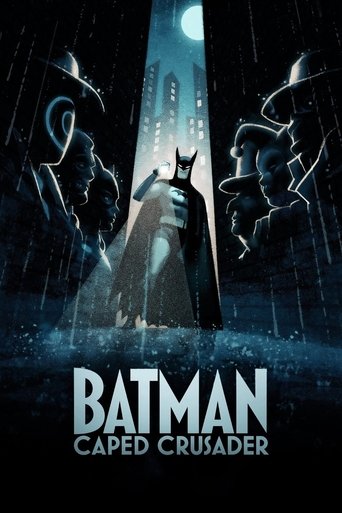
Batman: Caped Crusader
Dark vigilante fighting city corruption; masked hero with no powers relies on skill; police corruption themes.
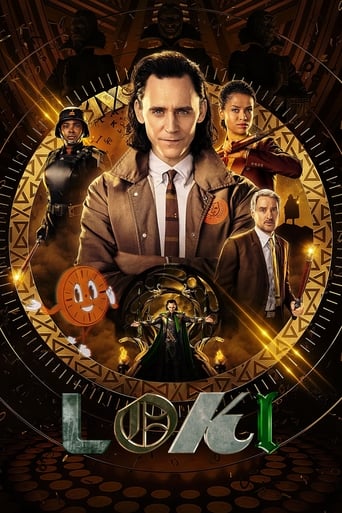
Loki
MCU Disney+ show; shares universe but very different in tone — sci-fi time-travel vs street-level crime.
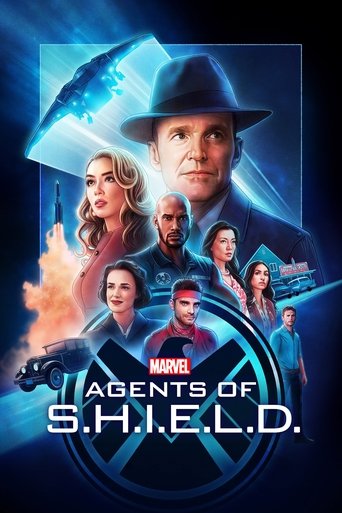
Marvel's Agents of S.H.I.E.L.D.
MCU TV series with shared universe lore; procedural spy/action format differs from Daredevil's crime noir.
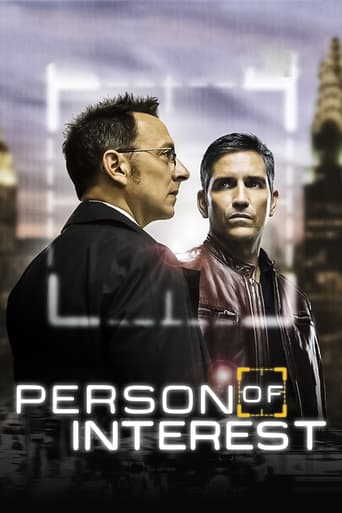
Person of Interest
Vigilante duo fights crime using secret identity and exceptional ability; NYC setting, serialized crime arcs.
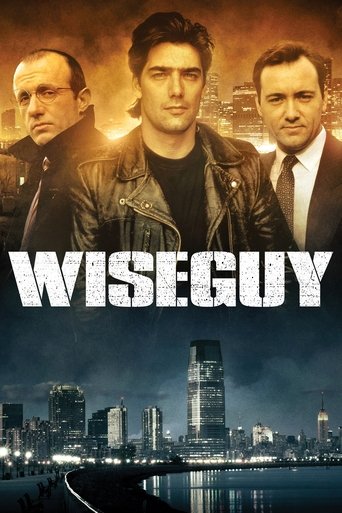
Wiseguy
Undercover agent infiltrating organized crime; shares crime/corruption DNA but no superhero or comic elements.
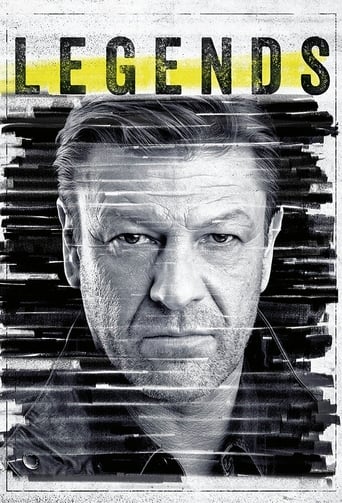
Legends
FBI undercover operative with secret identity; crime/action thriller but grounded spy drama, no superhero link.
How Good Is Marvel's Daredevil?
Ratings across IMDb and TMDB, plus our verdict.
Where to Watch Marvel's Daredevil
Streaming, rental, and purchase options across 40+ countries.
United States
USStream
2 Disney Plus
 Hulu
HuluBuy
4 Amazon Video
 Apple TV Store
 Fandango At Home
 Amazon DVD / Blu-ray
Available in 75 countries
Frequently asked about Marvel's Daredevil
Common questions people search for, with answers written by us at MoviesPack.
Why does Matt Murdock choose to be Daredevil instead of relying solely on the law?
Matt believes the legal system is too slow and too easily corrupted to deliver justice against powerful criminal organizations like Wilson Fisk's empire. His Catholic faith creates an ongoing internal conflict — he sees violence as sinful yet necessary, and he repeatedly questions whether his vigilante work is driven by genuine justice or by a darker hunger for violence that he inherited from his father. This tension between lawyer and vigilante defines his arc across all three seasons.
What is Wilson Fisk's ultimate motivation, and does he see himself as a villain?
Fisk genuinely believes he is saving Hell's Kitchen by controlling its crime rather than eliminating it — his vision is to tear down the corrupt city and rebuild it into something worthy. His traumatic childhood, particularly murdering his abusive father to protect his mother, shaped a worldview where brutal control is an act of love. He never considers himself a villain; he considers himself the only man willing to do what the city requires, which makes him far more dangerous than a conventional antagonist.
How does the season three storyline with Dex (Bullseye) complicate Matt's identity crisis?
After Fisk is released from prison and systematically destroys Matt's life, Matt abandons both his Daredevil identity and his civilian persona, retreating into isolation and doubt about whether he is a force for good at all. Dex mirrors Matt as a dark reflection — a man with exceptional abilities and no moral compass who becomes Fisk's weapon while wearing the Daredevil suit, forcing Matt to reclaim the symbol before it becomes permanently associated with murder. The storyline argues that identity is not just a costume but a sustained moral commitment that must be actively chosen.
What happened to Elektra and what does her resurrection as the Black Sky mean?
Elektra is killed by Nobu at the end of season two and subsequently resurrected by the Hand as the Black Sky, a weapon of immense power they have been cultivating for centuries. The resurrection strips away her memories and emotional connections, reducing her to a pure instrument of violence — yet fragments of her bond with Matt persist and ultimately reassert themselves. Her arc raises the question of whether identity and love can survive death and conditioning, and her final sacrifice to stop the Hand's plan suggests her humanity was never fully extinguished.
What is the Blacksmith's true identity and how does it connect to Frank Castle's origin?
The Blacksmith is revealed to be Colonel Ray Schoonover, a decorated military officer and Frank Castle's former commanding officer who had been running a major heroin operation using Castle's unit as cover. The Central Park massacre that killed Frank's family was not random gang violence — it was a botched sting operation intended to eliminate witnesses to the Blacksmith's drug trade, meaning the people Frank trusted most were complicit in his family's deaths. This revelation reframes Frank's entire war on crime as a betrayal story, not just a grief story.
Recent Updates
New Trailer: Marvel's Daredevil
New Teaser: Marvel's Daredevil