
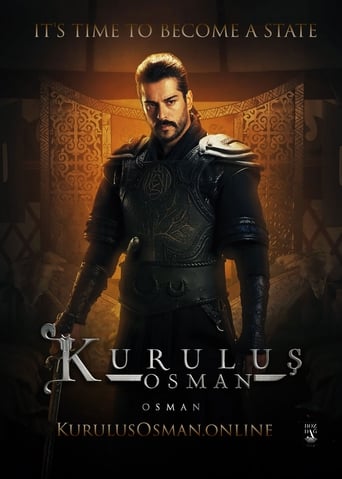
Shows Like Kuruluş Osman
The life of Osman Bey, the son of Ertuğrul and the founder of the Ottoman Empire, as he established and controlled it, facing internal and external struggles against Byzantium and the Mongol Ilkhanate.
Ranked by shared creators, cast, themes, genre, and network — not just generic recommendations.
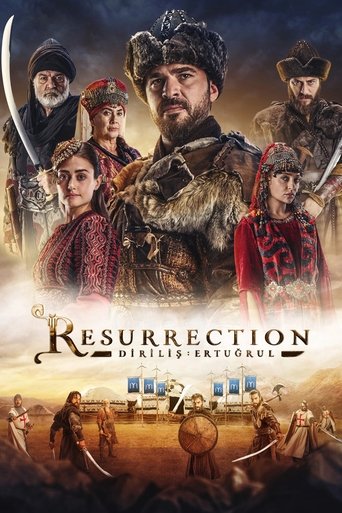
Resurrection: Ertugrul
Direct prequel franchise — Ertugrul is Osman's father; same universe, same Turkish heroic-epic format, same core audience.
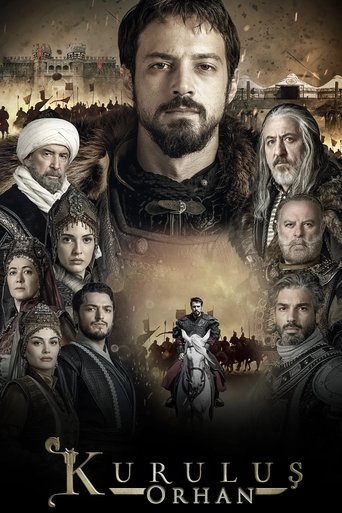
Founder: Orhan
Direct sequel franchise — Orhan Bey is Osman's son; 3 shared cast members, same Ottoman-founding storyline continues.
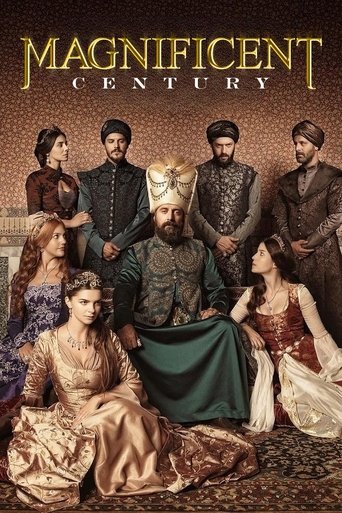
Magnificent Century
Flagship Ottoman historical epic on TRT; shares Ottoman empire setting, serialized palace drama, and the same core Turkish audience.

Magnificent Century: Kösem
Spinoff of Magnificent Century by same creator; Ottoman court intrigue, same production values and viewer demographic.
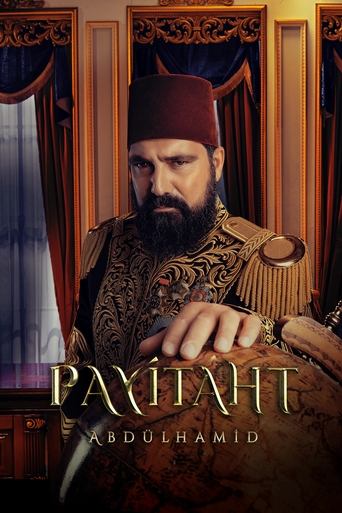
Payitaht: Abdulhamid
Turkish state-broadcaster Ottoman historical drama with Islamic history themes and palace politics; direct genre-and-audience peer.
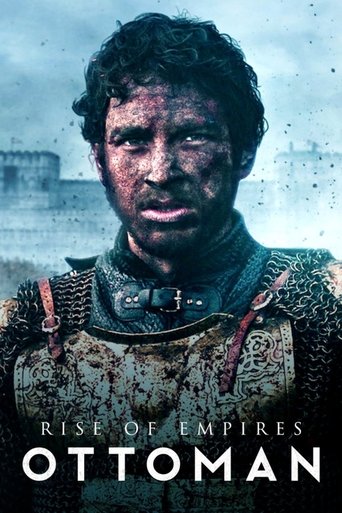
Rise of Empires: Ottoman
Ottoman empire docudrama covering the same dynasty's later peak; shares themes and keyword cluster, different docudrama format.

El Turco
Ottoman Janissary hero in 17th-century Italy post-Vienna; same cultural milieu and warrior ethos, later era and European co-production.
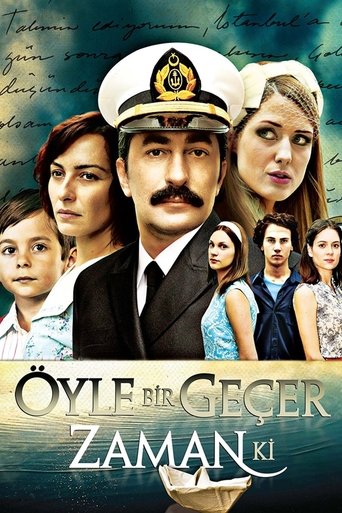
Time Goes By
Turkish drama with War & Politics framing and overlapping Turkish viewer base; different era and tone but genuine regional-shelf adjacency.
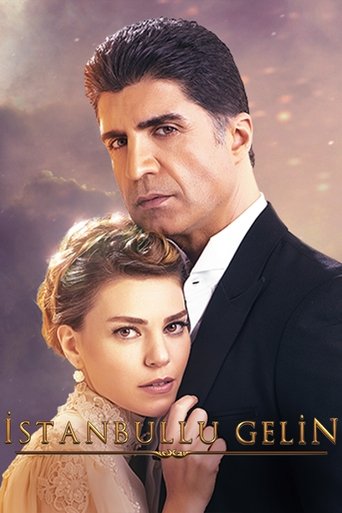
Istanbullu Gelin
Top-rated Turkish family drama; shares the Turkish-diaspora co-viewing habit and primetime dizi format even though genre differs.

Golden Boy
Contemporary Turkish drama from Budayıcıoğlu; same dizi production world and overlapping viewer base seeking Turkish-language content.
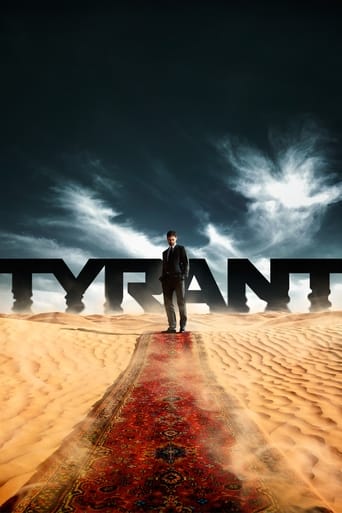
Tyrant
Middle East political power drama with Islamic-world setting and dynastic succession themes; tonal cousin for viewers drawn to the geopolitical layer.

Pearson
Serialized political power drama; shares the court-intrigue and rival-factions tension that underpins Osman's political storylines.

Traitors
Period political thriller with betrayal and loyalty at its core; tonal cousin for viewers drawn to Osman's spy-and-traitor subplots.

Roadkill
Serialized political drama about a powerful man outrunning enemies; mirrors Osman's political maneuvering tone for crossover drama fans.
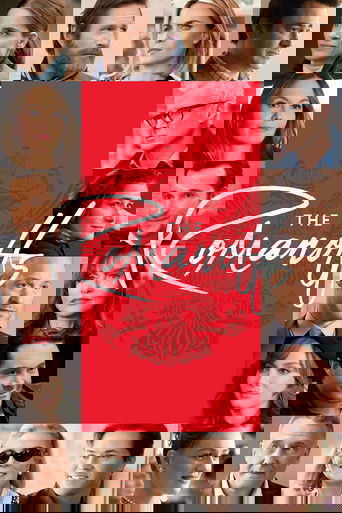
The Romanoffs
Dynasty-legacy anthology; shares the dynastic bloodline and empire-history fascination that draws viewers to Ottoman founding epics.
How Good Is Kuruluş Osman?
Ratings across IMDb and TMDB, plus our verdict.
Where to Watch Kuruluş Osman
Streaming, rental, and purchase options across 40+ countries.
United States
USStream
5 Amazon Prime Video
 Britbox Apple TV channel
 BritBox
 BritBox Amazon Channel
 Amazon Prime Video with Ads
Free with Ads
2 Amazon Prime Video Free with Ads
 Tubi TV
Buy
1 Amazon Video
Available in 8 countries
Frequently asked about Kuruluş Osman
Common questions people search for, with answers written by us at MoviesPack.
What is Osman Bey's central mission and what drives him?
Osman Bey is driven by his father Ertuğrul's legacy and a prophetic vision he receives early in the series, in which a great tree grows from his bloodline to shade the world — the symbolic birth of the Ottoman Empire. His mission is to unite the Turkic tribes, expel the Byzantine and Mongol threats from Anatolia, and establish a just Islamic state. This divine mandate shapes every major decision he makes, often putting him in conflict with tribal leaders who prioritize survival over his larger dream.
Who is Geyhatu and what role does the Mongol threat play in the story?
Geyhatu is the Mongol Ilkhanate ruler whose forces dominate the region and exact tribute from the Anatolian beyliks, including the Kayi tribe. The Mongol threat forces Osman to walk a careful diplomatic line — openly defying them would mean annihilation, yet submission would betray his ambitions. Much of the early conflict revolves around Osman working to weaken Mongol influence covertly while building alliances strong enough to eventually resist them openly.
What is the significance of the 'kut' and Osman's dream early in the series?
The 'kut' is a concept of divine right to rule in Turkic tradition — a heavenly mandate granted to a worthy leader. Osman's recurring dream, in which he sees Sheikh Edebali's daughter Bala Hatun and a sword placed in his hands, is interpreted by the dervish sheikh as a sign that Osman carries the kut. This dream legitimizes his leadership claims among those who believe in it, but also marks him as a target for rivals who see his ambitions as a threat to their own power.
Why does Osman frequently come into conflict with his own tribe's elders and allies?
Many of the Kayi elders, including at times his own uncle Dündar Bey, prioritize the tribe's immediate safety and comfort over Osman's aggressive expansionist goals. They fear that his raids against Byzantine castles and defiance of Mongol authority will invite devastating retaliation the tribe cannot survive. Osman's belief that half-measures only delay conquest — and that bold action is the only path to a sovereign state — creates a constant tension between visionary leadership and pragmatic tribal politics.
What is the nature of the Byzantine antagonists' conspiracy against Osman and the Kayi tribe?
Byzantine governors and lords, most prominently based around Yenişehir and Bilecik, work through a web of spies, traitors within the tribes, and mercenary forces to prevent the Kayi from consolidating power. Their strategy is rarely open warfare but rather manipulation — funding internal dissent, assassinating key allies, and forging false evidence to turn tribal leaders against Osman. This recurring pattern of betrayal from within, instigated by Byzantine gold, is one of the show's central dramatic engines across multiple seasons.
Recent Updates
New Trailer: Kuruluş Osman