
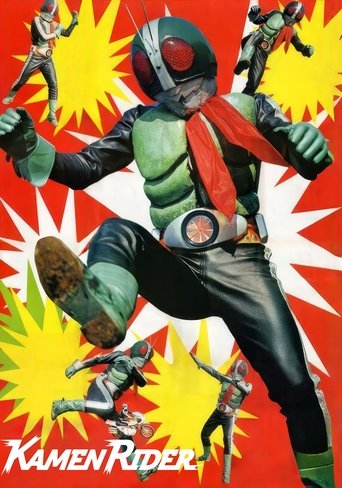
Shows Like Kamen Rider
Takeshi Hongo is a promising young man with a passion for motorcycle racing. However, his dreams are suddenly ruined when he gets kidnapped by Shocker, the evil secret organization planning to dominate the world. After being remodeled into a cyborg, Takeshi escapes and swears to protect the world from the inhuman monsters.
Ranked by shared creators, cast, themes, genre, and network — not just generic recommendations.

Kamen Rider ZEZTZ
Same Kamen Rider franchise, shared lead cast, henshin hero format, motorcycle and tokusatsu keywords identical.
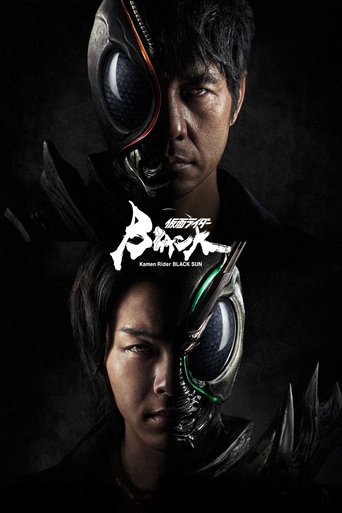
Kamen Rider Black Sun
Core Kamen Rider franchise entry — cyborg biker hero, Shocker-analog villain org, same henshin format and audience.
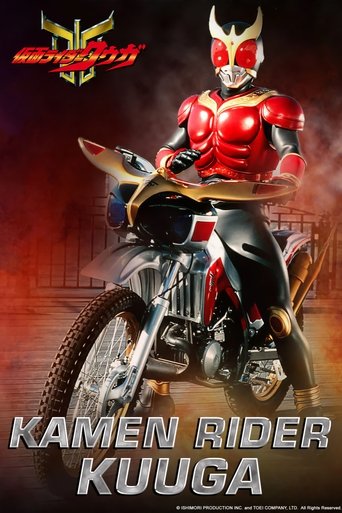
Kamen Rider Kuuga
Landmark Kamen Rider revival; same cyborg/henshin hero vs secret monster org premise, hugely influential in franchise.
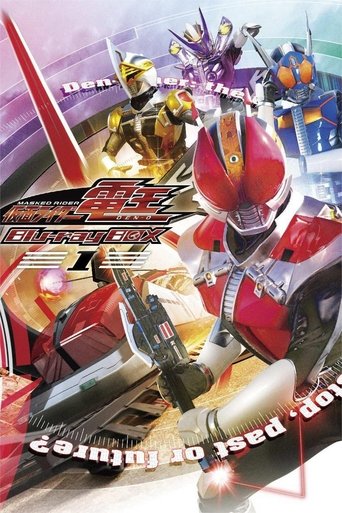
Kamen Rider Den-O
Top-rated Kamen Rider series; same franchise, henshin hero, iconic belt transformation — massive fan-overlap.
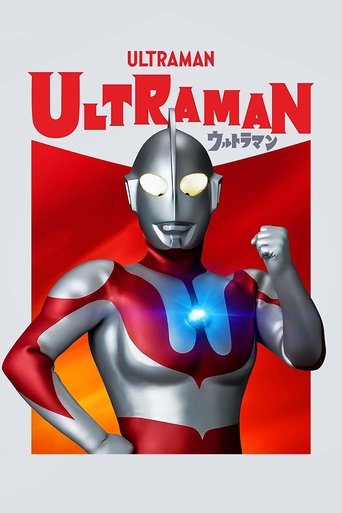
Ultraman
Foundational tokusatsu peer: same era, same Japanese hero-vs-monsters format, same audience, Tsuburaya Productions.
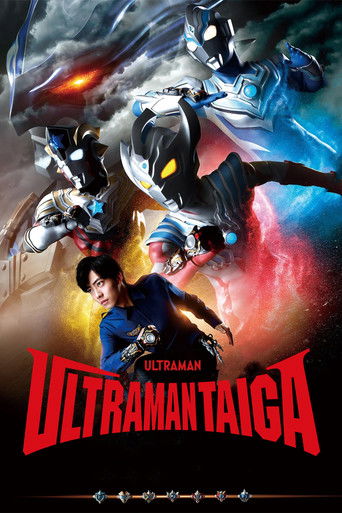
Ultraman Taiga
Modern Ultraman entry — tokusatsu superhero vs alien/kaiju, same henshin-hero audience as Kamen Rider.
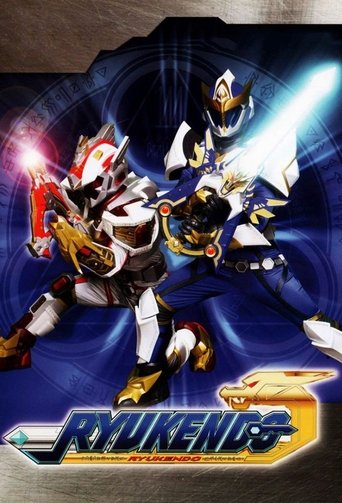
Madan Senki Ryukendo
Tokusatsu henshin hero series; power-suit transformation, monster-of-week, secret org — direct Kamen Rider peer.
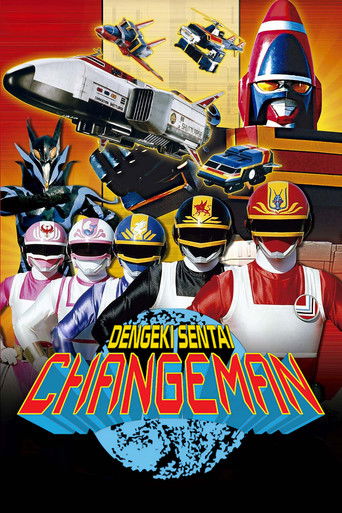
Dengeki Sentai Changeman
Super Sentai tokusatsu — same Toei production stable as Kamen Rider, same henshin-hero audience and era tone.
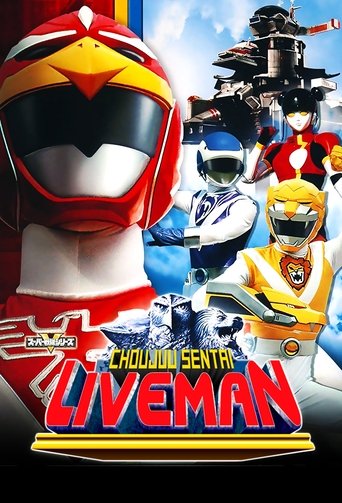
Choujuu Sentai Liveman
Super Sentai tokusatsu entry with friends-to-enemies arc; same Toei/henshin-hero DNA as Kamen Rider.

Mobile Cop Jiban
Toei Metal Hero tokusatsu — cyborg/robot detective hero vs evil org, same henshin-hero format and Japanese audience.
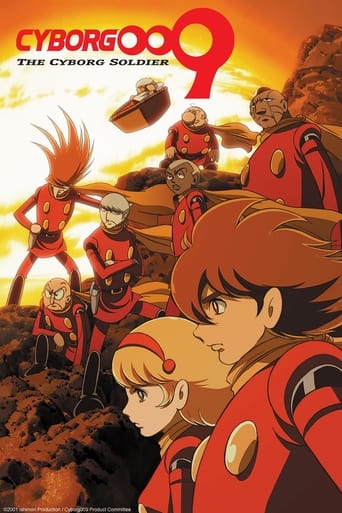
Cyborg 009
Cyborg heroes vs secret evil organization — shares Kamen Rider's core DNA (Ishinomori manga origin, same themes).
Power Rangers
Western adaptation of Super Sentai tokusatsu — same transformation-hero format and kids/family audience as Kamen Rider.

The Six Million Dollar Man
Cybernetic superhuman secret agent fighting evil org — Western analog to Kamen Rider's cyborg-hero premise.
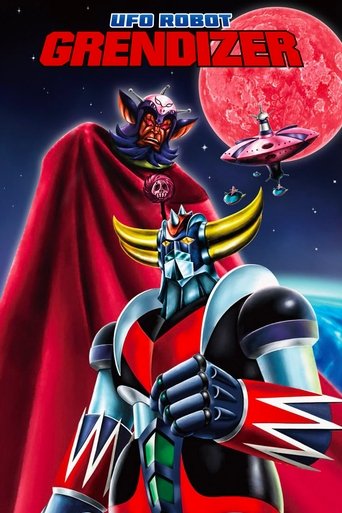
UFO Robot Grendizer
Classic Japanese tokusatsu-era action anime; same vintage, Go Nagai, hero-vs-alien-invader format, overlapping fanbase.
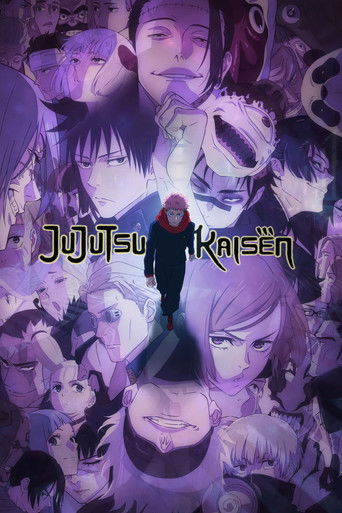
JUJUTSU KAISEN
Modern Japanese action series; secret org, supernatural monsters, young hero — different medium but strong audience overlap.
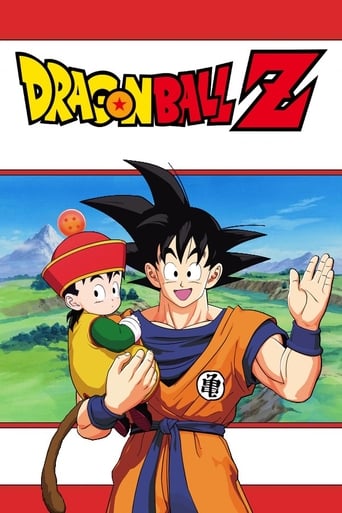
Dragon Ball Z
Japanese action classic with cyborg villains, martial arts, superpowers — anime not tokusatsu but overlapping fanbase.
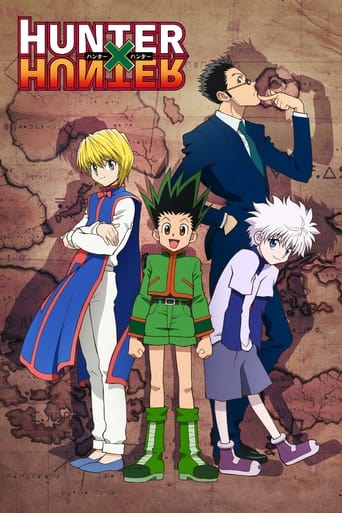
Hunter x Hunter
Shonen action anime with martial arts and super-powered hero journey — tonal cousin via Japanese action heritage.
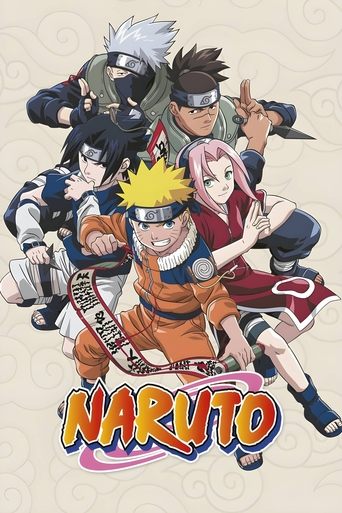
Naruto
Shonen action anime; hero with special power vs evil org — different medium/tone but same youth-action audience segment.
Stranger Things
Sci-fi action with monsters, secret experiments, super powers — Western tonal cousin via 1980s nostalgia and monster-threat arc.
How Good Is Kamen Rider?
Ratings across IMDb and TMDB, plus our verdict.
Where to Watch Kamen Rider
Streaming, rental, and purchase options across 40+ countries.
United States
USStream
2 Crunchyroll Amazon Channel
 Shout! Factory Amazon Channel
Free with Ads
1 Pluto TV
Buy
1 Amazon DVD / Blu-ray
Available in 19 countries
Frequently asked about Kamen Rider
Common questions people search for, with answers written by us at MoviesPack.
Why does Takeshi Hongo (Kamen Rider 1) fight against Shocker if they created him?
Shocker kidnapped and surgically modified Hongo into a grasshopper-themed cyborg with the intention of brainwashing him into a loyal operative. However, Hongo escaped before the brainwashing could be completed, leaving him with all of Shocker's augmented abilities but with his own free will and conscience intact. He then dedicates himself to destroying the organization that turned him into a monster against his wishes.
How does Hayato Ichimonji (Kamen Rider 2) differ from Hongo in his origin?
Unlike Hongo who escaped mid-procedure, Ichimonji was fully converted by Shocker but was rescued by Hongo before the brainwashing took hold, making him the second Rider to retain his humanity. The two share a mentor-student dynamic, with Hongo passing on his knowledge before departing for overseas missions. Ichimonji effectively carried the show as the primary hero during the extended period when Hongo was absent from the story.
What is the significance of the Rider's transformation belt (Typhoon)?
The Typhoon belt is not merely a device but is integral to the Rider's physiology — it converts wind energy gathered by spinning its turbine into the bio-energy that powers the transformation and combat abilities. In the show's lore, Shocker designed the belt as the core of the cyborg's power system, meaning the Riders are permanently dependent on it to access their enhanced forms. The belt spinning during the henshin sequence symbolizes the conversion of natural energy into superhuman power.
What is Shocker's ultimate goal and how does it evolve across the series?
Shocker is presented as a global terrorist organization descended from Nazi-era science, with the overarching goal of world domination through the creation of an army of cyborg soldiers called Kaijin. Each monster-of-the-week represents a field agent augmented with an animal or object motif to grant specific combat abilities. As the series progresses and Shocker suffers repeated defeats, the organization eventually reorganizes under a new identity, Gel-Shocker, intensifying their operations in the final story arc before their ultimate destruction.
Why do the Riders use a finishing kick (Rider Kick) rather than a punch or weapon to defeat enemies?
Within the show's internal logic, the Rider Kick channels the maximum concentration of the cyborg's bio-energy into a single devastating strike, with the jump amplified by the Typhoon belt's power output making the kick the most efficient way to deliver a lethal blow. The technique became an iconic storytelling device that signals the climax of each episode's battle. It also reflects the grasshopper motif of the Riders — grasshoppers are defined by their powerful jumping legs, so a leaping kick is thematically appropriate to the character design.
Recent Updates
New Trailer: Kamen Rider