Shows Like Homeland
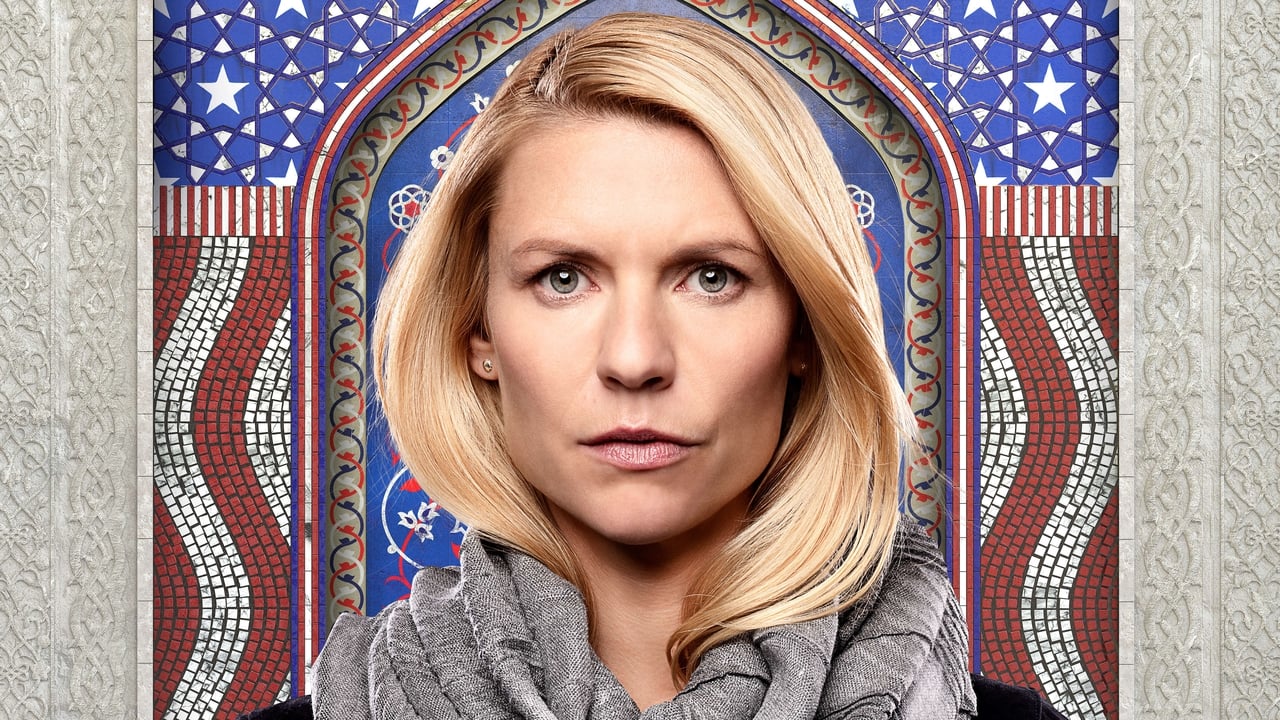
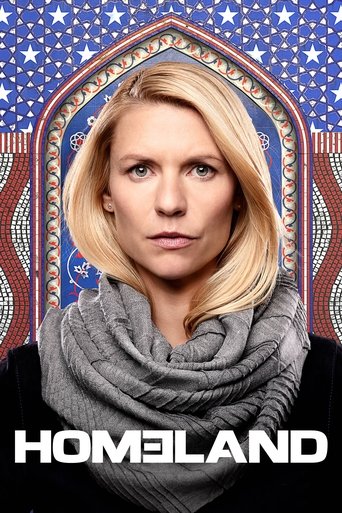
CIA officer Carrie Mathison is tops in her field despite being bipolar, which makes her volatile and unpredictable. With the help of her long-time mentor Saul Berenson, Carrie fearlessly risks everything, including her personal well-being and even sanity, at every turn.
Ranked by shared creators, cast, themes, genre, and network — not just generic recommendations.
Fauda
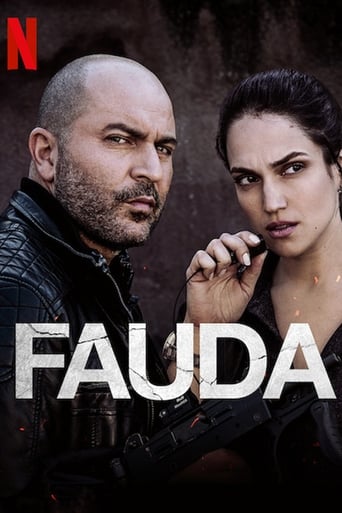
Same war-on-terror core: undercover ops, Palestinian-Israeli conflict, moral ambiguity, equally serialized and relentless.
The Americans
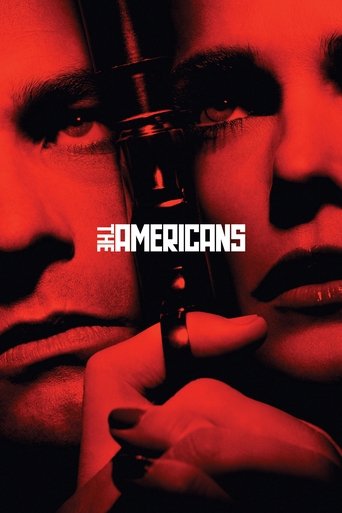
Deep-cover spies, psychological pressure, impossible loyalty conflicts, prestige FX serialized drama — exact tonal match.

Slow Horses
Prestige espionage, MI5 dysfunction, terrorism plots, morally compromised agents — same shelf, different accent.
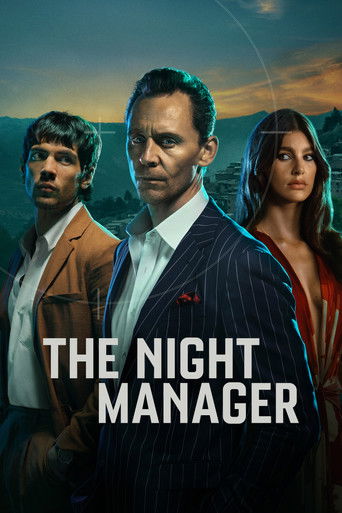
The Night Manager
Le Carré undercover spy thriller; intelligence agencies, arms trade, psychological tension, prestige limited series.
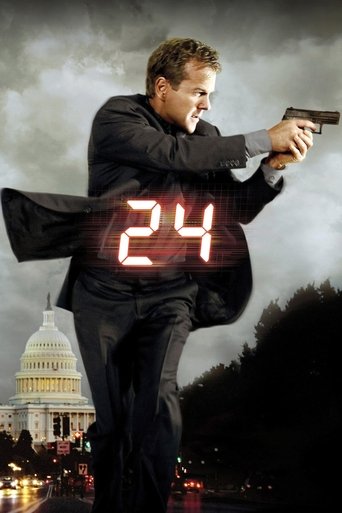
24
Co-created by Howard Gordon; same CTU/CIA counterterrorism DNA, Jack Bauer vs Carrie Mathison — direct creative lineage.
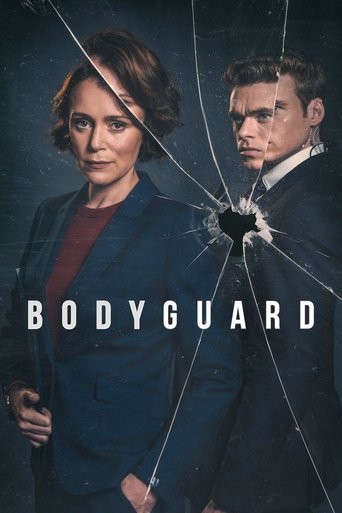
Bodyguard
PTSD veteran, terrorism conspiracy, high-stakes political thriller — same serialized tension and audience.

Lioness
CIA undercover operative targets terrorist organization; prestige drama, female lead under extreme pressure.
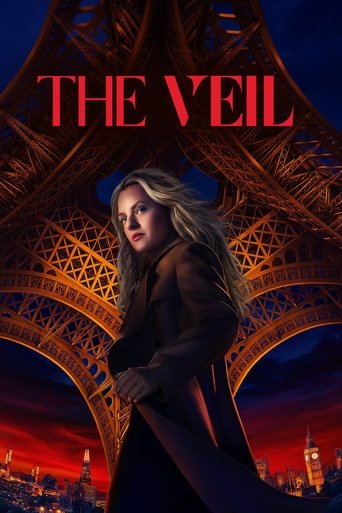
The Veil
CIA officer pursues terrorist plot across Europe; miniseries, female intelligence lead, psychological cat-and-mouse.
Condor
CIA analyst uncovers government conspiracy threatening millions; same espionage-thriller DNA, serialized format.
Berlin Station
CIA officer stationed in Berlin navigates moles and conspiracies; prestige Epix spy drama, exact Homeland adjacency.

PONIES
Cold War CIA operatives uncovering conspiracy in 1977 Moscow — espionage DNA but period setting shifts tone.
Tom Clancy's Jack Ryan
CIA counterterrorism, espionage, national security — overlapping audience but more action-forward, less psychological.

The Diplomat
US diplomat, political thriller, international crisis — adjacent shelf; lighter tone, less espionage fieldwork.
Zero Day
Former president investigates cyberattack conspiracy; political thriller, prestige cast, overlapping intrigue audience.
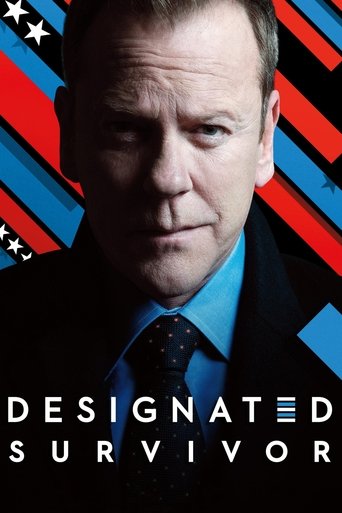
Designated Survivor
Terrorism, political conspiracy, national security — shares audience but more procedural White House drama.
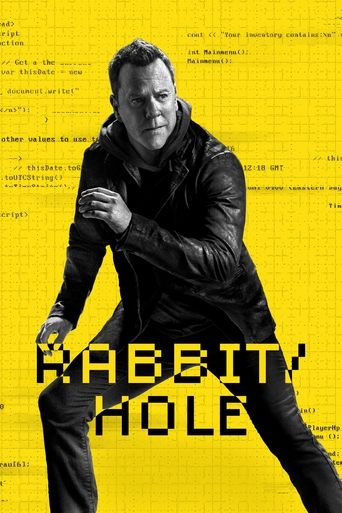
Rabbit Hole
Corporate espionage operative framed for murder, surveillance state conspiracy — spy-thriller adjacent, less terrorism focus.
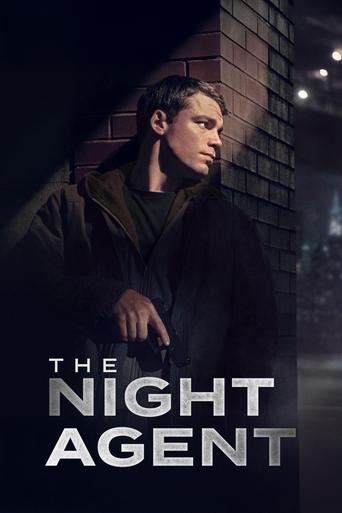
The Night Agent
FBI/White House conspiracy thriller; overlapping political-spy audience but more action-thriller, less psychological depth.
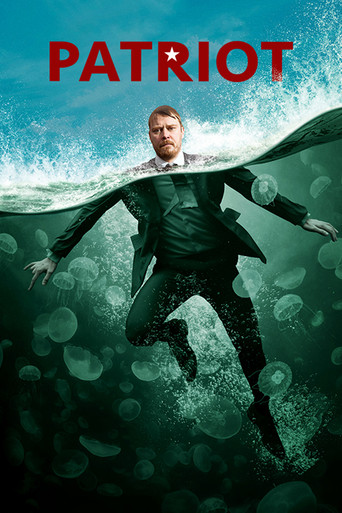
Patriot
Intelligence officer on non-official cover; shares spy-world setting but distinctly melancholic dark-comedy tone.

The Capture
British surveillance/deepfake conspiracy thriller; shares intelligence-state paranoia but no espionage fieldwork.
How Good Is Homeland?
Ratings across IMDb and TMDB, plus our verdict.
Where to Watch Homeland
Streaming, rental, and purchase options across 40+ countries.
United States
USStream
2 Hulu
Hulu Netflix
Buy
6 Amazon Video
 Apple TV Store
 Fandango At Home
 Amazon DVD / Blu-ray
 Barnes & Noble
 Zavvi
ZavviAvailable in 126 countries
Frequently asked about Homeland
Common questions people search for, with answers written by us at MoviesPack.
Was Nicholas Brody actually turned by al-Qaeda, or was his loyalty always with America?
Brody was genuinely turned during his captivity, developing a bond with Abu Nazir and particularly with Issa, the boy who was killed in a CIA drone strike Brody blamed on Vice President Walden. His loyalties became deeply conflicted — he prepared a suicide vest to kill Walden but ultimately did not detonate it, and later cooperated with the CIA against al-Qaeda. His character is defined by this fractured identity, never fully belonging to either side.
Why did Carrie undergo electroconvulsive therapy and what did she lose because of it?
Carrie agreed to ECT after suffering a severe bipolar episode following her forced removal from the CIA, partly to manage her mental illness and partly under pressure from her family. The treatment erased key short-term memories, including a final conversation with Brody in which he gave her a crucial piece of information about Abu Nazir's network. This memory loss became a central plot driver in Season 2, as Carrie spent much of it trying to recover what she had forgotten.
What was the significance of the Brodys' garage in Season 1?
The garage served as Brody's private space where he secretly practiced Islamic prayer, hidden from his family and the surveillance Carrie had placed on him. Carrie and the CIA initially interpreted the garage behavior as evidence of radicalization and covert communication. The garage ultimately became central to the investigation that confirmed Brody's double life, and his prayer rug hidden there was a key piece of evidence.
How did Brody die, and was he framed for the CIA bombing?
Brody was executed by hanging in Tehran in Season 3 after being used by the CIA in a covert operation to assassinate Iranian IRGC chief Akbari. He was framed as the bomber in the Langley CIA headquarters attack that killed over 200 people — a bombing actually orchestrated by Abu Nazir's associate Nazir-aligned Javadi using a car bomb. The CIA publicly let Brody take the blame to protect operational cover, even as Carrie privately knew the truth.
What is the meaning behind Carrie's mural/timeline wall and her off-medication episodes?
Carrie's cork-board timeline — connecting surveillance photos, dates, and intelligence with colored string — is her method of pattern recognition while hypomanic, when her bipolar disorder sharpens her intuition at the cost of stability. The show uses these episodes to illustrate that her illness is simultaneously her greatest professional asset and her deepest personal vulnerability. Several of her most accurate analytical breakthroughs happen during or just after these unmedicated states, which is why the CIA repeatedly overlooks her mental health issues.
Recent Updates
New Trailer: Homeland