

Shows Like Death in Paradise
A brilliant but idiosyncratic British detective and his resourceful local team solve baffling murder mysteries on the fictional Caribbean island of Saint Marie.
Ranked by shared creators, cast, themes, genre, and network — not just generic recommendations.

Beyond Paradise
Direct spinoff by same creator Robert Thorogood; DI Humphrey Goodman moves from Saint Marie to Devon with same cozy tone.
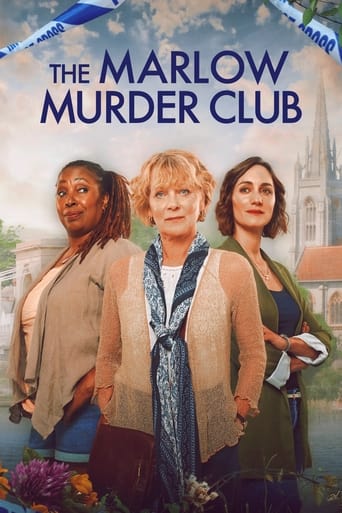
The Marlow Murder Club
Created by Robert Thorogood; same whodunit-in-a-sleepy-community formula, same light BBC cozy mystery tone.

Midsomer Murders
Quintessential British cozy whodunit; episodic murder-of-the-week, gentle tone, eccentric community — mirrors Death in Paradise's DNA.

McDonald & Dodds
British comedy-crime odd-couple detective pairing, light whodunit tone, same BBC/ITV cozy mystery audience.

Grantchester
British episodic mystery with warmth and wit; unconventional detective, close-knit community, same ITV cozy tone and audience.
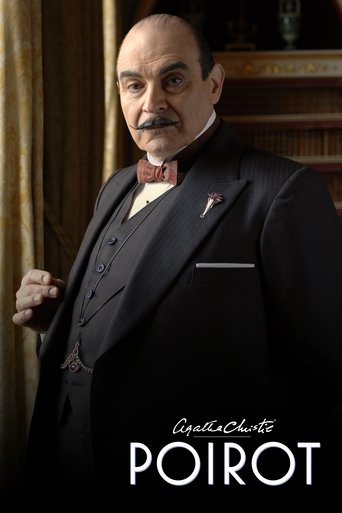
Agatha Christie's Poirot
Eccentric brilliant detective solving whodunits; cozy mystery tone, devoted British audience, same murder-mystery satisfaction loop.

Father Brown
BBC cozy mystery; idiosyncratic amateur sleuth in English village, episodic whodunit, identical audience and light tone.

Agatha Raisin
British cozy mystery with comedic outsider detective in a quaint community; same warm tone and Acorn/BBC cozy audience.

The Glades
Chicago cop relocated to sunny Florida solves murders; outsider detective in exotic warm locale mirrors Death in Paradise's core premise.

Bad Monkey
Comedy-crime set in tropical Florida/Bahamas; outsider investigator, sunny locale, irreverent tone — strong thematic overlap.

Trackers
Listed Thorogood credit on TMDB; South African setting gives exotic-locale flavour but tone is darker action-thriller, not cozy.

Shetland
British island detective series with close-knit community; shares island-isolation premise but is significantly darker and more serialized.
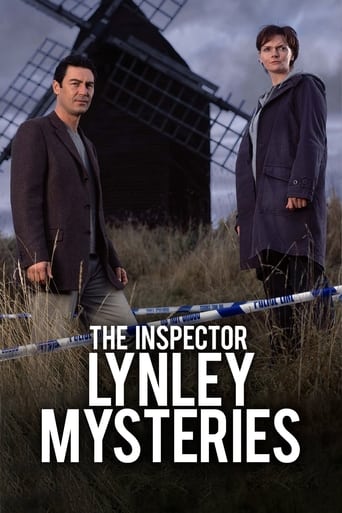
The Inspector Lynley Mysteries
British procedural with mismatched detective duo; less light/exotic but shares BBC cozy-crime audience and whodunit structure.
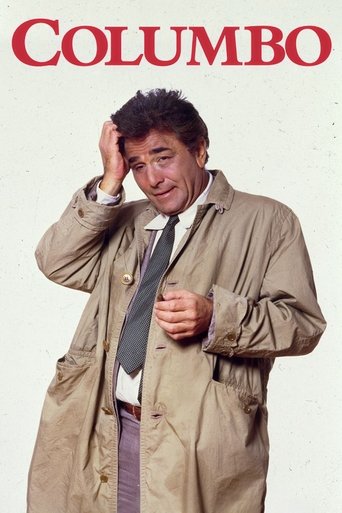
Columbo
Iconic idiosyncratic detective who is consistently underestimated; same 'odd genius solves murder' satisfaction, different era and format.

Doc Martin
BBC comedy-drama; brilliant but socially awkward British professional in a quirky island/coastal community — same tonal DNA, no crime.

Rizzoli & Isles
Light-toned US crime-comedy procedural; comedy-drama tone and buddy dynamic are similar but urban American setting shifts shelf.

Murder in a Small Town
Outsider detective retreating to quiet community faces recurring murders; shares premise and gentle tone but lacks the exotic locale warmth.

Sherlock
Brilliant idiosyncratic British detective; shares the eccentric-genius hook and whodunit puzzle-solving but far more serialized and intense.

Cold Case
Female detective with strong instincts solves murders; procedural DNA overlaps but grim tone, American urban setting, and no comedy distance it.
How Good Is Death in Paradise?
Ratings across IMDb and TMDB, plus our verdict.
Where to Watch Death in Paradise
Streaming, rental, and purchase options across 40+ countries.
United States
USStream
3 Britbox Apple TV channel
 BritBox
 BritBox Amazon Channel
Free with Ads
1 Hoopla
Buy
5 Amazon Video
 Fandango At Home
 Barnes & Noble
 GRUV
GRUV Amazon DVD / Blu-ray
Available in 31 countries
Frequently asked about Death in Paradise
Common questions people search for, with answers written by us at MoviesPack.
How does Death in Paradise structure its mystery formula?
Each episode presents a seemingly impossible crime — often a locked-room murder — on the fictional Caribbean island of Saint Marie. The detective-in-charge methodically interviews suspects, uncovers hidden motives and secrets, and then gathers everyone together for a theatrical reveal in which every clue is walked back through step by step. The formula is intentionally classic and cosy, prioritising logical deduction over graphic violence or psychological darkness.
Why does every British detective sent to Saint Marie struggle to fit in, and what does that tension add to the show?
The central dramatic irony of the series is that each lead detective is culturally, temperamentally, or personally ill-suited to island life — they are too uptight, too British, too haunted — yet the island gradually changes them. This fish-out-of-water discomfort is played both for comedy and for quiet character development, as the detective learns that the warmth and community of Saint Marie offer something their former life lacked. When a detective eventually departs, it often marks a turning point where they have genuinely grown rather than simply solved enough cases.
What motivates the killers in Death in Paradise — are they usually calculating criminals or people pushed to extremes?
The murderers in Death in Paradise are rarely career criminals; they are almost always ordinary people — friends, spouses, colleagues, respected locals — driven to kill by desperation, betrayal, grief, or a secret they could not afford to have exposed. This recurring pattern reinforces the show's thematic argument that violence erupts from human frailty rather than pure malice, which is why the final reveal often carries a note of tragedy alongside the satisfaction of justice. The motive, once explained, is meant to be comprehensible even when it is not forgivable.
How does the show handle the transition between its different lead detectives across the series?
Each time the lead detective changes — through departure, death, or transfer — the new arrival essentially resets the fish-out-of-water dynamic while inheriting the same core local team of Camille, Dwayne, JP, Florence, and others who provide continuity. Richard Poole's death at the start of series four was a notable tonal risk, killing a beloved character rather than writing him out safely, and it established that the show was willing to use genuine loss as a story engine. Subsequent detective transitions have generally used softer exits, but the show relies on the ensemble cast to carry emotional consistency across cast changes.
Is there any ongoing lore or mythology beneath the procedural cases, or is each episode completely standalone?
The show is overwhelmingly episodic — each murder mystery is self-contained — but thin serial threads run through each series in the form of the lead detective's personal arc, recurring relationships within the team, and occasional multi-episode storylines around romance or personal crisis. The island of Saint Marie itself functions as a stable mythological setting: its beauty is constant, its community tight-knit, and the implication is that truth cannot stay buried there for long. These soft serial elements give regular viewers emotional continuity without requiring new viewers to catch up on prior plot.
Recent Updates
New Trailer: Death in Paradise