Shows Like Agatha Christie's Poirot
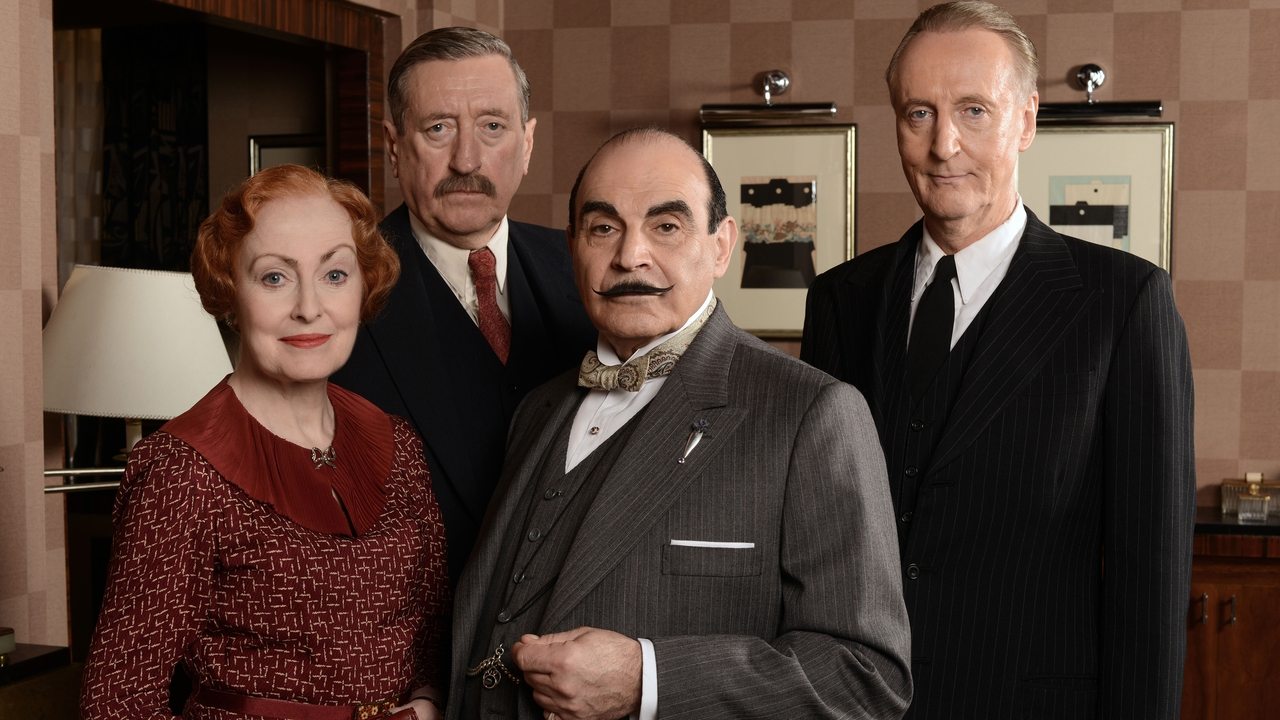
From England to Egypt, accompanied by his elegant and trustworthy sidekicks, the intelligent yet eccentrically-refined Belgian detective Hercule Poirot pits his wits against a collection of first class deceptions.
Ranked by shared creators, cast, themes, genre, and network — not just generic recommendations.
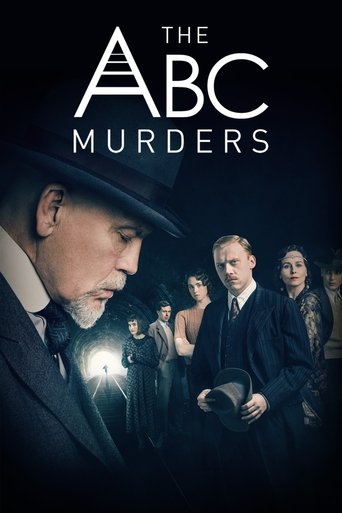
The ABC Murders
Same character — Hercule Poirot — in a BBC adaptation of the same Christie novel; direct franchise entry.
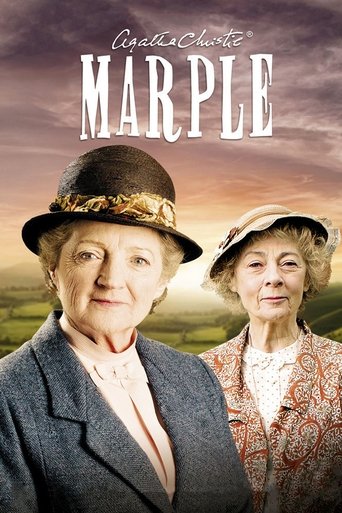
Agatha Christie's Marple
Same franchise: ITV Agatha Christie adaptations, same period-mystery aesthetic, same literary source and production lineage.
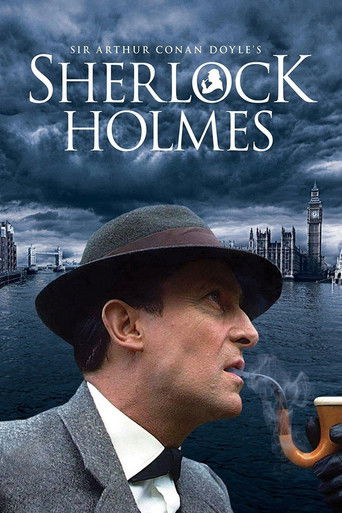
Sherlock Holmes
Definitive British period detective drama; literary adaptation, Victorian setting, cerebral sleuth — closest structural twin to Poirot.
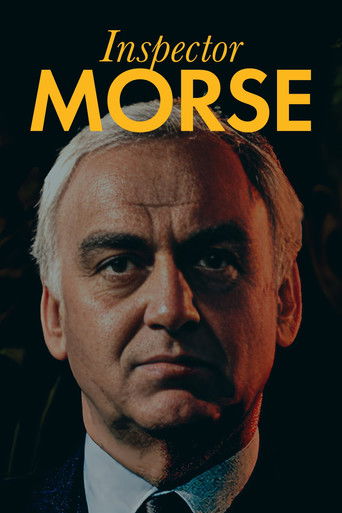
Inspector Morse
British literary-adaptation mystery, same ITV era, Oxford setting, intelligent detective — near-identical audience and tone.
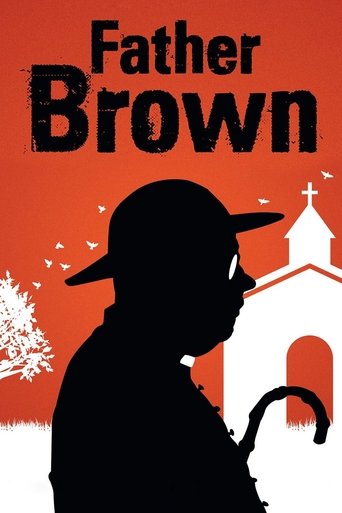
Father Brown
British period amateur-detective mystery based on classic literary source; cozy, cerebral, BBC — same viewer sweet spot.
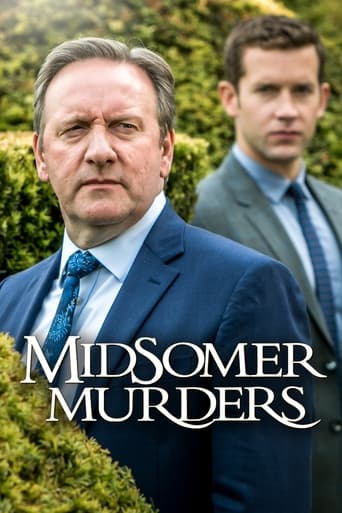
Midsomer Murders
British village murder-mystery institution; same cozy-crime audience, same ITV heritage, same whodunit serialisation pattern.
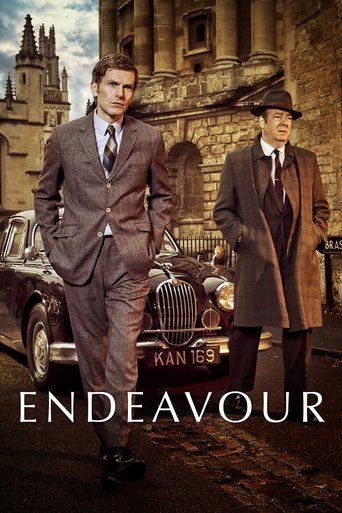
Endeavour
ITV prequel to Inspector Morse; period Oxford detective drama, literary pedigree, elegant tone — direct peer of Poirot's audience.

Death in Paradise
British whodunit procedural with quirky detective; cozy register, closed-room mysteries, same broad family audience.
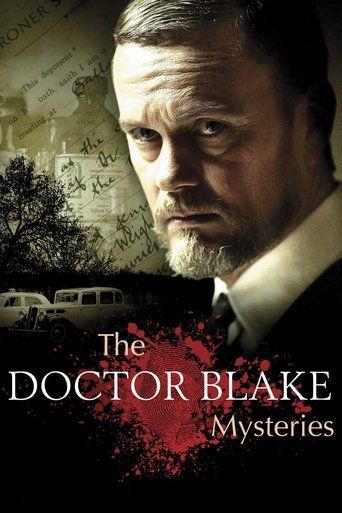
The Doctor Blake Mysteries
Period murder-mystery with a brilliant amateur-adjacent detective; 1950s Australia mirrors Poirot's cozy, literate sensibility.
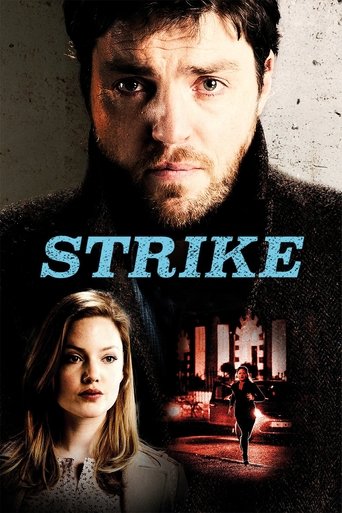
Strike
British literary-adaptation private detective drama (J.K. Rowling); London-set, cerebral, strong character focus.
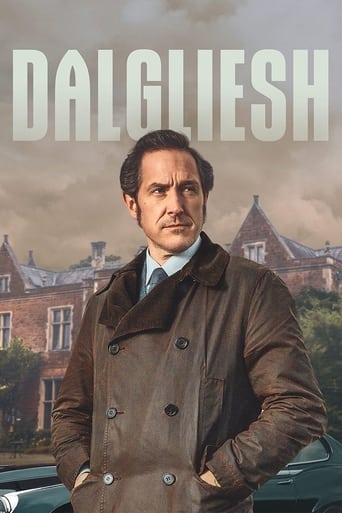
Dalgliesh
British literary-adaptation detective; 1970s period setting, P.D. James source, reflective tone close to Poirot's register.
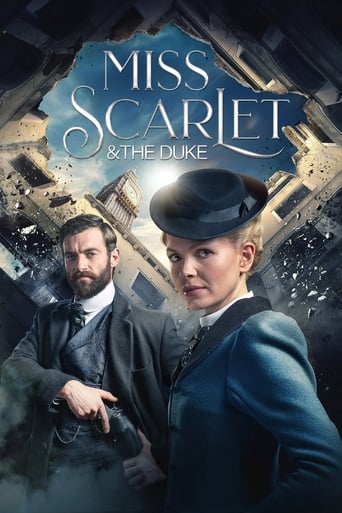
Miss Scarlet
British period detective drama; Victorian female PI, costume drama production, same cozy-mystery audience demographic.

Grantchester
ITV period British mystery; 1950s Cambridge, literary adaptation feel, gentle-cerebral detective — same Poirot viewer.
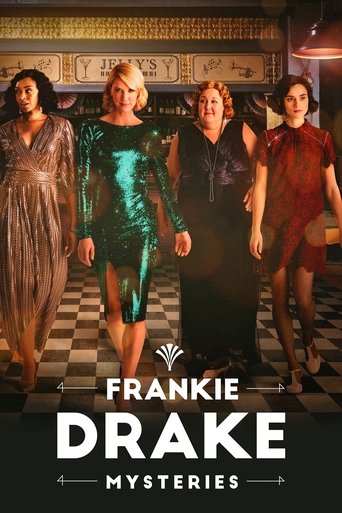
Frankie Drake Mysteries
1920s period private-detective drama; costume mystery, female lead, same cozy interwar atmosphere as Poirot.
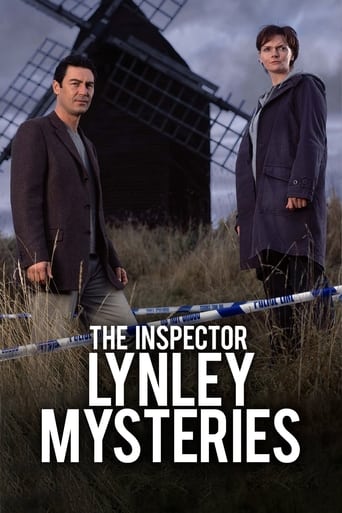
The Inspector Lynley Mysteries
BBC literary-adaptation British detective; class-inflected mysteries, same prestige-mystery audience overlap.
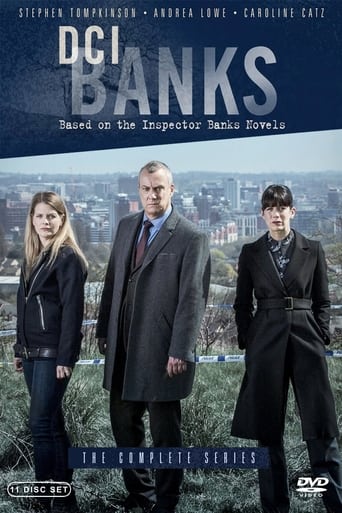
DCI Banks
British literary-adaptation detective drama; darker and more procedural than Poirot but shares novel-source heritage and UK audience.
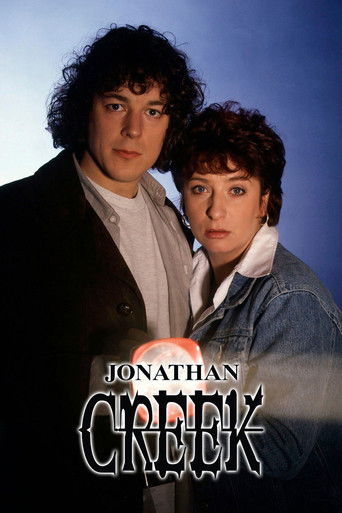
Jonathan Creek
BBC puzzle-mystery series; impossible-crime focus, same cerebral whodunit pleasure, British cozy-crime adjacent shelf.
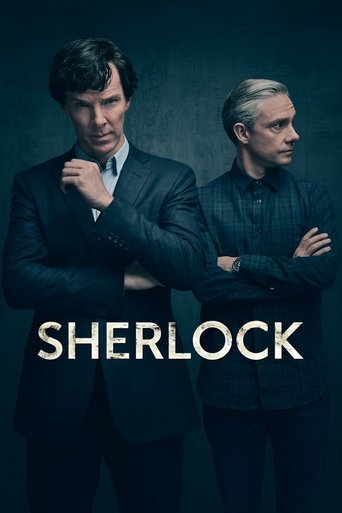
Sherlock
Modern BBC literary-adaptation detective; same genius-detective DNA but contemporary setting shifts tone and younger audience.

Monk
Eccentric obsessive detective with a brilliantly methodical mind; different era/country but same cozy-procedural character archetype.

Annika
British literary-adaptation crime drama; witty, character-driven detective work — tonal cousin with lighter procedural energy.
How Good Is Agatha Christie's Poirot?
Ratings across IMDb and TMDB, plus our verdict.
Where to Watch Agatha Christie's Poirot
Streaming, rental, and purchase options across 40+ countries.
United States
USStream
11 Britbox Apple TV channel
 BritBox
 AcornTV Amazon Channel
 BritBox Amazon Channel
 Acorn TV Apple TV channel
 Hulu
Hulu PBS
PBS PBS Masterpiece Amazon Channel
 Spectrum On Demand
 WETA+
WETA+ Thirteen
Free with Ads
2 KQED
KQED Amazon Prime Video
Buy
2 Amazon Video
 Amazon DVD / Blu-ray
Available in 30 countries
Frequently asked about Agatha Christie's Poirot
Common questions people search for, with answers written by us at MoviesPack.
How does Hercule Poirot's method of detection differ from conventional police work?
Poirot famously relies on 'the little grey cells' — his term for rigorous logical deduction applied to human psychology rather than physical evidence. While police inspectors like Japp chase fingerprints and alibis, Poirot studies character: he believes every murderer reveals themselves through inconsistencies in motive, emotion, and behavior. His approach is to let suspects talk, observe what they conceal, and construct an interior map of who stood to gain — or who could not emotionally bear the victim to live.
Why does Poirot frequently withhold his suspicions until a dramatic final gathering of suspects?
Poirot's theatrical denouements — gathering all suspects in one room — are not mere showmanship; they serve a strategic purpose. Confronting multiple suspects simultaneously prevents any one person from constructing a last-minute alibi and allows Poirot to observe live reactions as he unveils each piece of the truth. He also believes justice requires a complete, public account: the victim deserves a full telling of why they died, not just a quiet arrest.
What moral tension runs through many of Poirot's cases involving sympathetic murderers?
A recurring anguish in the series is that Poirot occasionally solves cases where the killer acted from understandable or even righteous motives — avenging an abused child, stopping a serial predator who escaped justice, protecting an innocent person. Poirot holds an unwavering belief that murder is never morally permissible regardless of the victim's character, yet his sympathy for such killers is often visible. In a handful of cases he quietly manipulates outcomes rather than hand a sympathetic killer to the full force of the law, a choice that visibly costs him.
How does the series handle the ambiguity in Christie's original endings where Poirot allows a killer to go free?
The TV adaptations, particularly in the later David Suchet years, preserve Christie's most controversial resolutions — such as in 'Curtain,' where Poirot takes justice entirely into his own hands — while adding weight to Poirot's internal conflict. The show frames these moments as tragic rather than triumphant, emphasizing that even Poirot's certainty about guilt does not give him a clean conscience when he steps outside the law. Suchet's portrayal deliberately shows Poirot as a man deeply Catholic in conscience, for whom any extrajudicial act is a personal moral wound.
What is the significance of 'Curtain' as the final Poirot case, and why did Christie write it during World War II?
Agatha Christie wrote 'Curtain' in the early 1940s as a wartime insurance policy, sealing the manuscript in a vault so that if she died during the Blitz, Poirot would have a proper ending. The story returns Poirot and Hastings to Styles Court — the very house from the very first case — closing the circle deliberately. In it, Poirot faces a killer who commits no murders directly but engineers others to do so, a villain whose very method defeats conventional detection; the case ultimately forces Poirot to acknowledge that his lifelong rules cannot hold against every form of evil.
Recent Updates
New Trailer: Agatha Christie's Poirot
New Teaser: The Fog
New Trailer: The Fog