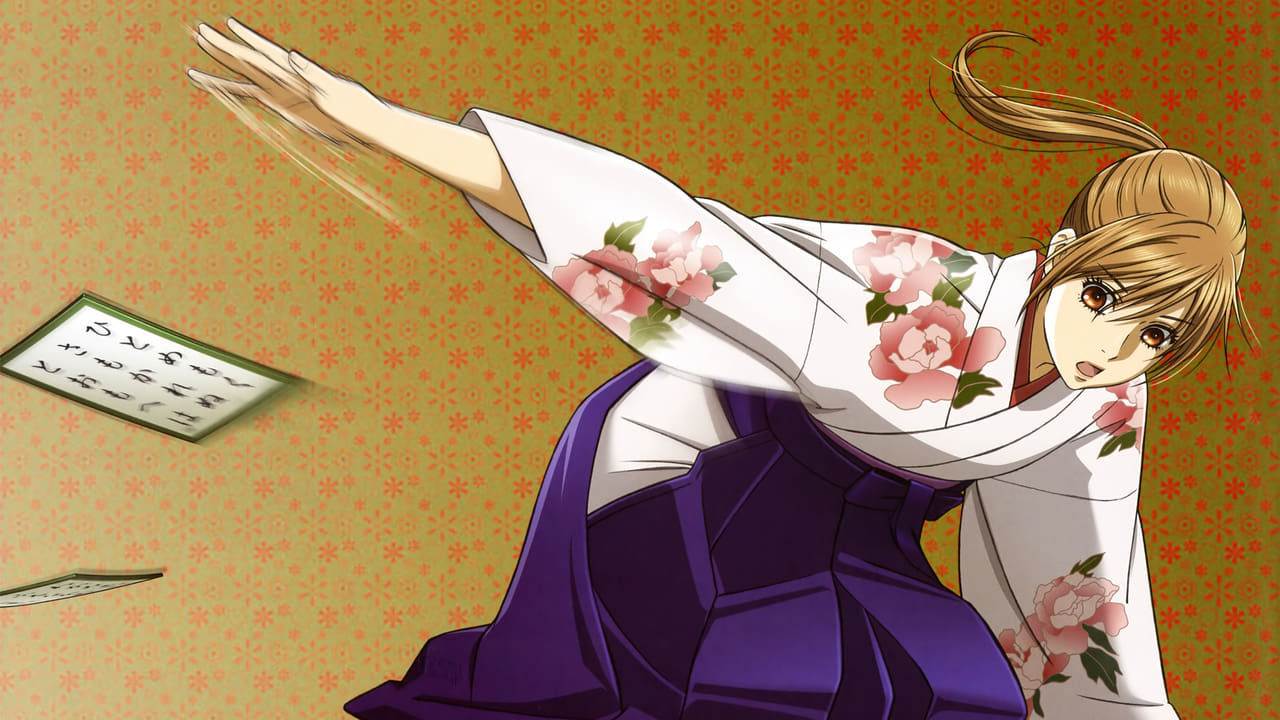

Shows Like Chihayafuru
Chihaya Ayase has spent most of her life supporting her sister’s model career. When she meets a boy named Arata Wataya, he thinks Chihaya has potential to become a great karuta player. As Chihaya dreams of becoming Japan's best karuta player, she is soon separated from her karuta playing friends. Now in high school, Chihaya still plays karuta in the hope that she will one day meet her friends again.
Ranked by shared creators, cast, themes, genre, and network — not just generic recommendations.

March Comes In Like a Lion
Seinen board-game (shogi) competition anime; same introspective emotional depth, prodigy protagonist, serialized character growth

Kono Oto Tomare!: Sounds of Life
Traditional Japanese art club fighting to survive, competition arcs, romance, emotional sincerity — near-identical DNA to Chihayafuru
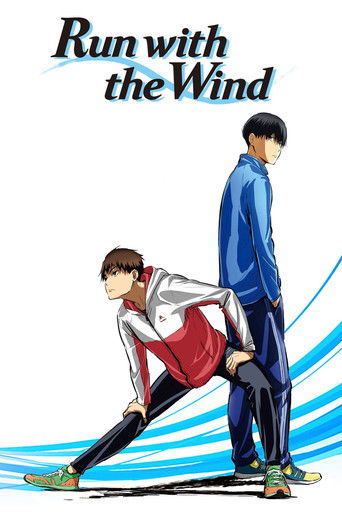
Run with the Wind
Ensemble sports anime with literary emotional weight, character-driven serialization, underdog team striving toward a single goal

Your Lie in April
Classical performance competition, prodigy, unrequited love, emotionally devastating arc — same josei-adjacent tone and audience

The Piano Forest
Classical music competition, child prodigy, rivalry and friendship, coming-of-age depth matching Chihayafuru's competition/growth theme
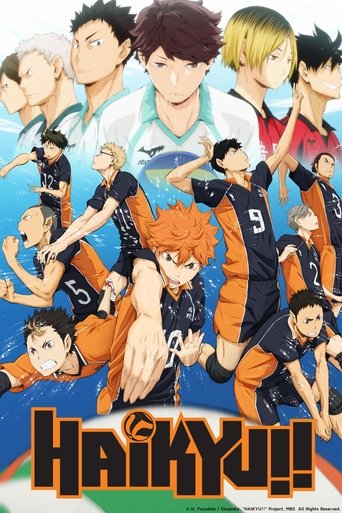
Haikyu!!
High school club sports anime with deep serialization, rivalry, emotional investment in competition — gold standard peer recommendation
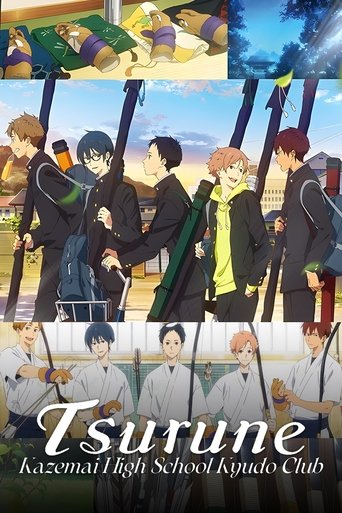
Tsurune
High school kyudo (archery) club anime, prodigy overcoming mental block, quiet emotional tone, aesthetically similar pacing

Fruits Basket
Shoujo/josei-adjacent emotional anime; strong female protagonist, romance, serialized character healing — same adult female anime audience

NANA
Josei anime with female protagonist, emotionally rich serialized drama, adult romance undercurrent — same demographic and tonal register

From Me to You: Kimi ni Todoke
Shoujo high school romance anime with earnest tone, slow-burn love, and emotional warmth that mirrors Chihayafuru's romantic subplot

HANEBADO!
Female-led high school sports club anime (badminton), prodigy, competition — shares structure but darker, less romantic tone

Stars Align
High school sports club (tennis) with emotional depth and character backstory focus; truncated but thematically sincere

Welcome to the Ballroom
Performance-competition anime (dance), passion-discovery arc, tournament stakes — different genre but same drive-and-artistry spine

Ace of the Diamond
High school bukatsu sports anime with long serialization and intense competition; less emotional/romantic but structurally close
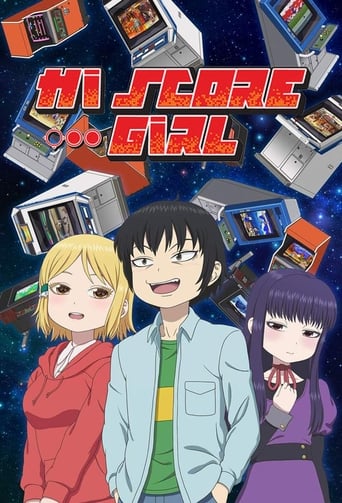
Hi Score Girl
Game-competition framing with slow-burn romance and coming-of-age; seinen tone, quieter stakes but similar heart
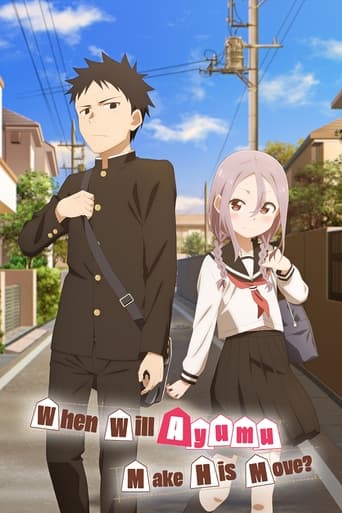
When Will Ayumu Make His Move?
Shogi club + slow-burn romance in high school; shares the game-as-courtship dynamic but is a lighter slice-of-life comedy
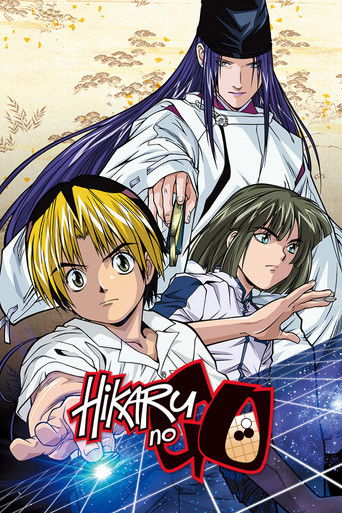
Hikaru no Go
Board-game (Go) competition anime, prodigy, high school club, serialized rivalry — closest structural twin to Chihayafuru

Baby Steps
High school sports anime (tennis) with methodical, earnest protagonist and serialized growth; quieter tone mirrors Chihayafuru's sincerity
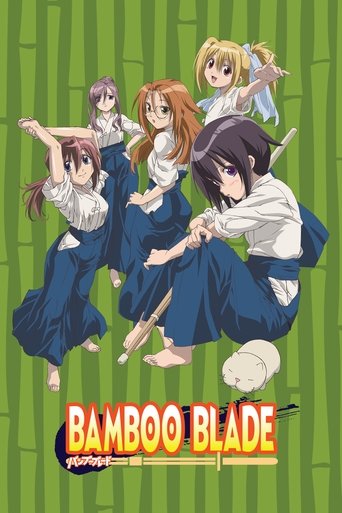
Bamboo Blade
High school kendo club anime with female protagonist; traditional Japanese martial art competition — structural and cultural parallel
How Good Is Chihayafuru?
Ratings across IMDb and TMDB, plus our verdict.
Where to Watch Chihayafuru
Streaming, rental, and purchase options across 40+ countries.
United States
USStream
4 Crunchyroll
 Crunchyroll Amazon Channel
 HiDive
 Hidive Amazon Channel
Buy
1 Amazon Video
Available in 121 countries
Frequently asked about Chihayafuru
Common questions people search for, with answers written by us at MoviesPack.
Why does Chihaya become so obsessed with karuta after meeting Arata?
As a child, Chihaya had no real dream of her own — she only wished for her sister Chitose's modeling success. When she meets Arata and sees his transcendent skill at karuta, it's the first time she witnesses someone pour their entire soul into something. His passion ignites her own, and karuta becomes the arena where she can pursue greatness entirely for herself, not for anyone else.
What causes Arata to quit karuta after his grandfather Hajime Wataya dies?
Arata's grandfather was his karuta mentor and the person who made the game sacred to him. Hajime died while Arata was away at a competitive match, meaning Arata was playing karuta instead of being with him in his final moments. Consumed by guilt, Arata blames the game itself for that absence and stops playing entirely, withdrawing from both karuta and his friendship with Chihaya and Taichi.
What is the significance of the card 'Chihayafuru' and why does it matter to the characters?
The poem 'Chihayafuru' is Chihaya's name card — the card she is fastest at taking because it shares her name — and it symbolizes the unique, irreplaceable bond between her and karuta. The poem itself is about an ancient, overwhelming force, and in the context of the show it represents the idea that true talent or passion is something wild and unstoppable. Arata's grandfather designated it as Chihaya's card, making it a tangible token of how deeply she belongs to the game.
What is the rivalry between Taichi and Arata really about beneath the karuta competition?
On the surface Taichi and Arata compete over karuta rankings, but the deeper rivalry is over Chihaya. Taichi has loved Chihaya since childhood yet constantly suppresses it because he sees Arata as her true emotional counterpart — the person who awakened her passion and whose absence she never fully stops carrying. Taichi's karuta journey is inseparable from his internal struggle between accepting his own feelings and accepting that Chihaya and Arata share something he cannot replicate.
Why does Taichi eventually quit the Mizusawa karuta club at the end of Season 3?
After years of competing while quietly suppressing his feelings, Taichi finally confesses to Chihaya and is rejected. Unable to continue being near her in the same capacity while processing that rejection, he leaves the club — not out of bitterness toward karuta itself, but because the emotional weight of the situation makes it impossible to remain in that shared space. His departure is framed as a necessary step toward rediscovering his own relationship with karuta independent of Chihaya.
Recent Updates
New Trailer: Chihayafuru